FEEL IT.STREAM
Samson Raphaelson

Samson Raphaelson

Writing

Biography

​From Wikipedia, the free encyclopedia Samson Raphaelson (March 30, 1894 in New York City – July 16, 1983 in New York City) was an American screenwriter and playwright. Born in New York City, Raphaelson worked on nine films with Ernst Lubitsch, including Trouble in Paradise (1932), The Shop Around the Corner (1939), Heaven Can Wait (1943), and That Lady in Ermine (1948). He also collaborated with Alfred Hitchcock on Hitchcock's Suspicion (1941). He is the author of the play Day of Atonement, which was made into The Jazz Singer (1927), the first talking picture, produced by Warner Brothers in the Vitaphone sound-on-disc process. Samson Raphaelson was also Ernst Lubitsch's favorite screenwriter. Samson Raphaelson considered Suspicion to be "in many ways my best screenplay." Raphaelson also co-wrote Lubitsch's only sound-era drama Broken Lullaby (The Man I Killed, 1932). Though praised by playwright Robert E. Sherwood as "the best talking picture that has yet been seen and heard," the film was a box office flop. Aside from his more popular work, Raphaelson also wrote the college fight song for the University of Illinois in 1921. Titled, "Fight, Illini!: The Stadium Song" the music was composed by Rose J. Oltusky. In 1977 the Writers Guild of America Awards granted him the "Laurel" for lifetime achievement. He taught playwriting at Columbia University until the last years of his life. His wife Dorshka (Dorothy Wegman) (1904-2005) was the author of 'Morning Song' and, until her death in 2005, was the second oldest surviving Ziegfeld Follies dancer. His nephew is filmmaker Bob Rafelson, and his grandson is photographer Paul Raphaelson. Description above from the Wikipedia article Samson Raphaelson, licensed under CC-BY-SA, full list of contributors on Wikipedia.
Known For

Matinee Theater
5.3

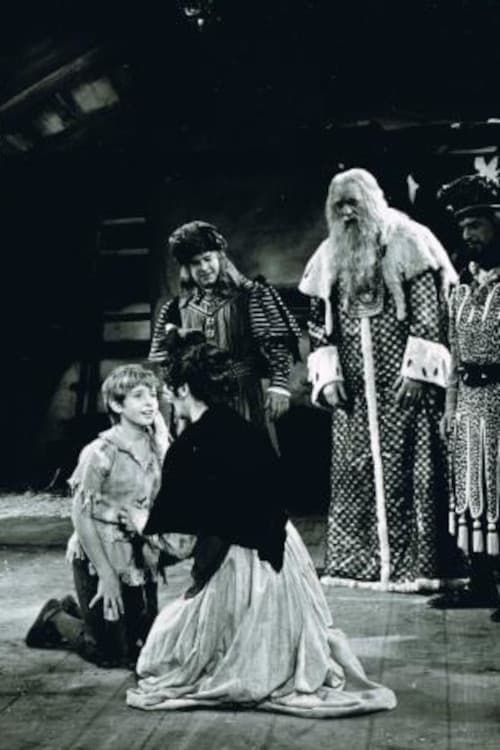
Matinee Theater is an American anthology series that aired on NBC during the Golden Age of Television, from 1955 to 1958. The series, which ran daily in the afternoon, was frequently live. It was produced by Albert McCleery, Darrell Ross, George Cahan and Frank Price with executive producer George Lowther. McCleery had previously produced the live series Cameo Theatre which introduced to television the concept of theater-in-the-round, TV plays staged with minimal sets. Jim Buckley of the Pewter Plough Playhouse recalled: When Al McCleery got back to the States, he originated a most ambitious theatrical TV series for NBC called Matinee Theater: to televise five different stage plays per week live, airing around noon in order to promote color TV to the American housewife as she labored over her ironing. Al was the producer. He hired five directors and five art directors. Richard Bennett, one of our first early presidents of the Pewter Plough Corporation, was one of the directors and I was one of the art directors and, as soon as we were through televising one play, we had lunch and then met to plan next week’s show. That was over 50 years ago, and I’m trying to think; I believe the TV art director is his own set decorator —yes, of course! It had to be, since one of McCleery’s chief claims to favor with the producers was his elimination of the setting per se and simply decorating the scene with a minimum of props. It took a bit of ingenuity.

Matinee Theater

1955
Startime
6.8

Startime, an anthology of drama, comedy and variety, was one of the first American television shows broadcast in color.

Startime

1959
You've Got Mail
6.7

Book superstore magnate Joe Fox and independent book shop owner Kathleen Kelly fall in love in the anonymity of the Internet—both blissfully unaware that he's trying to put her out of business.

You've Got Mail

1998
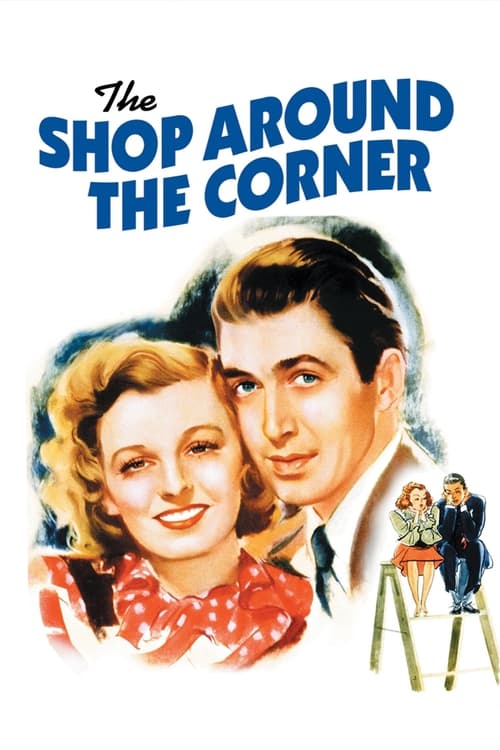
The Shop Around the Corner
8.1

Two employees at a gift shop can barely stand one another, without realising that they are falling in love through the post as each other's anonymous pen pal.

The Shop Around the Corner

1940
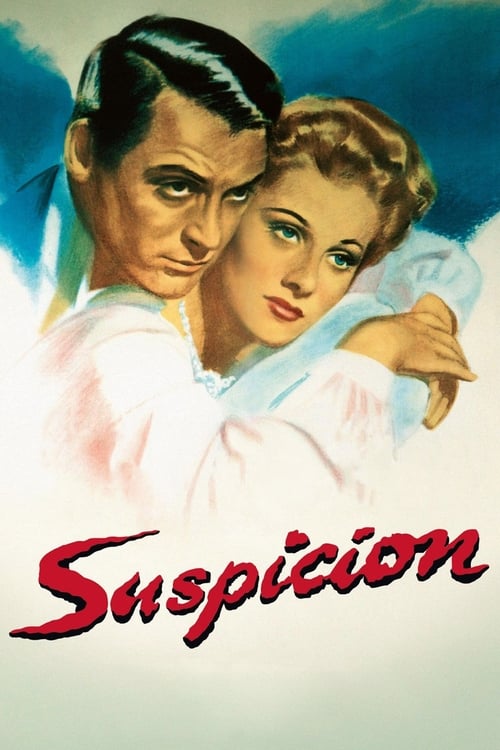
Suspicion
7.1

A sheltered heiress falls for a charming playboy and elopes with him, but soon discovers his gambling vice and mounting debts. As his lies deepen and those around them meet mysterious ends, she begins to suspect that her husband’s affection may conceal a deadly motive—and that she could be his next victim.

Suspicion

1941
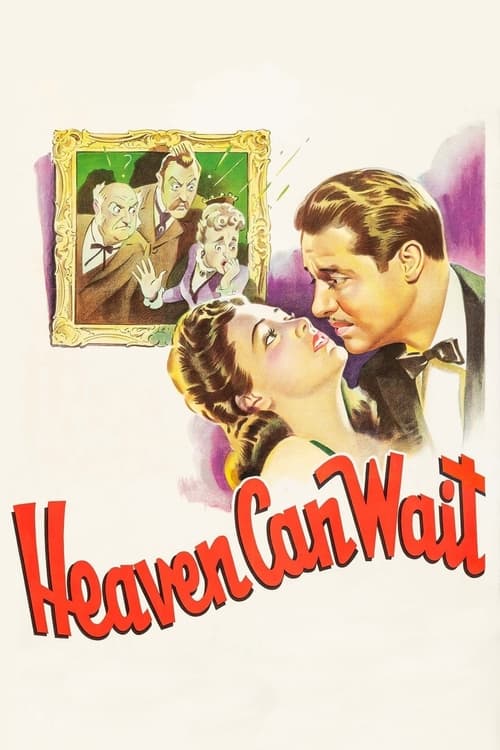
Heaven Can Wait
6.9

Spoiled playboy Henry van Cleve dies and arrives at the entrance to Hell, a final destination he is sure he deserves after living a life of profligacy. The devil, however, isn't so sure Henry meets Hell's standards. Convinced he is where he belongs, Henry recounts his life's deeds, both good and bad, including an act of indiscretion during his 25-year marriage to his wife, Martha, with the hope that "His Excellency" will arrive at the proper judgment.

Heaven Can Wait

1943
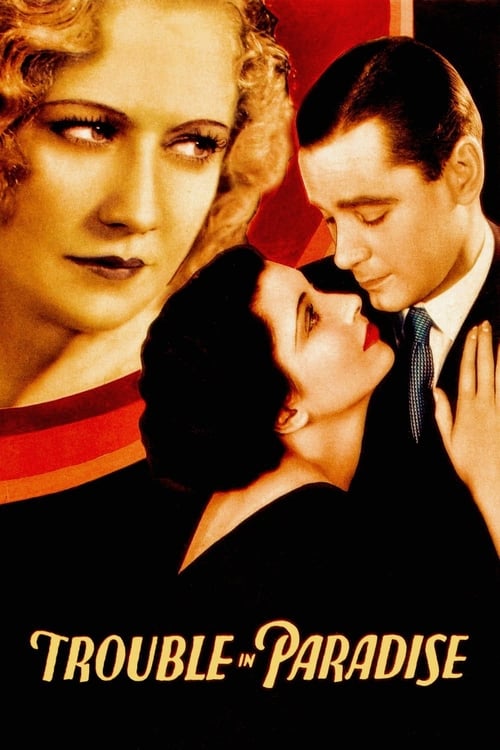
Trouble in Paradise
7.4

Thief Gaston Monescu and pickpocket Lily are partners in crime and love. Working for perfume company executive Mariette Colet, the two crooks decide to combine their criminal talents to rob their employer. Under the alias of Monsieur Laval, Gaston uses his position as Mariette's personal secretary to become closer to her. However, he takes things too far when he actually falls in love with Mariette, and has to choose between her and Lily.

Trouble in Paradise

1932
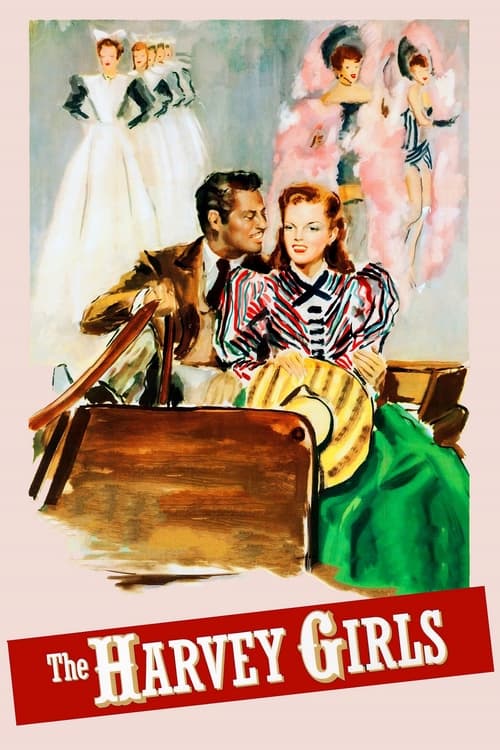
The Harvey Girls
6.6

On a train trip out west to become a mail-order bride, Susan Bradley meets a cheery crew of young women traveling out to open a "Harvey House" restaurant at a remote whistle-stop.

The Harvey Girls

1946
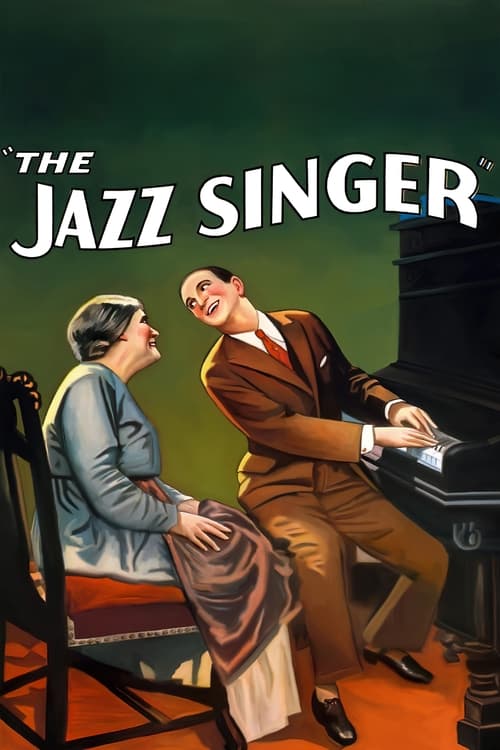
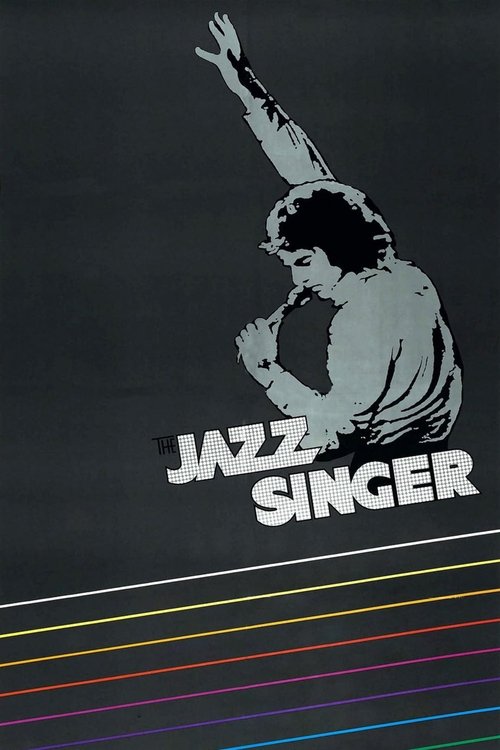
The Jazz Singer
6.1

A young Jewish man is torn between tradition and individuality when his old-fashioned family objects to his career as a jazz singer. This is the first full length feature film to use synchronized sound, and is the original film musical.

The Jazz Singer

1927
The Jazz Singer
5.9

A young Jewish man is torn between tradition and individuality when his old-fashioned family objects to his career as a jazz singer.

The Jazz Singer

1980
The Merry Widow
6.8

A prince from a small kingdom courts a wealthy widow to keep her money in the country.

The Merry Widow

1934
Hilda Crane
7.3

After two failed marriages, a disillusioned woman returns to her hometown to start life anew.

Hilda Crane

1956
One Hour with You
6.5

Andre and Colette Bertier are happily married. When Colette introduces her husband to her flirtatious best friend, Mitzi, he does his best to resist her advances. But she is persistent, and very cute, and he succumbs. Mitzi's husband wants to divorce her, and has been having her tailed. Andre gets caught, and must confess to his wife. But Colette has had problems resisting the attentions of another man herself, and they forgive each other.

One Hour with You

1932
Angel
6.7

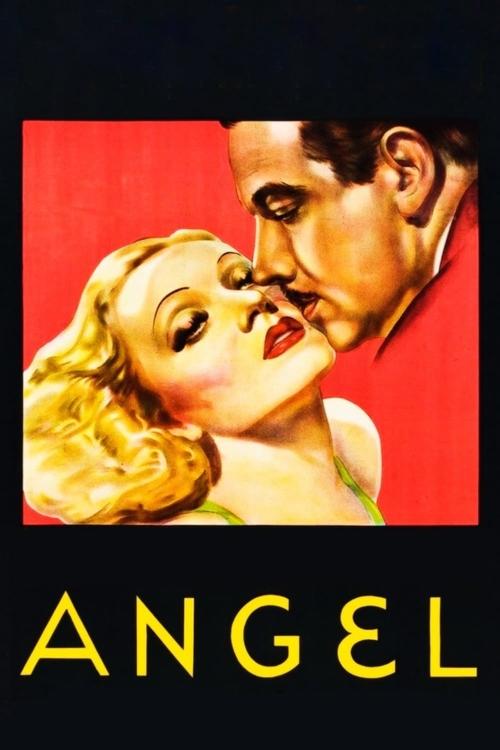
While vacationing without her busy British diplomat husband, a married woman falls for another man.

Angel

1937
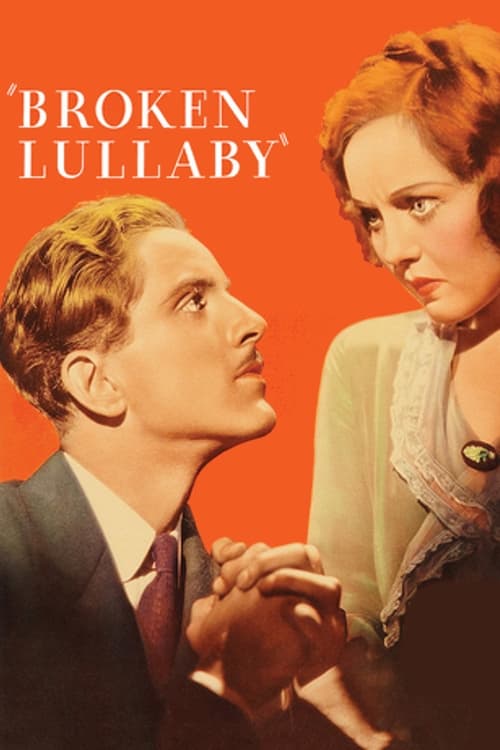
Broken Lullaby
7.5

A young French soldier in World War I is overcome with guilt when he kills a German soldier who, like himself, is a musically gifted conscript, each having attended the same musical conservatory in France. The fact that the incident occurred in war does not assuage his guilt. He travels to Germany to meet the man's family.

Broken Lullaby

1932
The Perfect Marriage
5.5

A couple celebrate their tenth anniversary by quarreling their way to divorce court.

The Perfect Marriage

1947
The Last of Mrs. Cheyney
5.9

A chic American jewel thief falls in love with one of her marks, an English lord.

The Last of Mrs. Cheyney

1937
But Not for Me
6.3

Out of hit ideas and seemingly in the twilight of his career, Broadway producer Russ Ward decides to give up the game. But when Russ lays off his nubile secretary, Ellie Brown, she shocks him with a declaration of love. Inspired, Ward commands playwright MacDonald to rewrite his latest show as a May-December romance starring Brown herself. Ward struggles to make a comeback as his ex-wife, Kathryn, plots to end his new relationship.

But Not for Me

1959
That Lady in Ermine
6.0

Circa 1861, Angelina, ruling countess of an Italian principality, is at a loss when invaded by a Hungarian army. Her lookalike ancestress Francesca, who saved a similar situation 300 years before, comes to life from a portrait to help her descendant. Complicating factor: the newlywed countess feels strangely drawn to the handsome invader...

That Lady in Ermine

1948
Caravan
6.5

A countess marries a Gypsy fiddler instead of a baron's son at harvest time in Tokay wine country, Hungary.

Caravan

1934