Acting
Life returns to a building abandoned after the Lebanese Civil War when it becomes a temporary haven for Syrian refugees, as war ravages their homeland.
The series tackles a number of negative contemporary social phenomena, shedding light on the challenges encountered by young people, like violence against children, poverty, homelessness, begging, slave trade, motherhood, family disintegration, and honor crimes.
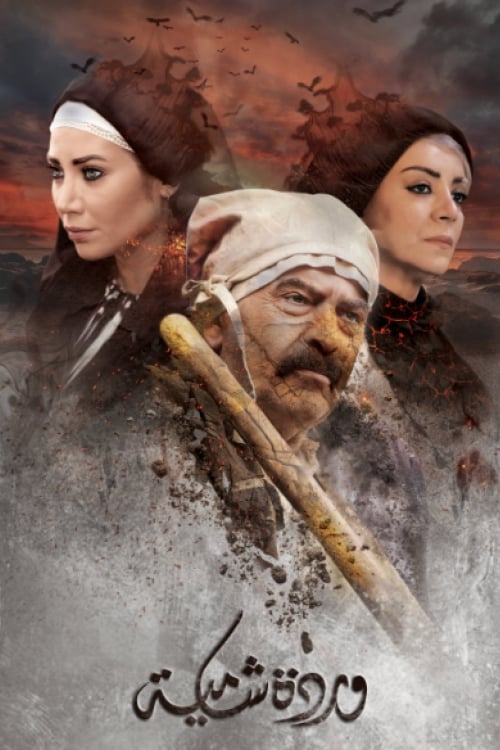
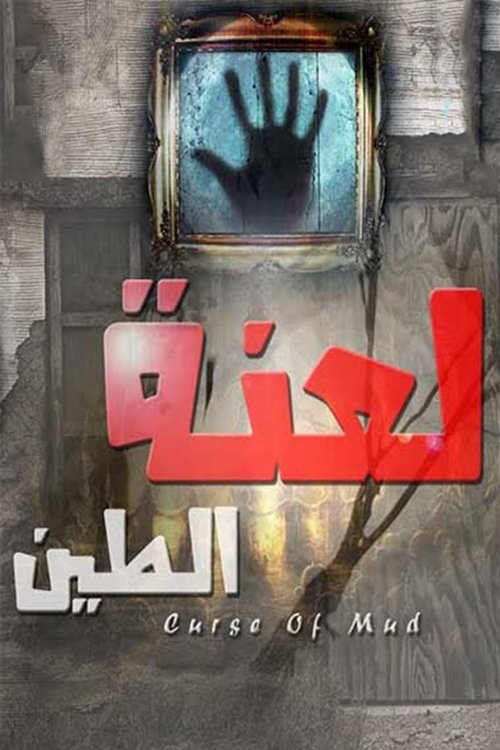
After their step-mother humiliates them and exposes their immoral past, sisters Warda and Shamiya kill and bury Aziza in their house, and all hell breaks loose.
No description available.
Events of the series take place in a poor neighborhood, shedding light on the lives of its people, especially the life of an illegitimate young man who makes every effort to be helpful to others.
A Syrian family — warm, funny and profoundly ordinary — finds itself facing the impossible choice millions of Syrians faced: stay in a home torn apart by war, or pack up everything and leave. They choose to go. But the road out proves just as punishing as what they left behind, with each episode delivering a new obstacle, a new heartbreak and a new reason to laugh through the tears. From the creator of Lost Village — tragicomedy at its most human.
The series deals with social life and raises many important issues that the Arab society suffers from, such as authoritarianism, social pressures. It also presents the negatives and positives in a dramatic comic style.
The show tells the story of a playwright, Jalal, who holds secular views, and his close friendship with Michel, his childhood friend. Michel initially worked as a lawyer but later transitioned to journalism, founding his own magazine in which he boldly addresses societal issues, drawing significant criticism. Additionally, the narrative explores themes of separating religion from civil and political life through a love story between a man and a woman from different faiths: Jalal (a Muslim) and Hanan (a Christian). Their relationship culminates in a secret marriage, which lasts until Jalal’s sudden passing. Throughout the story, the work focuses on two major issues related to secularism: the demand for a civil personal status law that permits civil marriage, and the call for a secular education system that allows students the freedom to seek their own truths instead of being indoctrinated with a predetermined "absolute truth." It also tackles issues of political and social corruption.
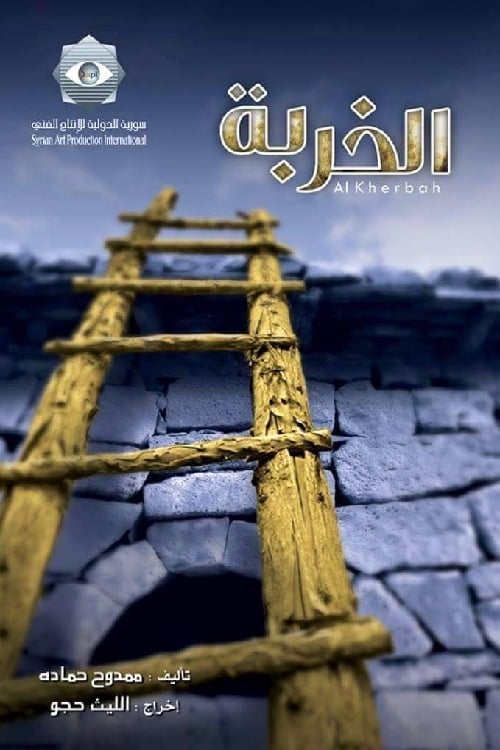
The events takes place in the village of (Al-Kharba), near Al-Suwayda Governorate, as it highlights the lives of two families living in the village within a comedic framework.
Nader is lost between his parents, who are experiencing a struggle between love and hate, Lulia, who is persecuted by her stepmother, Dalal, whose hatred for her stepdaughter reaches the point of attempting murder. Dalal considers Lulia the reason for her unhappiness, but when Lulia leaves her life, she discovers her mistake. Tahseen her husband can only run away from problems and cannot solve any of them.
The series revolves around politics and corruption in 1980s Syria. An aspiring university student is forced to become a police officer and climb the political ladder, revealing bitter truths along the way.
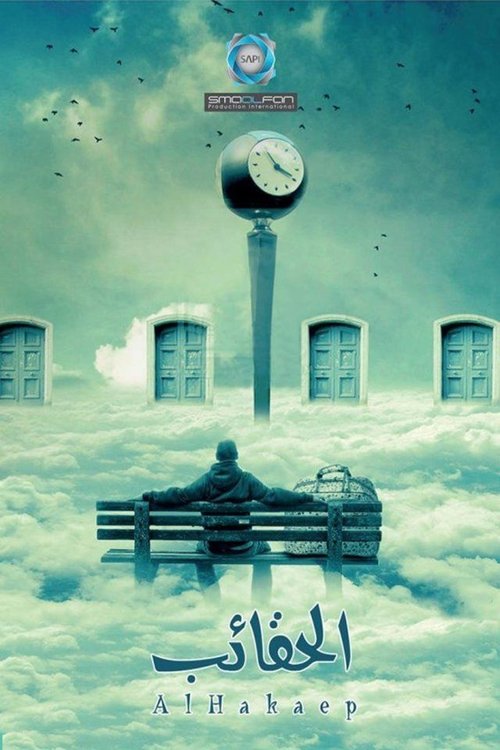
A contemporary social series that takes place in Damascus, and deals with the subject of doubt in the human being when some of its constants in life are shaken.
Matar disappears under mysterious circumstances for 20 years, during which everyone has believed he had died a martyr. However, he returns in a new form and builds a financial empire amidst the mystery surrounding the source of his wealth. Using the spider's method, he tightens his grip on everyone and exploits them to achieve his goals of doubling his wealth and taking revenge on his past friends.
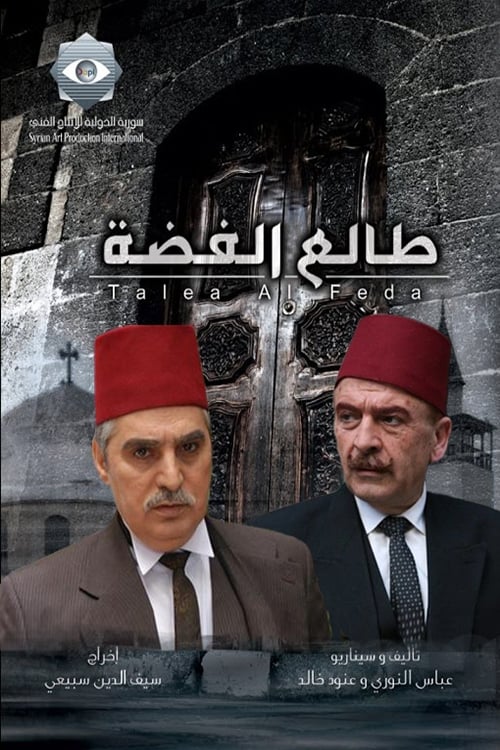
A story that examines the unique social fabric of the city of Damascus through the neighborhood of Talea Al Feda, where Muslims live alongside Christians and Jews, coexisting in tolerance and peace.
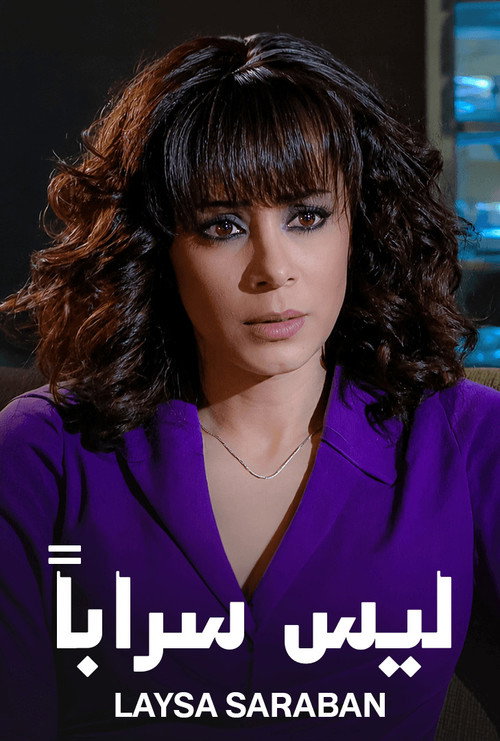
A romantic drama about a girl who has kept her love for someone a secret for more than ten years and then decides to tell him in her own way, but what happens next?
Alaa Al-Din Zeibak, a man from a well-off family, has Down syndrome, and he crosses paths with Badr, a man of a humble origin, who has autism spectrum disorder. As they interact, several situations ensue, shedding light on the lives and struggles of the differently-abled people.
The story of a girl who grows up with a reckless father and loses her mother who dies of cancer but she goes on with her life trying to find the happiness she always longed for.
The events of the series take place in the period from 1939 to 1945, the period of the Syrian struggle against the French occupation, by reviewing the current events in that period and shedding light on several characters and their social and political relationships.
A political drama depicting the life of a detainee who spent 10 years in prison. When he is finally released, his joy is incomplete as he observes the struggles and tragedies of his family, willing to try his hardest to fix whatever can be fixed.
Nabd (2020) is a Syrian drama series that explores interconnected social and emotional stories within a community. The show follows multiple characters whose lives intersect through love, family tensions, and conflicts tied to money and business interests. It highlights social pressures, moral choices, and personal struggles in everyday life. Directed by Ammar Tamim and written by Fahd Mraee, it features a large ensemble cast and reflects contemporary Syrian society through realistic, relationship-driven storytelling.