Paolo Taviani
Directing
Biography
Paolo Taviani (8 November 1931 – 29 February 2024) and Vittorio Taviani (20 September 1929 – 15 April 2018), collectively referred to as the Taviani brothers, were Italian film directors and screenwriters who collaborated on film productions. At the Cannes Film Festival, the Taviani brothers won the Palme d'Or and the FIPRESCI prize for Padre Padrone in 1977 and the Grand Prix du Jury for La notte di San Lorenzo (The Night of the Shooting Stars, 1982). In 2012 they won the Golden Bear at the Berlin International Film Festival with Caesar Must Die. Vittorio Taviani died on 15 April 2018 at the age of 88. Both born in San Miniato, Tuscany, Italy, the Taviani brothers began their careers as journalists. In 1960 they came to the world of cinema, directing with Joris Ivens the documentary L'Italia non è un paese povero (Italy is not a poor country). They went on to direct two films with Valentino Orsini, Un uomo da bruciare (A Man to Burn) (1962) and I fuorilegge del matrimonio (Outlaws of Marriage) (1963). Their first autonomous film was I sovversivi (The Subversives, 1967), with which they anticipated the events of 1968. With actor Gian Maria Volonté they gained attention with Sotto il segno dello scorpione (Under the Sign of Scorpio, (1969) where one can see the echoes of Brecht, Pasolini, and Godard. In 1971, they co-signed the media campaign against Milan's police commissioner Luigi Calabresi, published in the magazine L'espresso. The revolutionary theme is present both in San Michele aveva un gallo (1971), an adaptation of Tolstoy's novel The Divine and the Human, a film greatly appreciated by critics, and in the film Allonsanfan (1974), in which Marcello Mastroianni has a role as an ex-revolutionary who has served a long term in prison and now views his idealistic youth in a much more realistic light, and nevertheless gets entangled in a new attempt in which he no longer believes. Their next film Padre Padrone (1977) (Palme d'Or at the Cannes Film Festival), taken from a novel by Gavino Ledda, speaks of the struggle of a Sardinian shepherd against the cruel rules of his patriarchal society. In Il prato (1979) there are nonrealistic echoes, while La notte di San Lorenzo (The Night of the Shooting Stars, 1982) narrates, in a fairy-tale tone, a marginal event in the days before the end of World War II, in Tuscany, as seen through the eyes of some village people. The film was awarded the Special Jury Award in Cannes. Kaos (1984)—another literary adaptation—is a poignantly beautiful and poetical film in episodes, taken from Luigi Pirandello's Short Stories for a year. In Il sole anche di notte (1990) the Taviani brothers transposed in 18th century Naples the story from Tolstoy's Father Sergius. From then onwards, the Tavianis' inspiration proved faltering. Successes like Le affinità elettive, (1996, from Goethe) and an attempt to woo the international audiences like Good morning Babilonia, (1987), on the pioneers of cinema history, alternate with lesser films like Fiorile (1993) and Tu ridi (1996), inspired by the characters and short stories of Pirandello. ... Source: Article "Paolo and Vittorio Taviani" from Wikipedia in English, licensed under CC-BY-SA 3.0.

Known For

Marcello Mastroianni, Isabelle Adjani, Alain Delon, Martin Scorsese, Woody Allen... the biggest stars in cinema were welcomed by Christian Defaye on his show Spécial cinéma. Between intimate confessions from actors and immersion in the world of the greatest filmmakers, Christian Defaye took viewers on a journey into the fascinating world of cinema for nearly thirty years.
Spécial cinéma

A talk show presented by Michel Drucker
Les Rendez-vous du dimanche

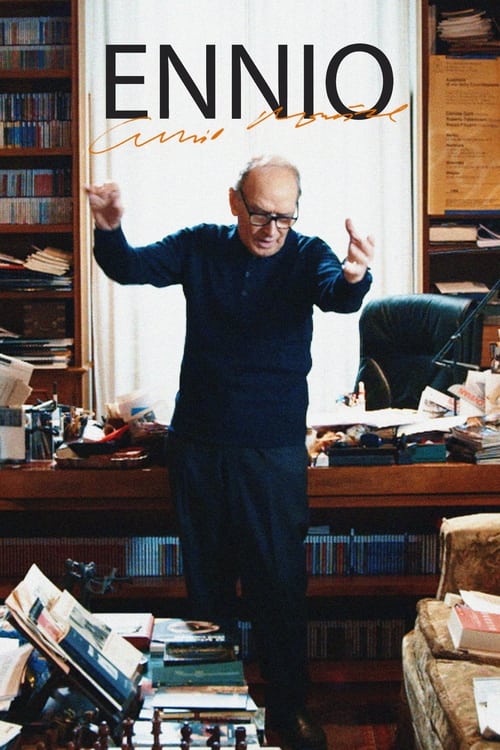
A portrait of Ennio Morricone, the most popular and prolific film composer of the 20th century, the one most loved by the international public, a two-time Oscar winner and the author of over five hundred unforgettable scores.
Ennio

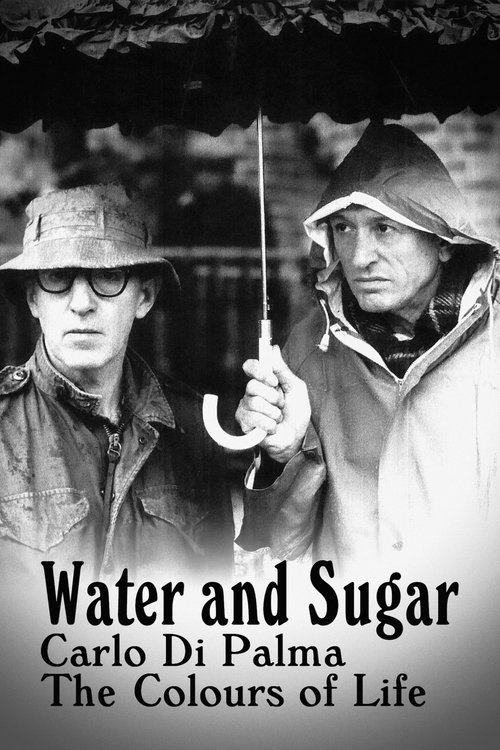
An account of the life and work of legendary cinematographer and director Carlo Di Palma (1925-2004) and an emotional journey through the great moments of cinema, from Italian neorealism to the masterpieces of Woody Allen.
Water and Sugar – Carlo Di Palma: The Colours of Life

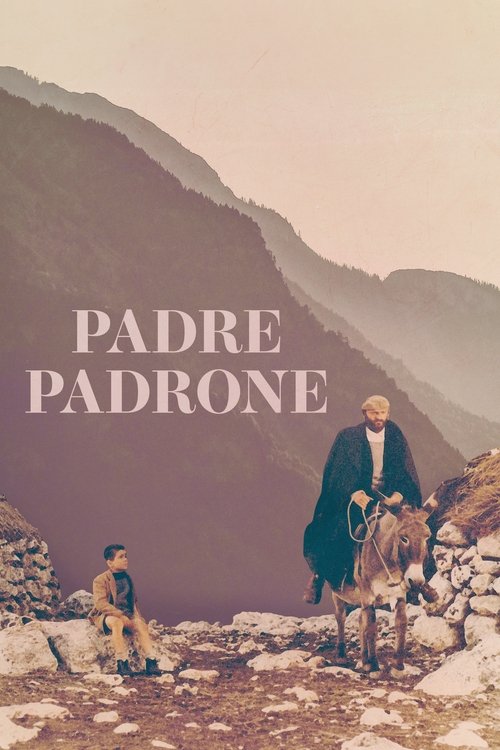
The true story of the life of Gavino Ledda, the son of a Sardinian shepherd, and how he managed to escape his harsh, almost barbaric existence by slowly educating himself, despite violent opposition from his brutal father.
Padre Padrone

Two segments: In the first one Felice, a baritone who has had to give up his career because of a heart condition and now works as an accountant at the Opera, inexplicably spends his nights laughing in his sleep. When his best friend, a cripple, takes his life and his wife abandons him Felice decides to die himself. In the second segment two kidnappings in Sicily, the second of which took place a century before the present one, are compared.
You Laugh

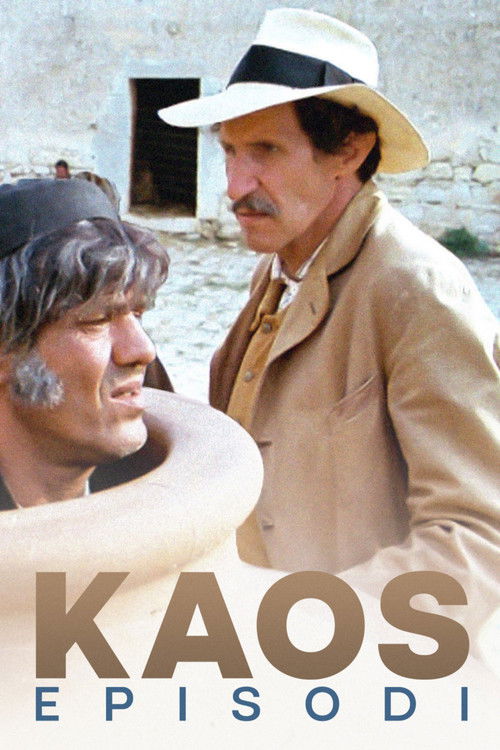
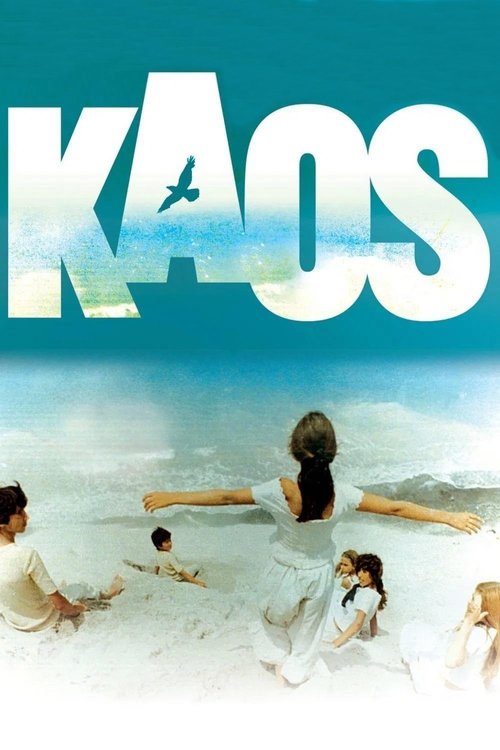
Five stories center on a werewolf, a feudal landlord, peasants, a ghost, and a mother and her sons.
Kaos

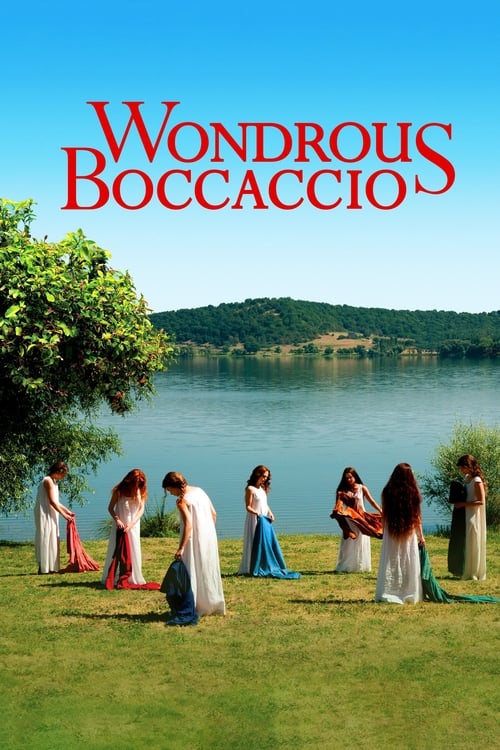
It's 1348. The plague has brutally hit Florence. A group of then young people, seven women and three men, rebel against the feeling of death that is about to swallow them. They flee the city and find refuge in an abandoned villa in the Tuscan hills. Here, between moral doubts and the tasks needed to survive, they kill time by telling each other stories until they will decide to return. The stories are varied - tragic, bizarre, funny or erotic - but common and central to all of them is the female presence.
Wondrous Boccaccio

This film is very much a docudrama which portrays the difficulties of Italian life circa 1963 due to the absence of a divorce law. Five scenarios with different actors portray realistic situations where divorce is clearly warranted but, because marriage was strictly in the purview of the Catholic Church at that time, which strictly forbade divorce, these people are shown to suffer the consequences in their daily lives. Italy got its first civilian divorce law in 1970.
Outlaws of Love

After the 1815 Restoration, an aging revolutionary finds himself reluctantly involved in an attempted insurrection in Southern Italy while growing increasingly disillusioned with his cause.
Allonsanfan

Inmates at a prison in Rome rehearse for a performance of Shakespeare's Julius Caesar.
Caesar Must Die

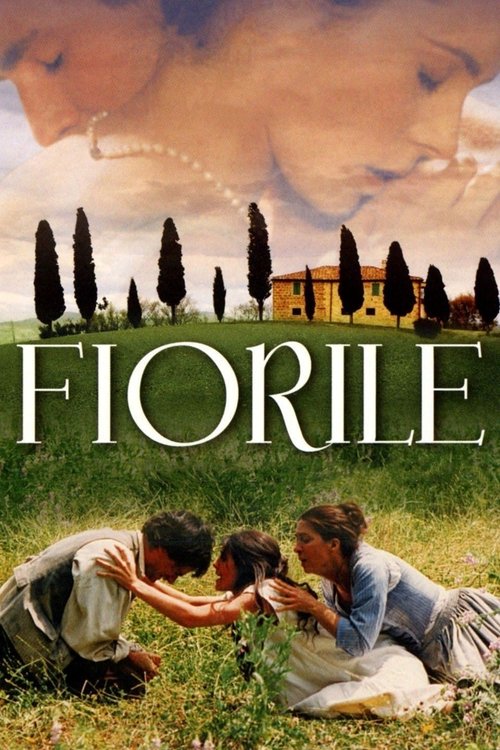
The Benedetti family's wealth comes from gold stolen from the French army during the 18th century. When Jean (Michael Vartan), the lieutenant guarding the coins -- and lover of Elisabette Benedetti (Galatea Ranzi) -- is executed for a crime he did not commit, Elisabette curses the family. Bad luck travels from generation to generation. As the latest Benedettis tell their children about their eccentric grandfather, the children worry that the family curse will be passed on.
Fiorile

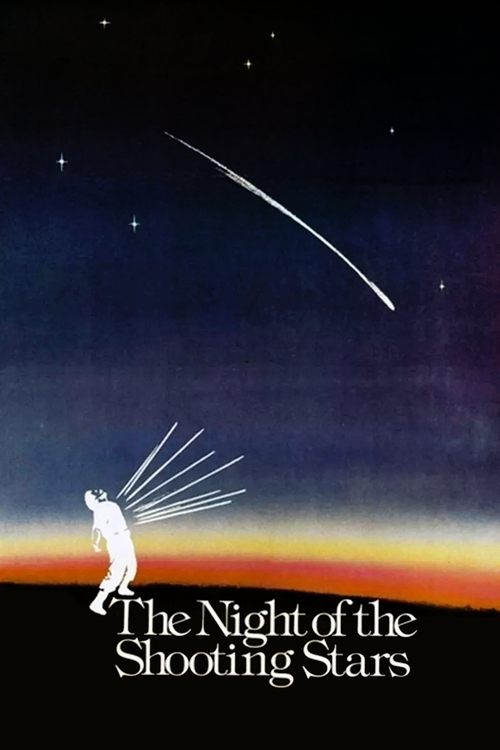
The Night of San Lorenzo, the night of the shooting stars, is the night when dreams come true in Italian folklore. In 1944, a group of Italians flee their town after hearing rumours that the Nazis plan to blow it up and that the Americans are about to arrive to liberate them.
The Night of the Shooting Stars

After the bankruptcy of their father's stonemasonry firm, brothers Nicola and Andrea emigrate to America to restore their fortunes. After many adventures and near-disasters, they end up in Hollywood, designing sets for D.W. Griffith, and marry beautiful actresses. However, tragedy strikes with the arrival of World War I, which finds the brothers fighting on opposite sides...
Good Morning, Babylon

Romantic entanglements develop between three young Italians frustrated by their current economic and social status.
The Meadow
No description available.
The Spring of 2002 - Italy Protests, Italy Stops

A tale of the three funerals for the ashes of Italian writer Luigi Pirandello intertwined with a murder committed by a young Sicilian immigrant boy in 1930s Brooklyn for what is described as a surreal, grotesque, complex narrative.
Leonora addio

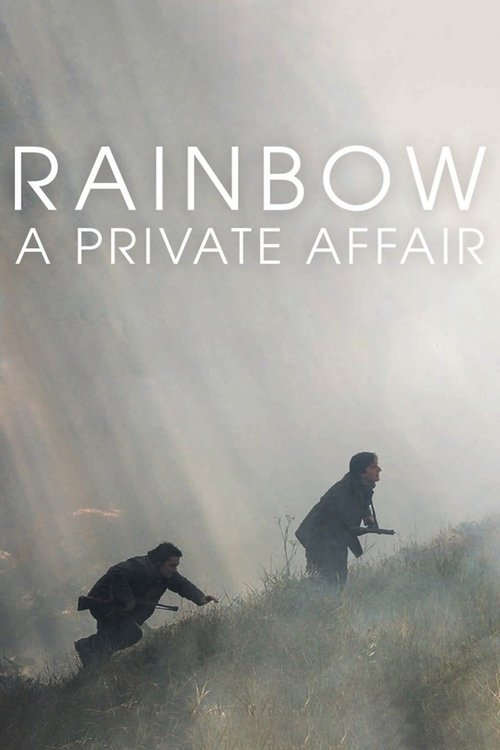
Summer 1943, Piedmont, Italy. Milton loves Fulvia who plays with his love: she only likes the depth of his thought and the letters he writes to her. One year later, Milton has joined the Resistance and fights beside other partisans. He learns during a conversation that Fulvia was secretly in love with his best friend Giorgio, a partisan like him. Milton decides to go find Giorgio in the Langhe region of Italy with all its misty hills...But Giorgio has just been arrested by the Fascists.
Rainbow: A Private Affair

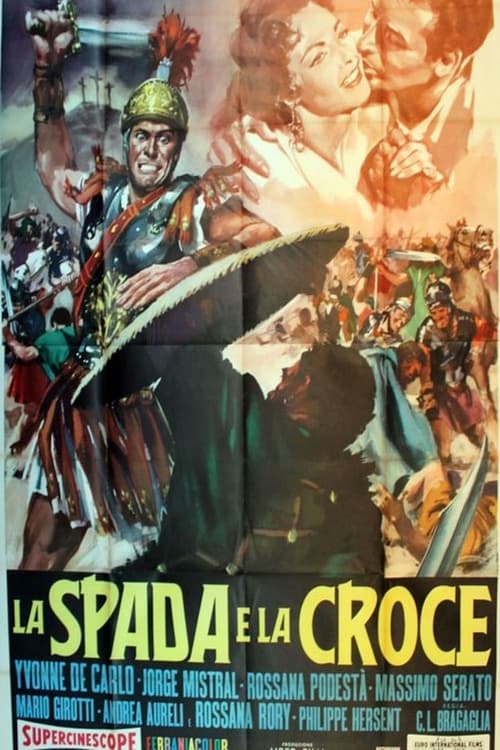
Mary Magdalene, a notorious harlot, must choose between her lascivious lifestyle and the love and affection of her decent-minded brother.
The Sword and the Cross

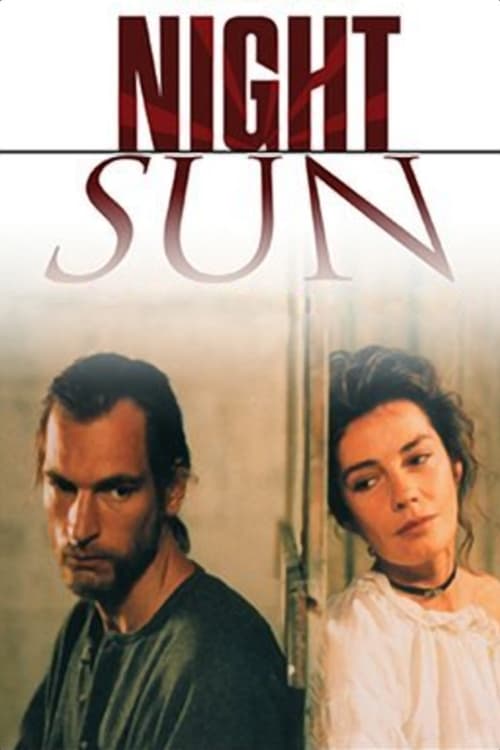
Sentenced to life imprisonment for illegal activities, Italian International member Giulio Manieri holds on to his political ideals while struggling against madness in the loneliness of his prison cell.