Production
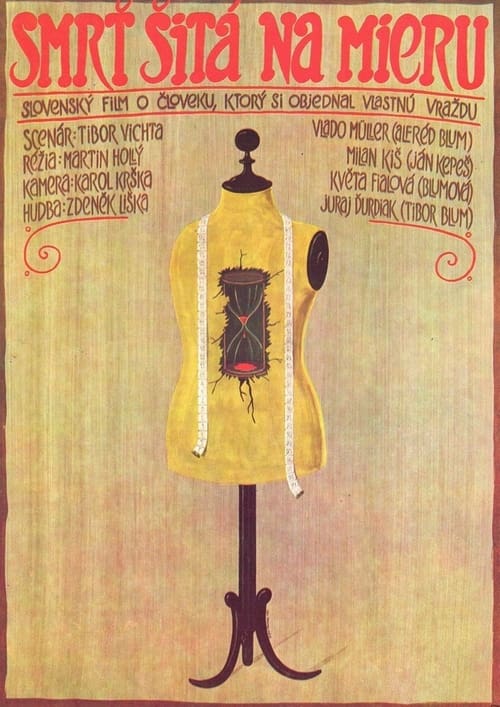
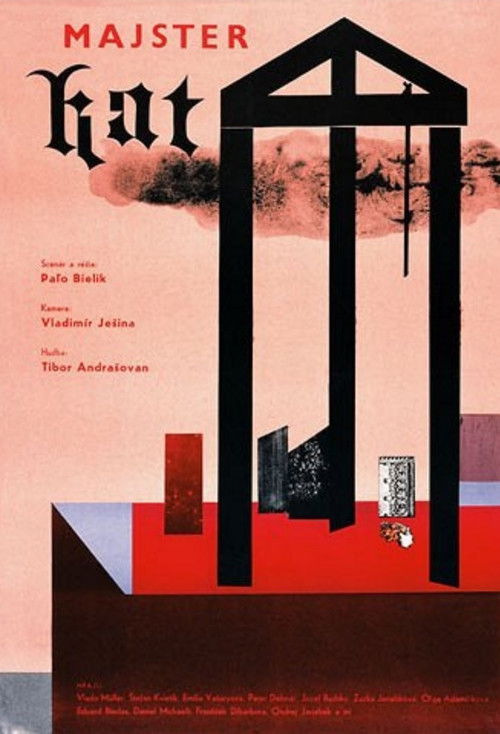
Bratislava, 1930s. The owner of a luxury tailoring salon, Alfréd Blum, has always relied on a classy clientele, thanks to which he rose to the top of society. But times change, the world is in an economic crisis, and Blum discovers that in reality he only has debts. He has completely lost his assets in shares, and his clients have to deny themselves luxury goods. The only hope to save his family from poverty is Blum's life insurance policy for 300,000 crowns. Therefore, the businessman turns to his old acquaintance, unemployed tailor Ján Kepeš, with an unusual offer. He gives him five thousand crowns and arranges a job for him in a Viennese salon. The condition is that Kepeš kills Blum...
Historical reconstruction of the events of the anti-fascist struggle in Slovakia in 1943 and 1944.
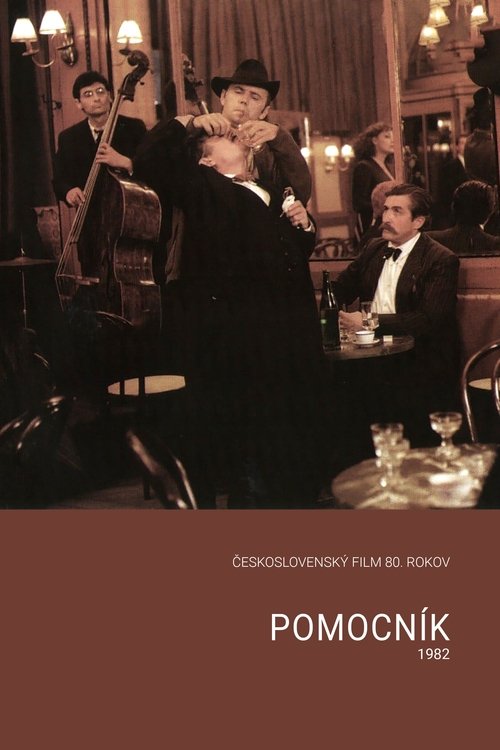
A story of a family that after WWII moved to the south of Slovakia and acquired a prosperous butcher business left behind by a Hungarian emigrant. From the previous owner, the family also inherited a self-assured, greedy assistant who does not like to observe any firm moral principles. He assists the family in gaining wealth but in the long run, he causes the family's moral dissolution. In his most successful feature film, director Zoro Záhon combined a complex drama with excellent acting performances, especially that of Hungarian actor Gábor Koncz in the lead role.
Juraj, a Slovak artist living in Prague, takes stock in his life, realizing that his days pass without purpose. He lives a carefree life. But now he has to choose between two women, between the city and the country, and between creative work and craftsmanship. He has a passion for art but he also has to make a living. Through his relationships with close people, he grows aware of his position and this knowledge helps him to live a more fulfilling and better life.
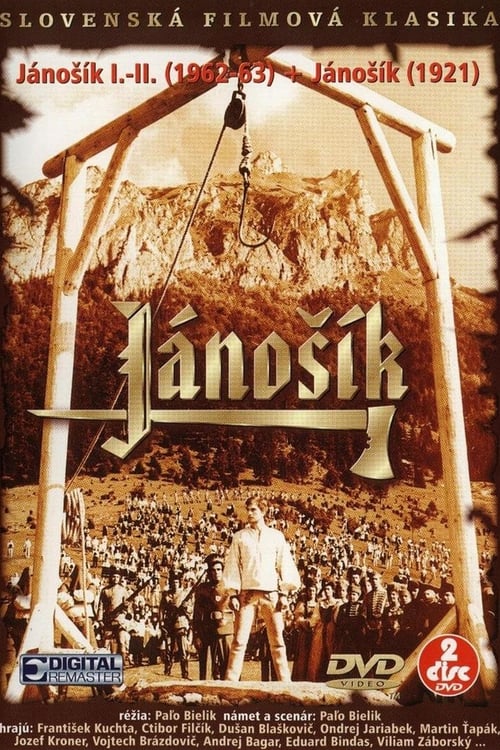
This film is one of the most popular pictures of Slovak cinema and relates the story about the legendary folk hero and brigand Juro Jánošík [1688-1713] and the social situation in Slovakia of the late 17th and early 18th centuries. The first part talks about Jánošík's childhood, studies and return to his native village. In the second part Jánošík leaves for the hills, where he organizes his band of brigands and starts an anti-feudal resistance. The film concludes with Jánošík's execution.
A family saga taking place mostly in a small Slovak village over a period of thirty years (1887–1917). The first part captures the life of Martin Pichandu in the development of his craft, masonry; in the second part, his son is center stage living in a period of socio-political crisis, which ultimately results in the first World War. After originally airing on Czechoslovakian television in 1983 as a four-part 226-minute mini-series, this production received a 163-minute theatrical release in 1984.
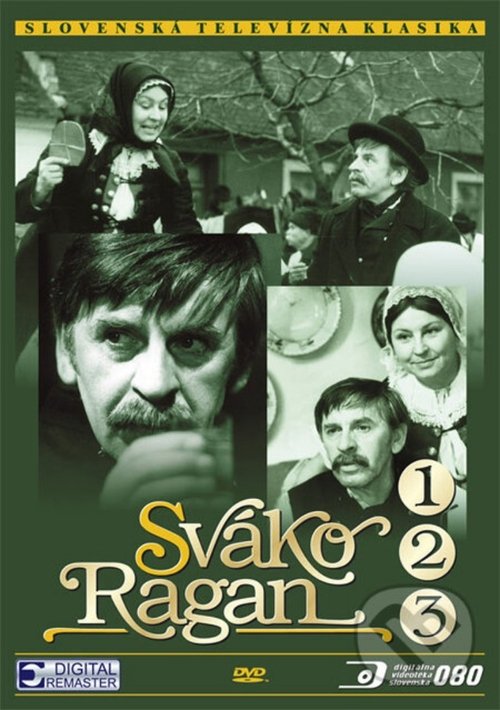
Resourceful tanner Sváko Ragan travels Myjava’s fairs and markets, using wit and dialect to spin both wins and misadventures into profit.
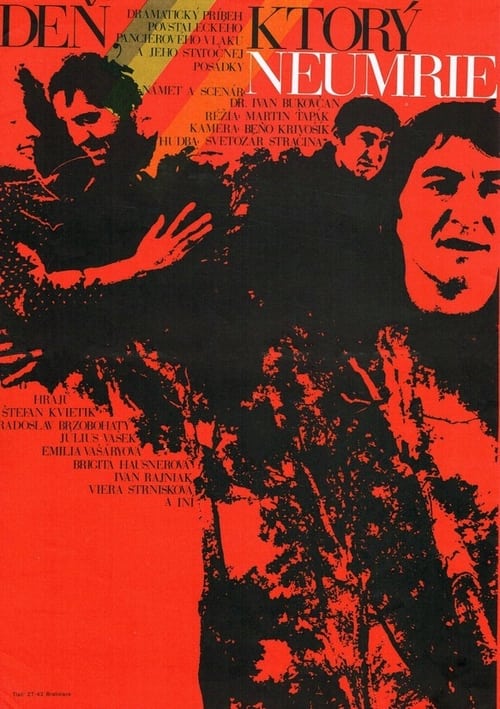
In the story of a partisan armored train crew operating in the rebel territory of Slovakia, the inner drama of Matúš Siroň, who hates war with a passion, unfolds. After managing to escape from the Eastern Front, he falls into German captivity. When he is liberated by partisans during a train transport, he initially refuses to fight. However, the circumstances of the Slovak National Uprising force him to change his mind...
Traveling salesman in a small town before WW2 makes a solemn promise to kill himself. Later he finds that the local people took him very seriously.
Slovak partisans, bravely fighting against Nazi superiority, would never have succeeded to such an extent if they had not been supported by the villagers. Despite the threat of repression, it is the villagers who care for the wounded, hide them, and behave conscientiously. Although the film was made in the late 1960s, it fully adopts the patterns of partisan stories, perhaps the only thing it can be credited with is a more developed sense of authenticity in the story, characters, and setting.
Young Dasha lives in a small town. Her father is a prominent man, the owner of a restaurant. However, when her father's connections are not enough to get Dasha accepted to college, she has to spend the summer working part-time in her father's business. Love, friends, even running away from home, all belong to this period of Dasha's life. The failed wedding arranged by her parents, the patronizing imposition of university studies at a price that the girl fears - all this brings on the one hand a deep disappointment in her own parents, but over time also the recognition of her own mistakes.
No description available.
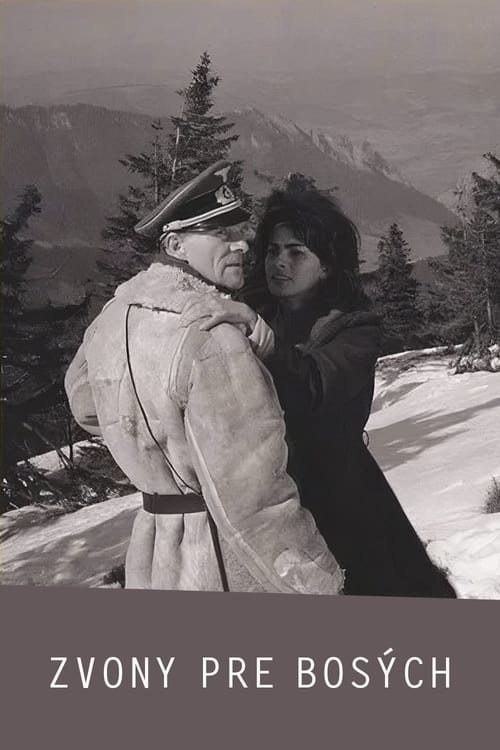
A dramatic story from the end of WW II and a remarkable contemplation of the value of true friendship, meaning and purpose oflife or the possibility to be humane even in inhuma ne conditions. In a frosty mountain setting a cruel struggle for life takes place. After a fight, two partisans return to their brigade carrying along a young German soldier as a captive. But suddenly, amidst the hopelessness of barren mountains. all protagonists find themselves in a liminal existential situation.
A dramatic story about two friends - fisherman Richardus and municipal executioner Emil Targo takes place at the river Danube, in places that used to be targets of Ottoman raids. But their attraction to the same woman and Emil’s betrayal change their indissoluble friendship to an equally strong hatred. And as it usually goes - after twenty years by a trick of fate Richardus’ daughter Agajka becomes the wife ofthe sun of his sworn enemy.
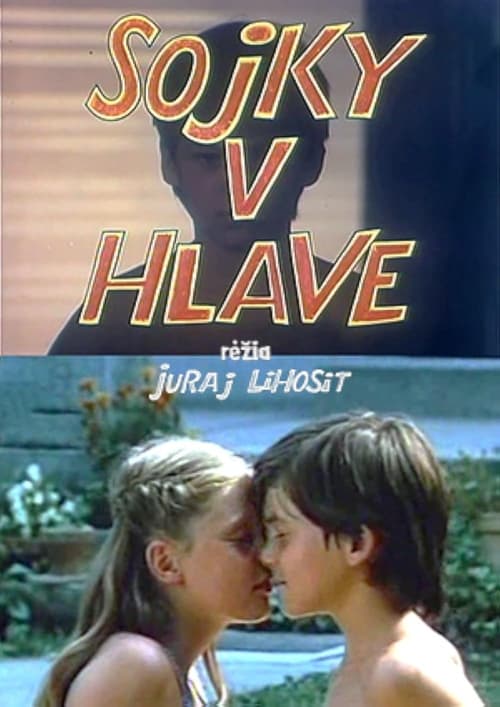
A story of a small-town boy growing up in love and despair and family troubles that make him take on a critical attitude towards his surroundings. Mato does not fulfill his father's wish for devoting his free time to playing soccer. Mato enjoys fishing with his friend Robo much more. He dreams of his schoolmate Terka and of an adventurous run-away from home.
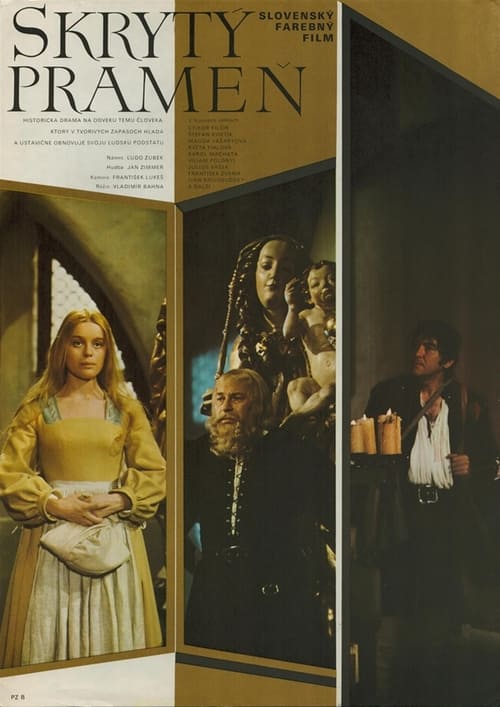
Levoča, first half of the 16th century. Master Paul creates his most famous work - a late Gothic altar in the Church of St. James. He has just recruited the carving companion Kristof into his service.
A woman prisoner is harshly incarcerated and suddenly released.