Directing
No description available.
A short film by Rosa Foschi
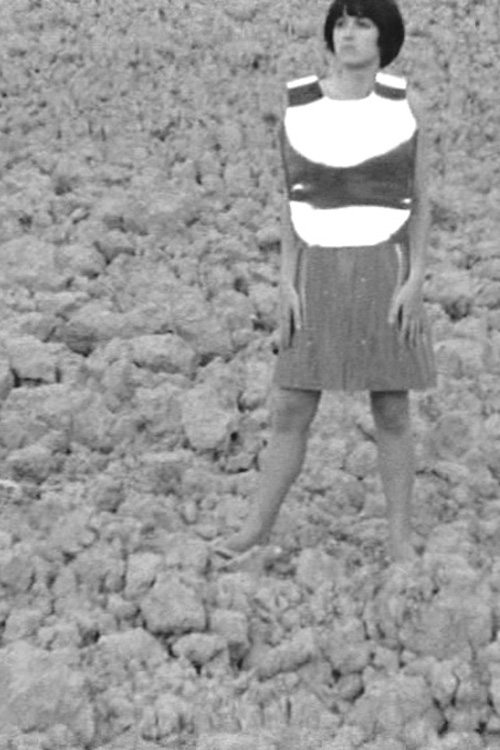
The documentary, black and white, has "space" as theme, both as an abstract category and as a scope and "scene" of human relations.
Luca Maria Patella composed a series of performative actions by his wife/collaborator Rosa Foschi and playwright Claudio Meldolesi in a sparse landscape. Bodies, objects and natural features are shown from different perspectives and angles, proposing a sort of visual harmony within the silent film. Through geometry, texture, movement and stasis, Patella animates, creating a sense of communion with nature on a similar wavelength to Ana Mendieta’s actions, and with a stark difference to the comparative coldness and objectivity that the work of land artists of the contemporary era would reflect.
An “ironic visual reportage” of four artist projects at the L’Attico gallery in Rome, 1968. Patella infuses the work of the artists from the arte povera movement with touches of surrealism, as tinted monochromatic footage of these exhibitions/actions lends them a silent film aesthetic. The title refers to the last names of the main players: gallery owner Fabio Sargentini and artists Jannis Kounellis, Eliseo Mattiacci, Pino Pascali and Luca Maria Patella himself. Kounellis is shown using the gallery as a studio, dying bits of cloth among live animals; Mattiacci engages passerby in a happening on the city streets; Patella and Rosa Foschi are shown in a similar scenario to Terra Animata, with a flag performance in a landscape; and Pascali executes a bizarre ritual on the beach, covered to his neck in sand and later planting whole loaves of bread.
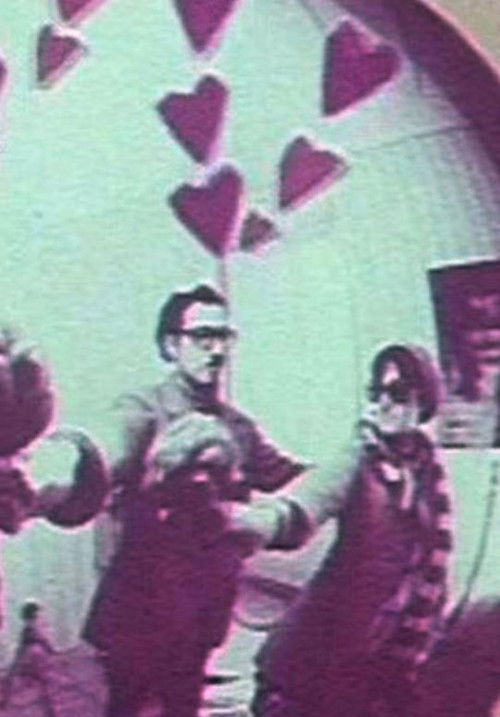
This film – a liberal adaptation of Federico Garcia Lorca’s play The Love of Don Perlimplín and Belisa in the Garden – narrates the difficult love story between a Spanish noble and his young bride, who is attracted to a mysterious man.
Defined as an ‘animated medley’ by its maker, the film is an animated photographic tribute to cinema through a gallery of stars from the silent era onward, alternating with more or less disorienting images of various origins. Through the widest range of techniques, recombined according to an associative logic that could evoke the cinema of the dada avant-garde, but also fashion magazines from the past, Amour du Cinéma is undoubtedly a singular film with pop overtones. —Tate Modern