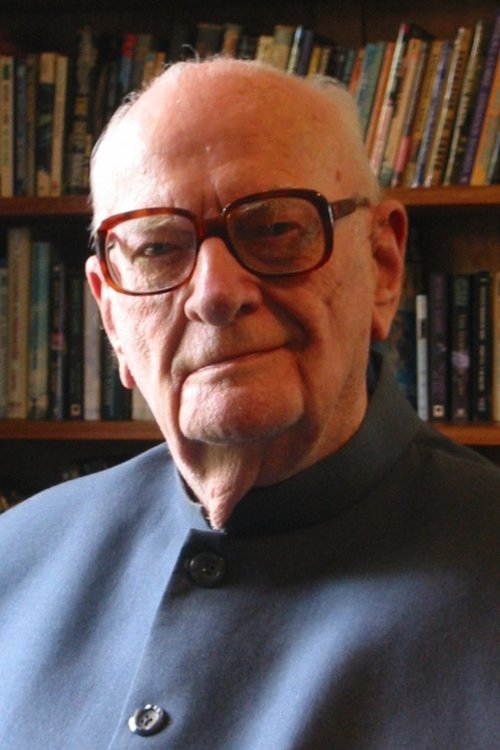
Arthur C. Clarke
Writing
Biography
Sir Arthur Charles Clarke CBE FRAS (16 December 1917 – 19 March 2008) was an English science-fiction writer, science writer, futurist, inventor, undersea explorer, and television series host. He co-wrote the screenplay for the 1968 film 2001: A Space Odyssey, one of the most influential films of all time. Clarke was a science fiction writer, an avid populariser of space travel, and a futurist of a distinguished ability. He wrote many books and many essays for popular magazines. In 1961, he received the Kalinga Prize, a UNESCO award for popularising science. Clarke's science and science-fiction writings earned him the moniker "Prophet of the Space Age". His science-fiction writings in particular earned him a number of Hugo and Nebula awards, which along with a large readership, made him one of the towering figures of the genre. For many years Clarke, Robert Heinlein, and Isaac Asimov were known as the "Big Three" of science fiction. Clarke was a lifelong proponent of space travel. In 1934, while still a teenager, he joined the British Interplanetary Society. In 1945, he proposed a satellite communication system using geostationary orbits. He was the chairman of the British Interplanetary Society from 1946–1947 and again in 1951–1953. Clarke emigrated to Ceylon (now Sri Lanka) in 1956, to pursue his interest in scuba diving. That year, he discovered the underwater ruins of the ancient Koneswaram Temple in Trincomalee. Clarke augmented his popularity in the 1980s, as the host of television shows such as Arthur C. Clarke's Mysterious World. He lived in Sri Lanka until his death. Clarke was appointed Commander of the Order of the British Empire (CBE) in 1989 "for services to British cultural interests in Sri Lanka". He was knighted in 1998 and was awarded Sri Lanka's highest civil honour, Sri Lankabhimanya, in 2005.
Known For
Horizon tells amazing science stories, unravels mysteries and reveals worlds you've never seen before.
Horizon

Chat show hosted by Terry Wogan, featuring live studio interviews with famous and notable personalities.
Wogan
The Dick Cavett Show has been the title of several talk shows hosted by Dick Cavett on various television networks.
The Dick Cavett Show
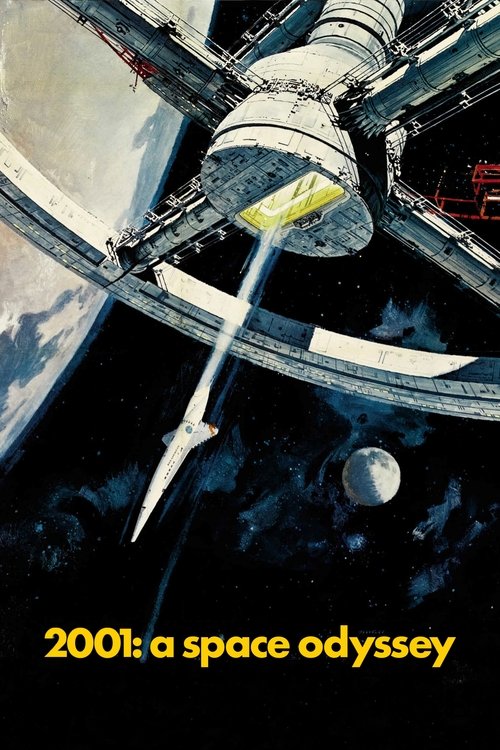
Humanity finds a mysterious object buried beneath the lunar surface and sets off to find its origins with the help of HAL 9000, the world's most advanced super computer.
2001: A Space Odyssey
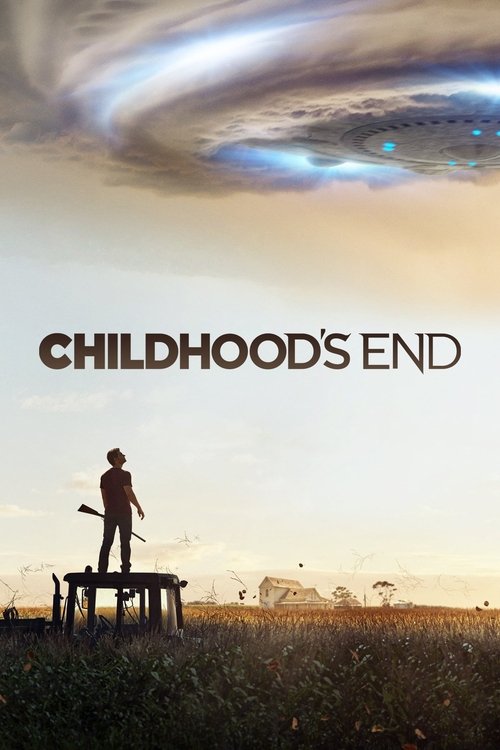
The peaceful alien invasion of Earth by the mysterious “Overlords,” whose arrival begins decades of apparent utopia under indirect alien rule, at the cost of human identity and culture.
Childhood's End
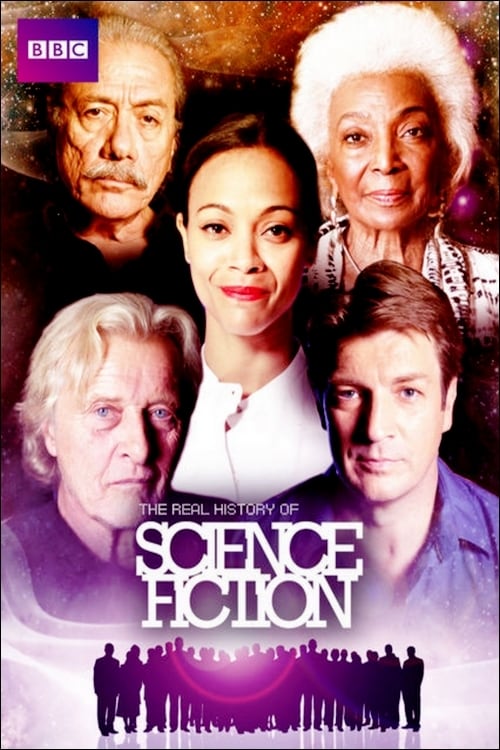
The series heads to the very frontiers of space and science to produce the definitive television history of science fiction, told through its impact on cinema, television and literature, with the help of filmmakers, writers, actors, and graphic artists. Each episode will explore one of the enduring themes of science fiction: time travel; the exploration of space; robots and artificial intelligence; and aliens.
The Real History of Science Fiction
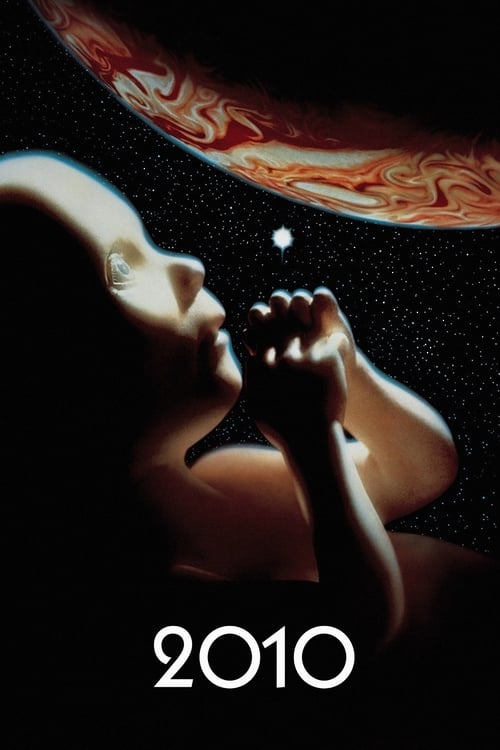
While planet Earth poises on the brink of nuclear self-destruction, a team of Russian and American scientists aboard the Leonov hurtles to a rendezvous with the still-orbiting Discovery spacecraft and its sole known survivor, the homicidal computer HAL.
2010
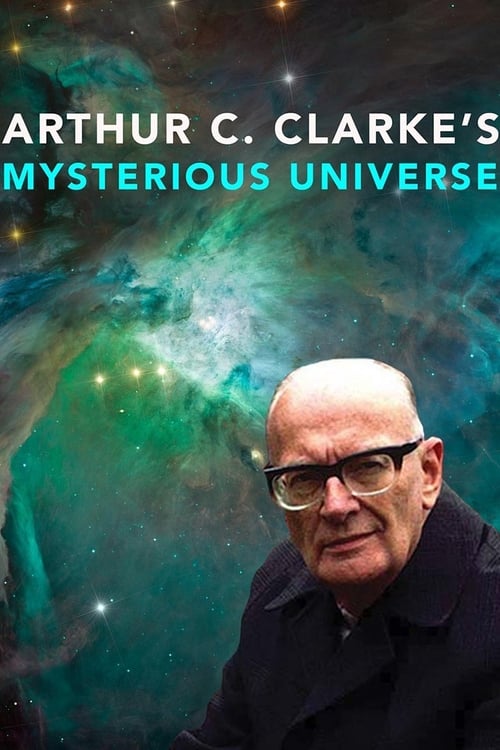
Arthur C. Clarke's Mysterious Universe was a popular eighteen part television series looking at unexplained phenomena across the universe. It was first broadcast in the United Kingdom by independent television network ITV. It premiered on July 15, 1994. It was the sequel to Arthur C. Clarke's Mysterious World and Arthur C. Clarke's World of Strange Powers. The series is introduced by acclaimed science fiction writer Arthur C. Clarke in short sequences filmed at his home in Sri Lanka. However, individual episodes are narrated by Carol Vorderman. The series was produced by John Fairley and directed by Peter Jones, Michael Weigall and Charles Flynn.
Arthur C. Clarke's Mysterious Universe
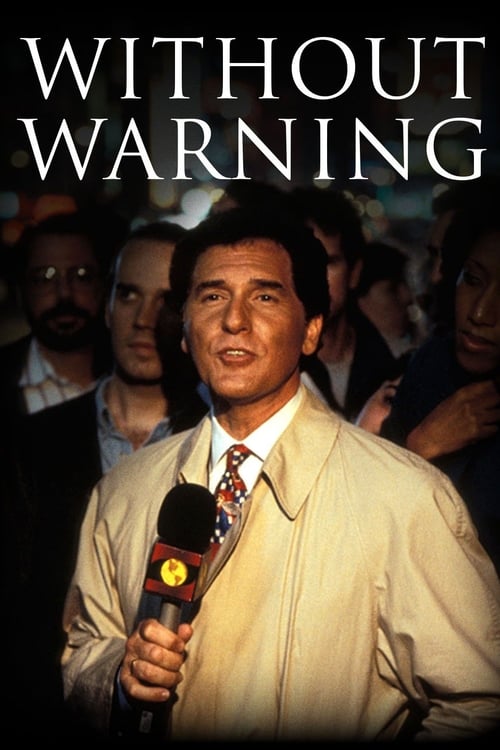
A television program is interupted by a news network announcing that three meteors have hit the United States, France and China. At first it seems natural but after interviews by scientists and eyewitness seems to suggest that it is not. Three more meteors are coming and the various Earth governments combine forces to stop them.
Without Warning
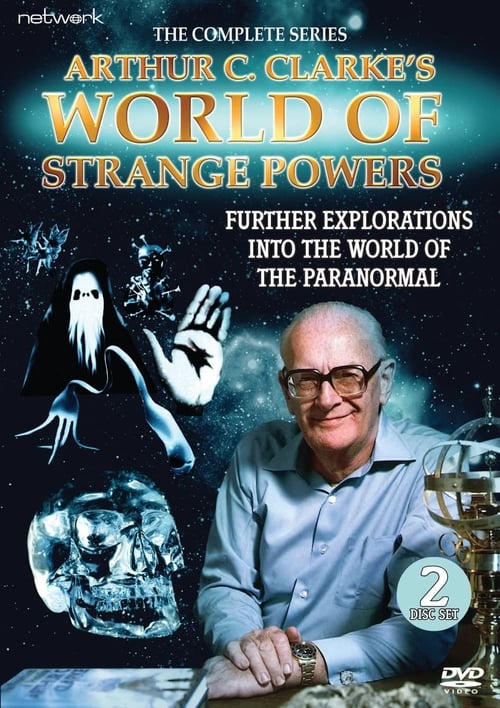
Arthur C. Clarke's World of Strange Powers is a popular thirteen-part British television series looking at strange worlds of the paranormal. It was produced by Yorkshire Television for the ITV network and first broadcast in 1985. It was the sequel to the 1980 series Arthur C. Clarke's Mysterious World. The series is introduced by science fiction writer Arthur C. Clarke in short sequences filmed at his home in Sri Lanka. Individual episodes are narrated by Anna Ford. The series was produced by John Fairley and directed by Peter Jones, Michael Weigall and Charles Flynn. It was followed by Arthur C. Clarke's Mysterious Universe, broadcast in 1994.
Arthur C. Clarke's World of Strange Powers
Documentary series exploring the science behind the science fiction of the award-winning writer Liu Cixin, author of "The Three-Body Problem".
Rendezvous with the Future
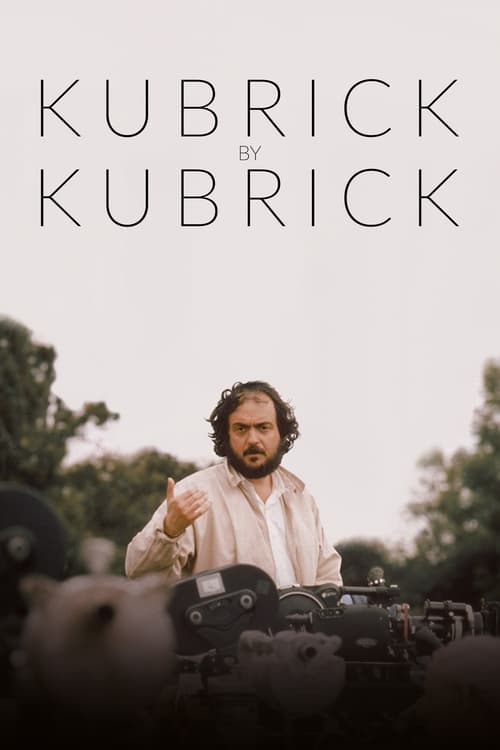
American filmmaker Stanley Kubrick (1928–1999), one of the greatest in history, but also one of the most reserved, gave few interviews throughout his long career, and none of them were filmed. A first-person journey through his life and work, based on a recorded conversation with French film critic Michel Climent.
Kubrick by Kubrick

This promotional short for 2010 (1984) shows moviegoers how some of the film's visual effects were created. This includes makeup for Keir Dullea's character, how the astronauts float in space, and the construction of the spaceship in which the astronauts carry out their mission. The vehicle is so large, the two largest sound stages on the MGM lot were used to construct it.
2010 : The Odyssey Continues
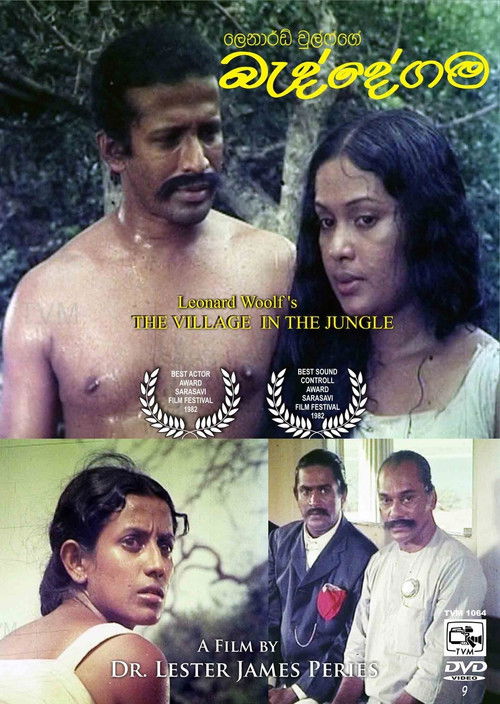
Baddegama or, more correctly, Beddegama is a 1980 award winning Sinhalese language film directed by Lester James Peries that follows the lives of village people in British Colonial Sri Lanka. The film is based on the 1913 book titled as "The Village in the Jungle" by Leonard Woolf. Silindu is a hunter in a small village where he and his family endure a life of hardships. After facing disease and poverty under colonial rule, the final blow comes when Silindu is tried for murder.
Baddegama
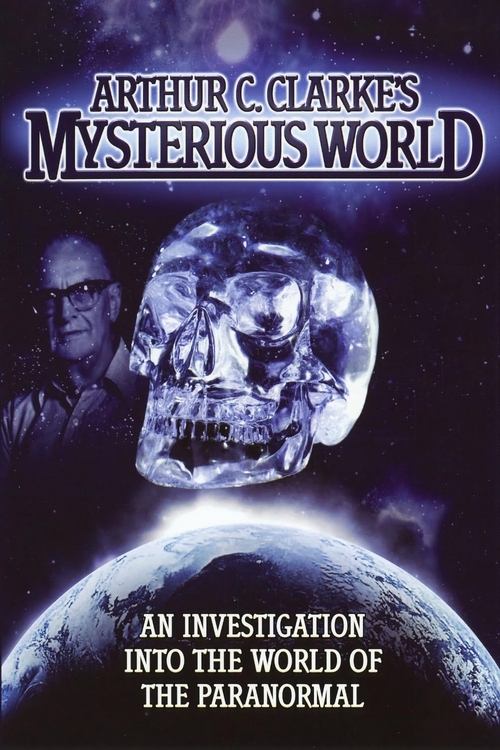
Arthur C. Clarke's Mysterious World is a thirteen part British television series looking at unexplained phenomena from around the world. It was produced by Yorkshire Television for the ITV network and first broadcast in September 1980. Each program is introduced and book-ended by science fiction writer Arthur C. Clarke in short sequences filmed in Sri Lanka. The bulk of the episodes are narrated by Gordon Honeycombe. The series was produced by John Fanshawe, John Fairley and directed by Peter Jones, Michael Weigall and Charles Flynn. It also featured a unique soundtrack composed by British artist Alan Hawkshaw. In 1981, Book Club Associates published a hardcover book with the same name, authored by Fairley and Welfare, where the contents of the show were further explored. It featured an introduction written by Clarke as well as his remarks at the end of each chapter or topic. In 1985, a paperback of this book was released by HarperCollins Publishers. The series was followed by Arthur C. Clarke's World of Strange Powers in 1985 and Arthur C. Clarke's Mysterious Universe in 1994.
Arthur C. Clarke's Mysterious World
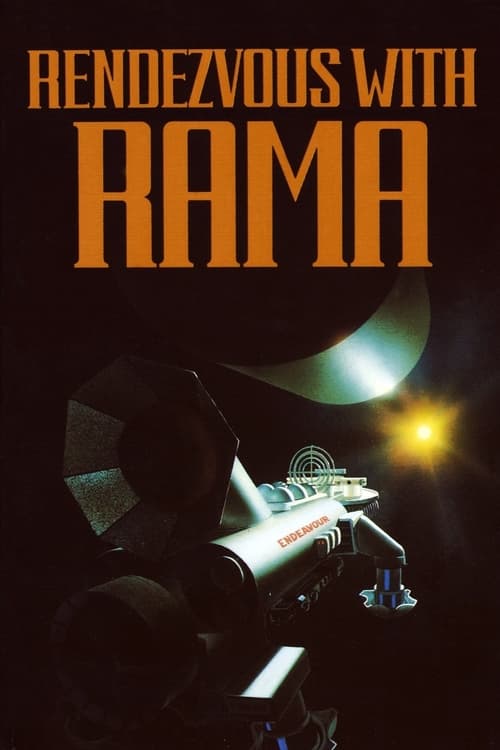
In the 2130s, a team of astronauts is tasked with intercepting a mysterious 50-by-20-kilometre cylindrical alien starship that enters the solar system.
Rendezvous with Rama
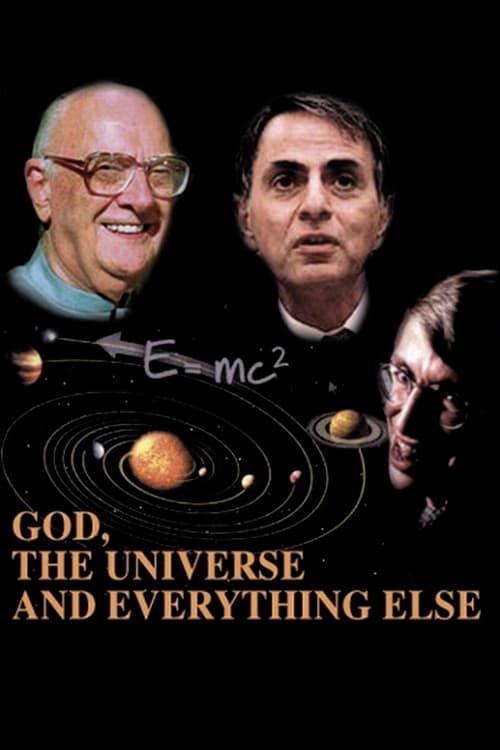
In a studio setting, Stephen Hawking, Arthur C. Clarke and Carl Sagan (who joins them via satellite) discuss the Big Bang theory, God, our existence as well as the possibility of extraterrestrial life.
God, the Universe and Everything Else

The making of Stanley Kubrick's classic space epic, presented by James Cameron, including unseen footage.
2001: The Making of a Myth

This documentary about "2001: A Space Odyssey" looks at some of the things that seemed fanciful in 1968, which don't seem quite as much anymore.
Vision of a Future Passed: The Prophecy of 2001
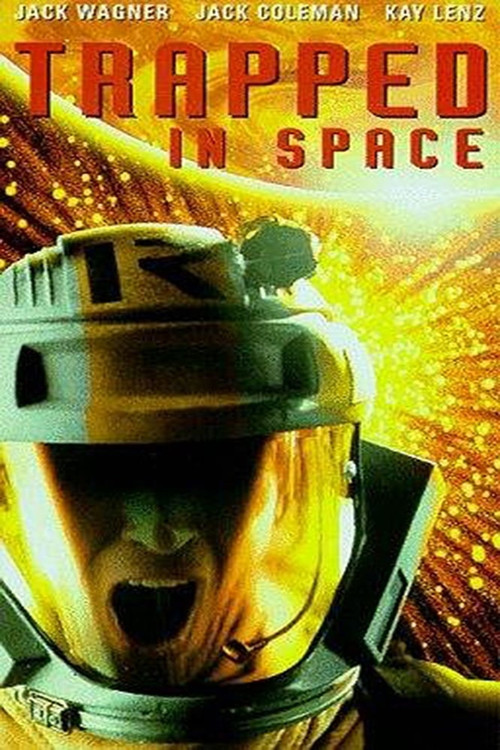
After an accident during a routine trip to Venus, a spaceship has only enough oxygen left for three people... out of five on board.