Directing
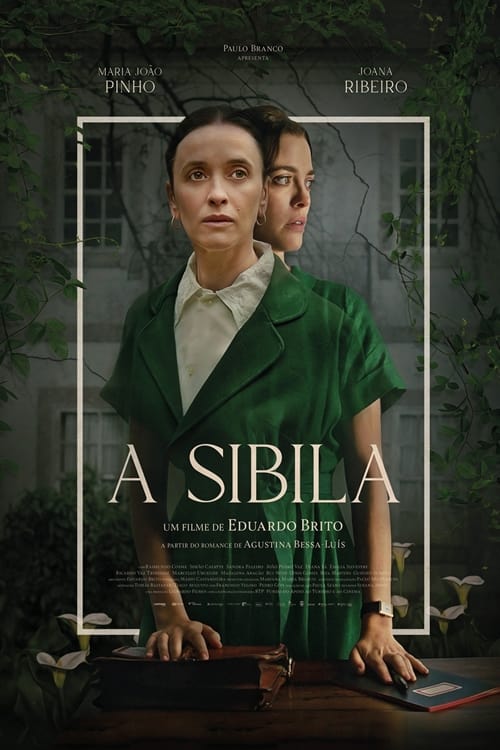
In the mid-20th century, a troubled relationship between Germana, a young writer, and Quina, her aunt who lives in the northern Portuguese countryside. Feelings of jealousy, admiration and the complex magnetism between these two strong women arise.
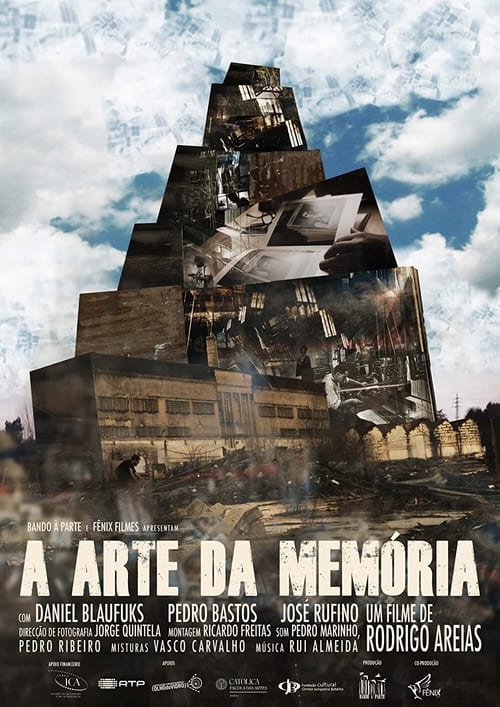
The art of memory is a classic technique that associates images with places through a process of remembrance and meaning. From the memory of places and their context, the documentary delves into the creative process of three contemporary visual artists: Daniel Blaufuks, Pedro Bastos and José Rufino. Despite the different expression approaches of each author, we find points of communication in the way memory operates in their works. By rummaging through the hazards and disorder, we arrive at the director's personal mythology, assuming that memory is a fiction like any film.
The place of memories and the struggle against oblivion can take many forms, something that is transversal to these two films and the work of Daniel Blaufuks. In Judenrein, meaning free of Jews, the director examines amateur footage of the 1980s in a small Polish village, rescued to find answers about his story, in a biographical reflection. In Levantados do Chão, a philharmonic band traverses an abandoned hotel in the Azores, and the emptiness left by the ruins thus refers to a past that is still present and prevalent.
What remains of the 1940s and 1950s collective memory of Mindelo's two cinemas, and the two amateur groups who produced three 8mm films out of their love for cinema.
During the Second World War, Lisbon was a corridor for refugees going from Hitler's occupied territories to America. This film tells two parallel stories about exile and accommodation. Through a narrated memoir and photographs, the tale of a German Jewish family that decided to stay in Portugal is recounted. The larger, more sociological account of the others who used Lisbon's escape route is skillfully told as well, using beautifully shot historic footage and written memoirs by some of the era's leading intellectuals, including Heinrich Mann and Alfred Döblin. This film evokes a desperate, intensely romantic period of exile, despair, and, ultimately, freedom.
In the Summer of 2004, I traveled across Portugal to shoot my project: a road-movie about a country that can be crossed in six hours from north to south and just one hour and a half from east to west. The landscape I passed through was the post-Euro 2004 Portugal, with the provisional government of Santana Lopes about to take office. It is a country that still seems like the idea we all have of "our homeland", but which actually no longer corresponds to reality and is becoming almost unrecognizable, as in a postcard.
A short-film in 35 mm, black > white stages a day in which the main character discovers that she stopped seeing in color. Written as photographer’s film, it was shot on several locations in Lisbon. It is the only purely fiction work by the author.
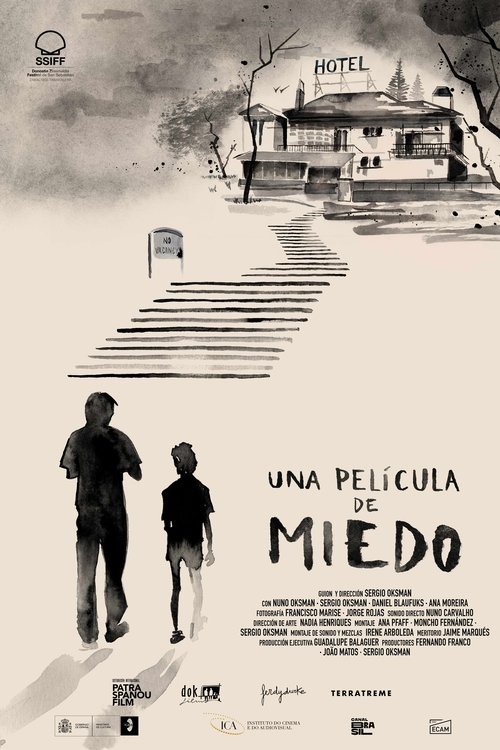
During the summer holidays, a documentary-maker and his 12 year-old son stay at an abandoned hotel in Lisbon: an empty hotel like the one in the film The Shining.
Over film reels discarded in 1940 by cinematographer Eugen Schüfftan, Bruno Ganz narrates the passage of refugees passing through the Portuguese capital.
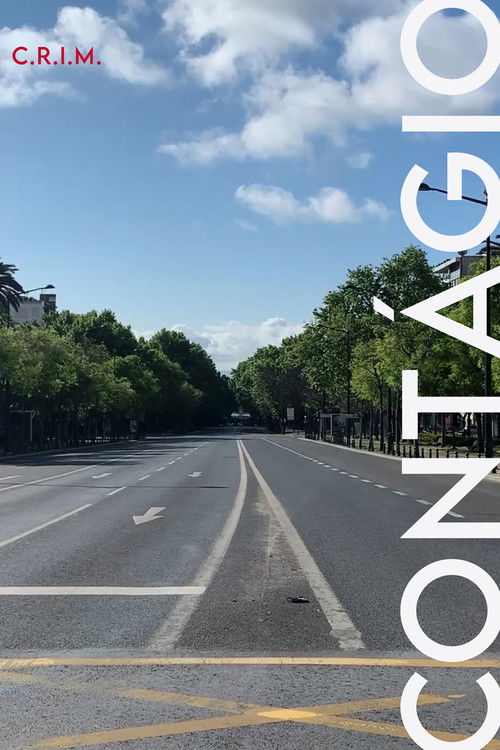
Several Portuguese creators occupy the director's chair in this collective short film shot during the COVID-19 pandemic shutdown in an unfolding of personal perspectives.