Bill T. Jones
Writing
Biography
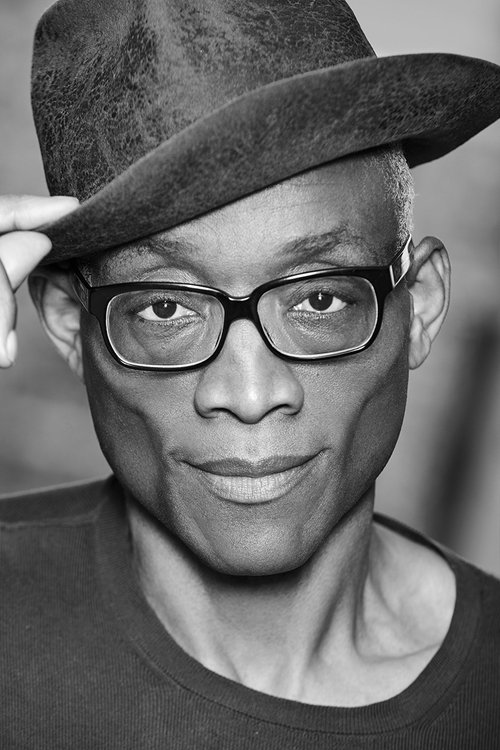
From Wikipedia, the free encyclopedia. Bill T. Jones (born February 15, 1952) is an American artistic director, choreographer and dancer. Description above from the Wikipedia article Bill T. Jones licensed under CC-BY-SA, full list of contributors on Wikipedia.

Known For

American Masters is a PBS television series which produces biographies on enduring writers, musicians, visual and performing artists, dramatists, filmmakers, and others who have left an indelible impression on the cultural landscape of the United States.
American Masters

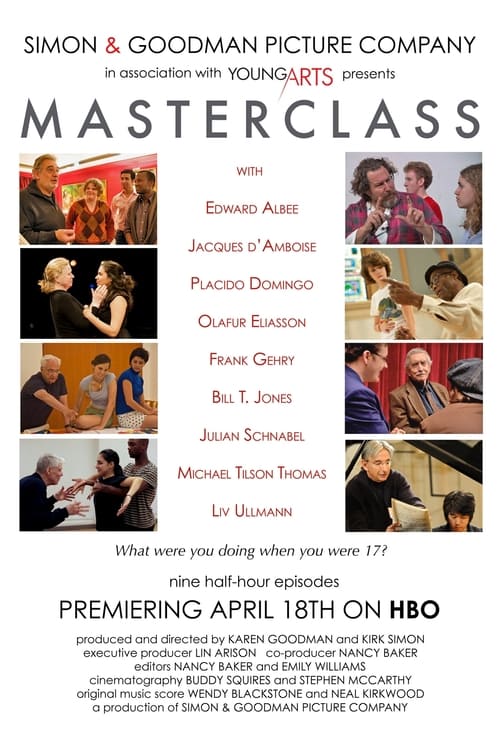
MasterClass is a documentary television series airing on HBO. Each half-hour episode documents the experience of a small group of young artists working with a famous mentor. The series premiered on HBO on April 18, 2010 with opera star Plácido Domingo working with three aspiring young singers. The students in the program are chosen from participants in the Miami-based organization, YoungArts, a program of the National Foundation for Advancement in the Arts, which supports emerging artists. The series is produced and directed by Karen Goodman and Kirk Simon of the Simon & Goodman Picture Company. The Executive Producer is Lin Arison. In July 2011 the series was nominated for a Primetime Emmy Award for Outstanding Children's Nonfiction, Reality or Reality-Competition Program in 2011.
Masterclass

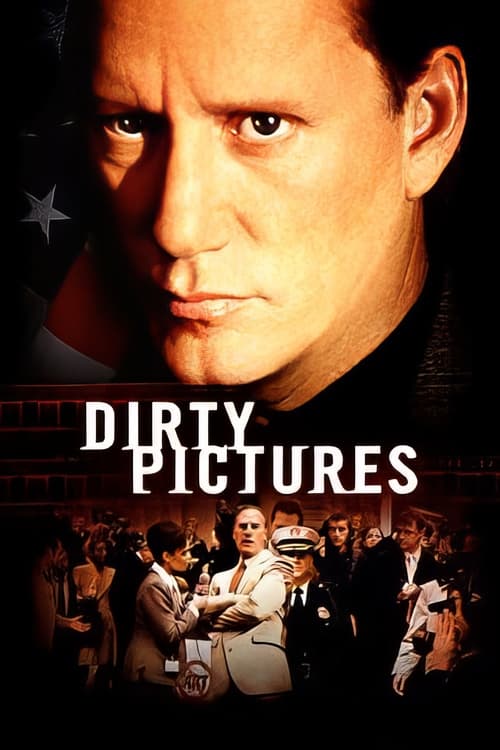
A Cincinnati museum director goes on trial in 1990 for exhibiting sadomasochistic photographs taken by Robert Mapplethorpe.
Dirty Pictures

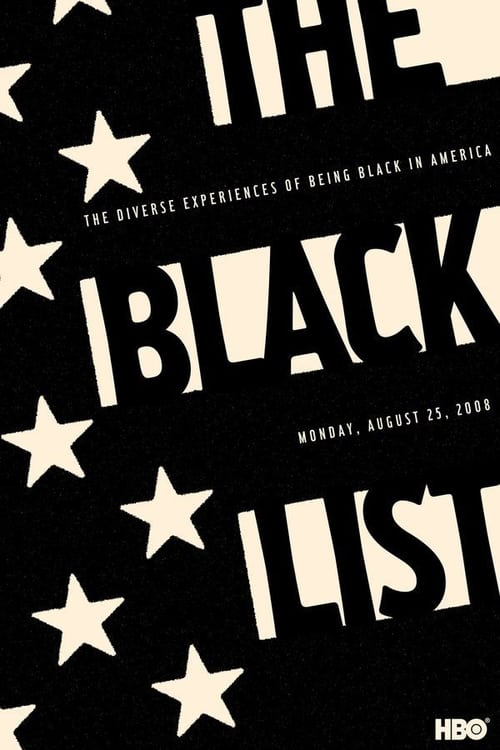
As a new chapter begins in this country, THE BLACK LIST offers a dynamic and never-before-heard perspective from achievers of color. This series of inspired - and inspiring - observations on African-American life in the 21st century forms a roll call of some of the most compelling politicians, writers, thinkers and performers ever to tackle their fields of endeavor. Watch the interview-portraits and get a sharper snapshot of where this country has been and where it's headed.
The Black List: Volume One

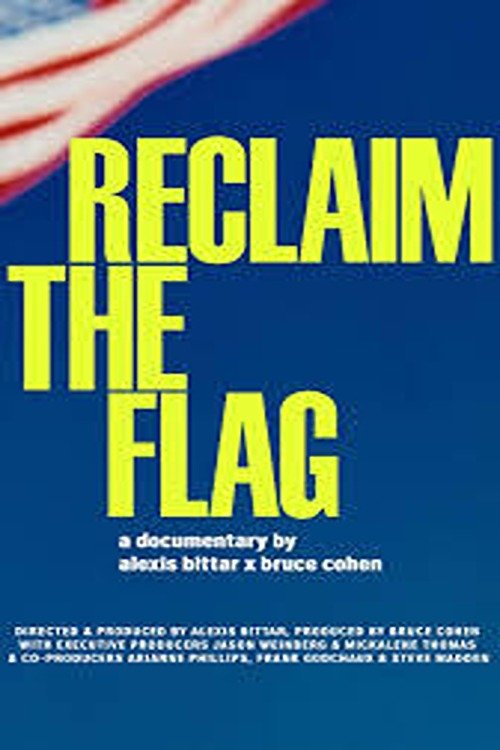
An examination of how the American flag can be reclaimed as a symbol of unity for all Americans, with a focus on the LGBTQ community.
Reclaim the Flag

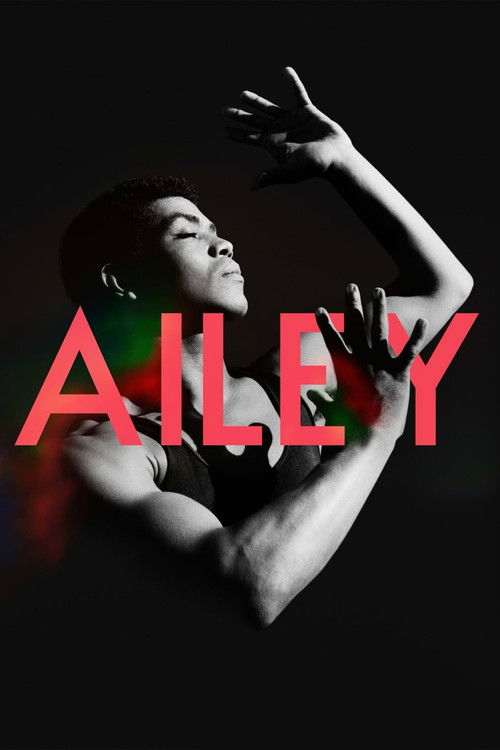
Alvin Ailey was a visionary artist who found salvation through dance. Told in his own words and through the creation of a dance inspired by his life, this immersive portrait follows a man who, when confronted by a world that refused to embrace him, determined to build one that would.
Ailey

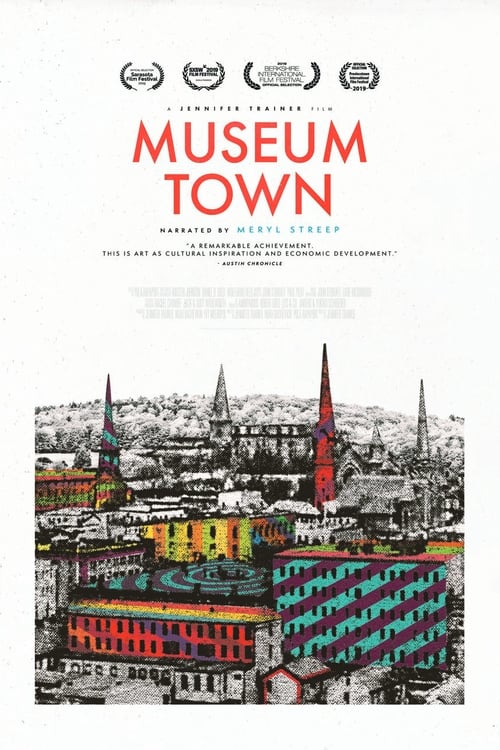
A rural American town suffering economically from factory closures finds an unconventional route to recovery with the help of MASS MoCA.
Museum Town

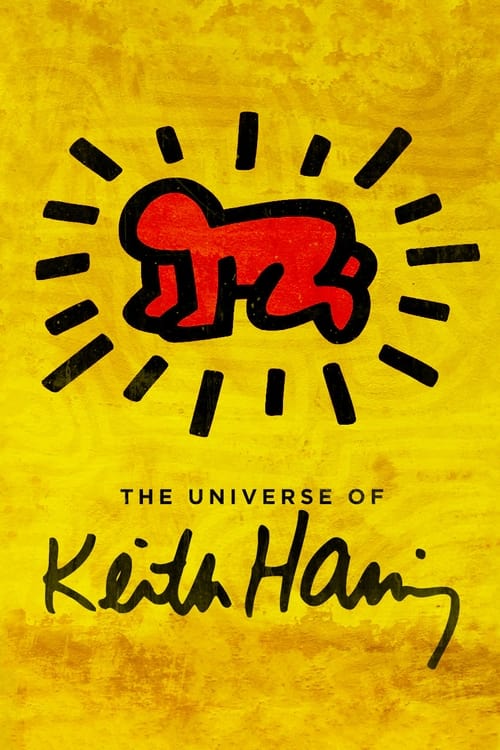
A portrait of New York artist Keith Haring. The film looks to Haring as an artistic role model for his preternatural talent, of course, but also for his infectious lust for life that had him as committed to social activism and teaching children as to his latest painting.
The Universe of Keith Haring

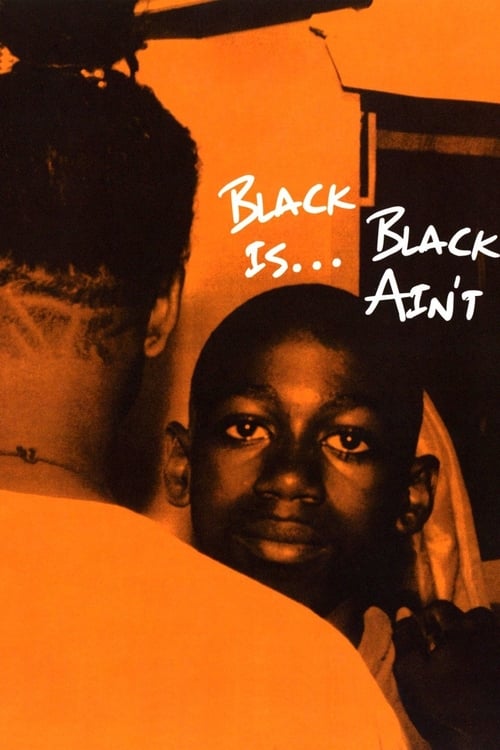
African-American documentary filmmaker Marlon Riggs was working on this final film as he died from AIDS-related complications in 1994; he addresses the camera from his hospital bed in several scenes. The film directly addresses sexism and homophobia within the black community, with snippets of misogynistic and anti-gay slurs from popular hip-hop songs juxtaposed with interviews with African-American intellectuals and political theorists, including Cornel West, bell hooks and Angela Davis.
Black Is… Black Ain’t

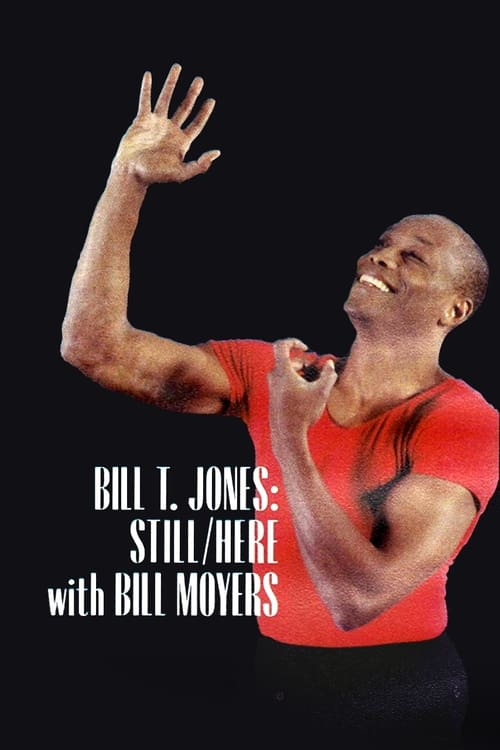
Bill Moyers and filmmaker David Grubin give viewers a rare glimpse into dancer/choreographer Bill T. Jones’s highly acclaimed dance Still/Here. At workshops around the country, people facing life-threatening illnesses are asked to remember the highs and lows of their lives, and even imagine their own deaths. They then transform their feelings into expressive movement, which Jones incorporates into the dance performed later in the program. For this documentary, Jones demonstrates the movements of his own life story: his first encounter with white people, confusion over his sexuality, his partner Arnie Zane’s untimely death from AIDS, and Jones’s own HIV-positive status.
Bill T. Jones: Still/Here
Untitled pays tribute to the life and work of the dancer and choreographer Arnie Zane, who died of AIDS in 1988. His long-time partner Bill T. Jones evokes memories of Zane through a stark, eloquent dance-lament and a parade of ghostly portraits and photographs.
Untitled

A provocative and wholly unique hybrid of dance, theatre and music, FELA! explores the world of Afrobeat legend Fela Anikulapo-Kuti. Winner of three 2010 Tony Awards including Best Choreography (Bill T. Jones). Featuring many of Fela Kuti’s most captivating songs and Bill T. Jones’ visionary staging, FELA! – an original new creation – comes via Broadway to London and the National Theatre. FELA! explores the extravagant, decadent and rebellious world of Fela Anikulapo-Kuti. Using his pioneering music (a blend of jazz, funk and African rhythm and harmonies), FELA! reveals Kuti’s controversial life as an artist and political activist.
National Theatre Live: Fela!
On the run after a series of tragic incidents, five North Philly teens find refuge in an abandoned, condemned house in West Philadelphia at the exact location that served as headquarters of the MOVE organization, where a 1985 standoff with police infamously ended with a neighborhood destroyed and 11 people dead, including five children. This self-defined family is assuaged and even inspired by the ghosts who inhabit this home and begin to see their squatting as a matter of destiny and resistance rather than urgent fear. Combining spoken word, contemporary movement, video projection, classical, R&B and jazz singing, and a brooding, often joyful score filled with place, purpose, and possibility, We Shall Not Be Moved is a timely exploration of past and present struggles which suggests an alternate future through the eyes of its young protagonists.
We Shall Not Be Moved

On four consecutive evenings between September 30 and October 3, 1982, Award-winning choreographer/dancer Bill T. Jones presented four dance pieces at The Kitchen. The documentation of those dances represents a snapshot of the early 1980s dance scene.