Isabel Noronha
Directing
Known For
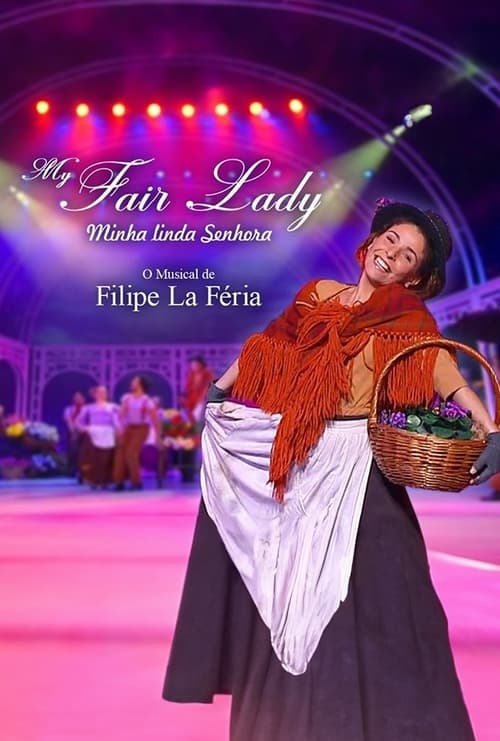
The protagonists of this classic are Anabela, in the role of “Eliza Doolitle”, and Carlos Quintas, who plays the demanding professor “Henry Higgins”, at the head of a luxury cast of more than 70 actors, singers, dancers and musicians.
My Fair Lady: Minha Linda Senhora
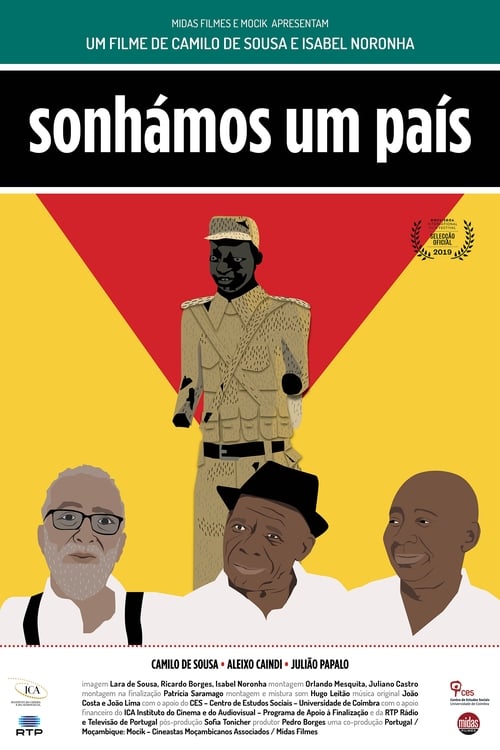
In the early 70s, Camilo de Sousa left Lourenço Marques, Mozambique, travelled Europe, joined the Frelimo guerrilla and became a filmmaker. Now living in Portugal, he returns to Mozambique to be reunited with two former comrades in arms. With Aleixo Caindi and Julião Papalo, he recalls ancient times, when the joy of liberation made way for dark times and the quest for a ‘new man’ destroyed a country’s dreams and illusions.
Sonhámos Um País
The film consists of three short documentary films that show the faces and give voices to children orphaned by AIDS. The intentions of the documentary are to focus attention on the dismemberment of families in Mozambique due to AIDS, because it is a harsh reality and too often ignored.
Trilogia das Novas Famílias
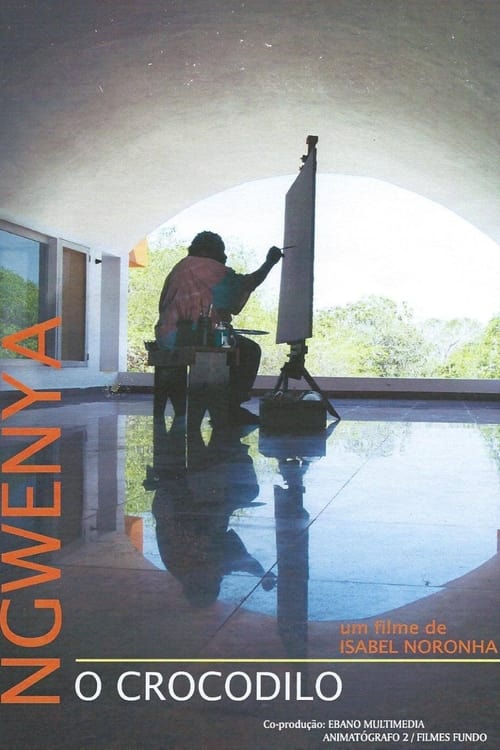
Each Malangatana's brushstroke is a new line of a long life story. Odd black and white sketching, full of little people in the middle of animals, or with such an explosive African color, that describes the painter memories. Starring at the drawings he says "one day I will explain all this". Throughout is living memories and these promises we are taken on a journey into the African world. We see the relation between the present and the past along with the spirits, how they are connected in an emotional way, how they integrate themselves, having to assimilate another culture in colonial time. Malangatana is one of the most important painters of the African Continent.
Ngwenya, O Crocodilo
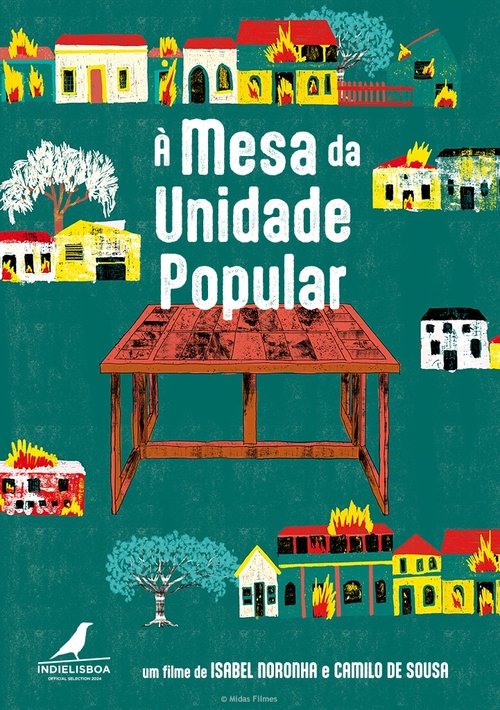
The Mesa da Unidade Popular (People's Unity Table) was part of the furniture that, in the post-independence period, the Mozambican state intended to give to all families. It brought together the socialist idea of equality and social justice with the concept of national unity, a basic assumption of Frelimo for the harmonious development of the country. Today, we sit down at that table once again to revisit the process of nation building and the utopia of a more just society.
À Mesa da Unidade Popular
Through testimonials from Mozambican women, the filmmakers explore the symbolism and social, cultural, and economic implications of the capulana in the female universe, in different eras, linked together by the features, colors, patterns, designs, sayings, and names of each capulana, in whose folds a unique, singular story is hidden.