Jorge Amado
Writing
Biography
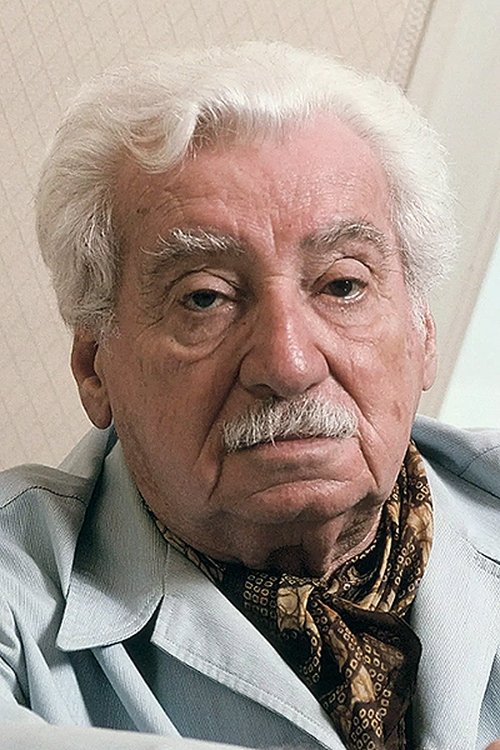
Jorge Leal Amado de Faria (10 August 1912 – 6 August 2001) was a Brazilian writer of the modernist school. He remains the best known of modern Brazilian writers, with his work having been translated into some 49 languages and popularized in film, notably Dona Flor and Her Two Husbands in 1976. His work reflects the image of a Mestiço Brazil and is marked by religious syncretism. He depicted a cheerful and optimistic country that was beset, at the same time, with deep social and economic differences. He occupied the 23rd chair of the Brazilian Academy of Letters from 1961 until his death in 2001. He won the 1984 International Nonino Prize in Italy. He also was Federal Deputy for São Paulo as a member of the Brazilian Communist Party between 1947 and 1951. Amado was born on Saturday, 10 August 1912, on a farm near the inland city of Itabuna, in the south of the Brazilian state of Bahia. He was the eldest of four sons of João Amado de Faria and D. Eulália Leal. The farm was located in the village of Ferradas, which, though today is a district of Itabuna, was at the time administered by the coastal city of Ilhéus. For this reason he considered himself a citizen of Ilhéus. From his exposure to the large cocoa plantations of the area, Amado knew the misery and the struggles of the people working the land and living in almost enslaved conditions. This was to be a theme present in several of his works (for example, The Violent Land of 1944). As a result of a smallpox epidemic, his family moved to Ilhéus when he was one year old, and he spent his childhood there. He attended high school in Salvador, the capital of the state. By the age of 14 Amado had begun to collaborate with several magazines and took part in literary life, as one of the founders of the Modernist "Rebels' Academy". He was the cousin of Brazilian lawyer, writer, journalist and politician Gilberto Amado, and of Brazilian actress and screenwriter Véra Clouzot. Amado published his first novel, The Country of Carnival, in 1931, at age 18. He married Matilde Garcia Rosa and had a daughter, Lila, in 1933. The same year he published his second novel, Cacau, which increased his popularity. He studied law at the Federal University of Rio de Janeiro Faculty of Law but never became a practising lawyer. His leftist activities made his life difficult under the dictatorial regime of Getúlio Vargas. In 1935 he was arrested for the first time, and two years later his books were publicly burned. His works were banned from Portugal, but in the rest of Europe he gained great popularity with the publication of Jubiabá in France. The book received enthusiastic reviews, including that of Nobel prize Award winner Albert Camus. In the early 1940s, Amado edited a literary supplement for the Nazi-funded political newspaper "Meio-Dia". Being a communist militant, from 1941 to 1942 Amado was compelled to go into exile to Argentina and Uruguay. When he returned to Brazil he separated from Matilde Garcia Rosa. In 1945 he was elected to the National Constituent Assembly, as a representative of the Brazilian Communist Party (PCB) (he received more votes than any other candidate in the state of São Paulo). He signed a law granting freedom of religious faith. ... Source: Article "Jorge Amado" from Wikipedia in English, licensed under CC-BY-SA 3.0.
Known For

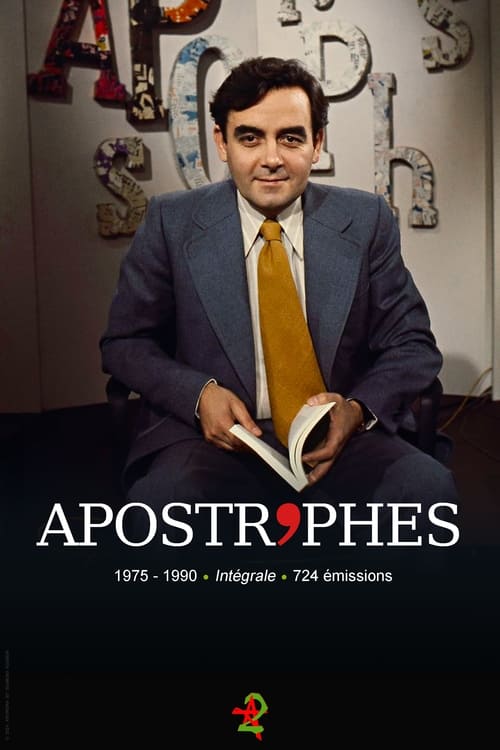
Apostrophes was a live, weekly, literary, prime-time, talk show on French television created and hosted by Bernard Pivot. It ran for fifteen years (724 episodes) from January 10, 1975, to June 22, 1990, and was one of the most watched shows on French television (around 6 million regular viewers). It was broadcast on Friday nights on the channel France 2 (which was called "Antenne 2" from 1975 to 1992). The hourlong show was devoted to books, authors and literature. The format varied between one-on-one interviews with a single author and open discussions between four or five authors.
Apostrophes

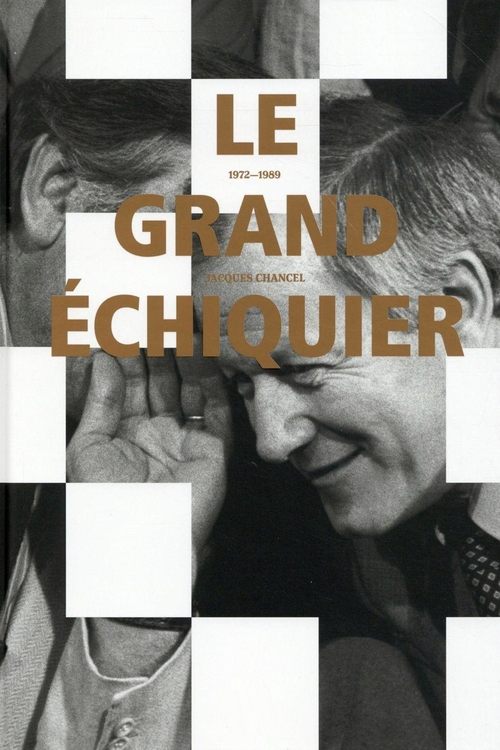
Le Grand Échiquier is a French variety television program created and presented by Jacques Chancel. It aired at 8:30 pm on the first channel of the ORTF from January 12, 1972 to July 12, 1972, then on the second color channel of the ORTF from September 1972 to December 1974, and finally on Antenne 2 from January 1975 to December 21, 1989. The program returned to France 2 on December 20, 2018 and is hosted by Anne-Sophie Lapix.
Le Grand Échiquier

Brava Gente was a television series aired by TV Globo in Brazil between 2000 and 2003, initially as a special year-end. The program was adapted from stories and national stories, and plays by famous playwrights, screenwriters and signed by a number represented by several actors and actresses. The genres of the stories varied each week with the style of each director or author. Brava Gente in the stories ranged from comedies and dramas. In all 53 episodes were shown, broadcast on Tuesday nights.
Brava Gente

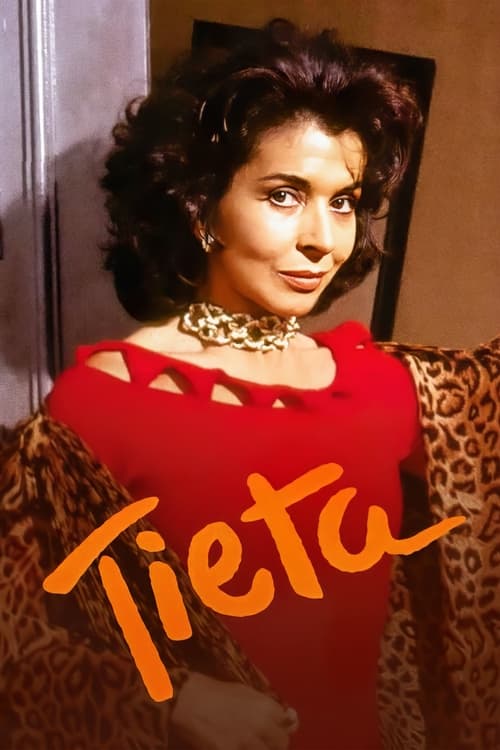
Inspired on Jorge Amado's romance "Tieta do Agreste", the plot is set on the fictional city of Santana do Agreste, at Brazil's northwest, and has as main theme Tieta's life turnarounds. Twenty-five years after being chased out of town by her father Zé Esteves, she returns to her home town seeking revenge against everyone who mistreated her and laugh at her face in the past.
Tieta

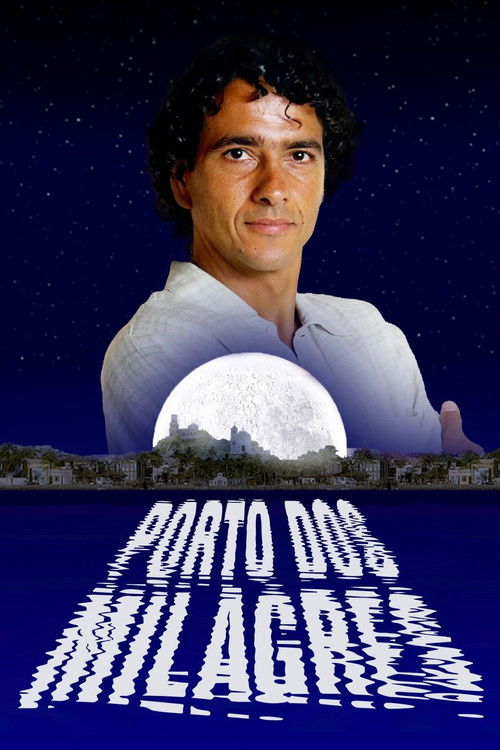
Porto dos Milagres is a Brazilian telenovela that was produced and aired by TV Globo from 5 February to 29 September 2001, totaling 203 chapters. It was written by Aguinaldo Silva and Ricardo Linhares and loosely based on two works written by Jorge Amado - The Dead Sea and the discovery of America by the Turks. Had Philip collaboration Miguez, Maria Elisa Berredo, Nadotti Nelson and Gloria Baker, directed by Fabricio Mamberti and Luciano Sabino. Director general Mark and Robert Paul Naar, co-directed by Fabricio Mamberti and Luciano Sabino. Had the direction of core Marcos Paulo.
Porto dos Milagres

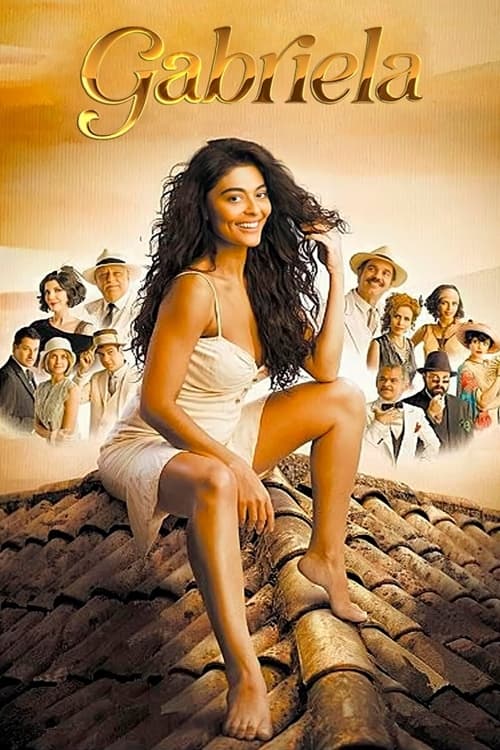
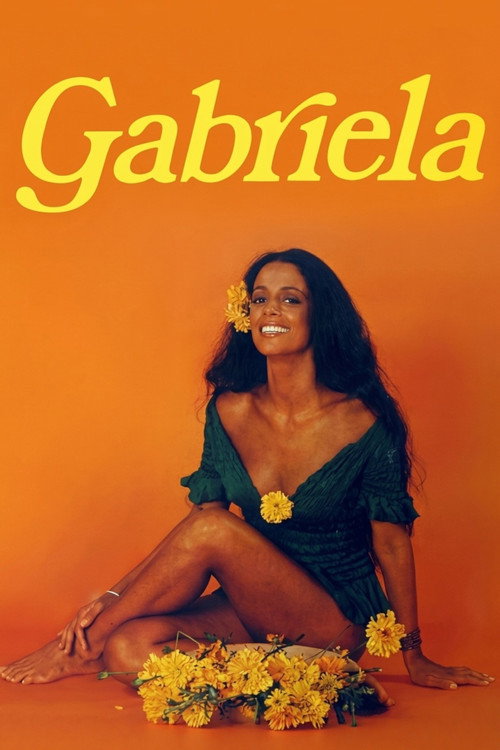
Naïve and provocative Gabriela is a raggedy migrant worker who arrives in town to mesmerize all with her playful and simple, yet raw sensuality. Set in 1925, the story unravels in Ilhéus, a quiet northeastern coastal city thriving with cocoa crops and aspirations for progress, even though the traditional ways still rule.
Gabriela

No description available.
Gabriela

No description available.
Terras do Sem Fim

No description available.
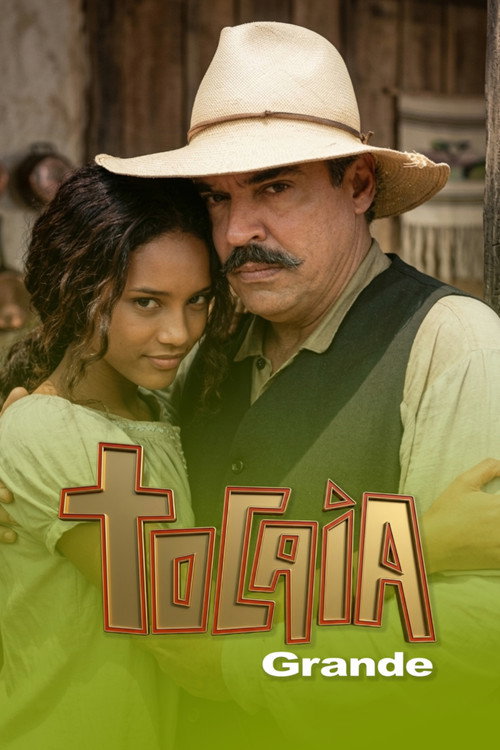
Tocaia Grande

The story revolves around Flor (Ana Serradilla), a happy and beautiful woman who knows Valentín (Joaquín Ferreira) a "man's disaster", but even so she likes him as he is, everything was cheerful, fun and lived happy, but due to Valentín's problems, he dies. And in the midst of the loneliness and pain of having lost her husband. Teodoro (Sergio Mur), Ana's friend and who was always in love with her, decides to start conquering her. Everything was fine, "normal, calm and a little boring" as a marriage should be. Until in one night Ana asks for a wish "that her husband returns", until suddenly her wish comes true. And now Ana does not know how to live with the ghost of her late husband and her current husband.
Doña Flor y sus dos maridos

No description available.
Tenda dos Milagres

No description available.
Tereza Batista

In 1925, Gabriela, a poor, uneducated, yet charming woman becomes cook, mistress, and then wife of Nacib, a bar owner in Ilhéus, a small Brazilian coastal town run by the local colonels.
Gabriela

No description available.
Zona+

The Night Shepherds universe is inhabited by prostitutes, priests, rogues, saint's parents and street vendors. For a very Brazilian people who fight every day for survival and only rely on the solidarity spirit and friendship of each other. The seductive Cabo Martim, the romantic Curió, the noble Massu, the artful Foot of Wind and the Jesuit master live their adventures in four independent episodes, which are completed in their poetry and the strength of each story.
Pastores da Noite

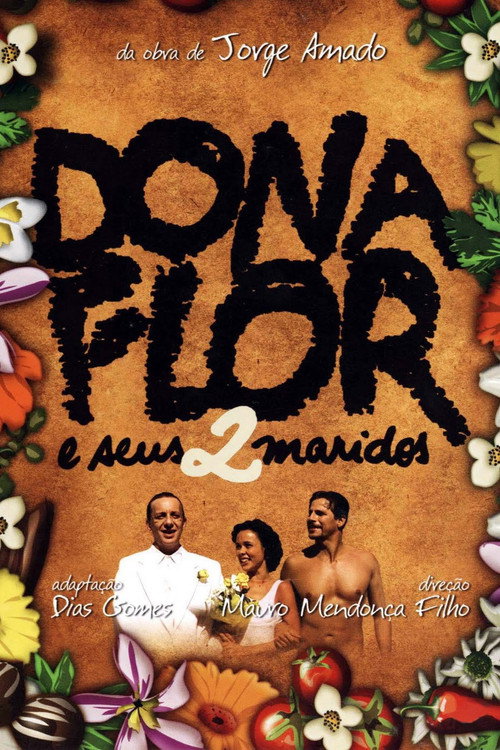
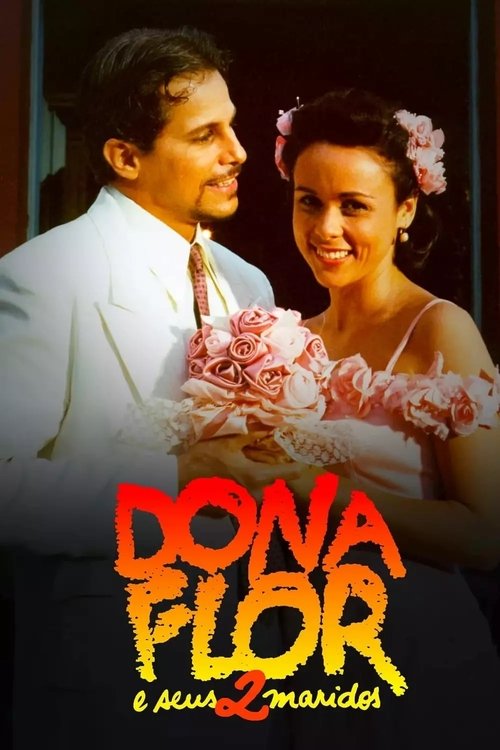
Florípedes, Dona Flor, a cooking teacher, loses her husband Vadinho, an incorrigible trickster, on Carnival Sunday. In deep mourning, tearful, she recalls the ups and downs of that relationship. But, as she is still young and beautiful, she attracts the attention of the very correct pharmacist Teodoro, with whom she marries.
Dona Flor e Seus 2 Maridos

After the death of her handsome but good-for-nothing husband Vadinho, Flor, a widow, marries Dr. Teodoro, a respectable gentleman. Hilarity ensues when Vadinho's spirit returns into her life.
Dona Flor and Her Two Husbands

Not until three years after the death of her husband Jolly, Kay dares to move back into their former home, persuaded by her new fiancée Rupert. But soon her worst expectations come true, when not only her old memories haunt her, but also Jolly's ghost, who doesn't approve of her new mate. Invisible to anyone but Kay, he tries to prevent the wedding.
Kiss Me Goodbye

In a small city of Brazil, Flor (a very good looking woman) marries Vadinho, a very handsome and erotic man. Once married she finds he is a good-for-nothing. She works teaching cooking to her neighbours but he takes all her money to gamble. One day he dies. Flor misses the goods of the marriage so she marries again with a very correct gentleman – the owner of the drugstore (Teodoro). Now she’s very happy with her man, but misses the erotic moments with her previous husband. Then the ghost of Vadhino comes to earth to chase her.
Dona Flor e Seus Dois Maridos

Commander Vasco Moscoso de Aragão entertains the small town of Periperi with the stories of his many adventures travelling around the world as a captain of the merchant navy. Stubborn Chico Pacheco is the only one in town who doesn't believe his tales.