Zhao Tao
Acting
Biography
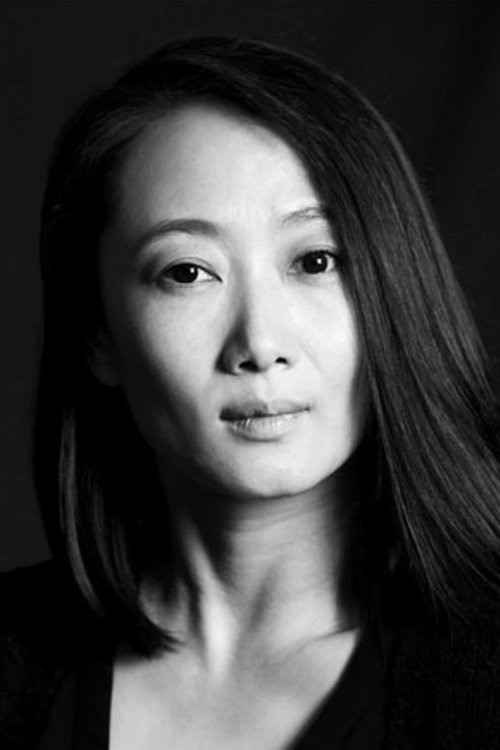
From Wikipedia, the free encyclopedia. Zhao Tao (Chinese: 赵涛, born 28 January 1977) is a famous Chinese actress, work in China and Europe, she has over 10 films to her credit since starting her career in 1999, muse of director Jia Zhangke. Zhao first came into international prominence through close collaboration with Chinese director Jia Zhangke and is credited with helping to bring Chinese cinema to Europe, especially Italy. As Shun Li in Io sono Li, her best starring role to date, she became the first Asian actress to win a prize at David di Donatello. Zhao's native language is Jinese, but she is multilingual, having learned to speak Italian, Mandarin and Szechuanese. Biography She was born January 28, 1977, in Taiyuan, Shanxi, which is also the hometown of the heroine in Still Life. As a child, she studied classical Chinese dance. In 1996, she enrolled in the folk dance department at Beijing Dance Academy. After graduation, she became a dance teacher in Taiyuan Normal College, where she was spotted by Jia during casting for Platform. Since then they work frequently together. In 2011 she starred in the Italian movie Shun Li and the Poet by Andrea Segre, the movie was screened in the Venice Days section of the 68th Venice International Film Festival. Zhao won the David di Donatello Award, the Italian Oscar, for Best Actress for her bilingual role.
Known For

Four people in different provinces are driven to violent ends: An angry miner is enraged by corruption in his village. A migrant discovers the possibilities of owning a firearm. A receptionist is pushed beyond her limits by an abusive client. A young factory worker goes from one job to the next.
A Touch of Sin

Tang Lingyin is the quirky daughter of a wealthy family whose life becomes entangled with county magistrate Tang Tianyuan. He is sought after by many for being handsome, well-mannered and having an impressive family background. The two start off on the wrong foot yet eventually join hands to solve a case.
Love is All

In memory of the Japanese earthquake on 3.11, each director presents a 3 minute and 11 second short film in tribute to those who were lost that day.
3.11 A Sense of Home Films

No description available.
Living

Years after her boyfriend left her for the big city and promised to bring her there after he’s settled down, a Chinese woman sets out on a journey to be reunited with him.
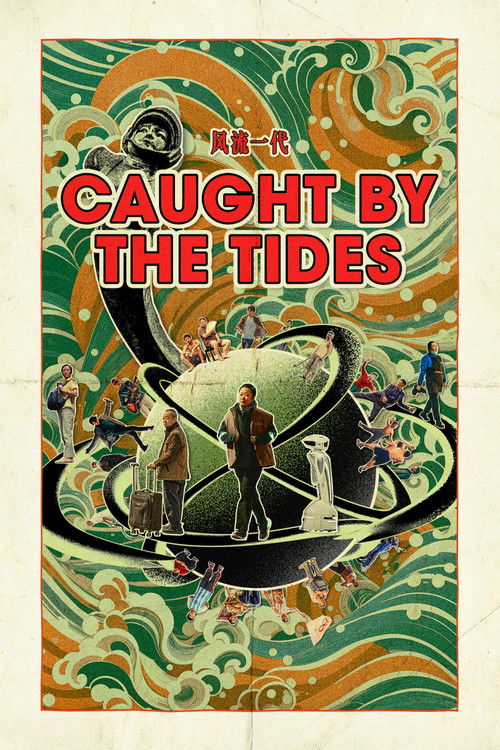
Caught by the Tides

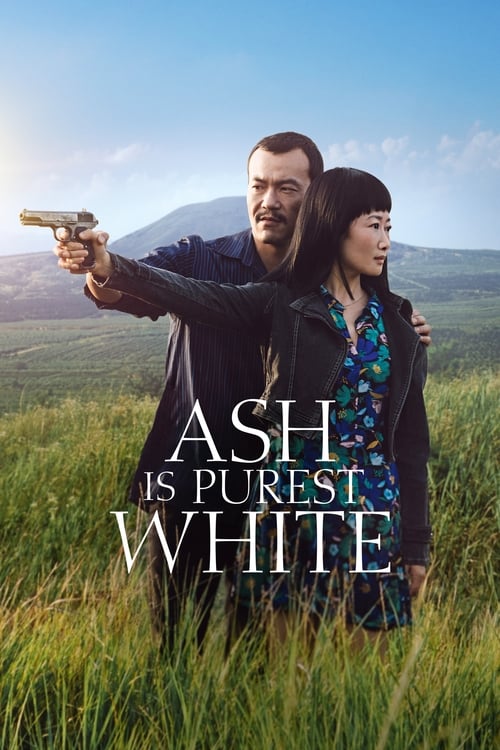
Set in China's underworld, this tale of love and betrayal follows a dancer who fired a gun to protect her mobster boyfriend during a fight. On release from prison 5 years later, she sets out to find him.
Ash Is Purest White

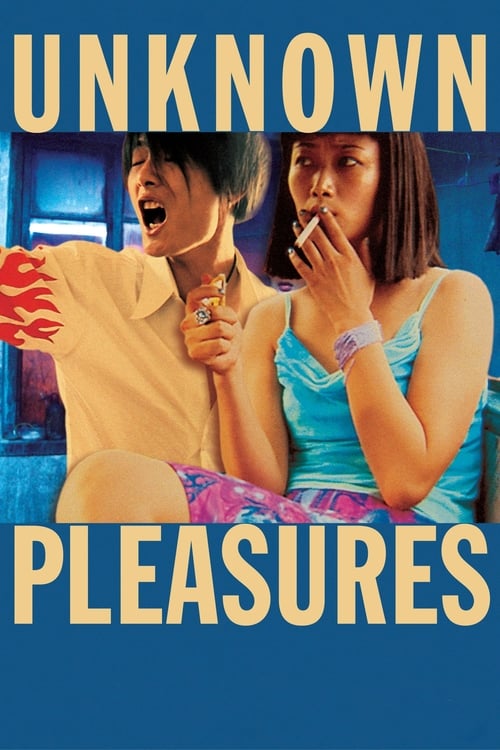
Two disaffected, unemployed Chinese youth drift through life on the streets of their industrial town, their paths crossing with that of a local young singer and dancer working for a liquor company as a spokesmodel.
Unknown Pleasures

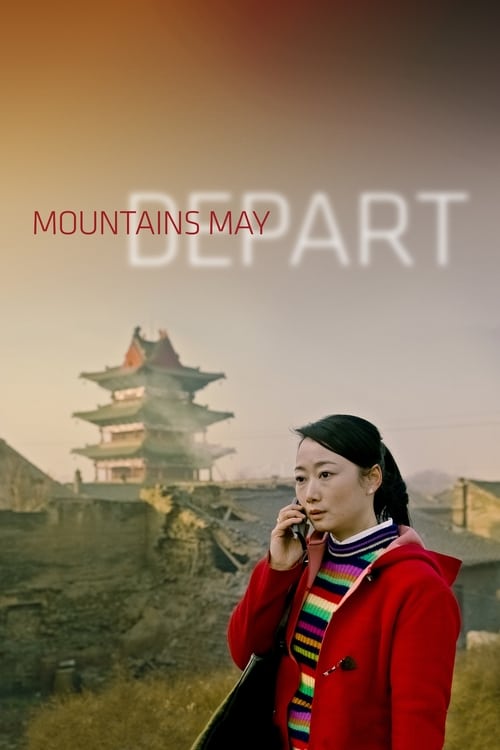
The life of Tao, and those close to her, is explored in three different time periods: 1999, 2014, and 2025.
Mountains May Depart

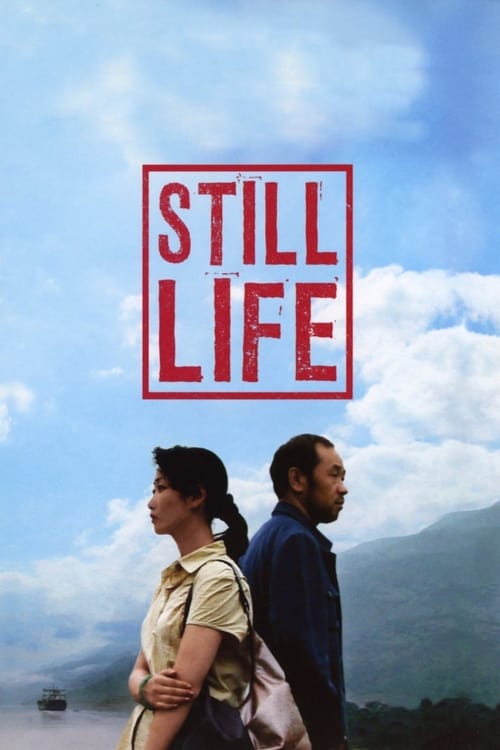
A town in Fengjie county is gradually being demolished and flooded to make way for the Three Gorges Dam. A man and woman visit the town to locate their estranged spouses, and become witness to the societal changes.
Still Life

As a decades-old state-run aeronautics munitions factory in downtown Chengdu, China is being torn down for the construction of the titular luxury apartment complex, director Jia Zhangke interviews various people affiliated with it about their experiences.
24 City

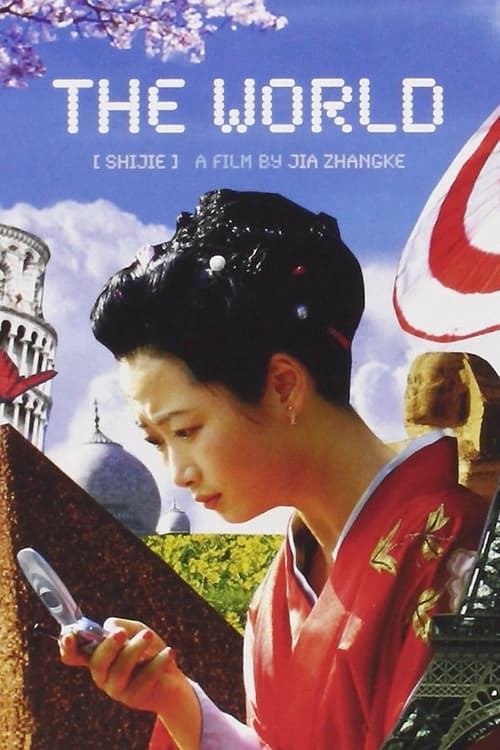
At Beijing World Park, a bizarre cross-pollination of Las Vegas and Epcot Center where visitors can interact with famous international monuments without ever leaving the city’s suburbs, a security guard betrays his dancer girlfriend by pursuing another woman.
The World

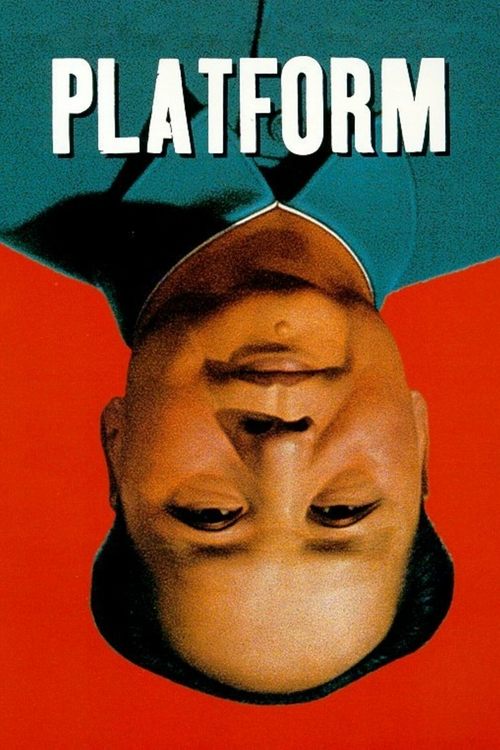
China’s rapid changes from the late 1970s to the early 1990s, as seen through the lives of four performers in a theater troupe.
Platform

Filmmaker Jia Zhangke chronicles his local literature festival in Shanxi, China which includes a multi-generational roster of the country's most esteemed writers.
Swimming Out Till the Sea Turns Blue

TEN THOUSAND WAVES is a 9-screen installation shot on location in China. The work poetically weaves together stories linking China’s ancient past and present. Through an architectural installation, the work explores the movement of people across countries and continents and meditates on unfinished journeys. Conceived and made over four years, TEN THOUSAND WAVES sees Julien collaborating with some of China’s leading artistic voices, including the legendary siren of Chinese cinema Maggie Cheung; rising star of Chinese film Zhao Tao; poet Wang Ping; master calligrapher Gong Fagen; artist Yang Fudong; acclaimed cinematographer Zhao Xiaoshi; and a 100-strong Chinese cast and crew. The film’s original musical score is by fellow East Londoner Jah Wobble and The Chinese Dub Orchestra and contemporary classical composer Maria de Alvear.
Ten Thousand Waves

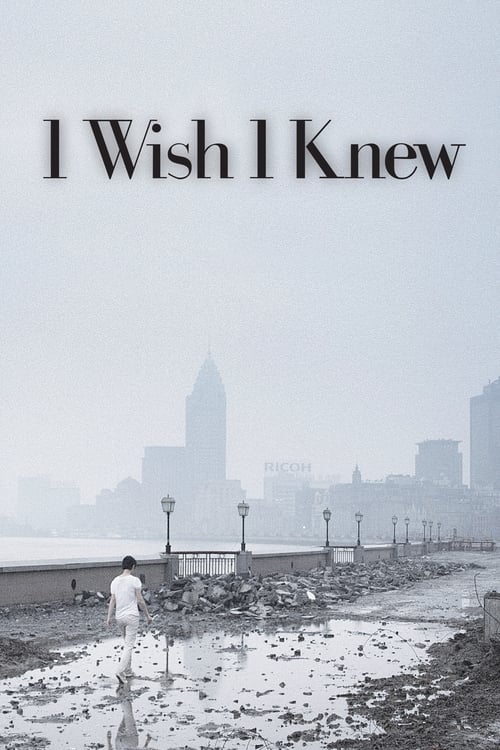
Focuses on the people, their stories and architecture spanning from the mid-1800s, when Shanghai was opened as a trading port, to the present day.
I Wish I Knew

A study of the friendship between a Chinese woman and a fisherman who came to Italy from Yugoslavia many years ago, who live in a small city-island in the Veneto lagoon.
Shun Li and the Poet

An ancestral city; through its delicious botanical garden and its branched canals, we observe the clues and traces of its ancient culture. Two couples of men and women, former lovers, meet again one year later. The yesterday's breath of youth is still perceptible in their conversations. Is it still possible for us to love? Does youth really have an end? Like the networks linking the old city, what type of ecological existence does their culture require?
Cry Me a River

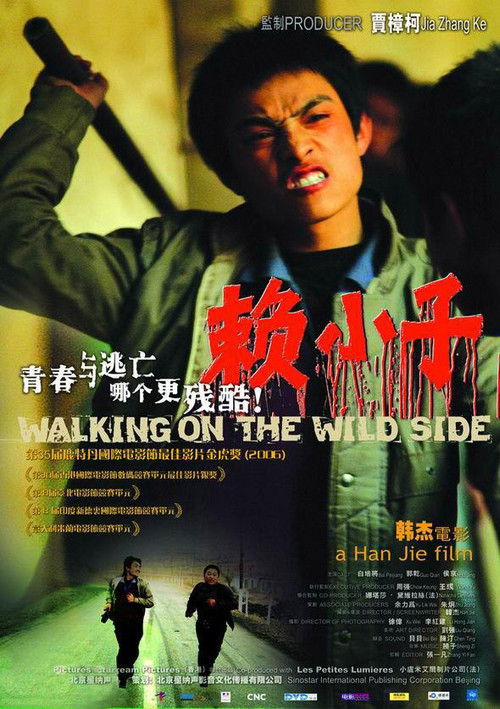
Han Jie’s feature debut draws on his own experiences growing up in a desolate mining district in northern China’s Shanxi province. A Chinese road movie, Walking on the Wild Side charts a young gang’s continuous flights from one kind of trouble to the next. Mirroring the stark and barren landscape, the film relays the grim story of these delinquents’ dreams of liberty and easy money. Played by nonprofessional actors who are real life troublemakers, the film offers a realism that is at once oppressive, cruel, and sympathetic.
Walking on the Wild Side
Follows a mother who has spent most of her life in Dunhuang, a historic city in western China. With the help of artificial intelligence, she embarks on a journey that takes her from western to eastern China.
Mamma Dunhuang

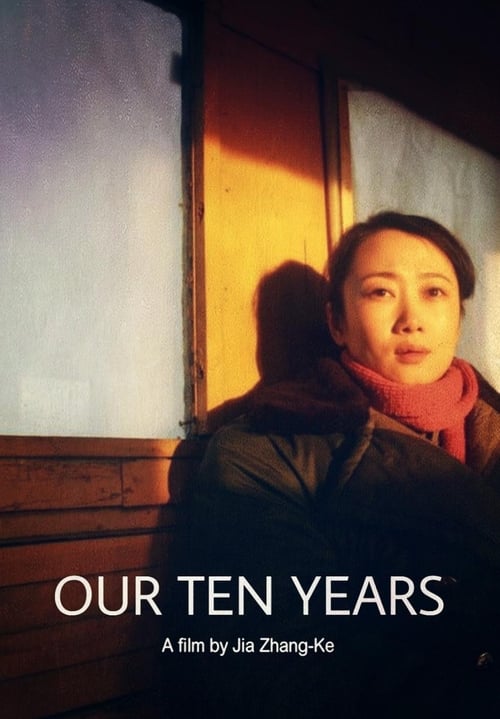
Chinese filmmaker Jia Zhangke returns to the shooting locations of his films, along with his actors, friends and close collaborators. Jia recalls the inspiration sources for his movies, such as Platform, Still Life and A Touch of Sin. The film is the memory of a filmmaker and of a country in convulsion, China, which reveals itself little by little.