Writing
When a impoverished widow’s family moves to the big city, two of her five sons become romantic rivals with deadly results.
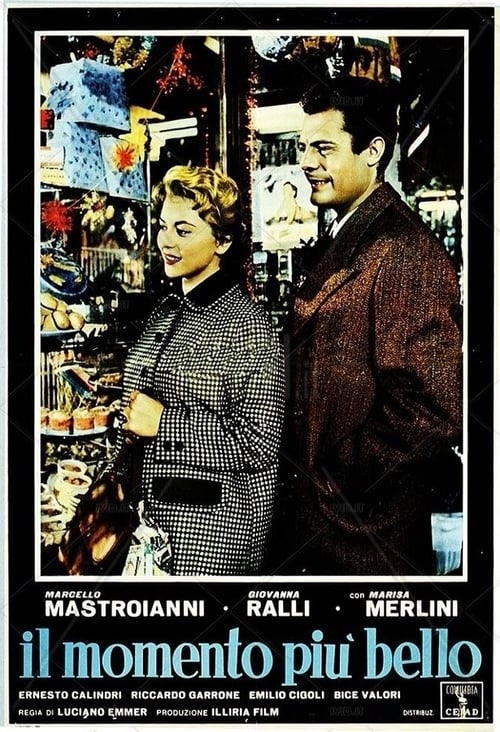
Enrico is a struggling journalist in the Rome of 1945. He receives a phone call informing him that his younger brother Lorenzo has died. Enrico recalls their long and difficult relationship; he was brought up by their poor but warm-hearted grandmother, Lorenzo was raised as a gentleman by a wealthy local aristocrat. Reunited in the Florence of the 1930s, Enrico becomes his spoilt brother's keeper, forever haunted by a sense of guilty responsibility towards a man he both hates and loves.
Pietro is in love with a nurse; they keep their affair secret until she falls pregnant. Worried that marriage will affect his career, she prepares for the upcoming childbirth
Six stories unfold in various regions, from Sicily to the northern Po Valley as American military personnel interact with a variety of Italian locals over eighteen months in the push north during the Italian Campaign of WWII as German forces retreat.
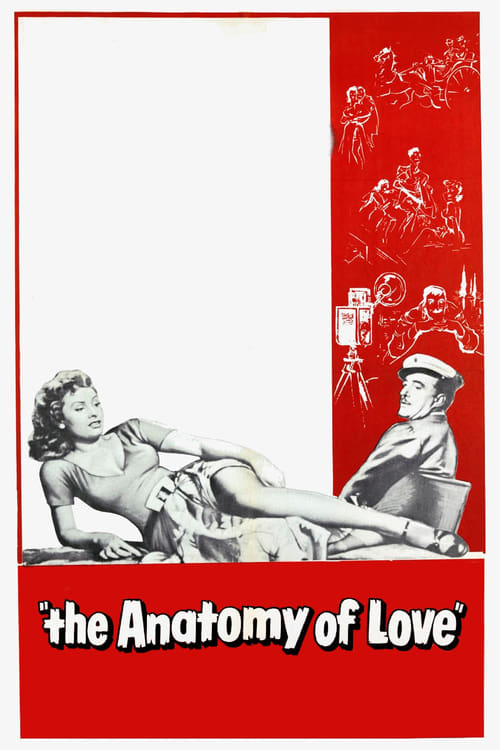
Nine episodes about life in Italy in the period just before its economic boom.
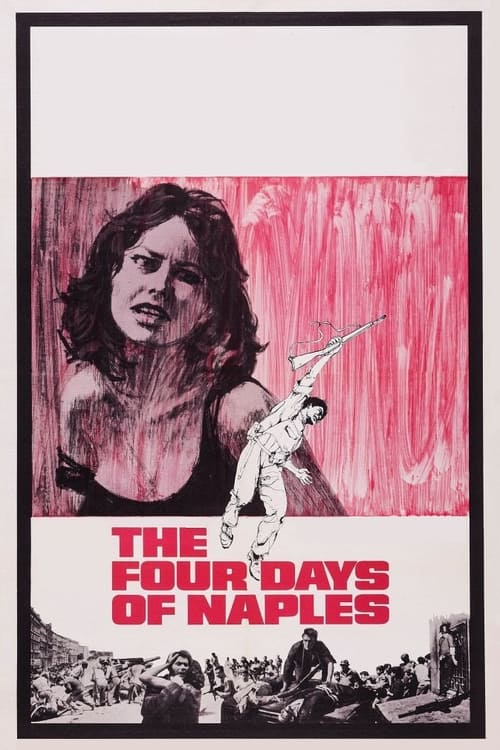
September 1943. After Italy surrenders to the Allies, people in Naples believe the war is finally over, but soon they realize Germans are still in control — and as ruthless as ever. Armed with makeshift weapons, civilians rise up en masse against the invaders — and overwhelming odds.
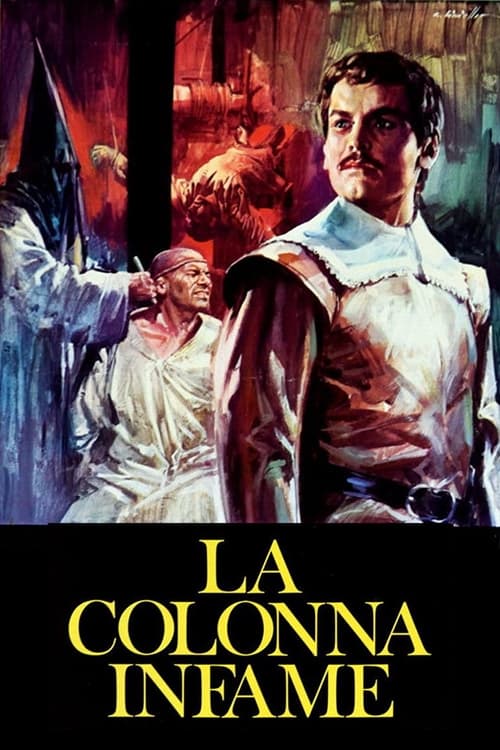
Historical drama, based upon the novel by Alessandro Manzoni.
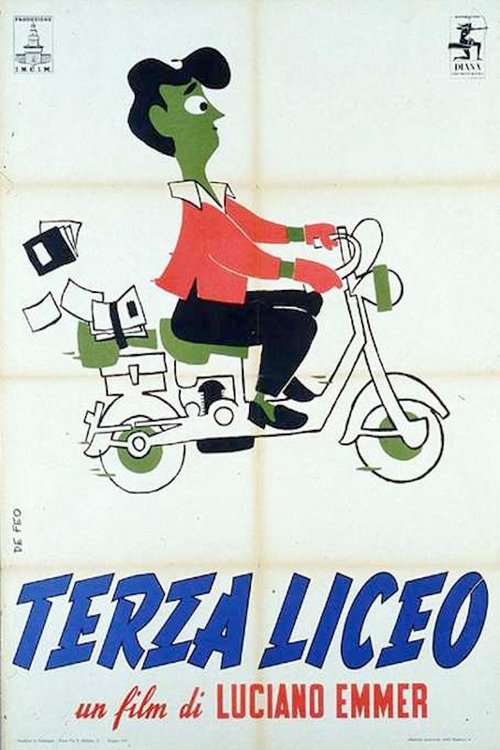
It's the last year of highschool of a group of teenagers, and now they have to face their final exam, and the loves, happy or not, that sprung during those years of school.
The death of a wealthy patriarch in 1885 sets off an interfamily power struggle. Son Ferdinando buys out his other relatives in order to gain full control over the dead man's property. But Ferdinando's nephew Amerigo holds out. Amerigo's stance is weakened when he heads for Florence and meets prostitute Bianca.
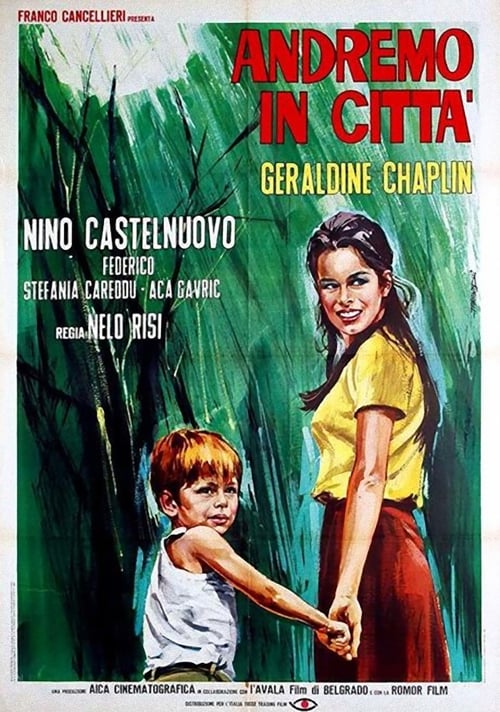
"Andremo in città" (We'll Go to the City) is a 1966 Italian drama film directed by Nelo Risi. It is based on the novel of the same name by Edith Bruck, Risi's wife. Bruck, a Hungarian concentration camp-survivor, settled in Italy after the Second World War and wrote about her experiences in autobiographical and fictional formats.[1] The film stars Geraldine Chaplin and Nino Castelnuovo.
In the background of the football match Roma - Napoli different stories intertwine.
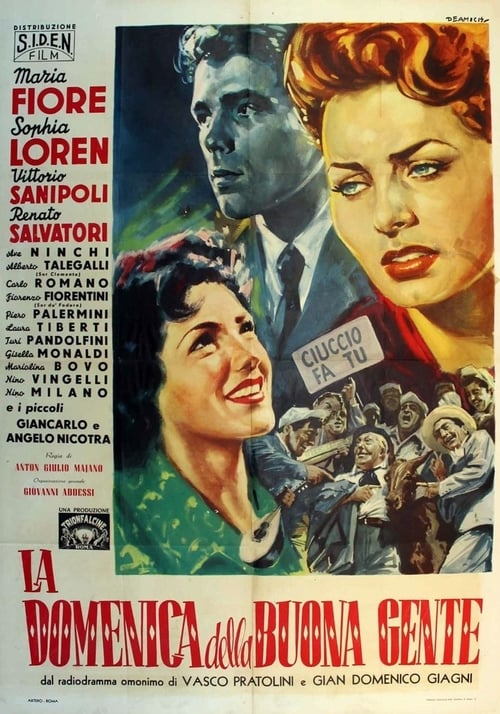
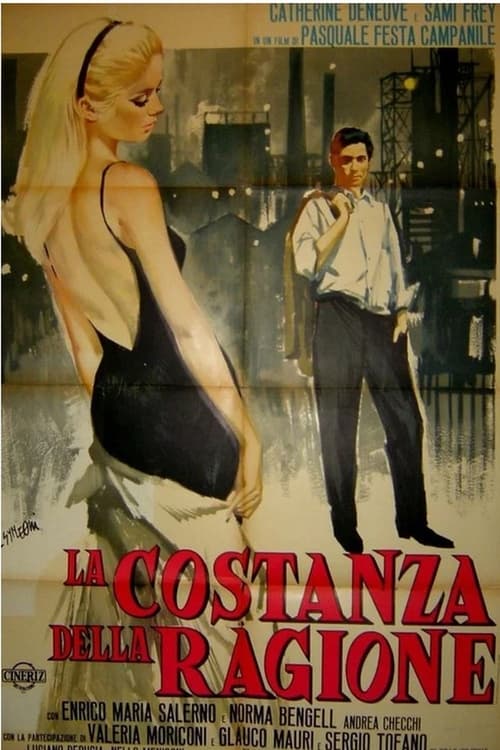
Florence, early 1960s. Bruno aspires to be hired at a prestigious factory, but his Communist ideals — instilled by Millo, a father figure and family friend in love with Bruno's widowed mother Ivana — are an obstacle. His relationship with Lori, a beautiful and tormented young woman who has just returned from Milan, reshapes his convictions. Freely adapted from a minor novel by Vasco Pratolini.
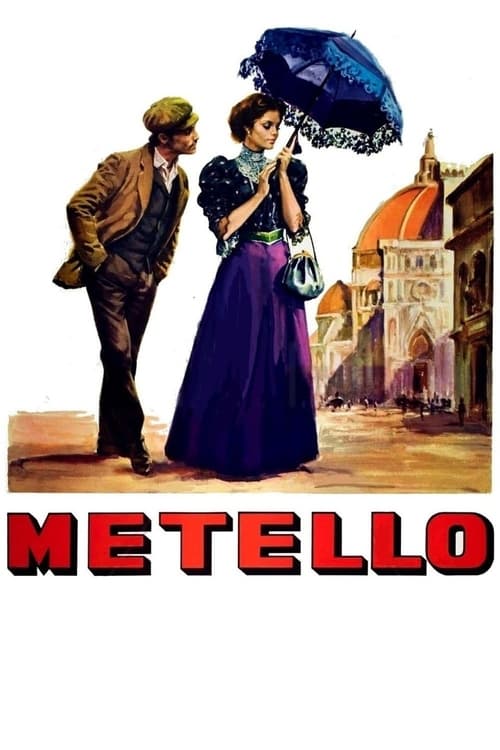
The story of a young man of the working class, who has grown up practically an orphan due to his father’s repeated jailings for anarchistic activism. Struggling with life in 19th-century Italy, Metello Salani is determined to change his situation for the better - but love, marriage and politics complicate things considerably...
Florence, Italy, 1925, during the fascist dictatorship. In order to live near his girlfriend Bianca, young Mario moves to a humble street in the old city center, where he befriends Maciste and Ugo, two anti-fascists.
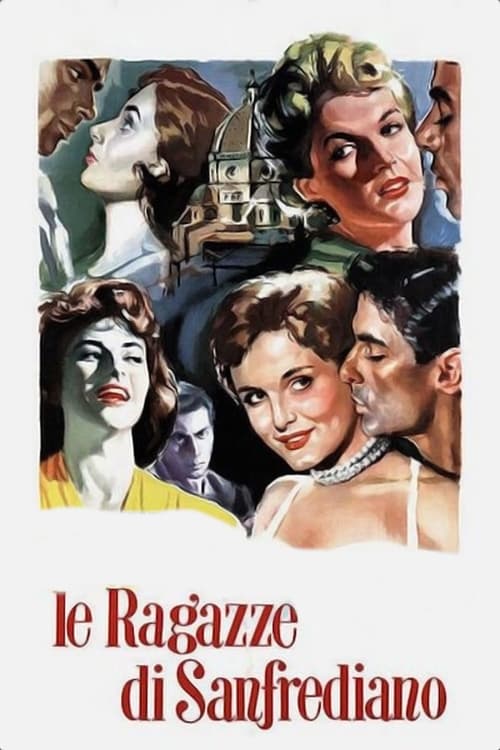
Andrea, a young and charming florentine mechanic in the 1950s, romances five beautiful women simultaneously, enjoying life without really committing to anyone, but in the end who wants to grasp all lose all.
On the evening of March 11, 1950, Annabella Bracci, a 12-year-old girl, was brutally killed and thrown into a pit on the outskirts of Rome, near the village of Primavalle. A brief and poetic account of the events and their impact on an impoverished community. A handful of wild flowers and a painful catch in the voices.
No description available.