Luciano Zito
Directing
Known For
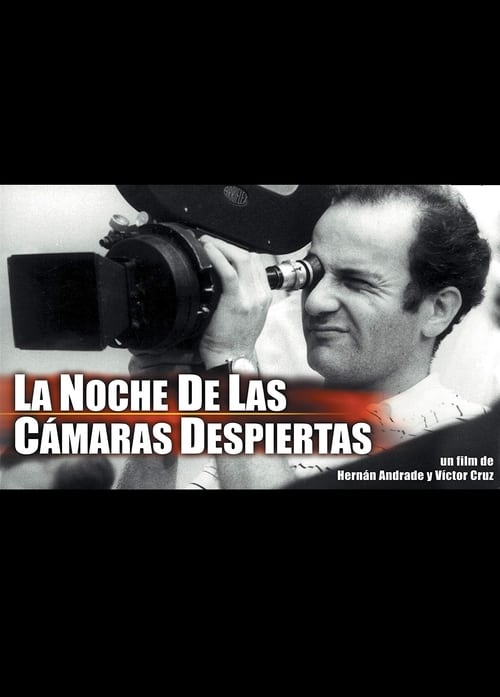
The film tells how in 1970 a group of Argentine filmmakers - including Alberto Fischerman, Rafael Filippelli, Julio Ludueña, Miguel Bejo, Jorge Cedrón, Dody Scheuer and Luis Zanger - decided to make a short film each in one night. The occasion is perfect to describe the atmosphere of the '70s, the fever in which militants and publicists lived, the clash between art and politics. Includes fragments of the films The Players vs. Ángeles Caídos (Fischerman, 1969), Shadows (John Cassavetes, 1959), Made in U.S.A. (Jean-Luc Godard, 1966), L'eclisse (Michelangelo Antonioni, 1962), The Hour of the Furnaces (Pino Solanas & Octavio Getino, 1968), Tire dié (Fernando Birri, 1960), Alianza para el progreso (Ludueña, 1971), La civilización está haciendo masa y no deja oír (Ludueña, 1974) and La pieza de Franz (Fischerman, 1974).
La noche de las cámaras despiertas
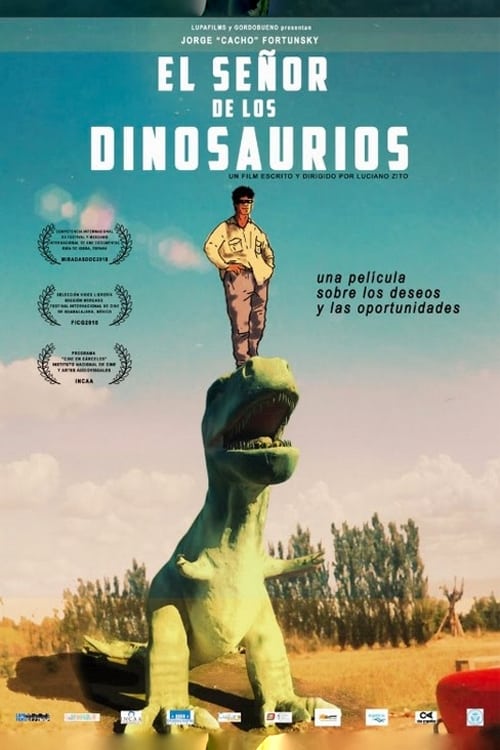
On the outskirts of the Pampean town of Eduardo Castex there is a park where about 30 cement and iron works represent different aspects of the prehistoric life of dinosaurs. Its author is Jorge “Cacho” Fortunsky, who besides having an innate talent for drawing, carving and sculpting, has a past marked by crime that he tries to leave behind forever.
El señor de los dinosaurios
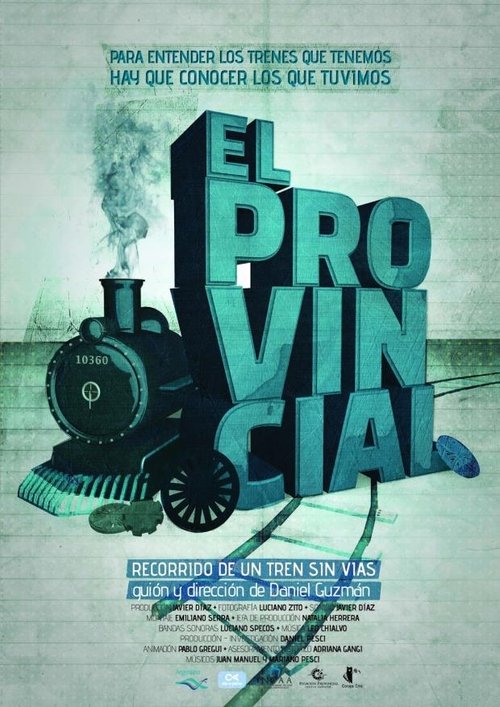
A railway fan embarks on a journey through the stations of the now-defunct Buenos Aires Province Railway while addressing, from his particular point of view, a tour of the last fifty years of Argentine history.
El Provincial
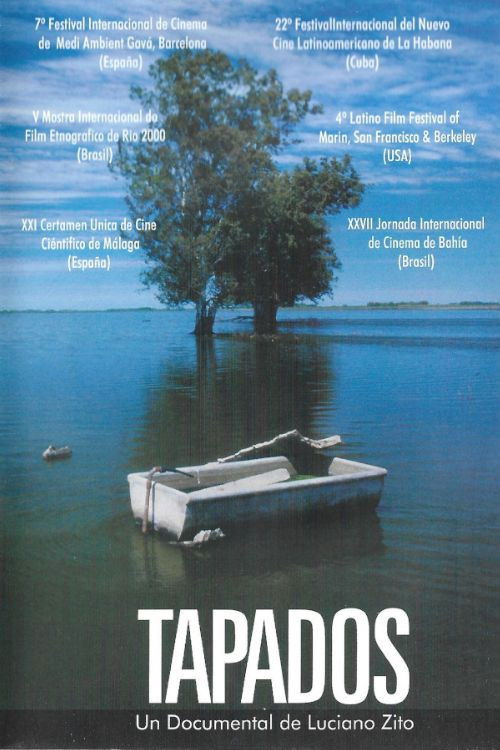
The story of Coronel Charlone, a town isolated by water due to apparently natural floods, but caused by clandestine canals built by neighboring towns.
Tapados
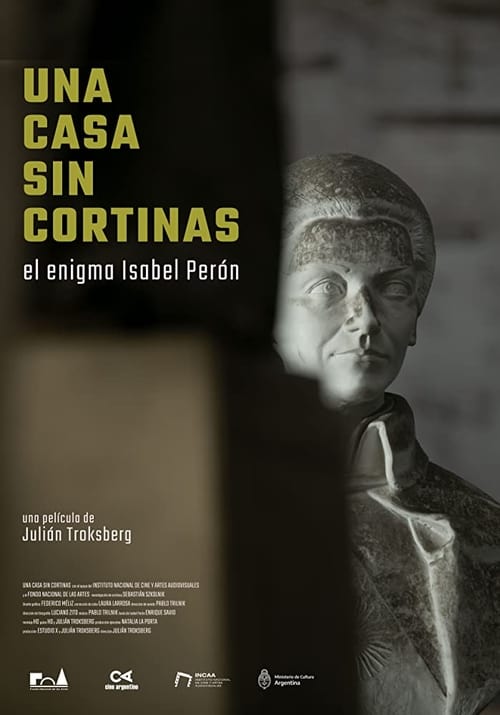
María Estela Martínez, better known as Isabel Perón, achieved what Evita Perón never could: From an unknown cabaret dancer she became the first female president of the Americas. But after surviving prison and exile under South America’s most brutal military dictatorship, Isabel was forgotten in popular memory. “Una casa sin cortinas” (A House Without Curtains) uncovers why Isabel still haunts Argentina today.
A House Without Curtains
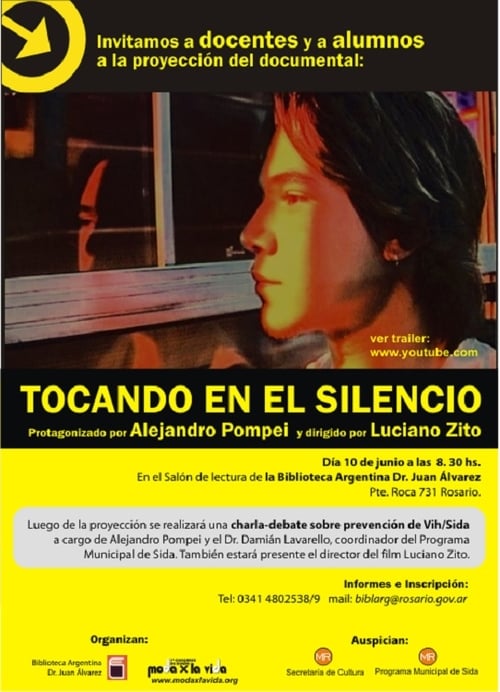
A feature-length documentary that revolves around the question: Should one do it, or is it better to remain silent—as if one had done something wrong—like most people living with HIV/AIDS? It attempts to provide a fresh perspective on the issue of HIV/AIDS, one that is far removed from death and social prejudice.
Tocando en el silencio
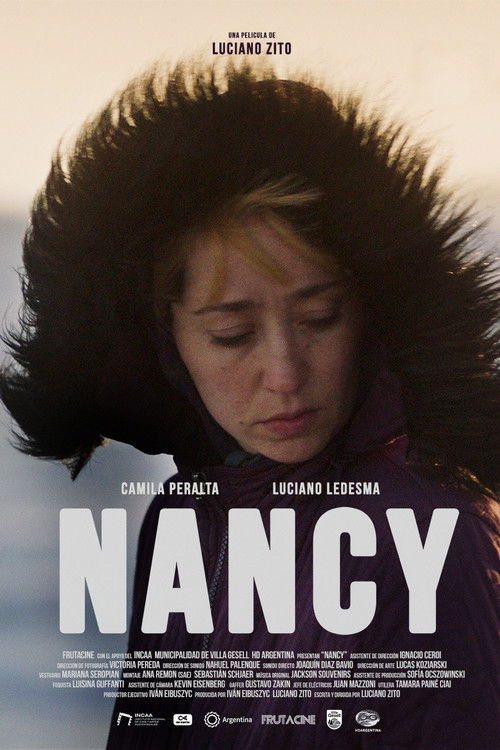
Nancy works cleaning houses in a small coastal town, marked by its beauty and the transformation it undergoes at the end of the summer. Juan, whom she meets at work, will soon jeopardize her fragile emotional state and even her own job, leading her to do the unthinkable.
Nancy
A documentary that explores the roots and consequences of Argentina's profound economic, political, and social crisis. It offers a critical and analytical look at a system that has proven insufficient and socially unsustainable as a form of development in an Argentina that has witnessed a severe and violent crisis that demands a new form of development and social organization to overcome.
Argentina, crecer o desaparecer

Documentary about the Rawson Prison, which, starting in the mid-1970s, became a place of confinement for hundreds of political prisoners from across the country. Some of the leaders of the main armed political organizations, such as Montoneros, ERP, and FAR, passed through there. Following the 1976 dictatorship, a systematic plan of physical and psychological destruction against the detainees began to be carried out there, directly or indirectly involving parts of the local community.
Rawson
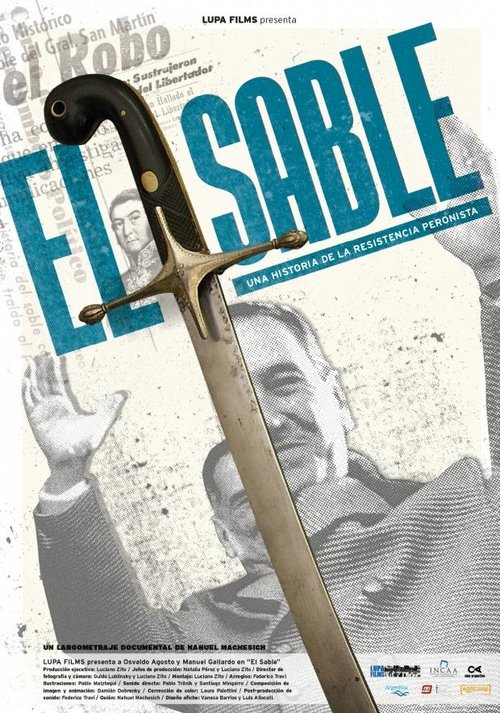
On August 12, 1963, five young men from the Peronist Resistance stole the curved saber of General José de San Martín from the National Historical Museum. The objective was to revive the militancy of Peronism, which at that time was outlawed. They also intended to take it to the leader of the movement: Juan Domingo Perón, who at that time was in exile in Spain.