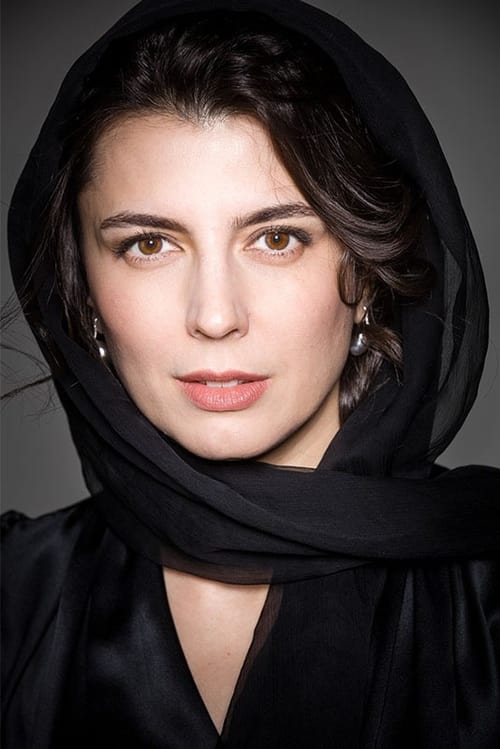
Leila Hatami
Acting
Biography
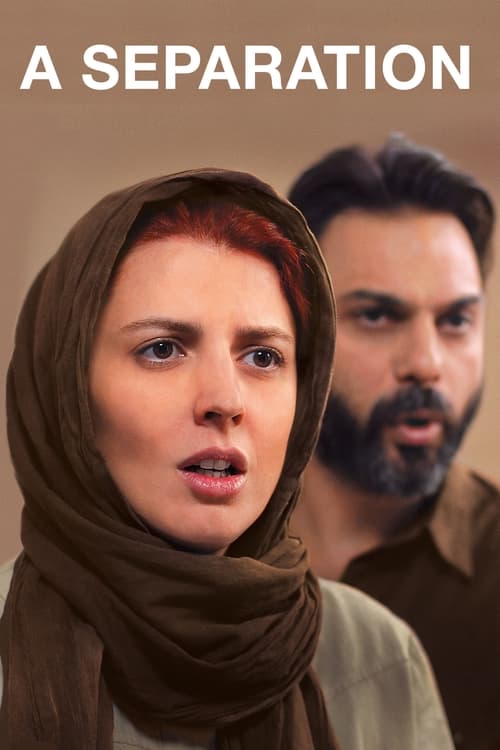
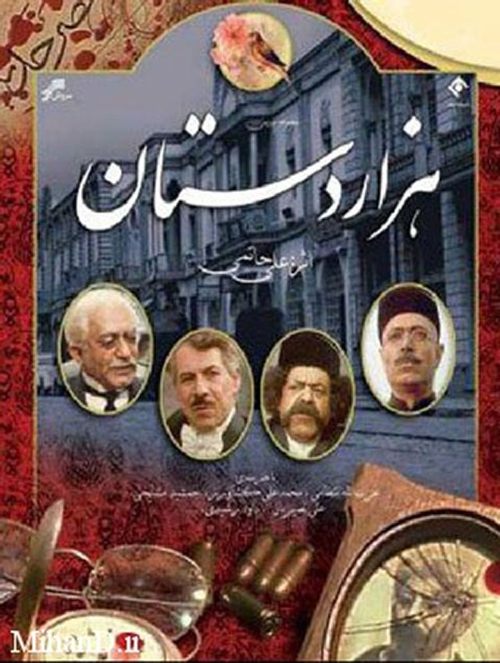
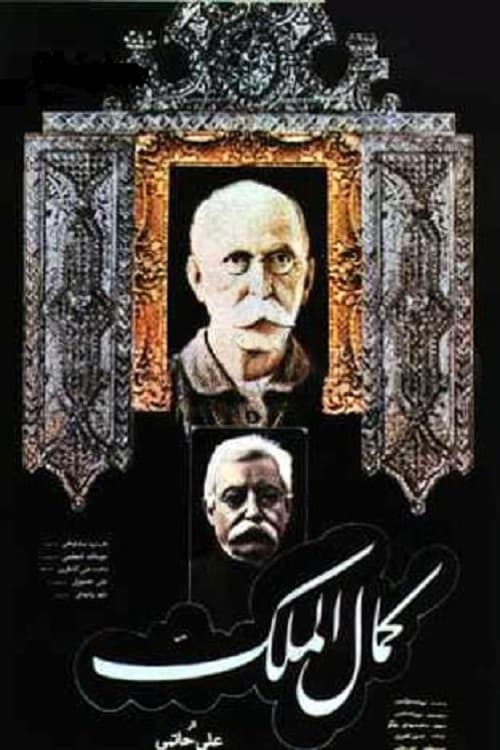
Award-winning actress, Leila Hatami, was born on October 1, 1972 in Tehran, Iran, to legendary Iranian Director, Ali Hatami, and actress mother, Zari Khoshkam (Zahra Hatami). During her childhood, she appeared in several of her father's films including the historical TV series, Hezar dastan (1978), and biopic Kamalolmolk (1984), as well as a role as Leila, the blind Turkish princess in the film The Love-stricken (1992). After completing high school, she moved to Lausanne, Switzerland and started her studies in Electronic Engineering. However, after two years she changed her major to French Literature. She completed her studies in a couple of years and moved back to Iran. After a pause in her film career of a few years which included her studies in Switzerland, she made her professional entry into cinema with Dariush Mehrjui 's film Leila (1997) as the title character. Her performance in the film received rave reviews from critics and audiences worldwide. She also received the Diploma of Honor for Best Actress from the 15th Fajr Film Festival. Later, she married her co-star Ali Mosaffa in 1999. They now have two children: a son named Mani (born February 2007) and a daughter named Asal (born October 2008). To date, Hatami has worked with some of the most celebrated Iranian directors. Moreover, her performance in The Deserted Station (2002) won the Best Actress award from the 26th Montreal World Film Festival. She also appeared in her husband's directorial debut film, Portrait of a Lady Far Away (2005). In 2011, she won the prestigious Silver Berlin Bear award at the 61st Berlin International Film Festival for the Best Actress in a Leading Role in Asghar Farhadi 's internationally acclaimed film, A Separation (2011).
Known For

A married couple are faced with a difficult decision - to improve the life of their child by moving to another country or to stay in Iran and look after a deteriorating parent who has Alzheimer's disease.
A Separation

Hezar-Dastan was an Iranian epic historical drama television series from 1987, developed and directed by Ali Hatami. Hezar Dastan is considered one of the most important and most influential works of art in the history of Islamic Republic of Iran Broadcasting. The production of the show took almost 8 years, starting in 1979 and ending in 1987, during which Hatami established a large set to represent Tehran in both Qajar dynasty and World War II, retroactively creating Iran's first movie studio and backlot (named Ghazali Cinema Town). The show tells the story of Reza Khoshnevis (also known as Reza Tofangchi), and his life and entanglement with corruption in government, and trying to correct it using not conventional means. The story is split into two section and it features Iran during the turbulent times of the latter days of Qajar Dynasty and during the events of World War II and Anglo-Soviet invasion of Iran.
Hezar Dastan

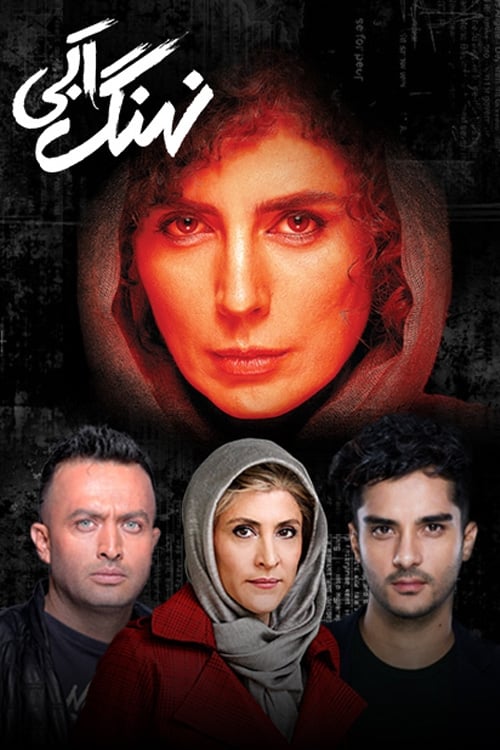
Armin is a gifted and introspective student of network security that spends most of his time on his newly established book publishing site.
Blue Whale

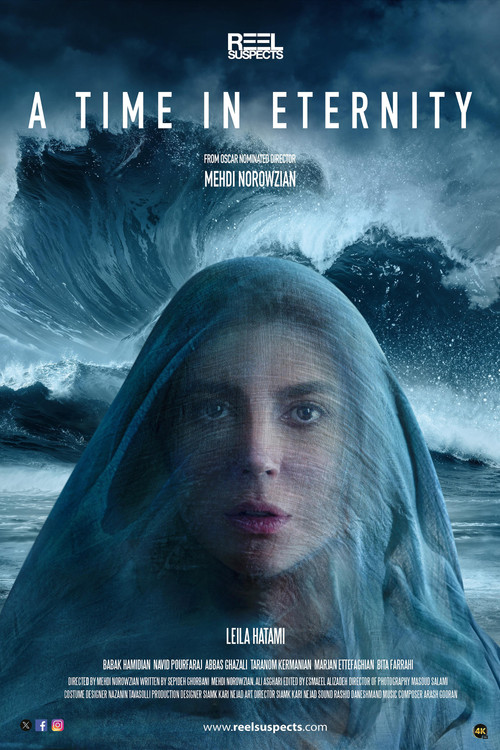
A woman embarks on an unyielding and possibly hopeless search for her missing husband, a journey that strains her already fragile relationship with her daughter. Along the way, she also faces the unwelcome advances of her persistent brother-in-law.
A Time in Eternity

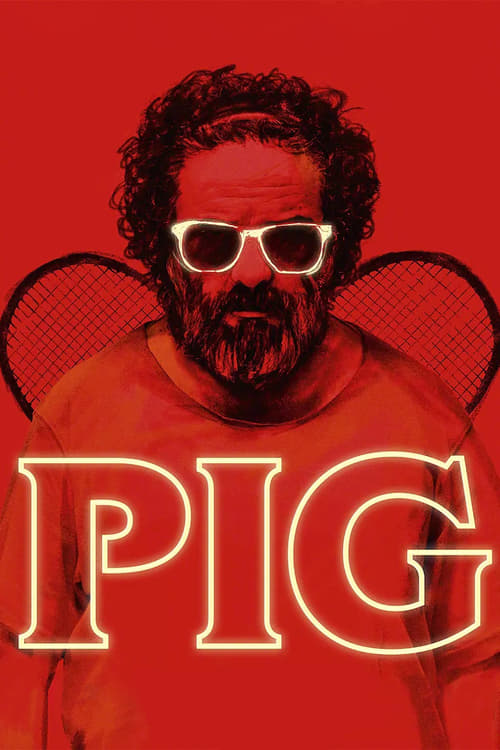
A serial killer is going around killing Iran's most beloved filmmakers. Hasan, a blacklisted filmmaker himself, is depressed and wonders: why isn't he being targeted?
Pig

In March 2012, Iranian movie "A Separation" by Asghar Farhadi, won the Oscar Award for the Best Foreign Language Film. For the Iranian people this was more than a cinematic award. When sanctions and threats of war with Iran covered the world headlines, Farhadi talked about Iran's love for peace and the rich culture of the Iranians on the stage when receiving his award. This time the Iranians voice was heard through someone other than the government officials. This documentary shows the reaction of the Iranians to this Oscar award and has a general view on Iran's society of today.
From Iran, a Separation

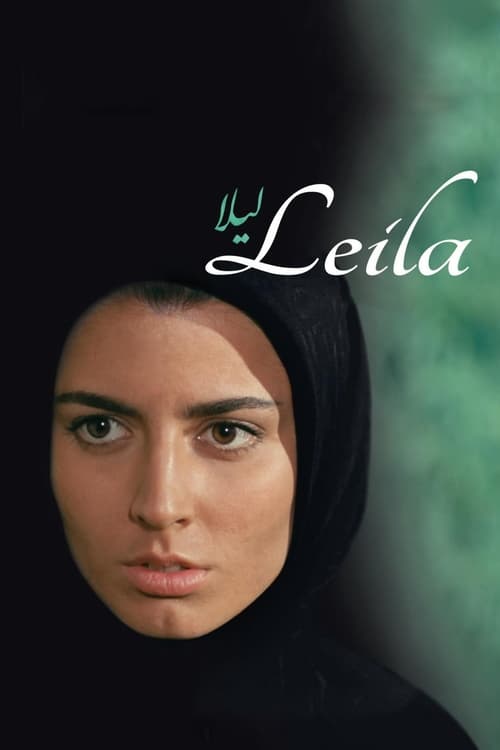
This film tells the story of a semi modern Iranian couple, who are trying to fight the old beliefs and old generation. This is a failing battle because the man is not strong enough.
Leila

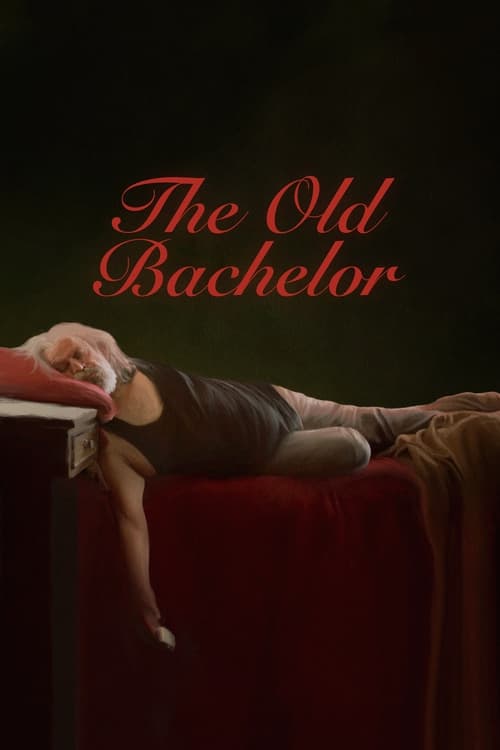
In an Iran weighed down by a struggling economy, two middle-aged brothers live with their bullying father. A man prone to rages and driven by chauvinism, the father’s abusiveness found his second wife leaving him. Now he picks on his eldest son, while the younger sibling fantasises about ways to kill his father. When the man rents out the flat above to a young woman, with intentions of marrying her, the woman’s attraction to the older son slowly pushes this profoundly damaged family to breaking point.
The Old Bachelor

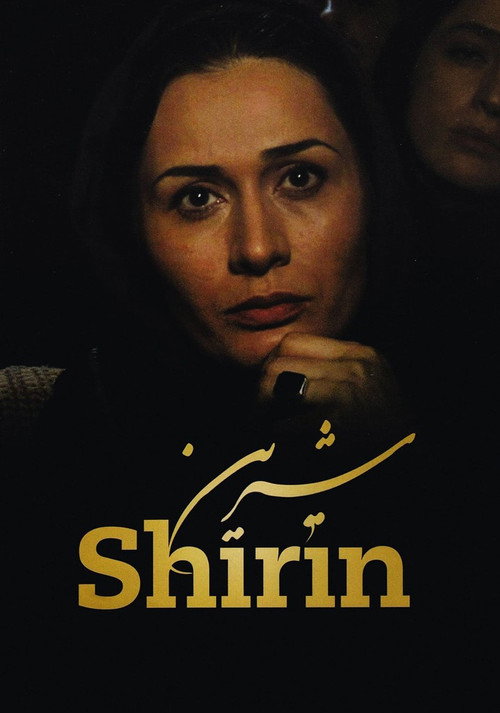
A hundred and fourteen famous Iranian theater and cinema actresses and a French star: mute spectators at a theatrical representation of Khosrow and Shirin, a Persian poem from the twelfth century, put on stage by Kiarostami. The development of the text -- long a favorite in Persia and the Middle East -- remains invisible to the viewer of the film, the whole story is told by the faces of the women watching the show.
Shirin
A period drama set during the "Golden Era of Freedoms" after the end of WW2 in Iran which revolves around the of an intellectual politician by the name of Mansour Adiban.
The English Bag

Mehrjui: The Forty-Year Report dives into the artistic world of Iranian director Dariush Mehrjui. The film offers critical interpretations of his works from cinema experts, enriched with personal anecdotes from his peers.
Mehrjui: The Forty-Year Report

A group of Iranian classical musicians in the Ghajar era try to release their first record, which takes them on a journey to France.
Love-Stricken

It’s 1988 and, at the height of the Iran-Iraq War, Tehran is bombed relentlessly. The days that pass are full of foreboding, and yet, love, affection, hope and life itself manage to sweep away the fear of death from those surrounded by it. Love may often be difficult to comprehend, but death is a horrible certitude. ‘Bomb, A Love Story’ shows how, even when faced with the darkness of death, love and hope will find a way.
Bomb: A Love Story

The story of a professional photographer Hamed Aban and the radical change in his life. The teacher of his son gives him a book about nature and the cleaning of it. This changes him radically. He goes and hires himself in the municipality, wearing the orange suit like them and cleaning the streets, collecting garbage. Meanwhile his wife who is in Europe back home and is very angry with him. She insists on him to get back to his former work but he refusing. Then she wants a divorce and to take the son with herself to Europe.
Orange Suit

Actress Leila bursts into laughter on camera during the filming of a dramatic scene. Her improper behavior is a reaction to the recent death of her husband Koshrow, who accidentally fell down a flight of stairs. And it is Koshrow who serves as the film’s somewhat unreliable narrator, appearing in the movie even after his death. The couple’s complicated yet loving relationship unfolds as a delicately ironic detective story inside the elusive and, at the same time, obsessively arranged space- time of memory. Nevertheless, it reveals Koshrow’s secret life crisis and delves deep into the past, to an ancient house in the mountains.
The Last Step

A young doctor whose name Shayan is got cancer. He decides to commit suicide but in the last moments something is happening that lead him to a remote village.
Beloved Sky

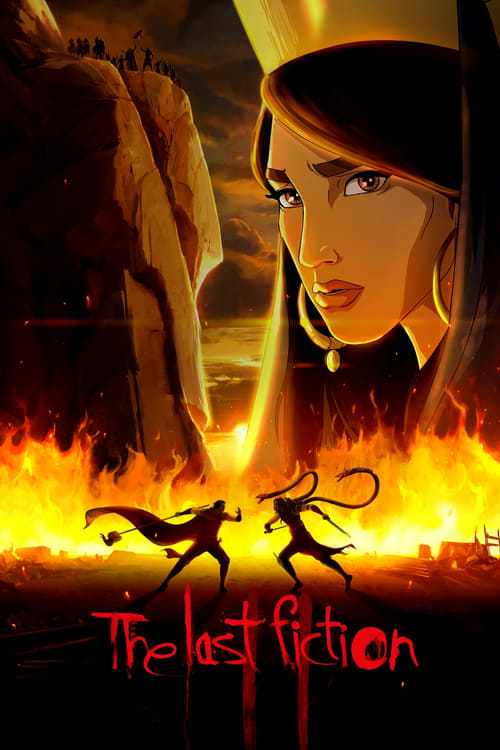
Kingdom of Jamkard, ancient Persia. After defeating the armies of Ahriman, embodiment of evil, King Jamshid, bearer of the light of Divine Power, abandons his people blinded by pride, determined to conquer new lands. Thus, by chance, Zahhaak becomes regent and undertakes the reconstruction of the devastated capital. But then Ahriman, who dwells in the heart of every human being, begins to poison his tormented soul.
The Last Fiction

Ziba is getting ready for her daughter's wedding when she's abducted by a feared gang. She tries to escape but does not have much time, as her daughter is on her way to the location, unaware of what awaits.
The Killer and the Savage

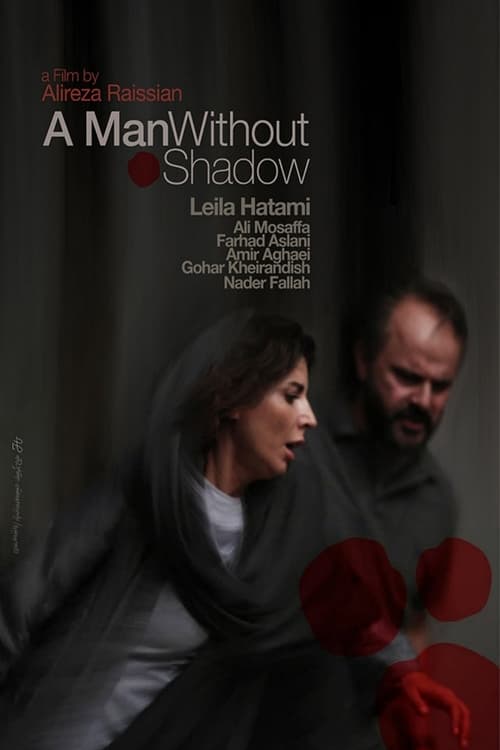
The film A Shadowless Man in the Social Genre, produced in 1397 and filmed in Iran and Spain. The director of this work, Alireza Reisian, went on to make a film without shadows after the films "Forty Years" and "The Age of Love". A Shadowless Man was screened at the 37th Fajr Festival. The story of this film deals with the emotional and marital relationship of contemporary man, who has a special look at social problems these days. The film's synopsis states that filmmaker Mahan Koushiar decides to make a documentary about a serial murder, but his life is affected.
A Man without a Shadow

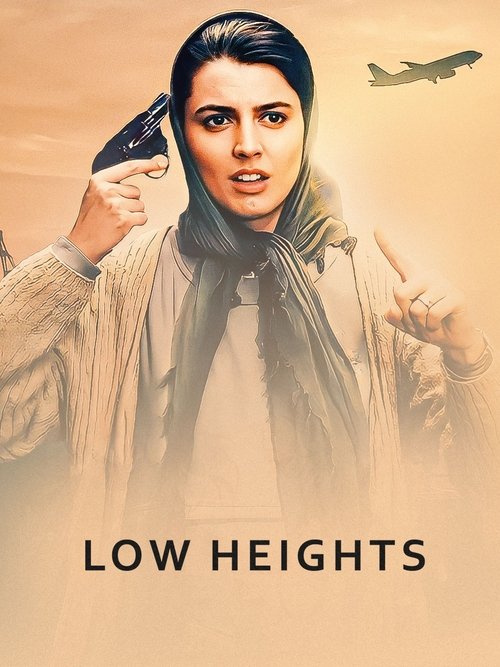
A person wants to hijack an airplane to go out of Iran and cure his sick son.