FEEL IT.STREAM
Maroun Bagdadi

Maroun Bagdadi

Directing

Biography

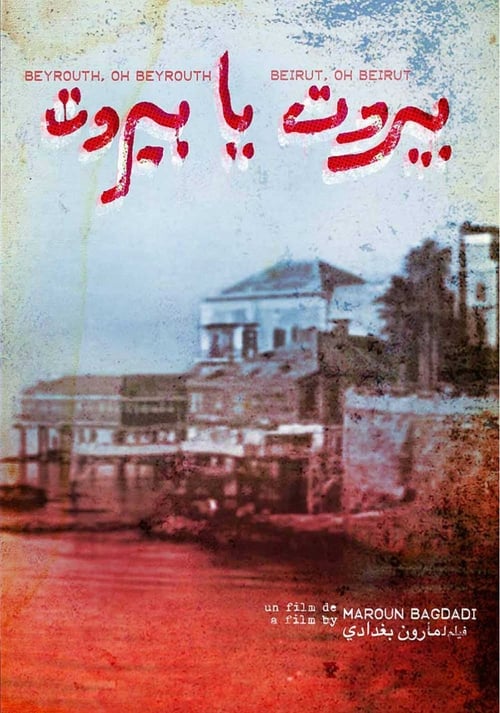
Maroun Bagdadi (Arabic: مارون بغدادي‎; January 21, 1950 – December 11, 1993) was a Lebanese film director known for his vivid portrayal of Lebanon's civil war. Bagdadi was internationally the best-known Lebanese filmmaker of his generation. He worked with American producer/director Francis Coppola and made several films in French that became hits in France. Maroun Bagdadi was arguably Lebanon's most prominent filmmaker, one whose work has been seen all over the world. One of his best-known films, Houroub Saghira (Little Wars), was shown at the 1982 Cannes Film Festival, drawing this comment from a prominent film critic: "To make a film about Beirut that eschews polemics for more universal, more human issues is an achievement." His first Lebanese production was for television, an educational program called 7½. In 1975, he directed his first feature film, Beyrouth Ya Beyrouth. Koullouna Lil Watan, a 75-minute documentary produced in 1979, won the Jury Honor Prize at the International Leipzig Festival Documentary and Animated Film.
Known For

Chillers
6.7

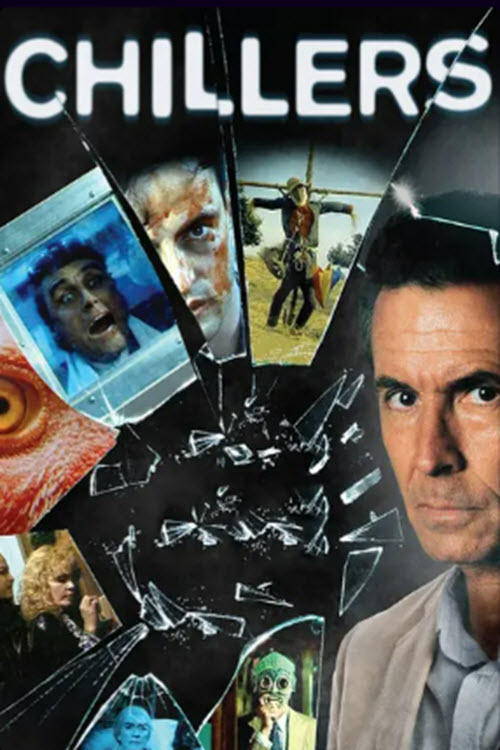
A 1990 horror anthology series, with host Anthony Perkins presenting and screening tales based on Patricia Highsmith's short stories that display a sinister atmosphere, and delve into the darkest depths of human nature.

Chillers

1990
No image
1.0

TV Show Details

Les Jupons de la révolution

1989
Room 666
6.6

During the 1982 Cannes Film Festival, Wim Wenders asked a number of global film directors to, one at a time, go into a hotel room, turn on the camera, and answer a simple question: "What is the future of cinema?"

Room 666

1985
No image
9.0

The work and courage of the doctors who are part of the "Médecins des hommes" association - a series of stories inspired by the real actions of "Médecins du monde" (Doctors of the World).

Médecins des hommes

1988
The Girl in the Air
6.6

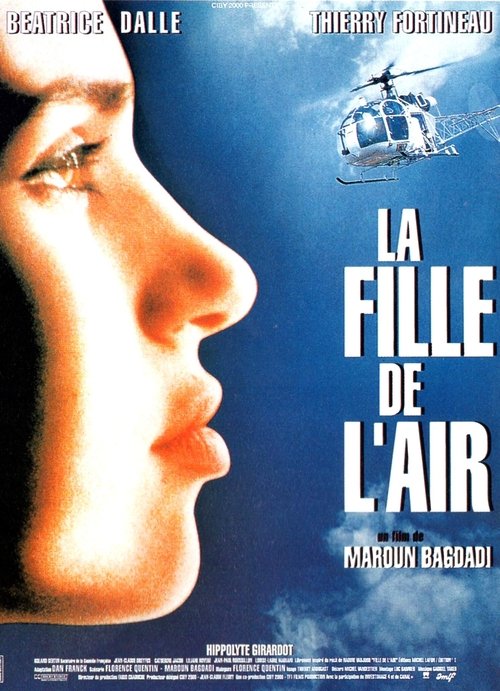
Who would have expected Brigitte to marry a prisoner with a long sentence in the first place? In this romantic action movie, that is only the first in a long line of surprising actions by the young woman. Somehow, she manages to get hooked to the young prisoner before realizing that he'll be locked up for another three or four decades. She decides that this is much too long to wait to spend time with her sweetheart and decides to learn how to fly a helicopter. Why? So she can fly in and take him out of his prison yard, which is exactly what she does, thrilling romantics all over France and seriously upsetting the authorities. This award-winning film is based on a true incident from 1986.

The Girl in the Air

1992
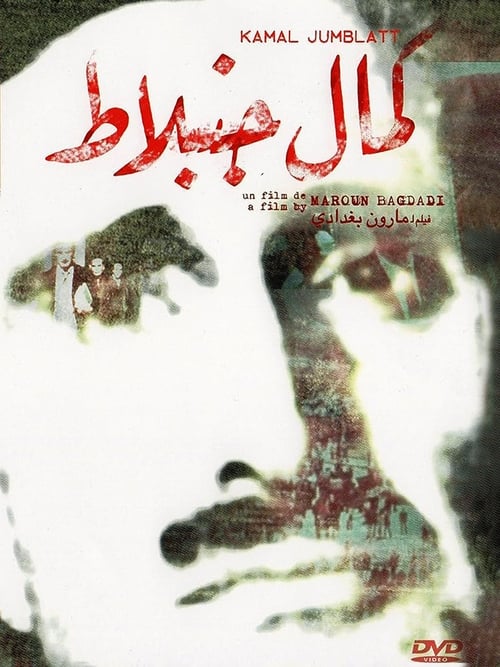
Greetings to Kamal Jumblatt
6.4

Tribute to the Druze Kamal Jumblatt, Minister of Economy and Agriculture (1946) and founder of the Progressive Socialist Party (PSP) in 1949. He was one of the architects of the departure of President Bechara el-Khoury (1952), before playing a major role in the events of 1958. From 1960 to 1964, Kamal Jumblatt assumed, under the presidency of Fouad Chehab, various ministerial functions . . After the conflict of June 1967, he gradually approached the Palestinian organizations. In 1969 he became Minister of the Interior; in August 1970, he supported the election of Soleiman Frangié as President of the Republic. Following the Lebanese-Palestinian clashes of May 1973, he took sides against the head of state, established himself as the leader of the National Movement in 1975 and engaged in a revolutionary armed struggle against the Lebanese Front. Hostile to Syria's intervention in Lebanon, he broke with it (March 1976). He was assassinated near a Syrian checkpoint in 1977.

Greetings to Kamal Jumblatt

1977
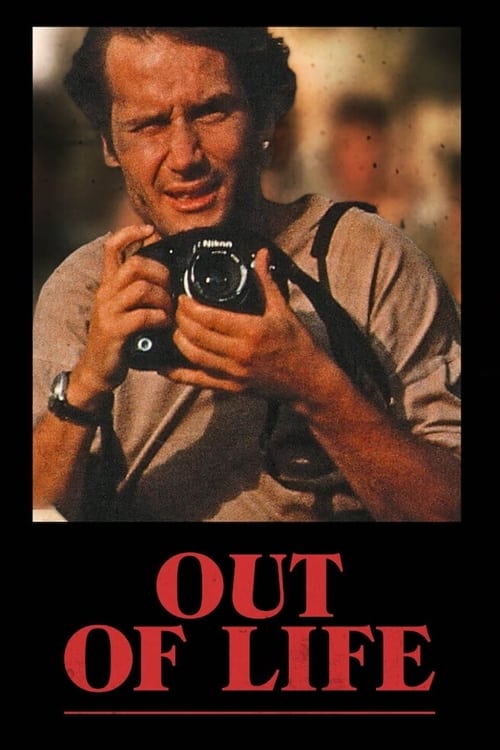
Out of Life
5.9

Patrick Perrault, a photo-journalist covering the war in Beirut in the late 1980s, is himself caught up in the hostilities when one day he is picked up and bundled into a car at gun-point. Blind-folded, he is taken to an unknown location where he discovers that he is being taken hostage by Lebanese guerrillas.

Out of Life

1991
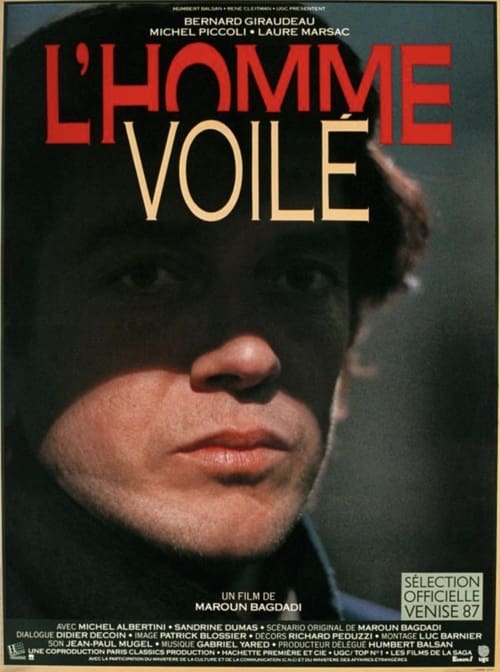
The Veiled Man
4.5

Claire (Laure Marsac) is a 16-year-old young woman who discovers her father Pierre (Bernard Giraudeau) is not a healing physician but a killer with a bloody war record in the Lebanese conflict. She runs away from home and into the arms of Kamal (Michal Albertini). While Pierre stalks two terrorists, Claire and Kamal are violently confronted by Kamal's abandoned wife and family. The ravages of the conflict extend to those who are never participants in the battle but are among the casualties of war.

The Veiled Man

1987
Beirut, Oh Beirut
7.3

In the aftermath of the 1967 defeat, four young Lebanese try to figure out their places in a society whose rules seem to have changed. It proved to be an extraordinary anticipation of the civil war that would engulf the country while the film was being edited.

Beirut, Oh Beirut

1975
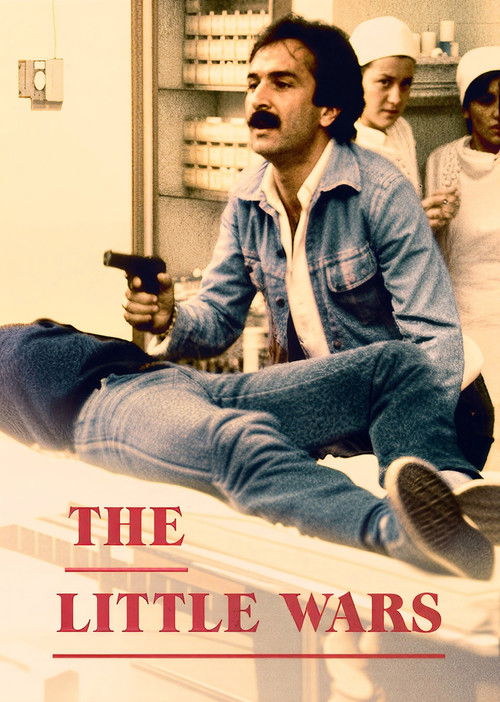
The Little Wars
6.3

Beirut resident Soraya is drawn to two men: daredevil photographer Nabil and Talal, who must embrace his feudal heritage when his father is kidnapped.

The Little Wars

1982
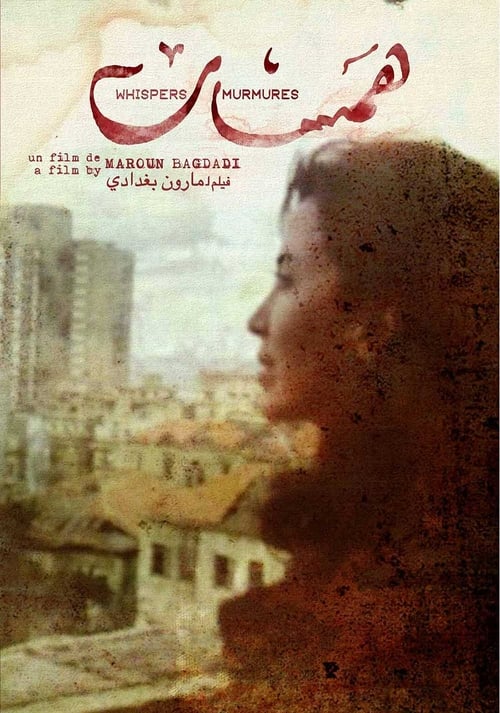
Whispers
5.5

At every station, between sites filled with poetry and nostalgia for a bygone era, the poet's dashed dreams and idealized vision of her country coincide with the director's own.

Whispers

1980
Lebanon, the Land of Honey and Incense
N/A

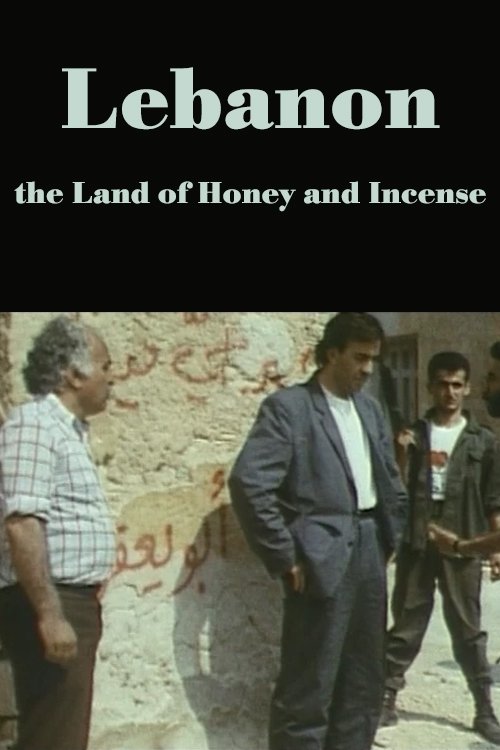
Doctor Fournier arrives in Beirut as the civil war is raging. He finds himself with a colleague working in a hospital controlled by a Shiite militia and treating the injured. Driven by his doctor’s oath, he crosses the demarcation line to treat Christian casualties of the ongoing clashes. This causes Muslims in his neighborhood to brand him a traitor. He is kidnapped to be exchanged for a fighter captured by Christian militiamen. The film is part of the TV series *Médecins des hommes *(*Doctors of men*). It was considered the best movie in the series.

Lebanon, the Land of Honey and Incense

1988
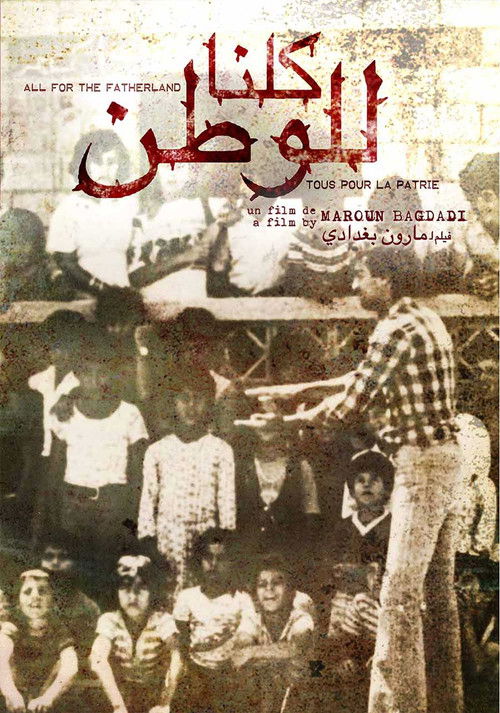
We Are All for the Fatherland
7.1

After the 1978 Israeli invasion of Lebanon, children try to sing the national anthem as citizens search for hope in the war-torn South.

We Are All for the Fatherland

1979
No image
5.6

The camera wanders through streets standing witness to a war that has destroyed a city and an entire nation. Bagdadi goes to war against the Lebanese civil war, exploring different locations and situations in a country faced with its own demise. The poetic text raises questions of life and death through contrasting images of violent death and the will to live.

War on War

1983
No image
N/A

Bagdadi visits the southernmost town of Nabatiyeh to capture the beating pulse of the Ashoura celebrations as the faithful commemorate a chapter of their collective memory. He retraces the details of a story through those that identify with it year after year, analyzing history to understand its present-day influences.

Achoura

1984
The Story of a Village and a War
6.0

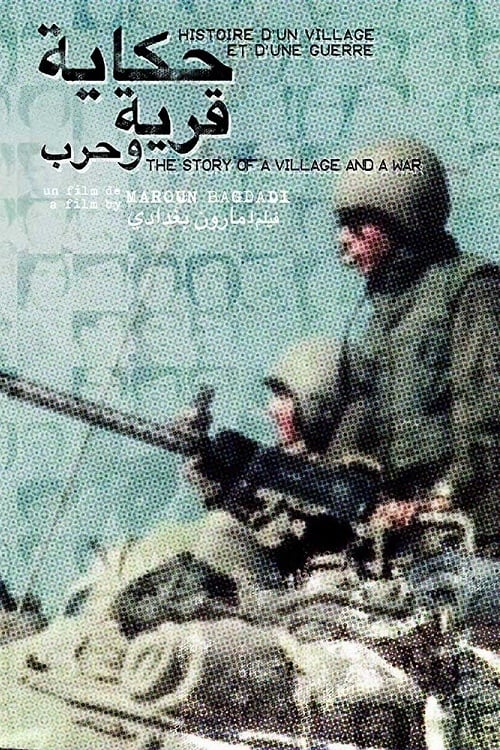
"The Story of a Village and a War" is a film about the citizens of South Lebanon during the israeli invasion in 1978. The film highlights their daily suffering during the occupation. It was shown at the United Nations at the request of Ghassan Tueini, the representative of Lebanon back then. The screening helped in the issuance of resolution 425, which provided for the withdrawal of the israeli occupation from the South.

The Story of a Village and a War

1979
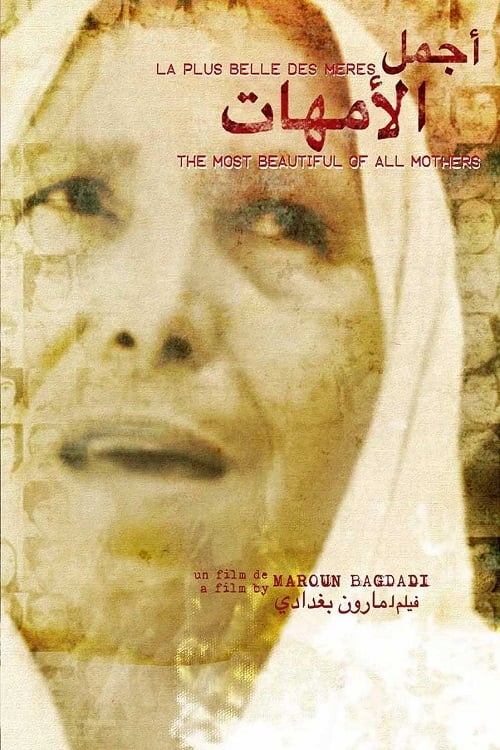
The Most Beautiful of All Mothers
6.1

Interviews with mothers and family members who lost loved ones in the Lebanese conflict with Israel.

The Most Beautiful of All Mothers

1978
Director on the Edge of Reality
N/A

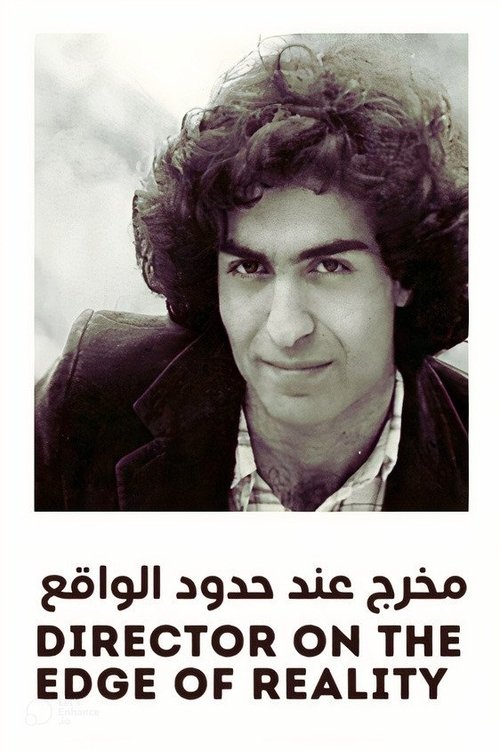
A biography of the late filmmaker, Maroun Bagdadi, portraying the stages of his life, excerpts from his interviews and films until the very last moments of his life.

Director on the Edge of Reality

2013