
Eiichi Yamamoto
Directing
Biography
Eiichi Yamamoto (山本 暎一, Yamamoto Eiichi, 22 November 1940 – 7 September 2021) was a Japanese film director and screenwriter of anime. He is known for directing the Animerama film series conceived by Osamu Tezuka. Yamamoto directed ten films between 1962 and 1986. His 1973 film Kanashimi no Belladonna was entered into the 23rd Berlin International Film Festival. Besides film work, Yamamoto also served as screenwriter on the anime television series Space Battleship Yamato and wrote the screenplay for its 1977 film adaptation.
Known For

In the year 2000, Dr. Boyton creates a super-robot in his deceased son's image. He calls the robot Astro Boy. Astro Boy can swim oceans, leap over mountains, even fly into space on his own power. However, Astro Boy can't replace his son. Dr. Boyton becomes dissatisfied with the boy robot and disowns him. Astro Boy is befriended by Dr. Packadermus J. Elefun of the Institute of Science, who guides him through his adventures. Endowed with super strength, rocket-powered flight, a selfless heart and a kind demeanor, Astro Boy fights a never-ending crusade against the forces of evil!
Astro Boy
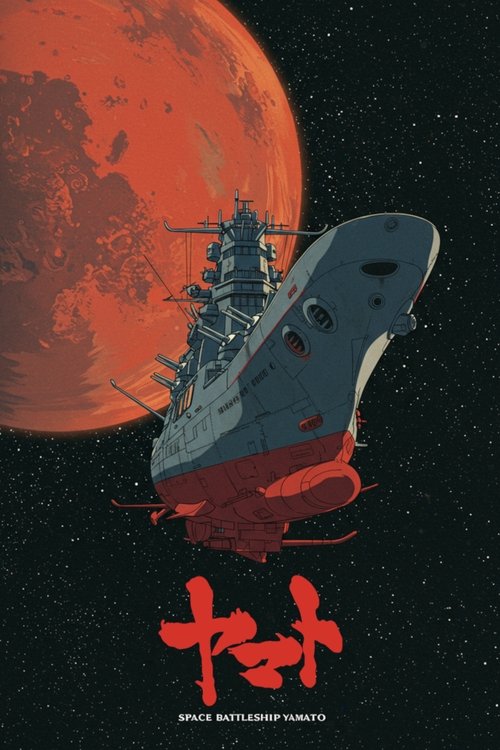
Space Battleship Yamato is a Japanese science fiction anime series featuring an eponymous spacecraft. It is also known to English-speaking audiences as Space Cruiser Yamato; an English-dubbed and heavily edited version of the series was broadcast on North American and Australian television as Star Blazers. The first two seasons of this version were broadcast in Greece in 1981-82 as Διαστημόπλοιο Αργώ. An Italian-language version was also broadcast under the name Star Blazers in Italy, and a Portuguese-language version was successfully shown in Brazil under the title Patrulha Estelar and Viaje a la Ultima Galaxia or Astronave Intrepido in Spain and Latin America. It is a seminal series in the history of anime, marking a turn towards more complex serious works and influencing works such as Mobile Suit Gundam and Neon Genesis Evangelion; Hideaki Anno has ranked Yamato his favorite anime and credited it with sparking his interest in anime. Yamato was the first anime series or movie to win the Seiun Award, a feat not repeated until the 1985 Nausicaä of the Valley of the Wind.
Space Battleship Yamato
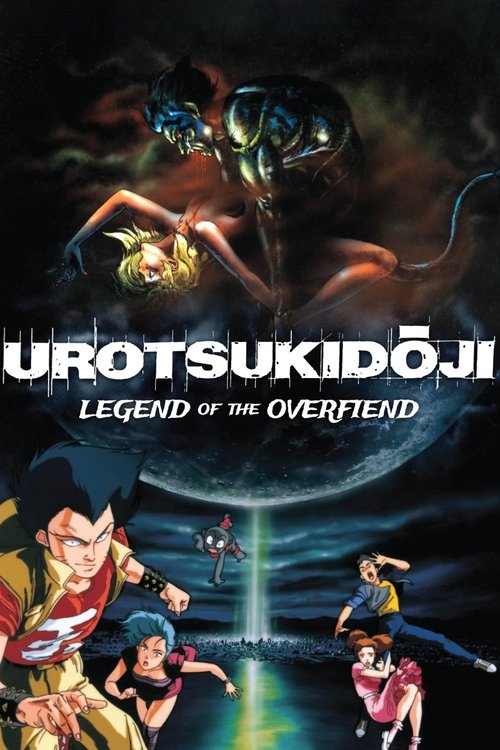
Legend has it that the human race is not the only dominant civilization living on Earth. Two other races exist in this world: the Makai (a demon race) and the Jujinkai (a half-man, half-beast race). Once every 3,000 years, a supreme being known as the Choujin (Overfiend) will emerge and bring balance to all three realms on Earth. In present-day Japan, after 300 years of endless searching, a Jujinkai named Amano Jyaku has discovered the presence of the Choujin inside high school slacker Tatsuo Nagumo. But now, Amano, along with his sister Megumi and their sidekick Kuroko, must protect Nagumo and his new girlfriend Akemi Ito from the Makai, who believe that Nagumo is not the Choujin, but an evil entity bent on destroying all living beings on Earth.
Urotsukidōji: Legend of the Overfiend
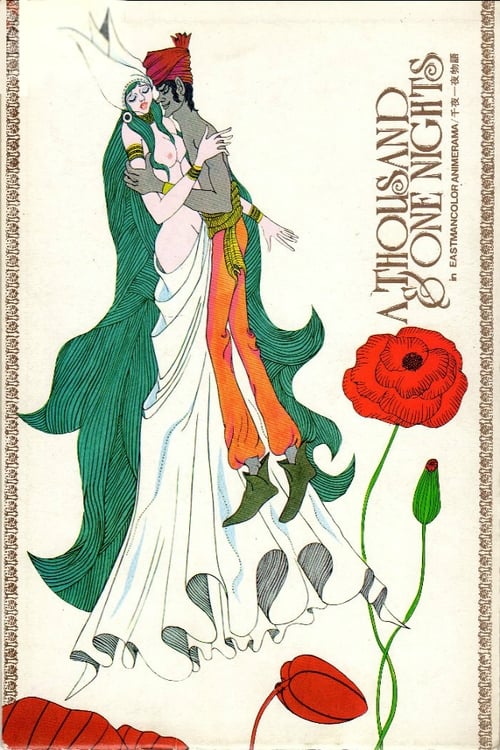
Aldin, a vagabond water vendor, embarks of a series of fantastical and tragic misadventures through the Middle East in search of love, fortune, and power.
A Thousand and One Nights

An evil feudal lord rapes a village girl on her wedding night and proceeds to ruin her and her husband's lives. After she's eventually banished from her village, the girl makes a pact with the devil to gain magical ability and take revenge.
Belladonna of Sadness
No description available.
Little Wansa
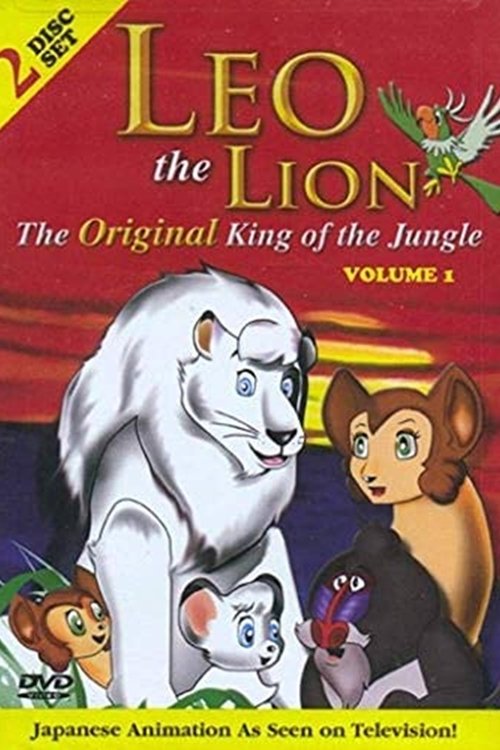
Leo the Lion is a sequel to the Japanese-American co-produced series "Jungle Emperor", or Kimba the White Lion. Osamu Tezuka had always wanted his story of Kimba to follow Kimba's entire life, and the Jungle Emperor/Kimba series was such a hit in Japan that Dr. Tezuka produced a sequel, without his American partners, in 1966. Making the series without a co-producer gave him complete creative control. For example, Dr. Tezuka changed the conclusion of his original manga story to a happy ending. Leo the Lion does not follow immediately from the end of the Kimba series. Instead, the story begins a couple of years following the end of the previous series. To English-speaking audiences, the behavior of the title character is inexplicably out of line with what was established in the first series. At the end of the first series, in the original Japanese script, Kimba promises to keep his animals separate from humans. It is this promise that drives the seemingly hermit-like Leo in this series. As the series unfolds, the focus shifts from the title character to one of his cubs, the male named Rune. This series as a whole is about Rune's growth, from a whining weakling to a confident leader.
Leo the Lion
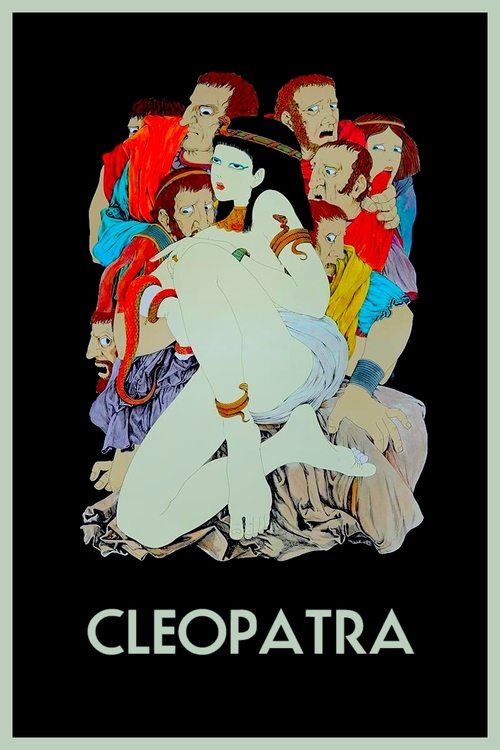
Three people from the future, who travel spiritually to the era of the Egyptian queen Cleopatra VII Philopator and her Roman lovers Julius Caesar and Mark Antony, become their closest friends as they try to unravel the nature of the plan developed in their own time by a sinister enemy.
Cleopatra: Queen of Sex
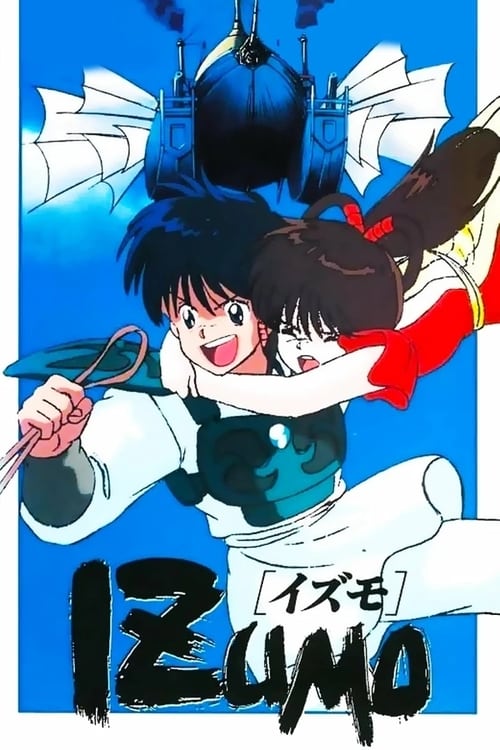
A historical fantasy set in third century (i.e., mythical) Japan. It tells the story of Izumo, the young prince of Nakatsukuni. He's not very interested in studying, unlike his cousin Dekiru; instead, he wants to see the wider world. One day, a mysterious girl named Sanae shows up as a stowaway on an airship. Although nominally from Yamataikoku, she is actually from the Naga, a shadowy people possessing magical powers. Sanae is kidnapped by Takeru, a warrior from the rival kingdom of Akusa, and placed at the mercy of the evil witch Yomihime. Izumo, helped by an orphaned glider pilot named Navi, must now take up the sacred sword of his country, master its powers, and rescue Sanae. However, before that, he must defeat the reawakened eight-headed snake of legend, Yamata-no-Orochi.
Izumo

Yamato 2520 was Yoshinobu Nishizaki's attempt at a sequel to Space Battleship Yamato, set several hundred years after the original series. However, Nishizaki was sued by Leiji Matsumoto for breach of copyright. Ultimately, Yamato 2520 was left unfinished after only three episodes were released. The OVA series features mechanical designs by Syd Mead and a soundtrack by jazz musician David Matthews.
Yamato 2520
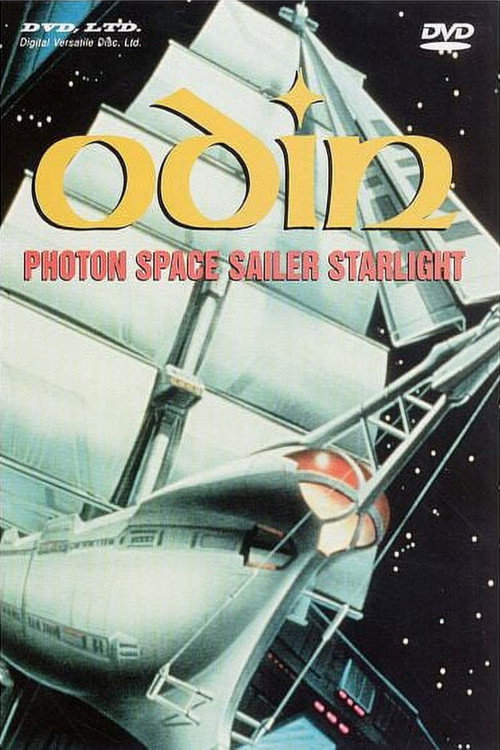
Odin centers around the novice crew of the laser sailing space schooner Starlight as they embark on an historic interstellar test flight. They are intercepted by what seems to be a wrecked spaceship only to find that it contains a lone survivor; a young woman named Sara Cyanbaker. Unknown to the crew at this time, a mechanized space fleet approaches Earth and a scout vessel from that fleet was responsible for the destruction of Sara's ship.
Odin: Starlight Mutiny
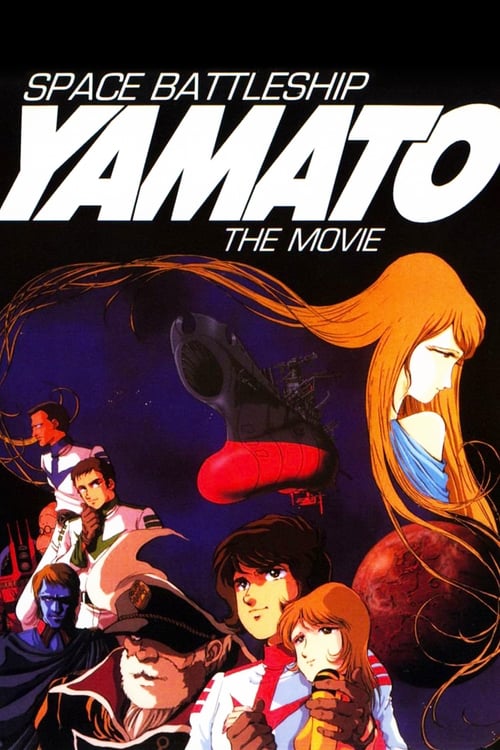
When vile aliens known as the Gamilons wreak nuclear havoc on Earth, a group of survivors refit the Japanese battleship Yamato for intergalactic travel and set off on a mission to retrieve a neutralizer that will eradicate the radiation from Earth's atmosphere.
Space Battleship Yamato
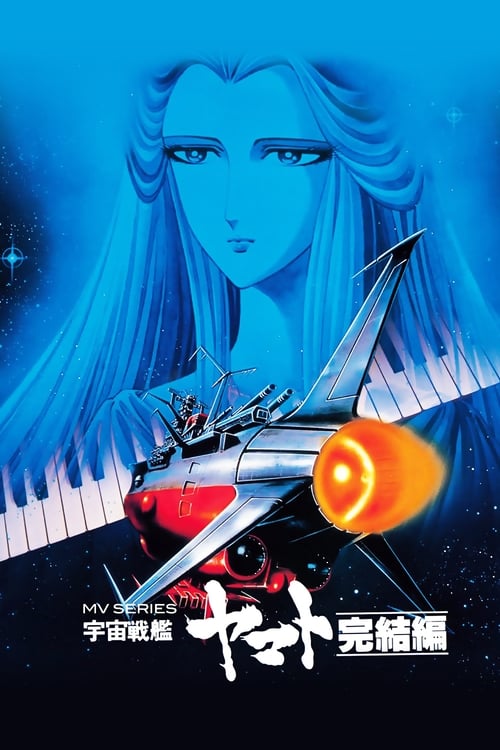
The Galman Empire is destroyed but the planet Galmania is not, by a chance collision of galaxies. The Bolar Federation worlds including Planet Bolar are destroyed. The Yamato, back under the command of Captain Okita, encounters the planet Denguil too late to save its humanoid civilization from being flooded by the water planet Aquarius. The surviving Denguil, a warrior race who believe only the strong should survive, plan to use Aquarius to flood Earth and destroy humanity, in order to create a new home for their race.
Final Yamato
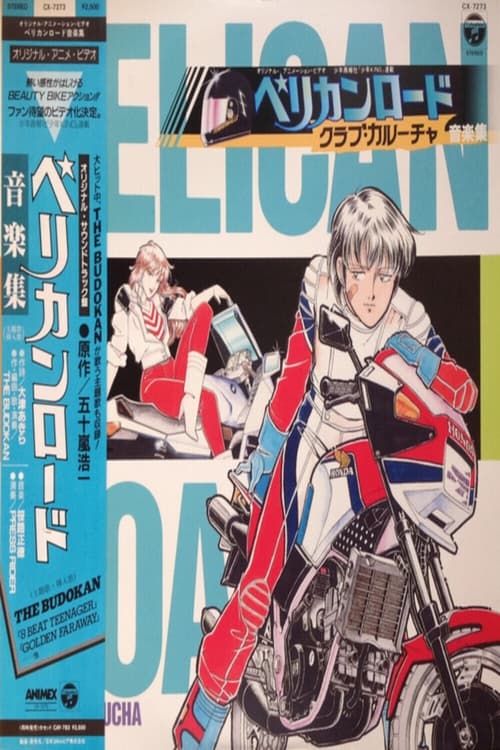
Kenichi Watanabe, a high school student nuts about his MBX50. He and his friends set up a bike club called Culture, and this story chronicles their adventures on the journey towards adult life.
Pelican Road Club Culture
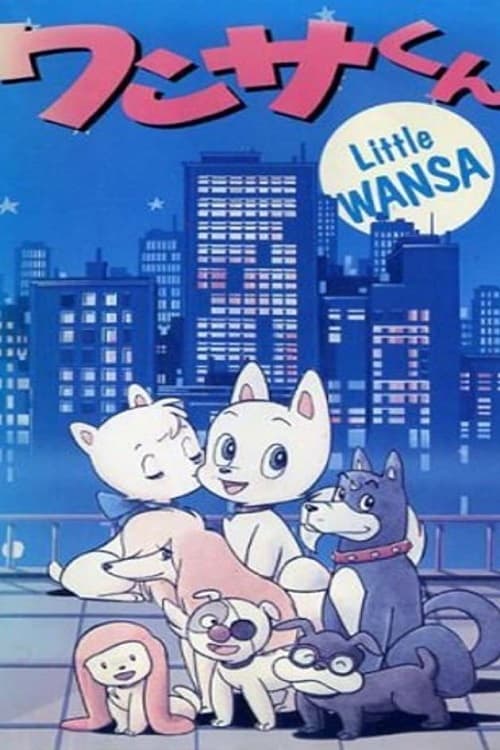
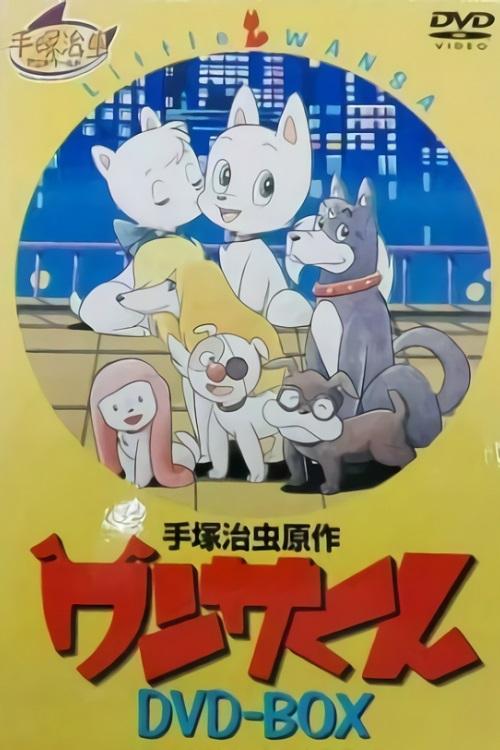
The hero of Wansa-kun was Wansa, a husky puppy who is sold for a pittance, then escapes, and spends much time looking for his mother. During his adventures on the street he meets friends, enemies and his beloved girlfriend. This OVA reunites the complete series aired on TV.
Little Wansa
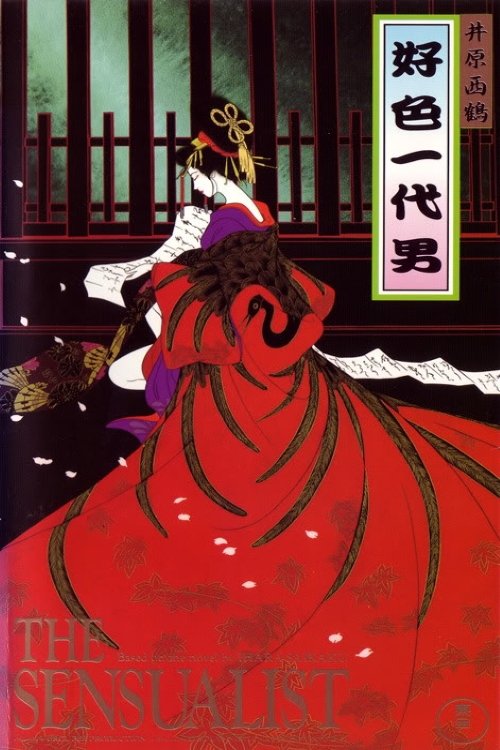
A story of a man's erotic encounter with a courtesan in the 1700s.
The Sensualist
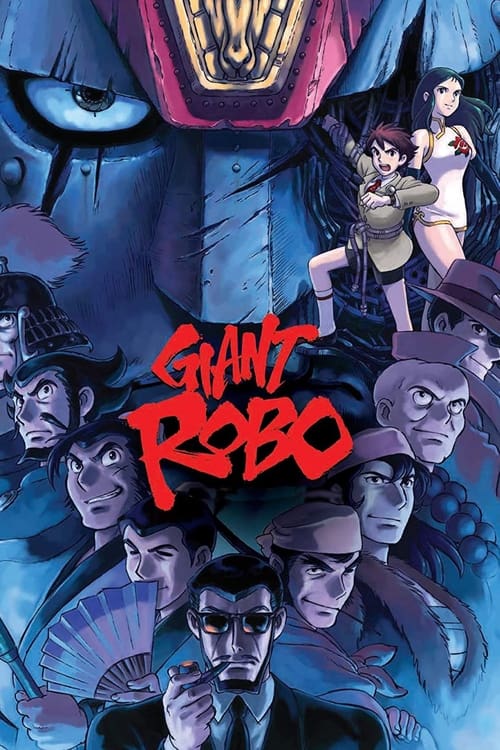
An adolescent with the ability to control a looming war-golem becomes entangled in the Experts of Justice's fight against the infamous group Big Fire.
Giant Robo: The Day the Earth Stood Still
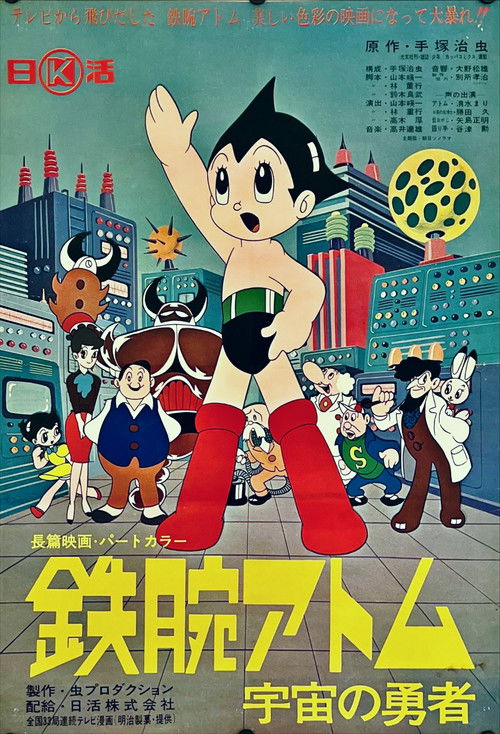
Compilation of Episodes 1,2 46, 56 and 71 from the 1963 Astro Boy series that were reproduced in color for this theater version.
Astro Boy: The Brave In Space
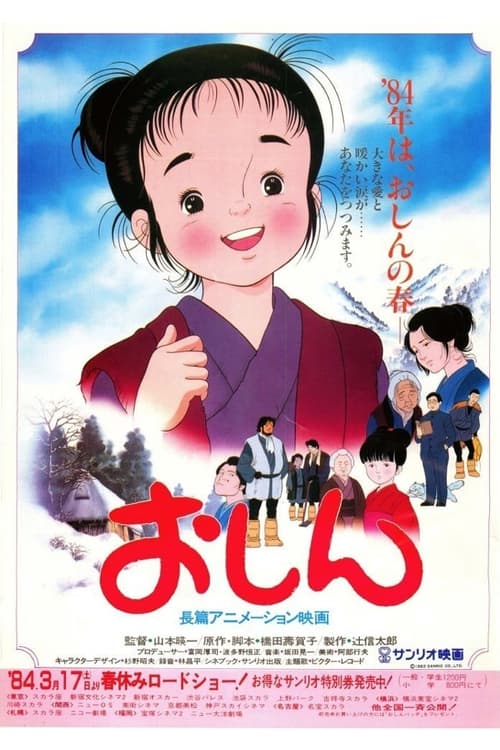
Oshin comes from a family of poor rice farmers. Her father and brother must work in the fields and her grandmother and mother, who is expecting another child, barely have enough to eat. In order to make ends meet for her family, 7-year-old Oshin gives up school and decides to become a servant in the household of a wealthy family, where she faces trials and tribulation beyond her worst fears.
Oshin
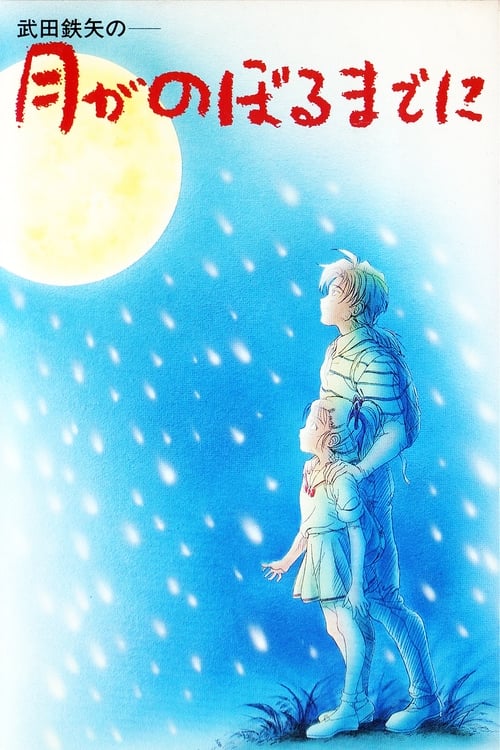
A father and daughter in Japan climb to the top of a ridge to watch the moonrise. As they wail, an old man tells them his story. An adaptation of Tetsuya Takeda's story about the relationship between a Japanese child and an American soldier.