Writing
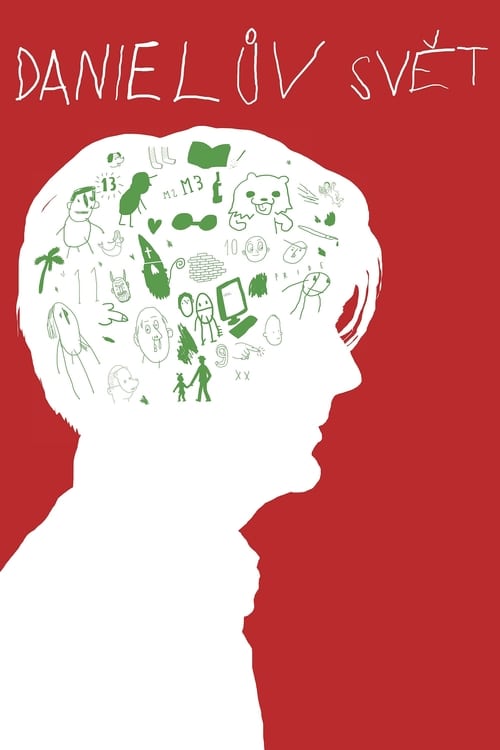
Daniel is a young man. Daniel is a student and a writer. Also Daniel is a pedophile. He is in love and makes no secret of his sexual orientation; even not in front of the parents of his beloved boy. Daniel has never hurt any child. What is the way of the most intimate of feelings in Daniel's and his friends' heart? The film introduces the rises and falls of people living with pedophilia. It portrays Daniel and the Czech community of pedophiles. It narrates a story of forbidden love and a constant struggle to come to terms with oneself and the society.
No description available.
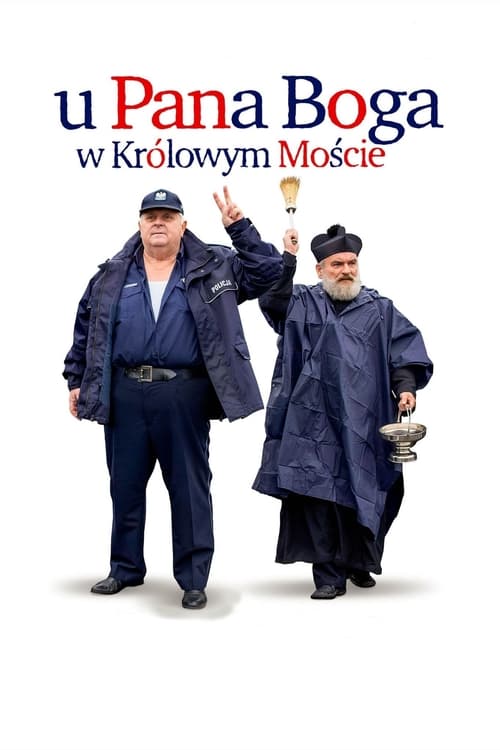
A young archeology student comes to Królowy Most to study the cellars under the church. She finds there a collection of historic documents which may have an enormous impact on the future and prosperity of the village.
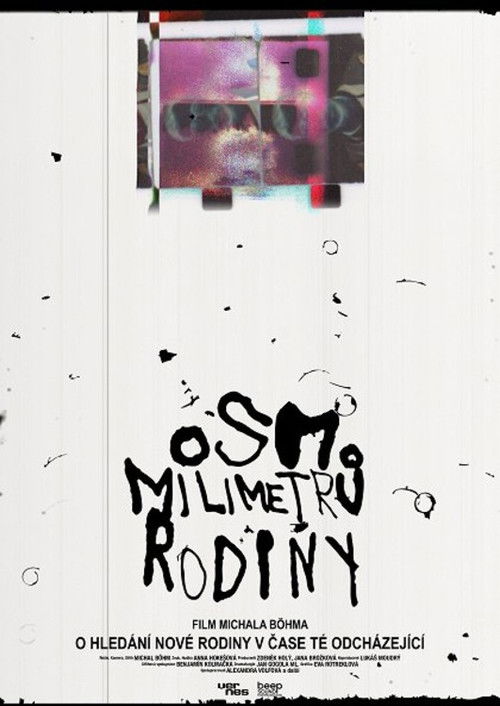
Inspired by Jonas Mekas' diary films and his father's home videos, Michal Böhm composes a candid self-portrait of his own desire for fatherhood from numerous visual fragments. Six years of life, dozens of gestures, smiles, and silent faces captured by the nimble eye of an 8mm camera. A breakup with a partner, a new relationship, his mother's serious illness, meetings with friends. Demonstrations, pandemics, war, and weddings. Things both fleeting and fundamental. Life as a fabric of fleeting impressions and the camera as a tool that captures, shapes, and preserves them for future generations. And above all, reflections on the future and the legacy we will leave behind, and doubts about whether this is the right world and the right time to have a child.
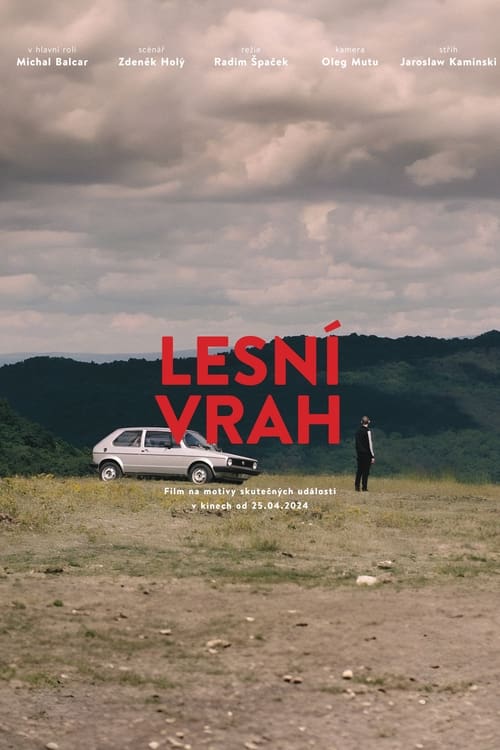
The film is based on real events – in 2005 Viktor Kalivoda murdered 3 random strollers he chanced upon in the forests in Czechia. The case received much attention for its lack of motive. After his arrest, Kalivoda confessed, but did not reveal his motive. The film will closely observe one year in his life leading up to the murders and his arrest.
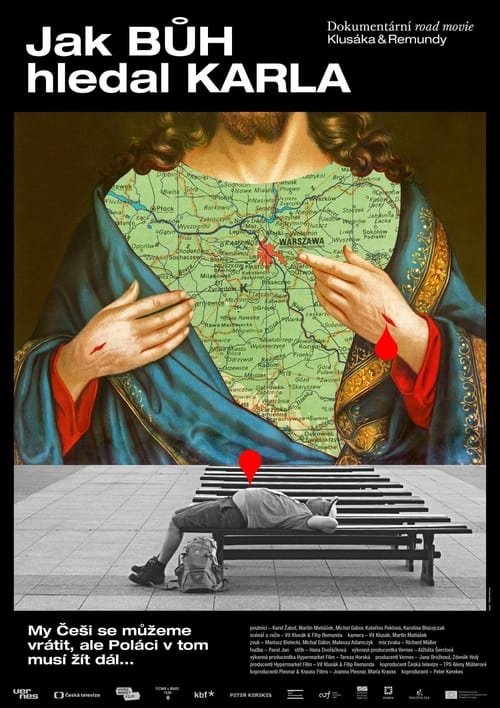
So close, yet so far. Although a bit exaggerated, this can be said about Poles and Czechs – neighbours and related nations. This powerful film builds on the contradictions of two worlds: Czech atheists vs. the exotic reality of a Catholic country. There is no shortage of amusing scenes. The filmmakers address passers-by, nuns, employees of the anti-Semitic Radio Maryja, a priest accused of sexual harassment, and an exorcist. Karel not only becomes an explorer who seeks to find the truth about Polish faith, but at another level also a pilgrim who, through the “path to film” wants to find faith himself. Last but not least, the documentary asks what has happened to Poland in recent years? Why is it as internally divided as Czechia?