Directing
The protagonist of this documentary is Gdańsk and its history. The story begins on the shore of the Baltic Sea, in a Pomeranian town on the European Amber Road. It ends in the contemporary Gdańsk Shipyard.
The ‘Żywe kamienie’ (meaning living stones) from the title are architectural monuments that convey the history of past generations. In this respect, Kraków is a special city - it was not only the royal capital of Poland, but also a city of Jews.
A collective, moving self-portrait of Polish painters of the turn of the century, composed of paintings presented at the exhibition "Symbolism in Polish art" at the National Museum in Warsaw in 1985.
A film suite divided into three parts showing successively the defeat of Warsaw, the gradual awakening of the capital and the first post-war Warsaw spring. The film has no commentary, only music, whose mood and rhythm are closely related to the character of the presented images.
A walk around Warsaw's Praga district.
A group of children are entertained by a seemingly harmless beachside magician who eventually lures them into playing with real weapons.
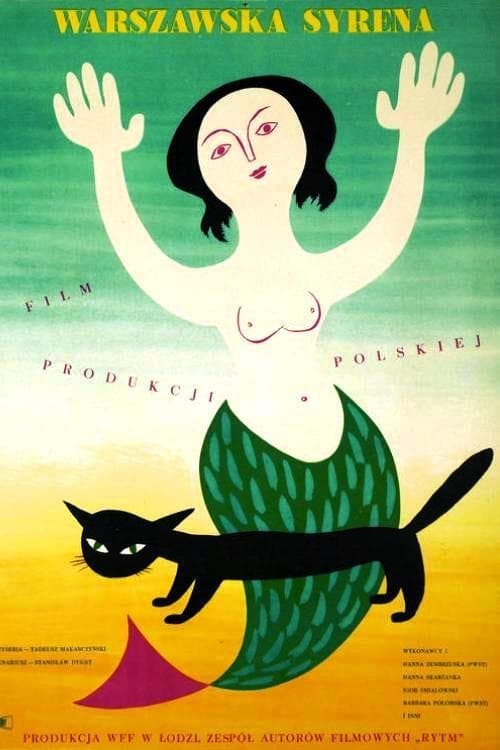
A fairy tale film based on an ancient legend about the founding of Warsaw and the good fairy Sirene of the Mazovian forests, who became the patron saint of the city.
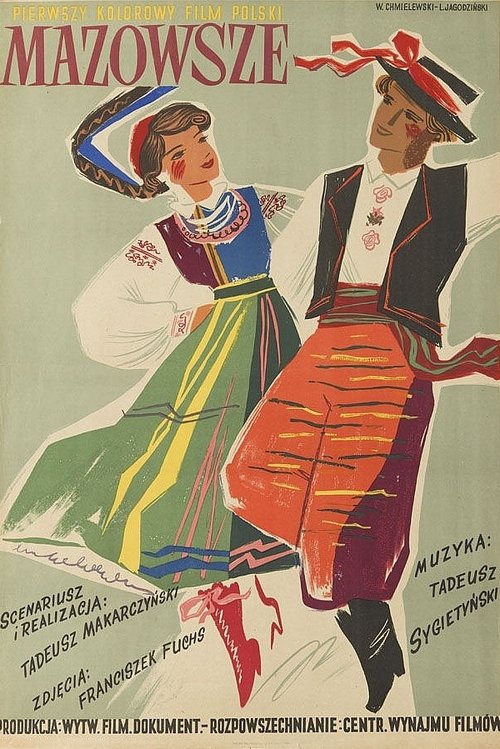
The centennial of Frederic Chopin’s death was celebrated in 1949. The International Chopin Year was held under the auspice of UNESCO. Tadeusz Makarczyński’s film records renditions of Chopin’s mazurkas by entrants of the 4th Chopin International Piano Competition held in Warsaw in 1949. You can hear the performances of representatives from America and different countries in Europe: Halina Czerny-Stefańska and Bella Davidovich of the Soviet Union, the ex aequo winners of the 1st Prize; Carlos Rivero of Mexico, Yevgeniy Malinin of the Soviet Union, and Mireille Auxietre of France. Mazurkas are the essence of Chopin’s music and a symbol of Polishness; they are pieces which integrate young pianists from all over the world into one big “Chopin family”.
Lionel Rogosin's plea for humanity and against war and fascism. For two years, Rogosin traveled to twelve countries to collect footage of war atrocities from their archives. He interspersed these harrowing images with scenes of a London cocktail party's mundane chatter. Good Times, Wonderful Times was released in 1964 at the height of the Vietnam War, and became one of the great anti-war films of the era.
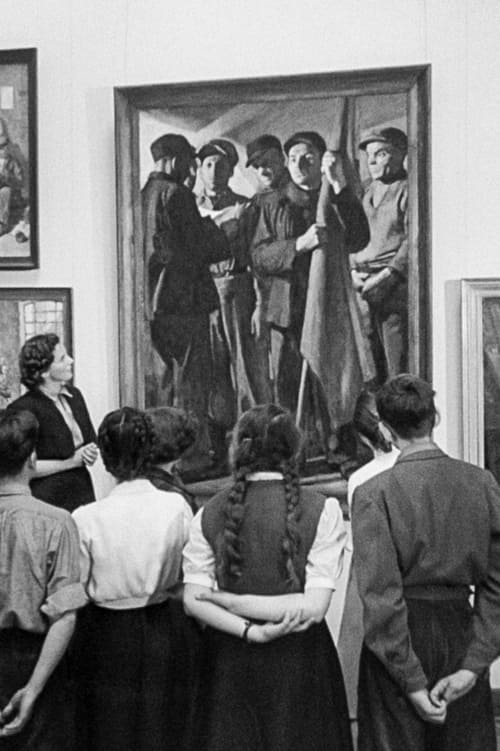
A propaganda piece of reportage from the first Polish Nationwide Art Exhibition that was held in the National Museum in Warsaw in 1950. Makarczynski’s film is a typical example of a socialist realism documentary, realized in accordance with the instructions that had been presented to the filmmakers during the Wisla 1949 summit.
The documentary promotes the outdoor attractions and folklore of the village of Szlebark, located in the Podhale Valley.
A reconstruction of the events of the Warsaw Uprising, based on photographs taken over a period of two months by photojournalist Sylwester Braun, known as "Kris."
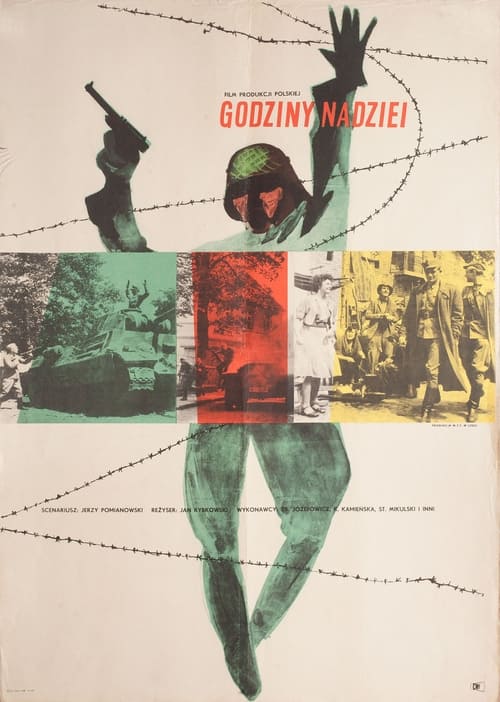
In the last days of World War 2, people of various ethnic background meet in a Polish military hospital in a small German town, whereas a Nazi SS division hides in the local forests and tries to move westwards.
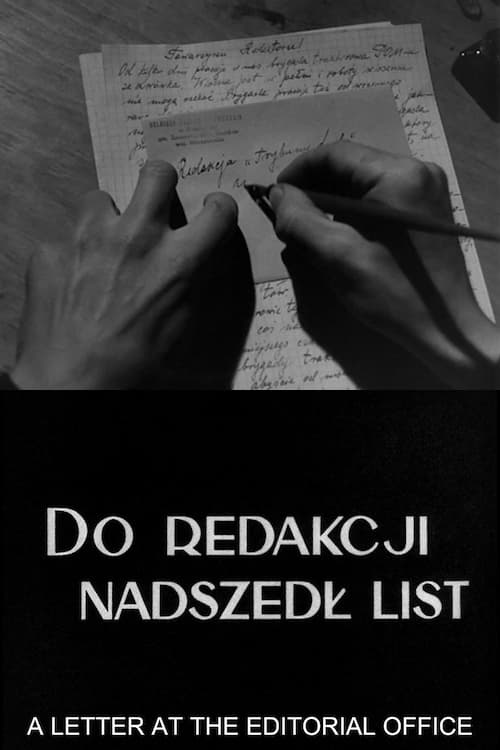
The documentary shows the work of journalists and the importance of the press in building socialism. It is an exemplary implementation of the socialist-realist convention imposed on Polish cinema in 1949, in which all elements of the film structure were subordinated to the persuasive function.
Łopuszna is located on the Dunajec River, 100 km south of Cracow. It is the kingdom of trout and salmon, one of the greatest tourist attractions of Podhale. In addition to that, it has been the home of Polish highlanders for centuries.
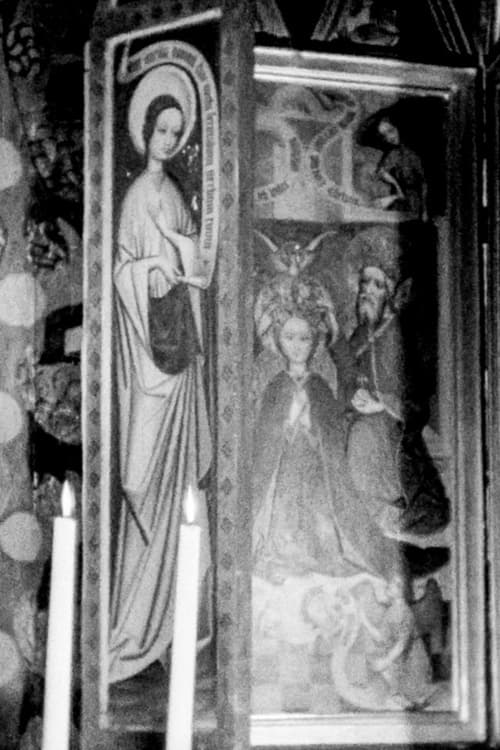
This documentary about St. Mary's Altar takes the viewer back to the 15th century, when Wit Stwosz, a master of woodcarving, came to Poland from Nuremberg. At the request of the City Council, he created an altar that is unmatched not only in Kraków.
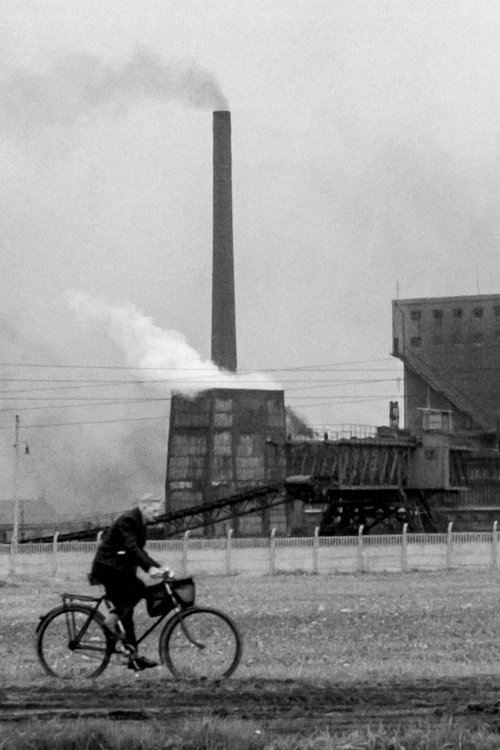
A visit in the painting studio of Teofil Ociepka, a Silesian naive painter. The raw landscape of Silesia contrasts with the colorful, fantastic world of his imagination.
A treasure of Polish culture. A concert film that presents the performance of Mazowsze Song and Dance Ensemble recorded at its headquarters – the palace in Karolina (a part of the village of Otrębusy near Warsaw). The repertoire includes: Bandoska, Kukułeczka, Pod borem and dances such as: oberek, olender.
Polish Film Chronicle was famous for its style, resembling a report, and for its witty commentaries. This special edition is about dogs and the voiceover was recorded by Kazimierz Rudzki.
A record of the first days of the so-called ‘Polska Lubelska’. The camera focused on life in Lublin and other Polish pieces of land conquered in 1944 as a result of the July offensive of the Polish and Red Army. This documentary was made from the perspective of the thirtieth anniversary of People's Poland.