Directing
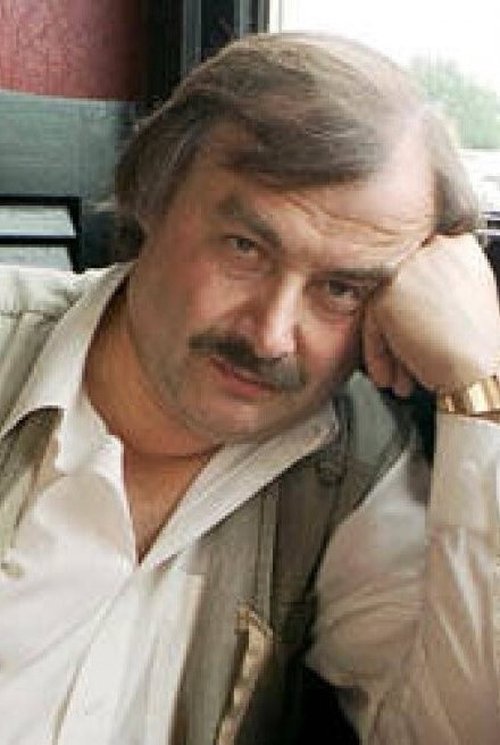
Romualds Pipars is a Latvian cinematographer and film director.
The film’s protagonists Ieva and Apollon are former workers of a collective farm. Once they loved each other passionately. Yet it was in "another" life, the time of kolkholzs. The attempt to revive that love ends up in a tragedy. However the story goes on. The events around their burial are so intriguing that mass media raise them to the level of the United Nations.
No description available.
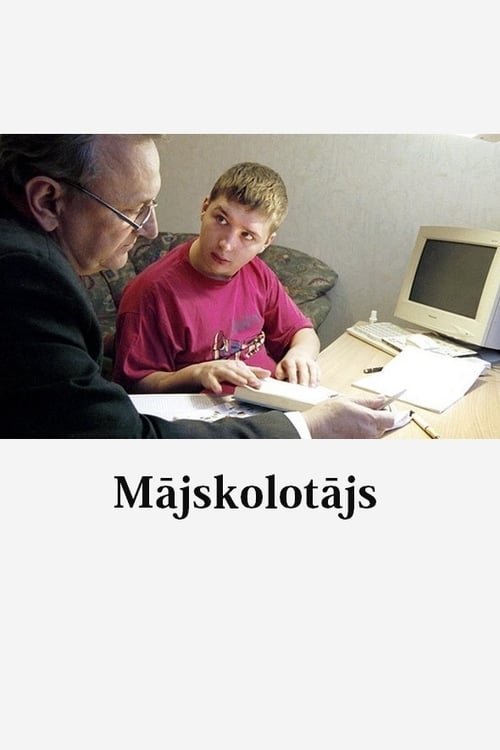
The fates of the students involved in the Latvian educational system reforms and that of their teacher – the screenwriter and film director, Tālivaldis Margēvičs, are unusually intertwined. This leads to thoughts on various, current integration problems and on universal human values.
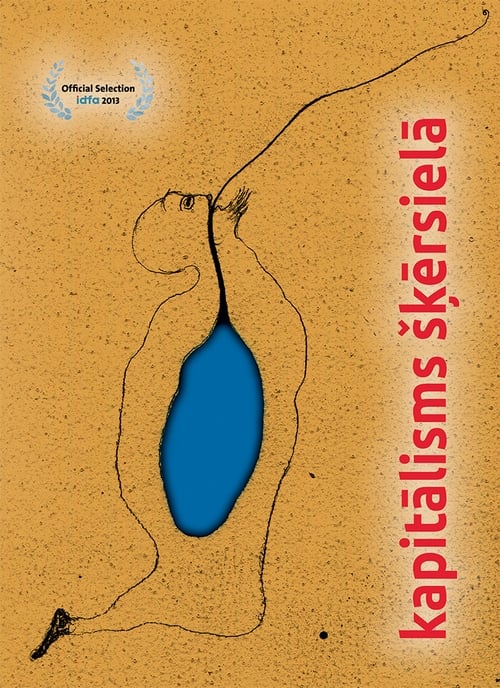
This is the 3rd film in almost 30 years about the daily lives of the people living in this small street of Pārdaugava. We first met them in the late 1980s when the Soviet Union was on the brink of collapse. We visited them again in the wild 1990s. And now we meet them in 2013, again in a whole different world.
A chronicle of LOK activities from 1997 to 2000. This short film allows viewers to experience the atmosphere of the Sydney Games and provides a glimpse into the life of the Sydney Latvian House, where Latvian athletes and their supporters gathered during the Olympic Games. Special attention is paid to race walker Aigars Fadejevs, weightlifter Viktors Ščerbatihs, gymnast Igors Vihrovs, and judoka Vsevolods Zeļonijs.
Using previously unpublished footage shot by amateurs in the era of 8 mm cameras, the film is about the simple human life of those who lived in the Soviet Latvia from 1940 until 1991, a time when a double-moral reigned in society.
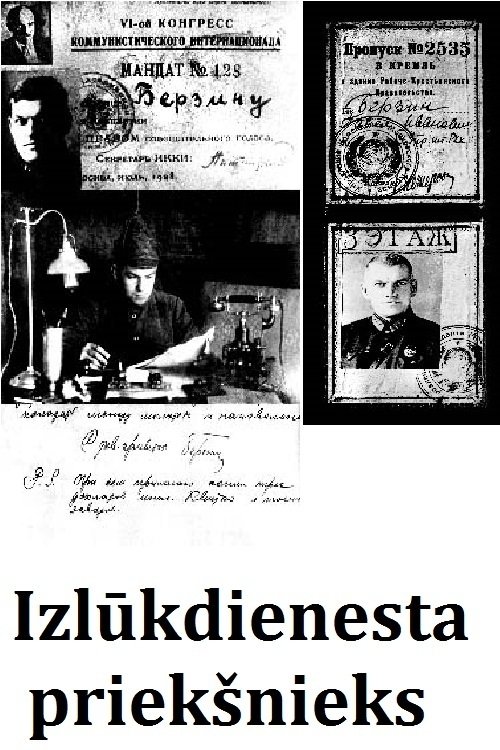
A documentary about Jānis Bērziņš - a Soviet politician and military intelligence officer of Latvian ethnicity.
For the first time in the history of world cultural heritage preservation, a Latvian scientific expedition explores the ancient Karnaka temple in Egypt using the most up-to-date technique: three-dimensional laser scanning.
Life of a modern Roma community of about 100 people living in the small Latvian town of Sabile. In spite of the attempts of the government aimed at integrating Roma kids with the rest of the society, the community's life is still completely different from the life in the rest of the country.
Uldis Brauns' conversation with Ivars Seleckis about films and time.
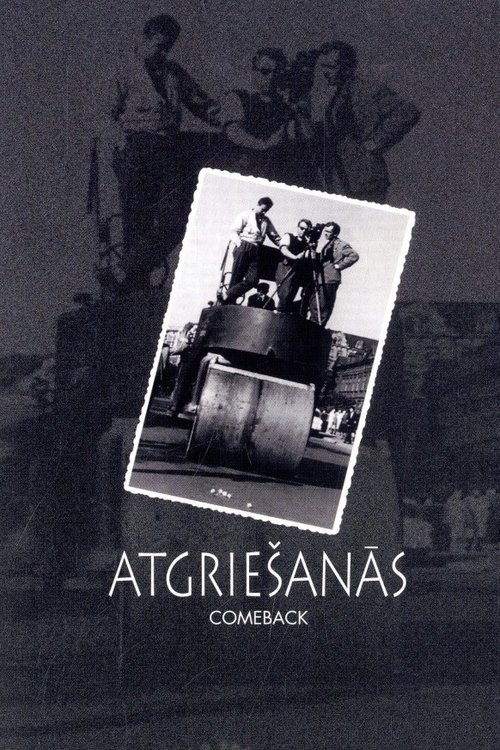
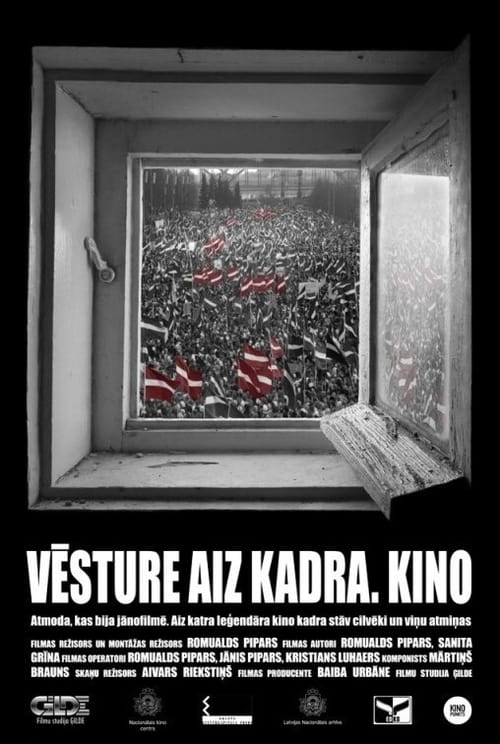
Some of the most iconic images in Latvian visual history were taken 30 years ago, when the so-called Singing Revolution took place. This documentary that includes well-known and previously unseen 35 mm footage, is about those who took these shots, told in their own voices, their own emotions and memories.
Latvian scientists – archaeologists, radar and photogrammetry specialists, architects, geologists, historians, computer programmers and others, banded together to create a unique technology for exploring archaeological sites, and made a sensational find in 2007. In the oldest stone building in the world – Egypt’s Pyramid of Djoser – the Latvian scientific expedition discovered new underground rooms and a network of galleries. This new information has forced a revaluation of previous assumptions about the role and function of pyramids.
A portrait film about Aija Kuģe, an intelligent, charming Latvian woman who is married to a Serb, has lived in Belgrade for 25 years, and is a special correspondent for the American radio station "Brīvība" in Yugoslavia. At the height of NATO air strikes on Belgrade, she continued to report on events in Belgrade, despite increased surveillance by the Yugoslav secret service and NATO bombs. Aija was and is at the very heart of the Yugoslav conflict, as she has gained the trust of all parties involved in the conflict. Aija believes that no conflict can be resolved through repressive methods, weapons or bloodshed. The result of any military action is tears, death, and destruction.
A dynamic film about Riga and its inhabitants.