Camera
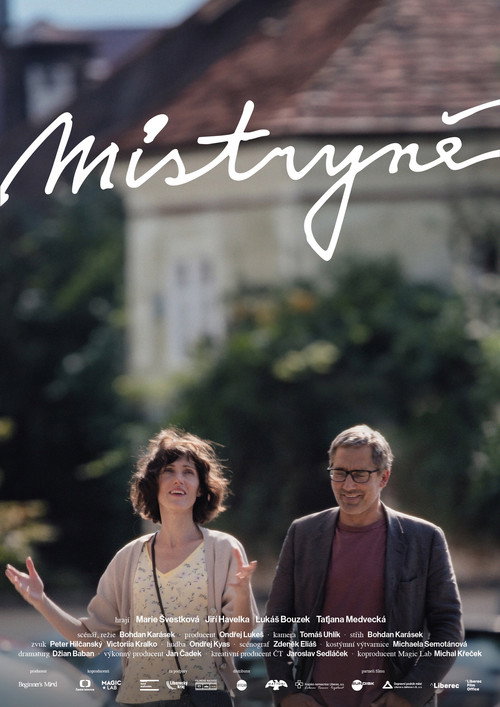
Monika has the life she always dreamed of: she’s a successful doctor and expecting a child in a happy relationship with Lukáš. But is she truly happy? When she unexpectedly reunites with her ex-husband Petr after years, her doubts deepen. A brief meeting turns into a long walk through a summer city, during which unanswered questions begin to surface: "Why did we actually break up back then?" and "What if we had made a different choice?" Through dialogue and gentle humor, we observe how a subtle closeness re-emerges between them in quiet moments - whether in the rain, on a tram, or in the park. Director Bohdan Karásek crafts a sensitive, intimate drama about the roads not taken.
Another "bytový film" by Bohdan Karásek. Milostné písně already uses a more structured screenplay and the plot takes place at many different locations. Another conversational drama.
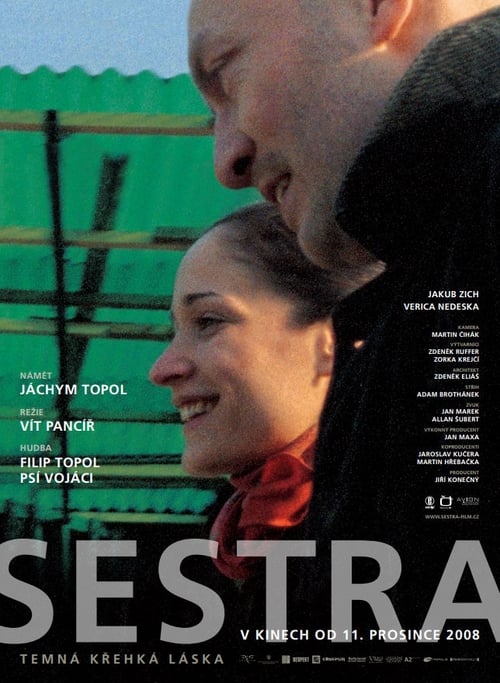
Based on the novel by Jáchym Topol. Potok works as a set designer in a small theater. He is in his thirties and his life is essentially going nowhere. He views his surroundings and himself with contempt. His aimless life only changes when he meets Černá. The couple in love escapes from the city. Inevitably, however, they once again encounter human calculation, shallowness, and bad taste. Potok falls back into his former skepticism, which leads to the total breakdown of their relationship. Černá leaves him, and a desperate Potok slowly comes to a more conciliatory attitude toward the world, where there is no longer any place for great love and dark romance. Unlike Jáchym Topol's literary work of the same name, which takes place during the three years after 1989, the film ignores the time frame. It focuses on the hero's internal conflicts, which are timeless.
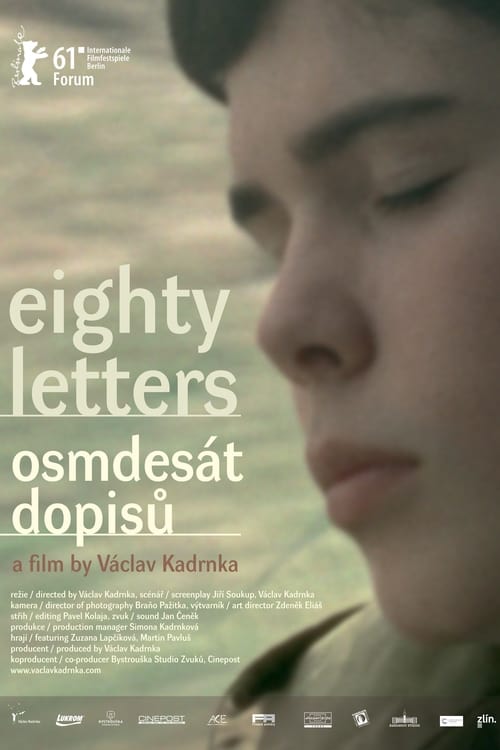
The story takes place in Czechoslovakia in 1987. The father has defected to England and the mother and her son are planning to leave the country to reunite with him. The film is told through the eyes of the fourteen year old boy, his rankled look without the veneer of experience and initiation in one day. Autobiographical.
A tale of Prokop and Magdalena's journey to see a solar eclipse. Along the way, they experience unexpected adventures, ponder life, and, thanks to their confused nature, find themselves in danger. At the same time, it is a poetic reflection on transportation between places and communication between people. Above all, however, it is a portrait of two real people and the world around them in an unexpected situation—a feature film!
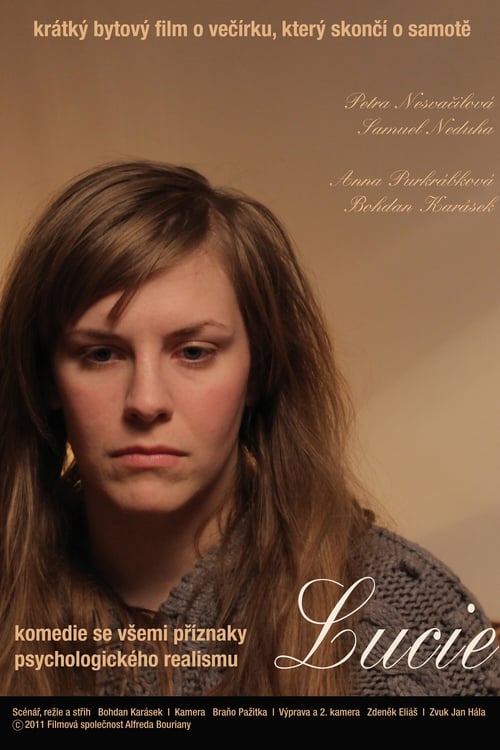
Lucie is a conversational movie, sometimes also called "bytový film" which in translation means "residential movie". The story takes place in one location which is the flat of one of the character's whose name is Lucie. Lucie invites a group of people to have a few drinks and to have some interesting conversations.
No description available.
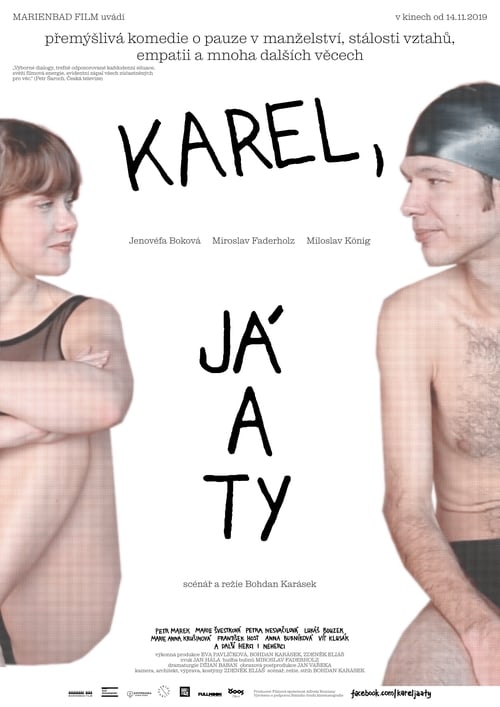
Karel and Saša's marriage has reached a dead end, so Saša moves out of the house for a while. She finds temporary refuge with Dušan, an old acquaintance who once played at their wedding. Both of them, sometimes together, sometimes separately, explore the elusive topic of relationships and shed light on it from their opposite perspectives.
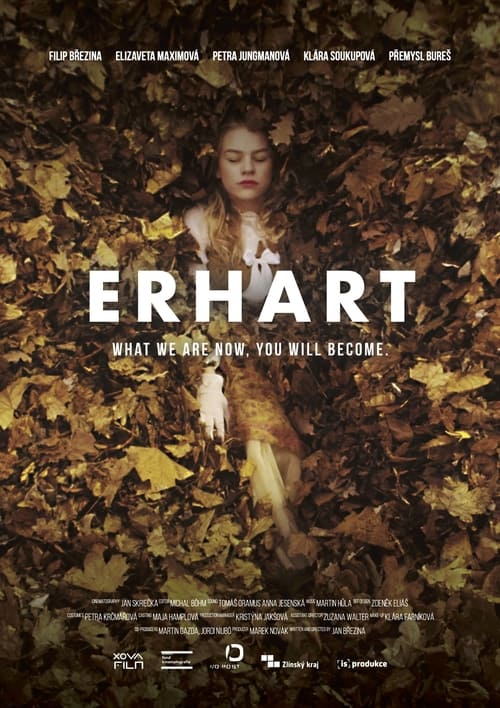
Erhart wants to protect his mentally ill mother from the forced sale of her home. Doing so, he uncovers a scheme that reveals the secrets of his long-vanished father. Family story meets the legacy of post-socialist transformation.