Acting
Liquidation is a highly popular Russian television series, which parallels the famous The Meeting Place Cannot Be Changed with notable ethical shift. In the "Meeting Place", chief of criminal investigations Gleb Zheglov had a modus operandi "Thief must go to prison, no matter how I put him there". In Liquidation, chief of criminal investigations David Gotsman's motto has changed to "Thief must go to prison, but lawfully so". The stars of the film include famous Russian actors such as Vladimir Mashkov and Konstantin Lavronenko. Sergei Makovetsky had to replace Andrey Krasko, who died of heart attack during the filming.
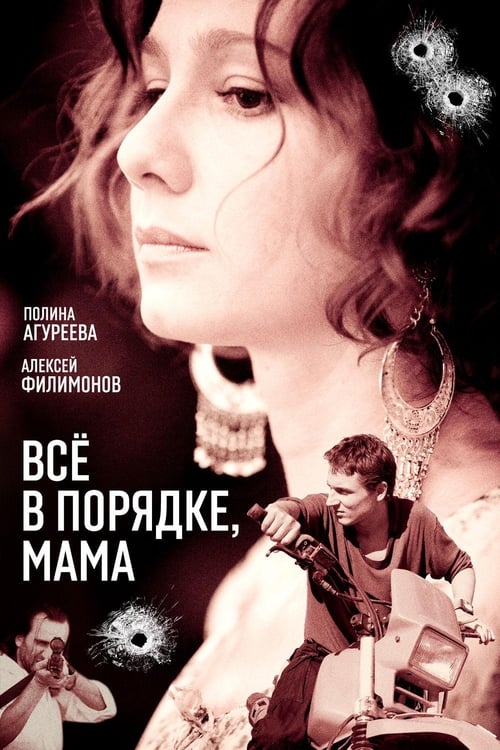
An apolitical rapper from Donetsk volunteers to go to Mariupol to rescue his mother from the besieged city.
In November, at the very beginning of the terrible winter of 1941, when the blockade ring closes around Leningrad, a group of young iceboat athletes goes out onto the thin, not yet formed ice. The mission to deliver ammunition turns into an operation to save orphans from an orphanage who were not evacuated in time. Former rivals in regatta sports must now turn into a real united team in order to survive themselves and give hope to everyone else.
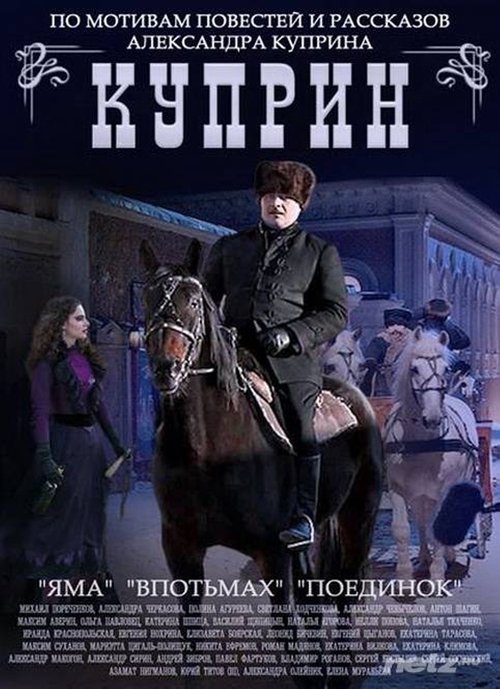
Kuprin (Yama, Vpotmakh, Poedinok)
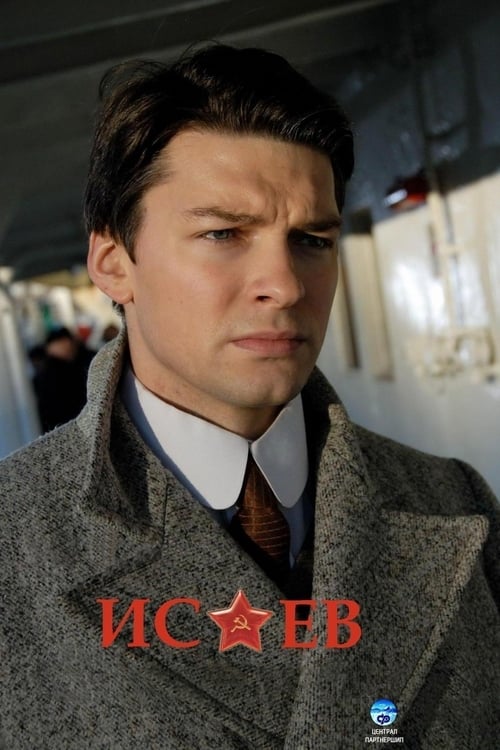
The series is set in the 1920s. It tells about the first tasks of Isaev. First, he goes to Reval to stop the smuggling of valuables stolen from Gokhran. Upon his return, he is sent to Vladivostok to collect information about the actions of the whites. Then he has to go abroad to monitor counterrevolutionary emigration.
Eleven comedic vignettes featuring conversations – some important, some less so – held in restaurants over coffee and cigarettes (how quickly time flies – cigarettes are banned in Russia’s restaurants now). The conversations are candid, and even veer into the territory of murder. In the final credits, the director apologizes to Jim Jarmusch, whose work (in the anthology Coffee and Cigarettes, which Jarmusch shot in pieces over many years) Oldenburg-Svintsov is clearly indebted to. Sex, Coffee, Cigarettes’s kinship with Jarmusch’s film extends to the fact that superstars play tiny roles in almost all of the vignettes.
The play is a compositional study based on a story by Boris Vakhtin. The desire to introduce the audience to the poetic world of Vakhtin's prose and to find an atmosphere reminiscent of the author led the creators to use the form of studies, stage sketches that are extremely conventional and open to the audience's perception. The search for intonation and the fine line between conventionality and authenticity of experience were central to this work.
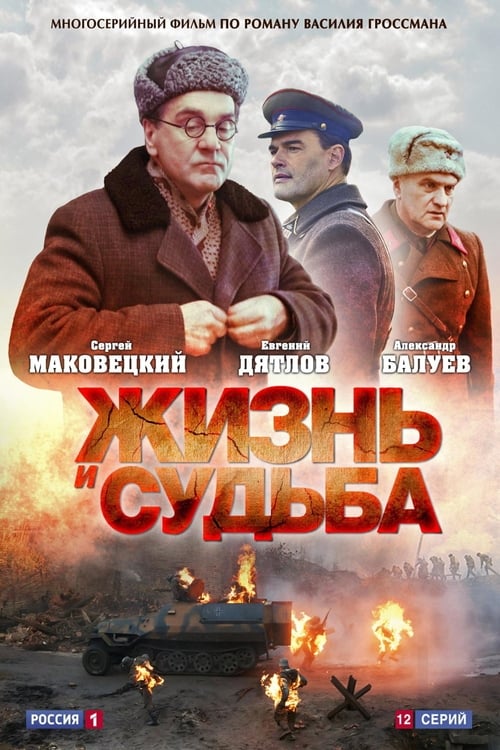
The plot takes place in 1942-1943, during the defense of Stalingrad. The Jew Viktor Strum is a talented nuclear physicist working in one of the country's institutes on the creation of an atomic bomb. At this time, Strum's relatives die in Nazi camps and NKVD dungeons, and persecution begins against him. The inventor can only be saved by his scientific brainchild, which Stalin himself became interested in. The state needs such a powerful weapon as an atomic bomb. The scientist has to make a choice: to remain faithful to science and work for the "leader of the nation" or to abandon his vocation and be destroyed.
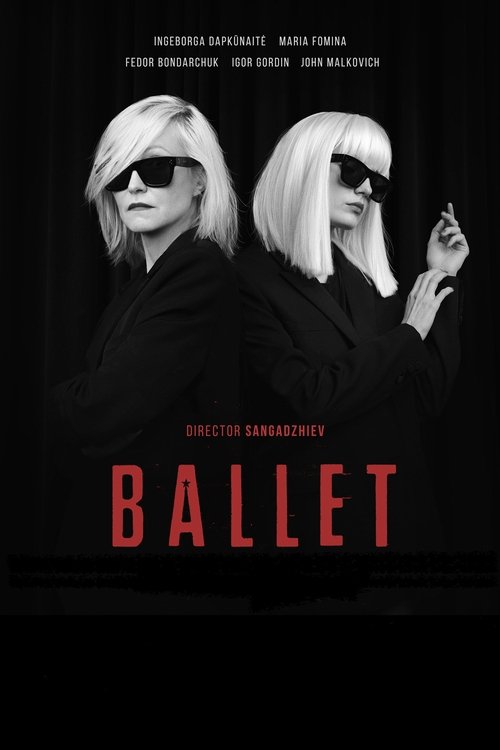
In the past, Soviet prima ballerina and now world-renowned choreographer Ruta Myers returns to the country after almost 40 years to stage a performance at the country's main ballet theater. Ruta is forced to rebuild relationships with friends and enemies, who have become key people in the Russian ballet over the past time, but most importantly — with the artistic director of the theater Andrei Pronin and his family. They were once a couple, and now old feelings and old resentments flare up with renewed vigor. A lot of money, ambitions, and a career are at stake — Ruta, despite all her efforts, finds herself in the epicenter of passions and intrigues very far from the world of art.
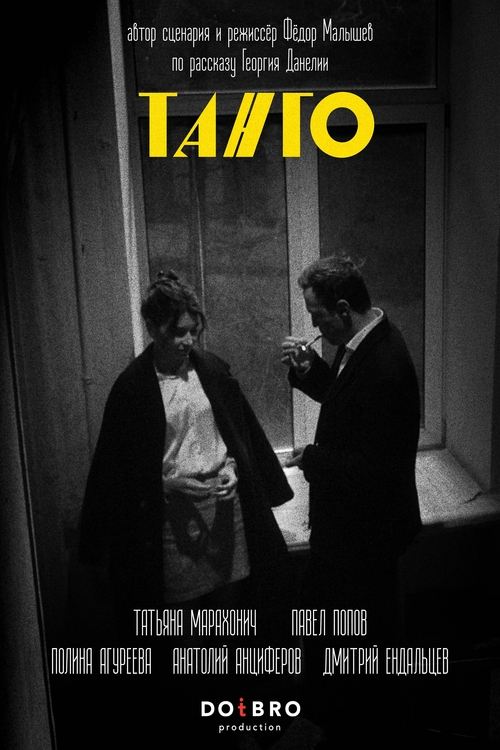
Architect Oleg comes to a provincial town on business where he meets a girl Tania. It’s the case of love at first sight and there seems that a long a happy life awaits them…
Old friends Zoya, Tosya and Marusya secretly meet in a hotel room to burn a suitcase with mysterious contents. But they have three problems at once — one does not remember the lock code, the other lost the key to the padlock, and the third managed to lose the suitcase itself. A strange Porter and Bellboy are trying to return the suitcase to the heroines, overcoming a series of accidents and troubles. Inside the found suitcase are artifacts from the heroines' past lives, in which they were men, real boys and valiant warriors. Is it enough to burn your memories to close the door to the past? Can a woman nowadays do without a steely character? The past catches up with our heroines, crashing a burning suitcase onto the hood of their car.
No description available.
Five stories depicting five different kinds of love, from childhood to old age.
40-year-old Vika and Max, after 15 years of marriage, seem to have become one. In their ideal apartment with a designer renovation, only one thing is missing — a child. Everything changes on one fateful evening, when a friend Pasha, who returned from several years of living in Moscow, comes to visit the couple with a new friend Alice. After several glasses of wine, Max confesses to a friend that the couple wants to have a child, but he himself cannot have children, whereas Vika is completely healthy. Having learned the secret of new acquaintances, Alice, without thinking twice, offers Pasha to become a sperm donor and help out friends. This awkward offer should change their lives forever.
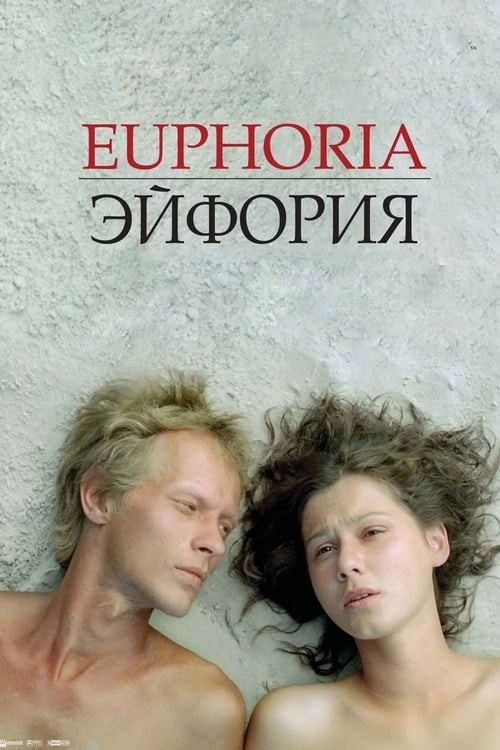
They saw each other only once. At a wedding with lots of alcohol. Their eyes met and that was it. They didn't understand rationally what happened to them but they felt that they cannot keep living and breathing without each other. Cosmic magnetism with irresistible intensity pulled them together. They no longer belonged to themselves, their families and friends and that's how a tragedy evolves.
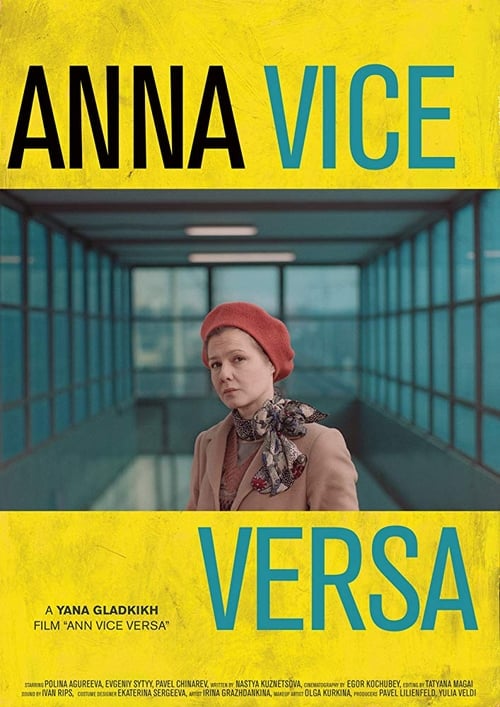
Once Anna gets an anonymous bouquet which turns her life around. But instead of love, she finds herself on a railway track.
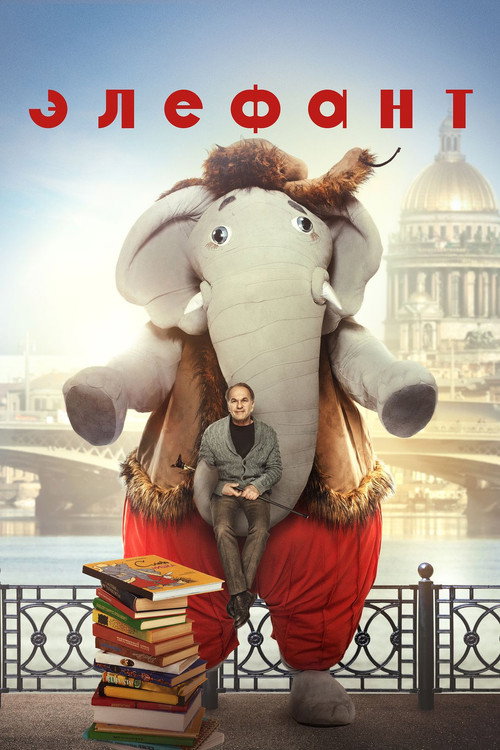
In the center of the plot children's writer Valentin Shubin, accustomed to live in seclusion. His books about the elephant Mishka, written in his youth, enjoyed great success both at home and abroad. A series of random events causes a new surge of interest in the personality and creativity of the writer-introvert. Adults and young readers waiting for new books, but Shubin them does not want to write.
A Russian journalist Sergey is hiding in one of the Balkan countries from police detectives who suspect him in a double murder.
Mark Ginzburg is a talented artist who is always depressed. He's 52, but personal and professional success has escaped him. Many years ago, Mark moved from his native Riga to Tel Aviv to get away from his oppressive father, Viktor, who still supports him financially. Victor Ginzburg is a famous conductor. His work is his life. He never cared about Mark's feelings and tried to mold his son in his own image. Their highs and lows turned long ago into a love-hate relationship. More hate than love. Father calls his son by his childhood nickname Birdie, which infuriates the son. Son calls his father Your Majesty, which infuriates the father. After Viktor is diagnosed with a fatal illness, the father and son set off on a difficult journey that leads from hate to love.