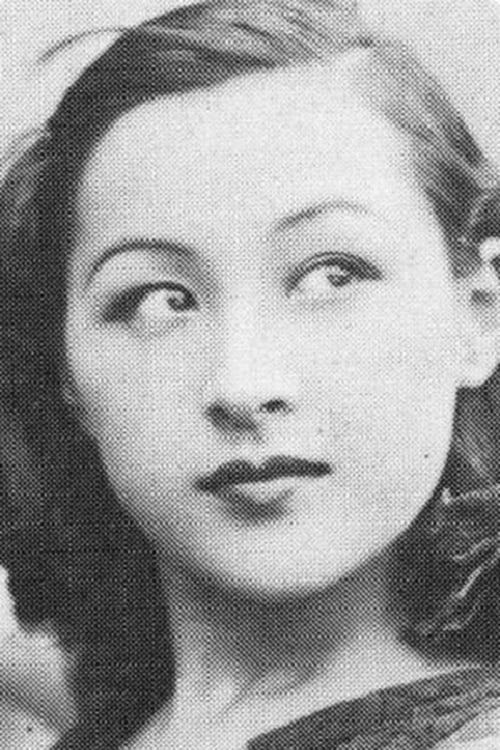
Yumeko Aizome
Acting
Biography
Yumeko Aizome, born Yachiyo Yokoyama, is a Japanese actress. In 1942, she married two-time Olympic gold medalist swimmer Masanori Yusa (1915-1975) and they received a daughter Makoto. She is now and actress called Naoko Yusa.
Known For
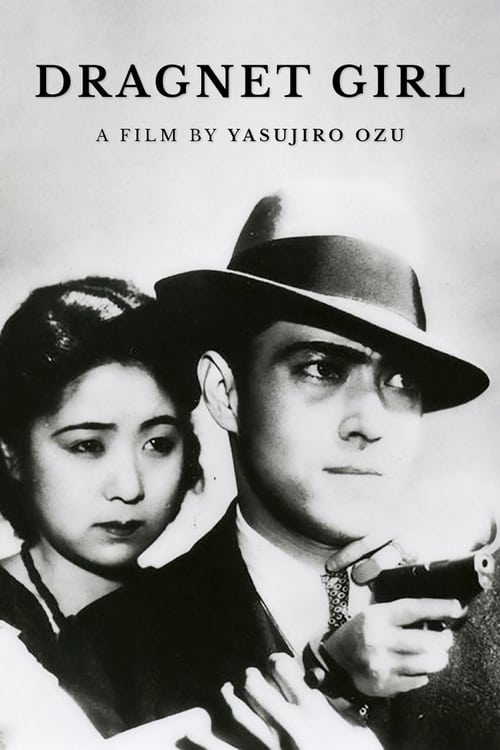
A gangster tries to find redemption with the inadvertent help of an innocent shop girl and his jealous girlfriend will do anything to keep him.
Dragnet Girl
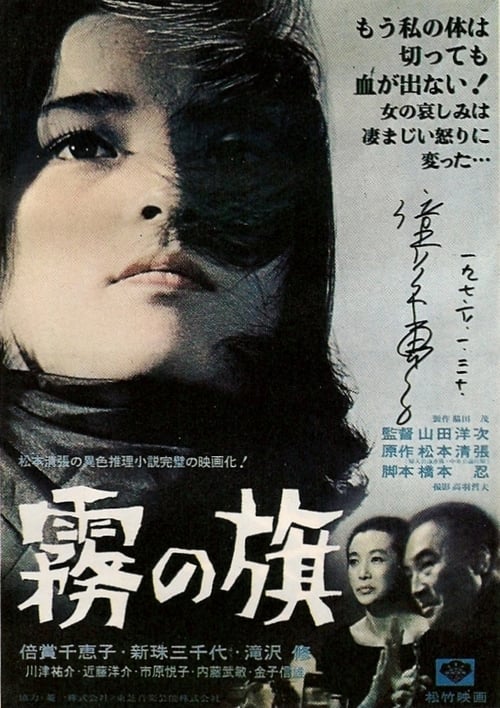
When her only relative, her elder brother is accused of robbing and murdering an old woman loan-shark, pretty, young Kiriko travels from her home in Kyushu to Tokyo to get Japan's top lawyer to defend her brother. Unfortunately her naive idealism is shattered when the lawyer refuses to take the case based on her insufficient funds. What follows is a long determined revenge plot that sees the heroine become a Tokyo bar hostess and worse to punish the lawyer. The plot thickens with another murder mystery and a sleuthing reporter.
A Trap

After Japan's defeat in the war, the Anjo family lose their peerage and wealth. Since their mansion is due to pass into the hands of a creditor, the family holds one last ball before leaving.
The Ball at the Anjo House

Life and love in corrupt postwar Tokyo, as a young couple struggles against both the law and the mob.
The Most Beautiful Day of My Life
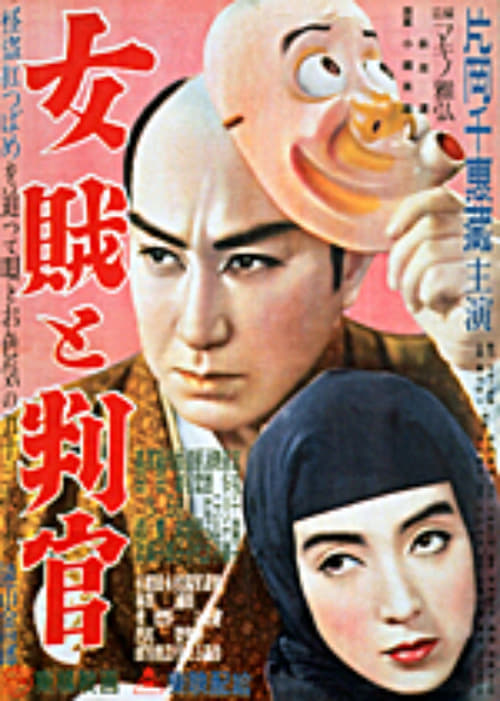
No description available.
The Official And The Princess of Thieves
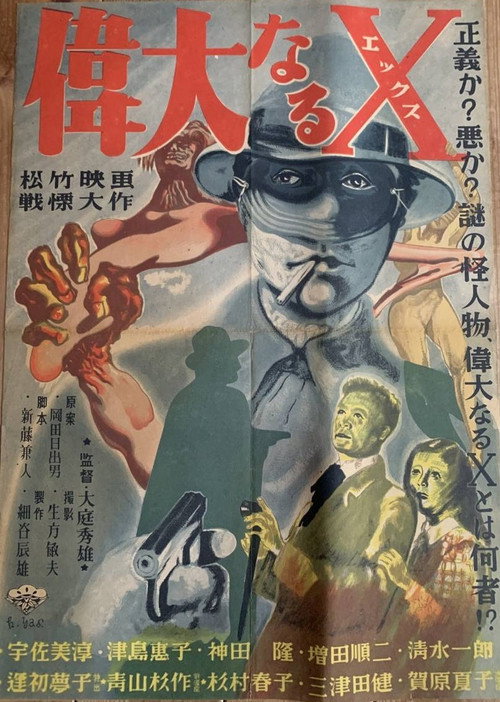
A 1948 Japanese film.
Great X
At 38, Seiu marries Masako, who is emotionally distant and attempts suicide. Masako’s past includes being sold into servitude and an unrecognised pregnancy. Seiu learns the truth and accepts Masako and the unborn child, embracing his roles as husband and father. He also reforms a troubled youth at his institution. In a climactic speech, Seiu inspires his students with resilience and love.
Children of the Sun
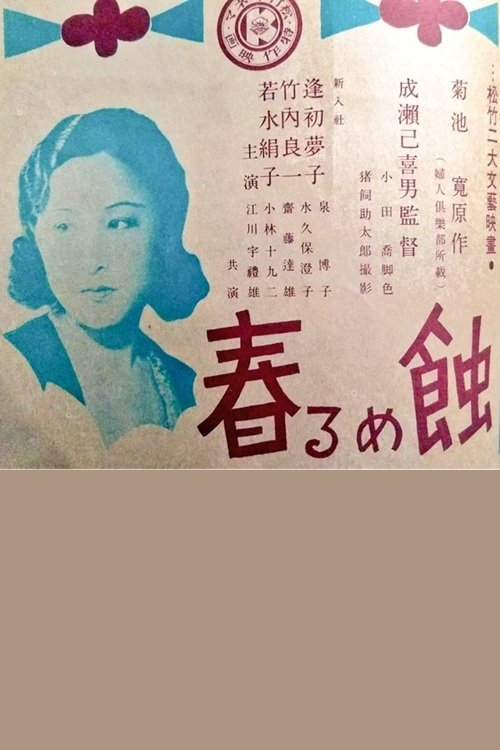
Directed by Mikio Naruse. It is presumed to be lost.
Moth-eaten Spring
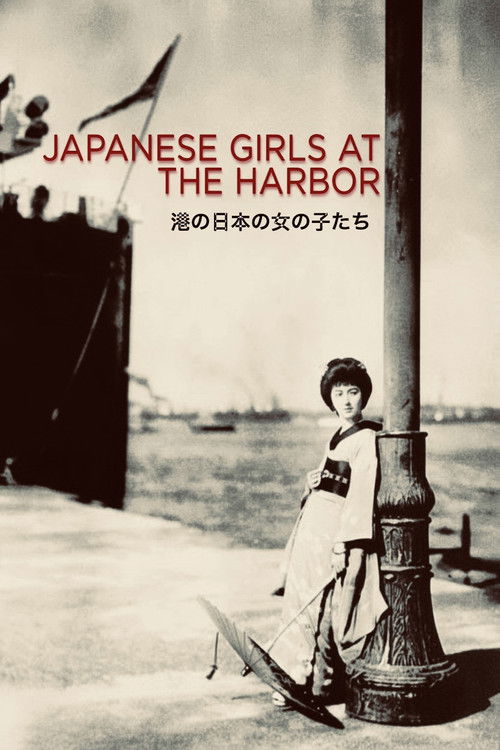
Set in the port city of Yokohama, two girls, Sunako and Dora who attend a Christian school, pledge to be friends. But when a youth named Henry appears on his motorcycle and offers to take Sunako for a ride, we know that this friendship won't last and that the lives of both girls will change in ways they are barely able to comprehend, and can do little to change.
Japanese Girls at the Harbor
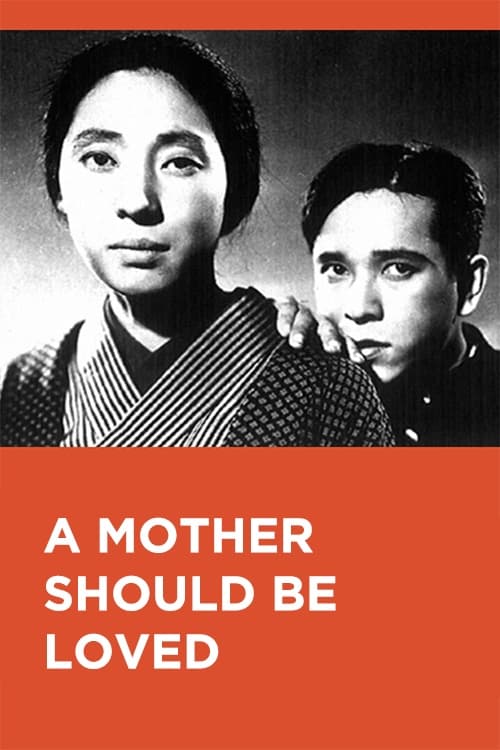
A young man discovers that the woman who raised him is his stepmother. His stepbrother, who is unaware of the revelation, resents his mother for always punishing him more severely than his stepsibling.
A Mother Should Be Loved
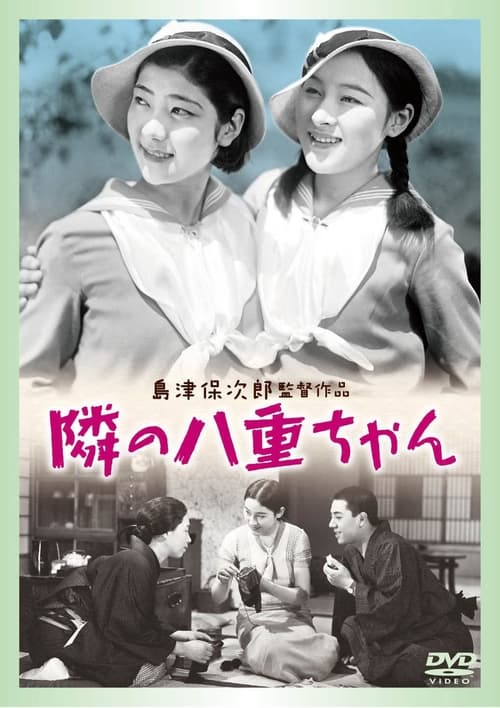
Keitaro is a law student and Yaeko is a high school girl. They are neighbors, and their friendship is starting to develop into something more romantic. Then, Yaeko's sister Kyouko has a breakup with her husband and returns home. Kyouko is clearly interested in Keitaro and Yae becomes anxious.
Our Neighbor, Miss Yae
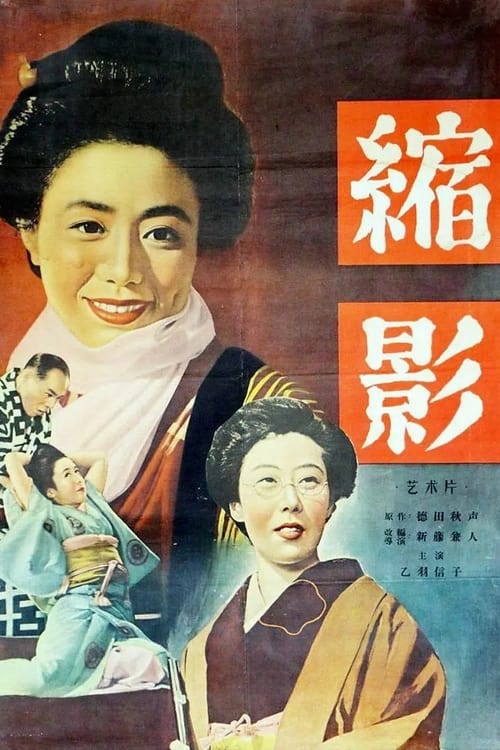
Ginko, a poor cobbler's daughter, becomes a geisha to support her family. She passes from one geisha house to the next, trying to find love and hope in the process. No matter how hard she tries, she just can't escape her sad fate.
Miniature
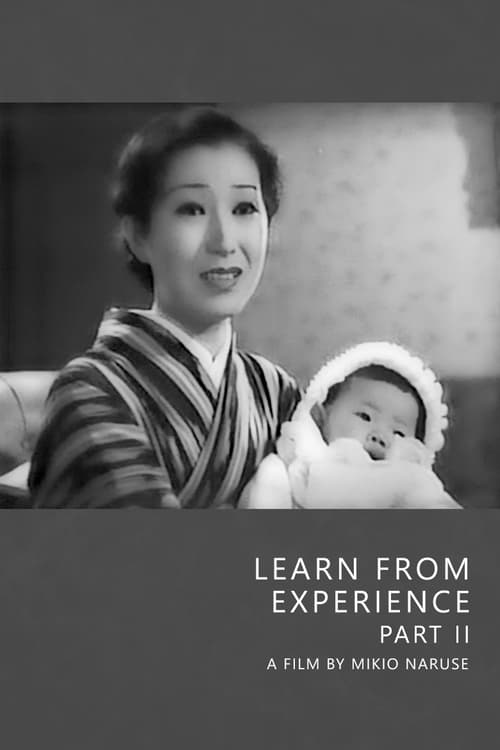
Toyomi is pregnant -- and while Shintaro and Yurie are on their extended honeymoon, she bears his child, a girl named Kiyoko. She is supported in adversity by close friend Michiko and her mother but also, surprisingly, Shintaro's mother and siblings. Even moreso, Toyomi and Yurie become friends. Part two of a two-part romance based on a story by noted author Kikuchi Kan.
Learn from Experience, Part Two
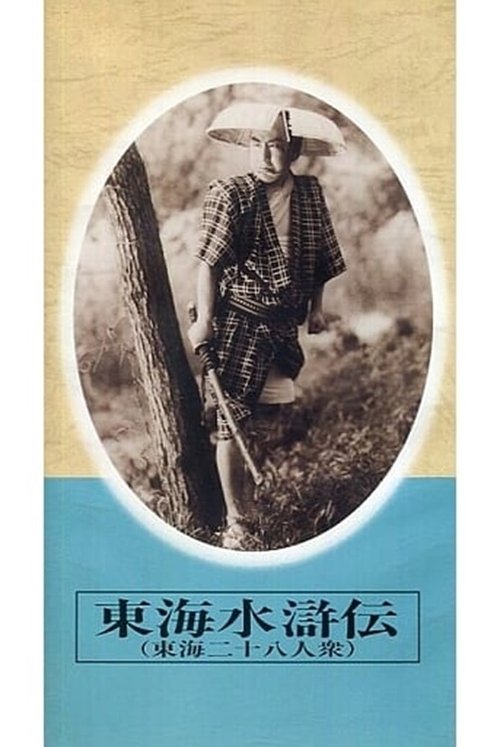
1945 Japanese movie
東海水滸伝
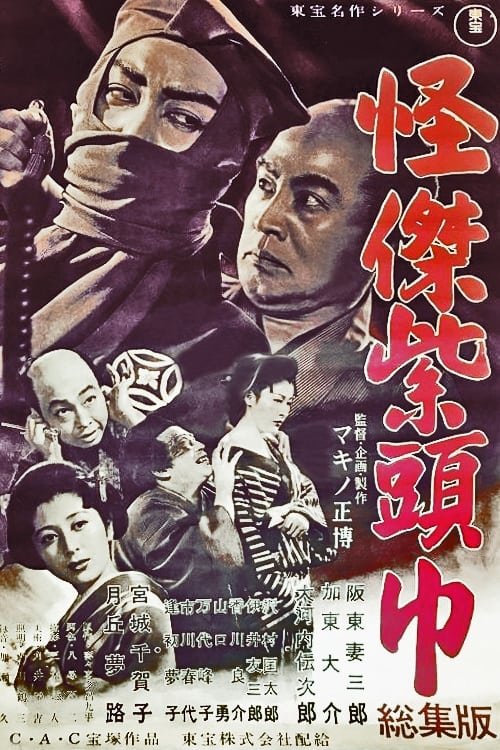
The purple hood reveals the embezzlement of public money by officials. A remake of Masahiro Makino's 1923 film.
Saheiji’s Casebooks: The Purple Hood
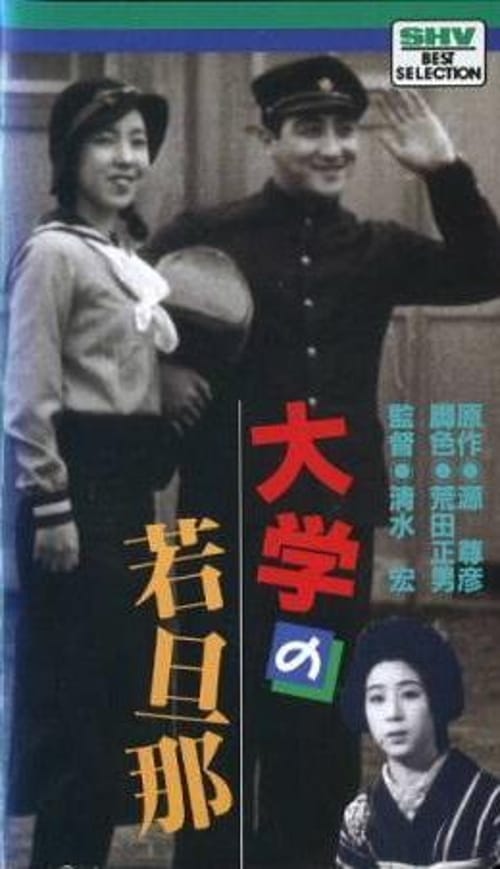
The story deals with Fuji, nicknamed Waka-danna (Young Master), the star athlete on his university's rugby team. The son of a wealthy soy sauce manufacturer, Fuji basks in the glory of his athletic celebrity. Attracting the attention of admiring young women, Fuji resists family pressure to settle down and marry after college. Instead, he spends much of his time drinking and womanizing, behavior which eventually leads the college officials to expel him from the team.
The Boss's Son at College
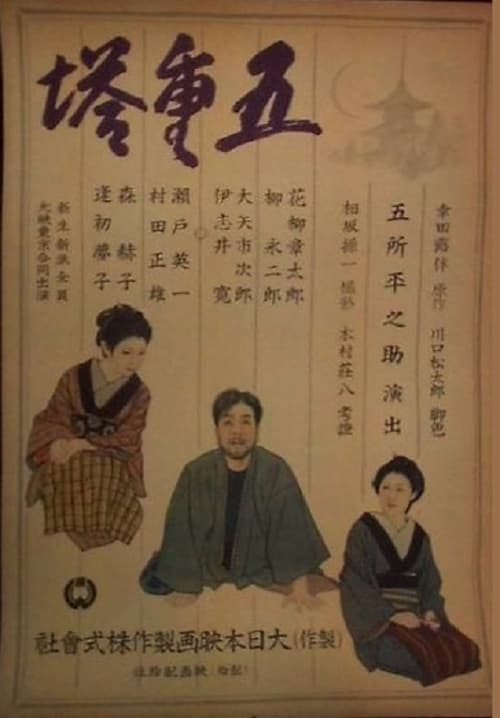
Based on Kōda Rohan's novella The Five-Storied Pagoda.
Goju no to
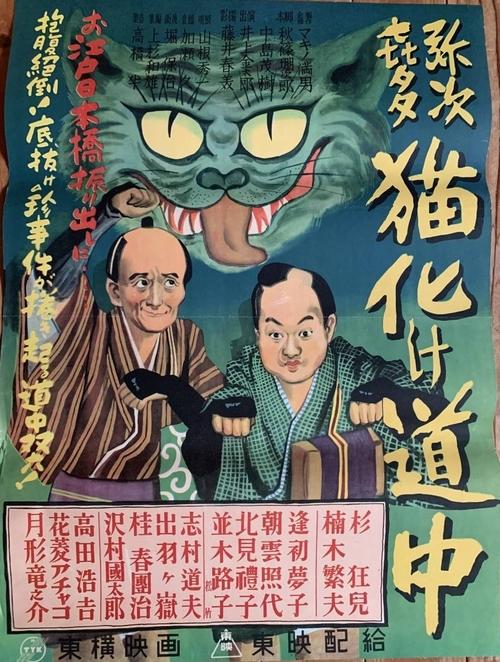
Film about Ghost-cat.
Yaji Kita Cat Ghost Road
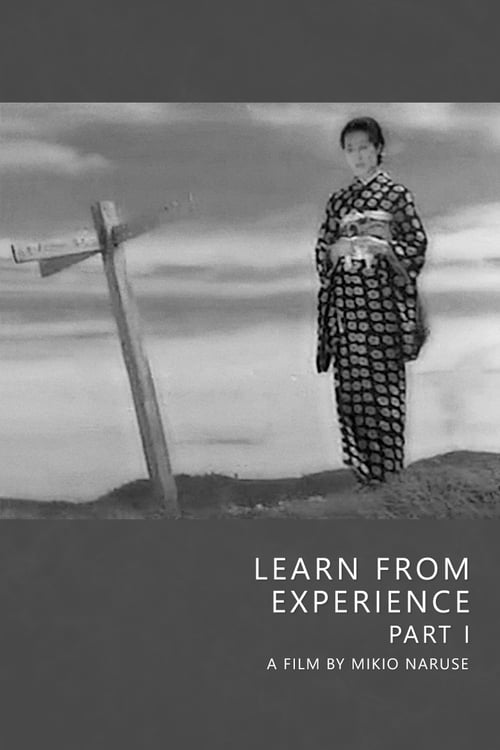
Wealthy young Toyomi and Shintaro are in love. However, Shintaro’s father is arranging for him to marry Yurie, the scion of an even wealthier family. The two lovers flee to Tokyo, but when Shintaro returns to proclaim his intent to marry Toyomi, his father browbeats him into attending the marriage meeting with Yurie. Part one of a two-part romance based on a story by noted author Kikuchi Kan.
Learn from Experience, Part One
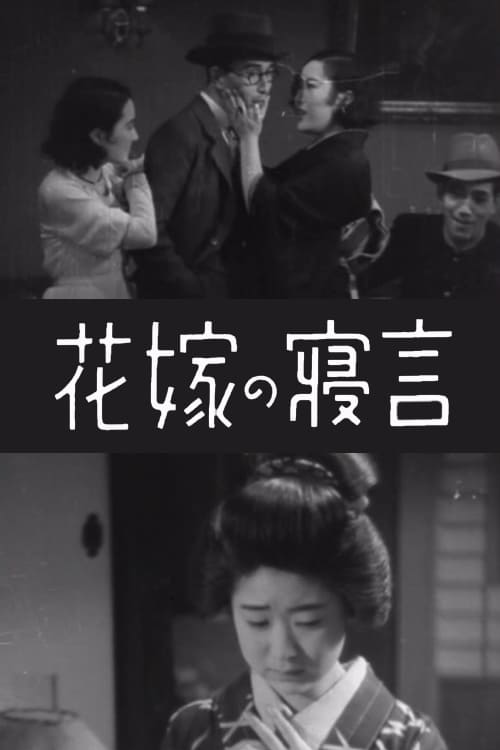
This pair of gentle yet witty and inventive comedies from the director of The Neighbour's Wife and Mine typify both the formal experimentation of early Japanese sound cinema and the social milieux that Shochiku tended to depict. 'Virtually plotless, and feeling more like comic sketches than fully developed stories,' writes Arthur Nolletti, Jr, 'these light comedies, or farces, take a wholly trivial matter (often a socially embarrassing situation) and use it as a springboard for a succession of gags.' Much of the films' distinction comes from the wit of Gosho's direction, the imaginative use of the new sound technology and the charm of the acting, particularly of the heroines (Kinuyo Tanaka in Bride; Hiroko Kawasaki in Groom). Yet in both films, Gosho finds room for some shrewd observation of character and environment, subtly exploring the values and assumptions of the suburban petit bourgeoisie.