Antônio Cataldi
Acting
Known For
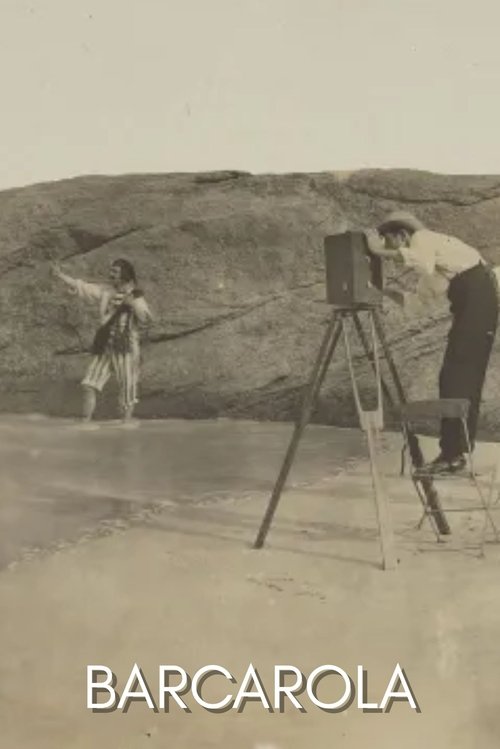
Barcarola is a 1908 Brazilian film directed by Júlio Ferrez. It was the first "sound" film in Brazil, that is, with actors dubbing themselves live, behind the screen, based on already recorded images. Premiered on September 1, 1908. It was produced by the company William e Cia. The film was inspired by the operetta "Les contes d'Hoffmann", by composer and cellist Jacques Offenbach. The film's synopsis is unknown, but given the name, which references the song "Barcarolle", it is very likely that it is inspired by the third act of Les contes d'Hoffmann. Like many films from this era, Barcarola is considered a lost film, with only one surviving image, taken during the film's production.
Barcarola
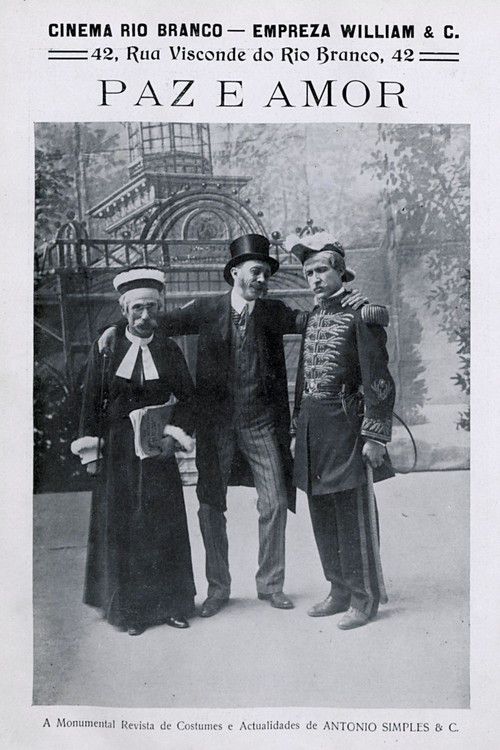
Criticism of the events of the civilist campaign, the owners of national politics and customs.
Paz e Amor
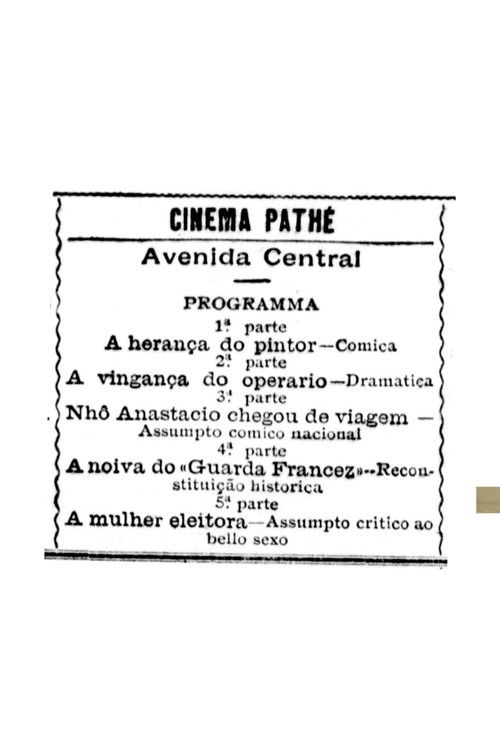
An old farmer named Nhô Anastácio arrives in the capital for the first time. While visiting Rio de Janeiro's tourist attractions, he meets a singer and flirts with her until his wife arrives from the countryside. (Synopsis based on the book "Este Mundo É um Pandeiro . a Chanchada de Getulio a Jk" by Sergio Augusto)
Nhô Anastácio Chegou de Viagem

Film glossing the appearance of "Halley's" comet, which, according to a popular prophecy, foretold the end of the world.