Ágúst Guðmundsson
Directing
Biography
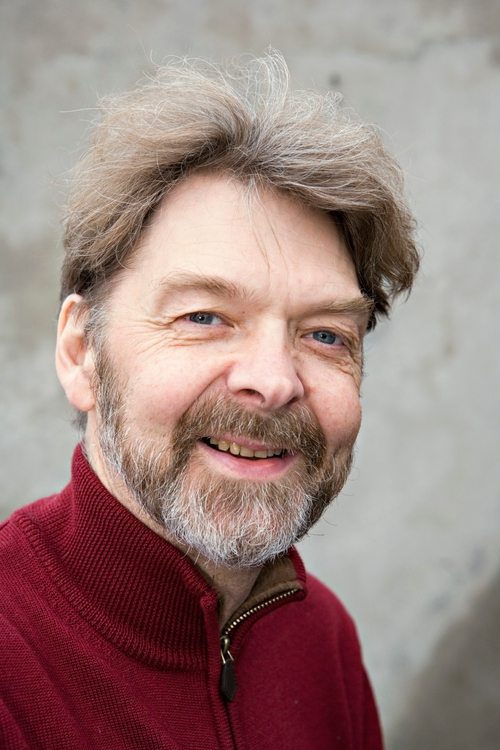
Ágúst Guðmundsson (born 29 June 1947; Reykjavík) is an Icelandic film director and screenwriter. He studied French, Icelandic in Reykjavík and filmmaking at the National Film School in London. He has made many popular Icelandic films that have also been translated into other languages. His 1998 film The Dance was entered into the 21st Moscow International Film Festival where he won the Silver St. George for Best Director. He is currently director of BÍL, The Federation of Icelandic Artists.

Known For

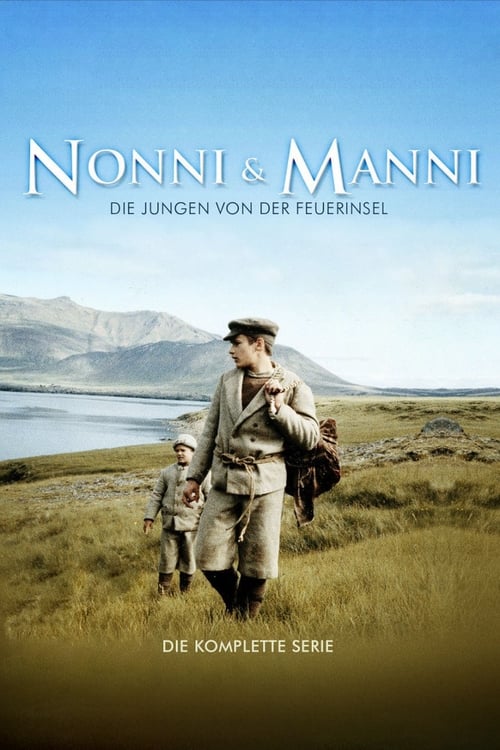
Nonni and Manni is a children's television series produced as a joint venture between Iceland and West Germany. It debuted on 26 December 1988 on West Germany's ZDF channel and lasted for six episodes with the last one being aired on 1 January 1989. The story was based on the eponymous book written by the popular Icelandic children's author Jón Sveinsson, nicknamed "Nonni", who had written several books inspired by his own experiences of growing up alongside his brother Ármann, nicknamed "Manni". The filming for the series took place in Iceland, West Germany and Norway.
Nonni und Manni

An Icelandic farmer's son decides to leave his farm, fiance, friends, dog and horse, during the depression before World War II, to start a new life somewhere else.
Land and Sons

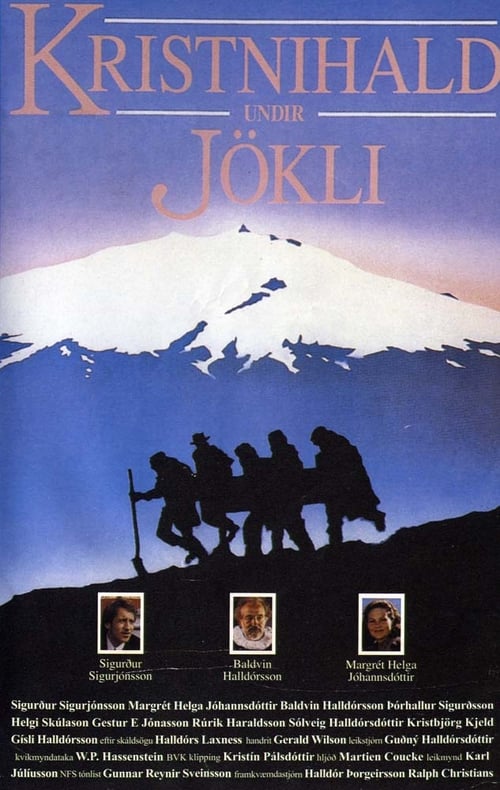
Our hero is Umbi (an acronym for emissary of the bishop), sent by him to undertake an important investigation at Snæfell-glacier. In particular he is to look into the conduct and behavior of Jón Prímus, the old pastor at Snæfell. Fantastic rumors are rife: amongst other things it is said that a corpse is lodged in the glacier! Armed with his tape recorder and notebook, Umbi embarks upon his mission. He tries to question the weird locals, a weird lot, but gets evasive answers. Slowly he is dragged into a quagmire of strange happenings and his efforts to understand only make him confused. If at the beginning he is a chipper, a mere device, by the end of the story he is inextricably involved, a committed participant in the bizarre events.
Under the Glacier

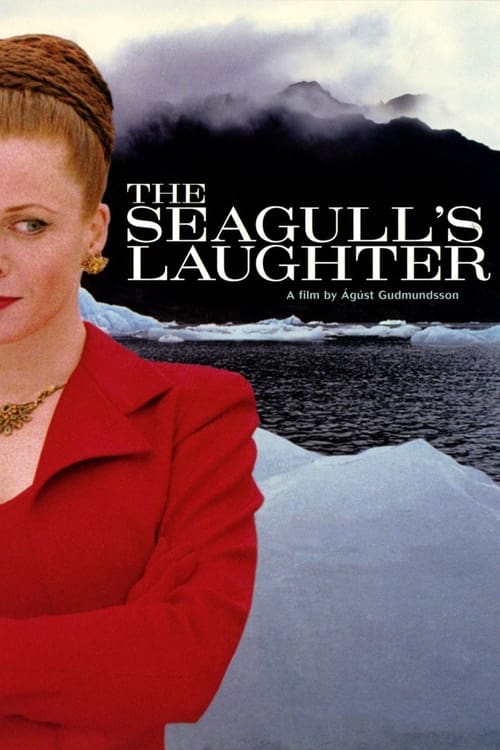
Post-war provincial Iceland: around 1950, Freyja, who'd been a plump teen, returns from America, a widow with a 20-inch waist, seven suitcases of dresses, and a list of who ever wronged or slighted her. She moves in with an aunt and socialist uncle: finding a new husband is high on her agenda, and she's mistrusted by Agga, a pre-teen who's our eyes and ears. The social order and Freyja are more complicated than they seem at first, and so may be her prospects. Class divisions, families ties, pride, the onset of puberty, and the power of Eros sliver the ice.
The Seagull's Laughter

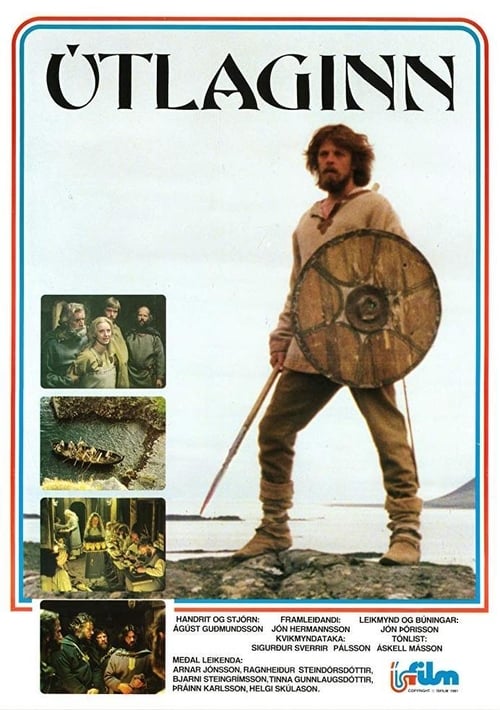
Based on the saga of Gísli Súrsson, one of the Icelandic Sagas. The attempt of a family head in 10th century Iceland to strengthen the fragile bonds within the clan through blood brotherhood turns into the opposite through suspicion and resentment. When the law of blood revenge has to be fulfilled after a murder, a fateful chain reaction is set in motion.
Outlaw: The Saga of Gisli

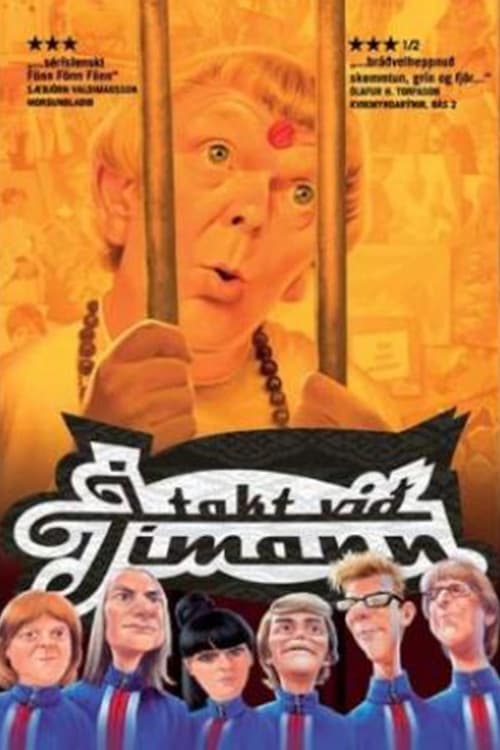
More than twenty years after the premiere of one of the most beloved Icelandic films (On Top/Med allt a hreinu 1982) a sequel appears. A band which folded twenty years ago (they were even considered old-fashioned then) sees fit to stage a comeback. Indications point to a great future until the ghosts of the past catch up with the band in the form of a single mother and a jolly roadie. We follow the band not only through the magnificent Icelandic landscape but also through two continents and a brief spell in the other world.
Ahead of Time

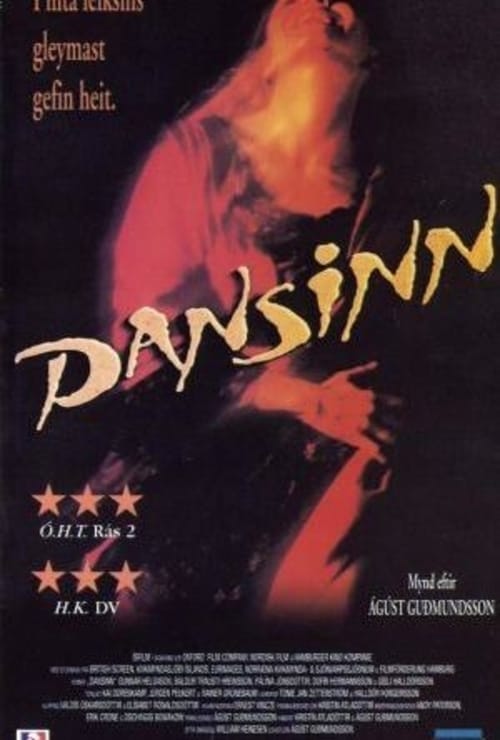
Águst Guðmundsson directed this Icelandic period drama, adapted from the short story We Must Dance by William Heinesen, and set on an island in 1913. Pétur (Gunnar Helgason) narrates, recalling the days when mainlanders arrived for a wedding. Flirtatious Sirsa (Pálína Jónsdottir) marries Harald (Dofri Hermannsson), son of a wealthy landowner on the island. Offshore, a ship is sinking, so the men form a rescue party, returning with the captain, the engineer, and several sailors. With a storm gathering, the engineer dies. The clergyman requests an end to the festivities as a mark of respect. Sirsa protests, but her new husband brings the celebration to a halt. The group then fragments into different activities, drunken or otherwise, and the sensual Sirsa directs her attention toward the handsome Ívar (Baldur Trausti Hreinsson). The film's score features traditional folk music.
The Dance

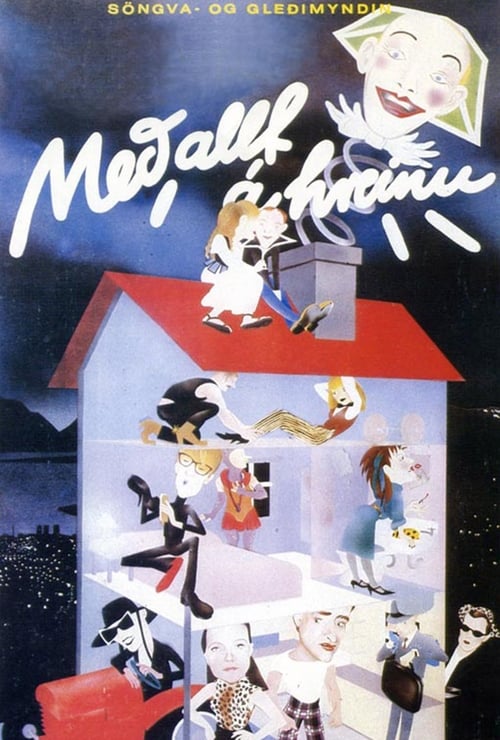
Two rock groups, one male, the other female, decide to do a combined effort to hit the road of stardom by doing a show together. As the show is getting on the road, the lead singers of the two groups have a disagreement which brings about a parting of ways, in love as in life. A historic tour of the country begins, which through the music and performances of the two groups as well as the reactions of their audiences, reveals, beneath the comedy, glimpses of today's real competition between the sexes, seen against the background of Icelandic life.
On Top

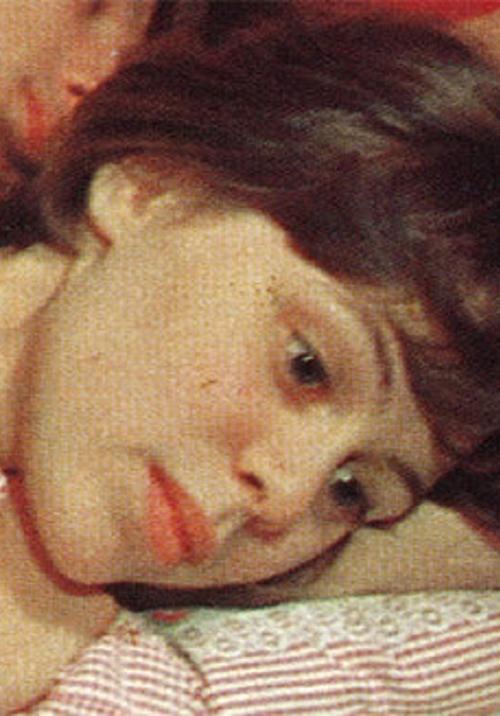
A drama shot on location in Reykjavík which deals with the pregnancy of a 16 year old schoolgirl and the effect it has on her life. This is an unusual look at a classic situation through the eyes of the young mother-to-be. Humour heightens the refreshingly new treatment of the subject matter.
A Little Swelling

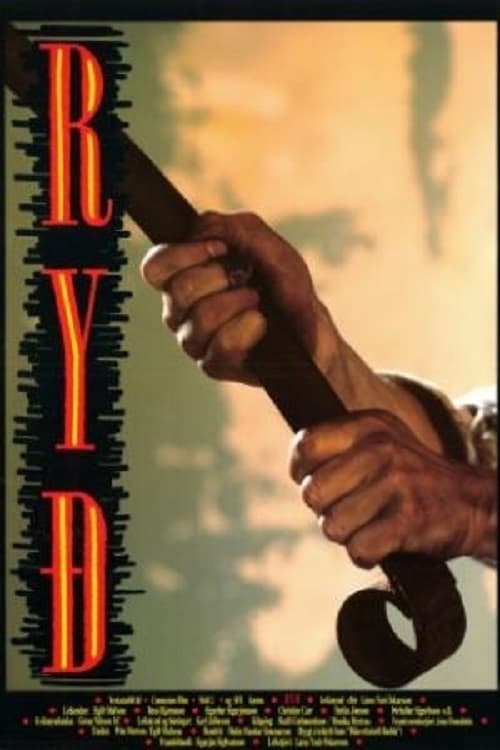
After 15 years Pétur returns to Baddi's auto garage that is still located at the end of the world. Baddi lives there with his two children and worker. 15 years before terrible events occurred at the garage that forced Pétur to leave.
Rust

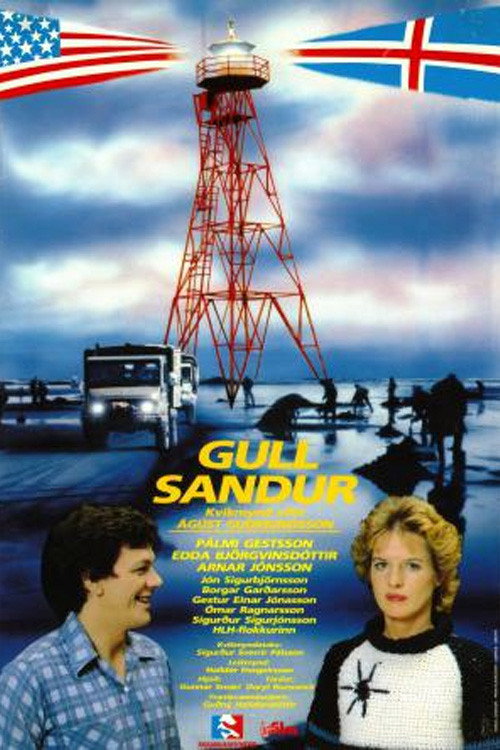
A political comedy about the effects of the apparent discovery of gold in the sands near a small community on Iceland's south coast. Troops from the American NATO base "invade" the territory, journalists from Reykjavik arrive and the morals of the local inhabitants quickly turn topsy-turvy.
Golden Sands

The film is about travelling on horseback across the Icelandic interior on the main route, which once connected the north of Iceland with the shout. This route was the scene of a tragic accident in the 18th century, when young farmers moving a flock of sheep to the North, perished in a snowstorm. For many years following the incident the track was not used, until the 19th century, when Captain Daniel Bruun from Denmark, accompanied by a photographer and a water-colour artist, crossed the difficult terrain, deep rivers, and rocky heights in sun, rain, fog and wind, marking the way with stones laboriously heaped into cairns.
Across the Interior of Iceland

Ofeigur, the passed away father of Anna Sol walks again and starts to involve her life and her boyfriend, Ingi Brjann. The young couples are going to sell the house of the dead but Ofeigur is not very happy with that and tries to convince them not to do it. The intervention of the ghost is so irritating that Ingi Brjann tries to get him away by using methods from an old magic book.
Spooks and Spirits

Mummi, a sixteen year old farmers son falls in love with Sigrún, but when it comes to love, Mummi has no experience and thus must figure it out for himself.
the Colours of the earth

Nonni, an 11 year old boy has to deal with the loss of his father who died in the second world war.
A War time story

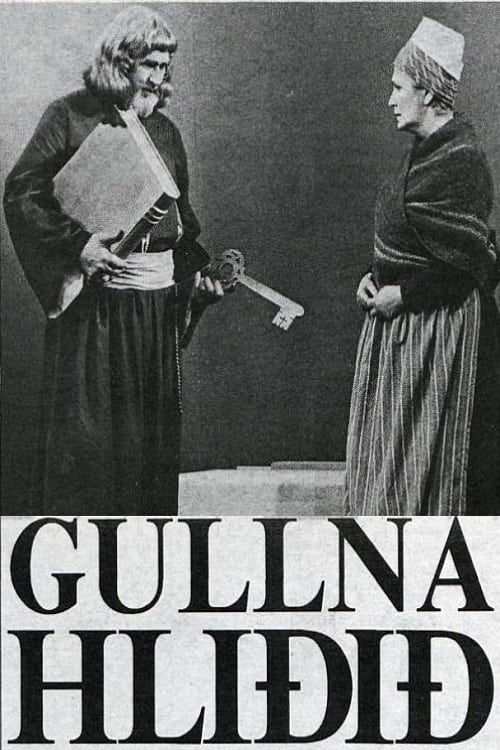
A women tries to get the soul of her dead husband through heaven's gate to save him.
The Golden Gate

A group of school kids on a ski trip start hearing startling news from the radio.
End of term trip

No plot found anywhere online.
High Tide

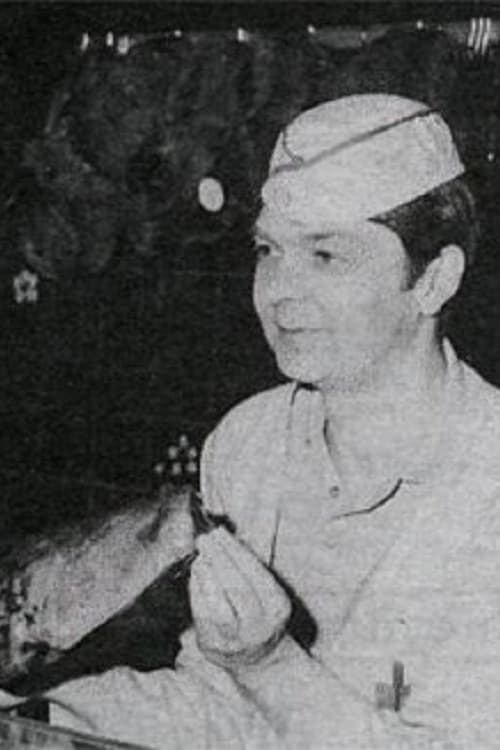
Albert works in the meat section of a convenience store who falls in love with a woman who frequents the store.
Love in a Supermarket
No description available.