
Mizuho Suzuki
Acting
Known For
No description available.
Edogawa Rampo no bijo shirīzu
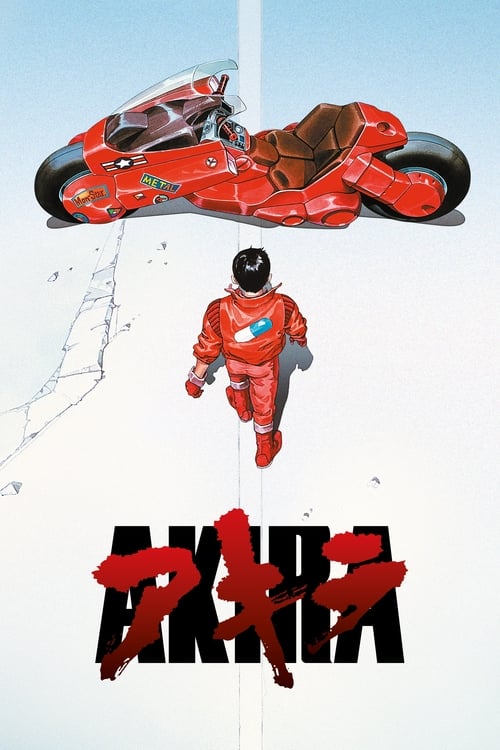
A secret military project endangers Neo-Tokyo when it turns a biker gang member into a rampaging psychic psychopath that only two teenagers and a group of psychics can stop.
Akira
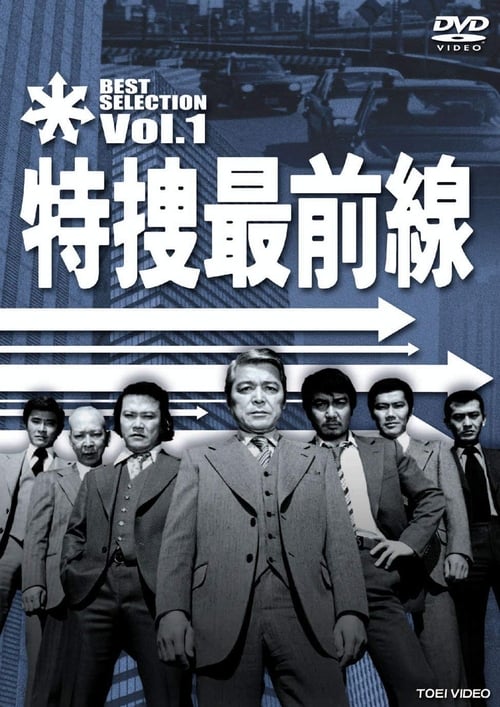
No description available.
Special Crime Investigation Front
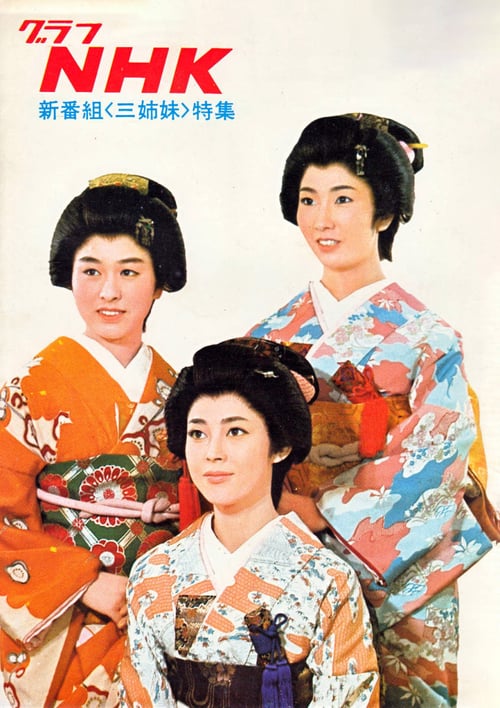
The Story is about three daughters of a "Hatamoto" during the end of the Edo period and the Meiji Restoration.
Three Sisters
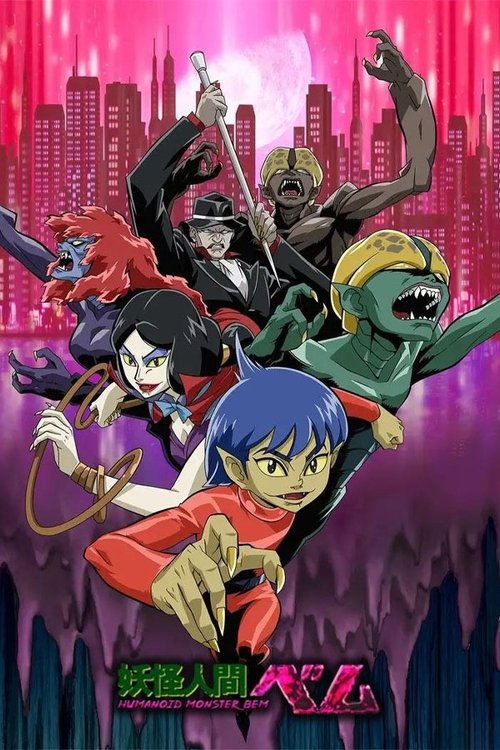
The plot of the series revolves around three youkai, Bem, Bera and Barro, who arrive at a large coastal city and come across an evil atmosphere, which was brought about by immoral behavior by humans and mischief caused by monsters and youkai. They therefore decide to stay in the city, fighting against other monsters and yōkai which attack humans, making a few friends in the way. Even though the three youkai are often abused by other human beings due to their appearance, they still strive in protecting the human populace of the city from other monsters, one day hoping to become human beings in return for their good actions.
Humanoid Monster Bem
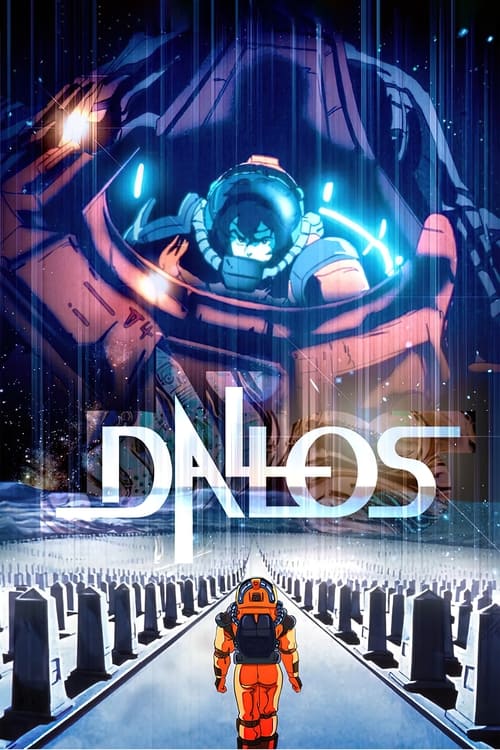
In a near future, mankind has moved from a drained Earth to the Moon. Rebel acts of terrorism lead to conflicts with the Earth Federal Government. A mysterious entity called Dallos appears to restore hope.
Dallos
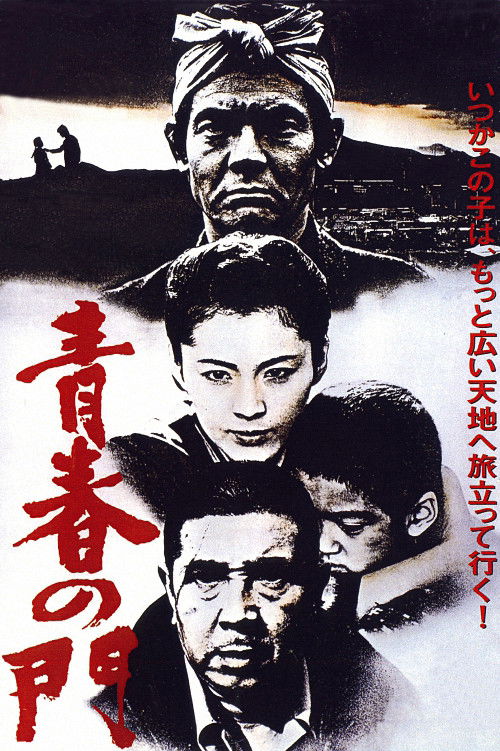
The story of Shinsuke, a young man who lives through a stormy life as a poverty-stricken coal miner. Ranging from Shinsuke's infanthood to his mid-teens. Coal workers and the mines dominate nearly every aspect of his life. Shinsuke's father a group leader at the mine, dies while bravely using dynamite to rescue a group of trapped Korean miners. Several older men attempt to help he and his mother cope, including a friendly Harley-riding yakuza boss. This movie has it all, drama, romance, sex, yakuza and violence! It is based on a story by Hiroyuki Itsuki that was originally serialized in the magazine Shukan Gendai in 1969-70.
Gate of Youth
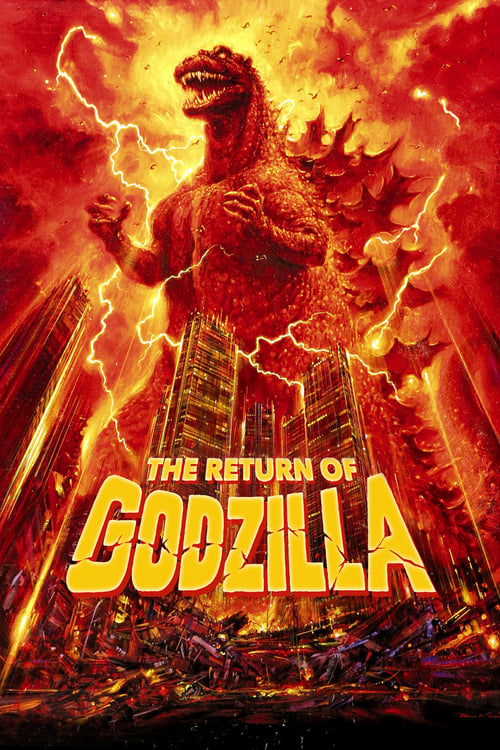
After a fishing boat is attacked, the sole surviving crew member realizes it is none other than a resurrected Godzilla. However, efforts to bring the story to light are suppressed by the Japanese government amid growing political tensions between the United States and the Soviet Union, who are both willing to bomb Japan to stop the monster.
The Return of Godzilla
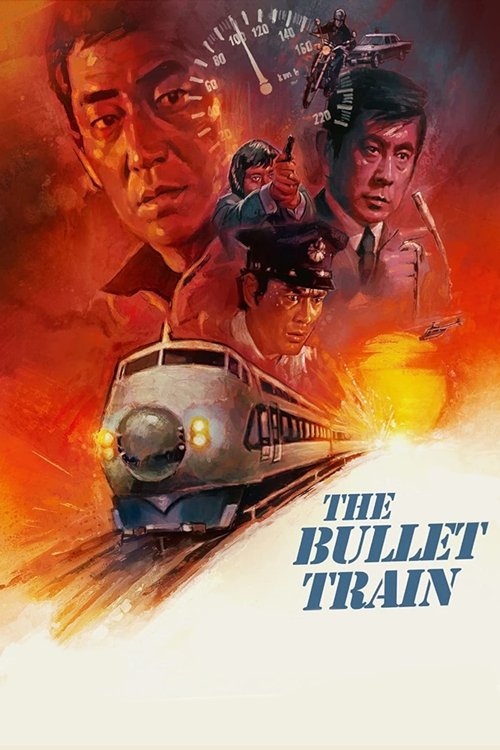
A Japanese bullet train is threatened with a bomb that will explode automatically if the train slows below 80 km/h, unless a ransom is paid. Police race to find the bombers so the train crew can learn how to defuse the bomb.
The Bullet Train
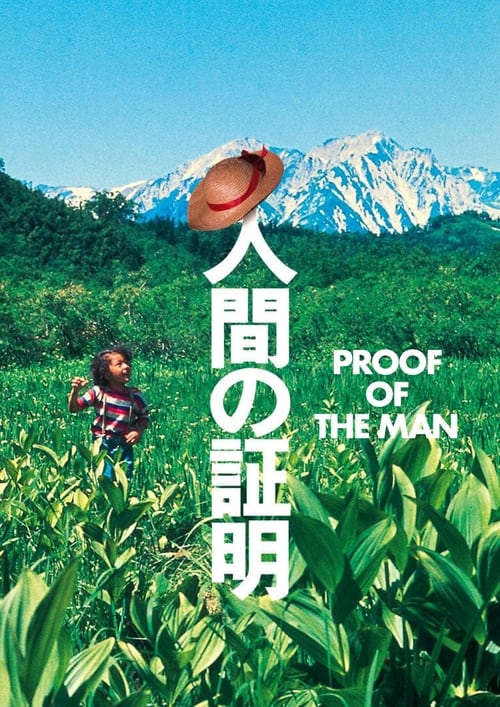
When an American is murdered in a Japanese inn, Tokyo police detective Munesue follows the trail of the killer to New York. There he is joined by a New York City detective named Shuftan and together they sort out the crime.
Proof of the Man
Long ago there were fierce gods of legends who shook the earth to its foundation with their power. There are now prehistoric rivals from the primitive times in Japan, that fought to protect their secrets in the present day. The God of Darkness Susanoah-oh is now sleeping in the shadows of the underworld waiting for his rebirth. However his coming hasn't gone unoticed. There are agents from the Kikuchi Clan (descendants of Japans first inhabitants) who have seen the warning signs of the spreading of darkness's bringing. These investigators are armed with ancient knowledge and artifacts who are willingly prepared to face the God of Darkness. Now they must fight the assembled spirits of hell to find the one young boy who is chosen by fate to grasp the chaotic might of the deadly Gods.
The Dark Myth
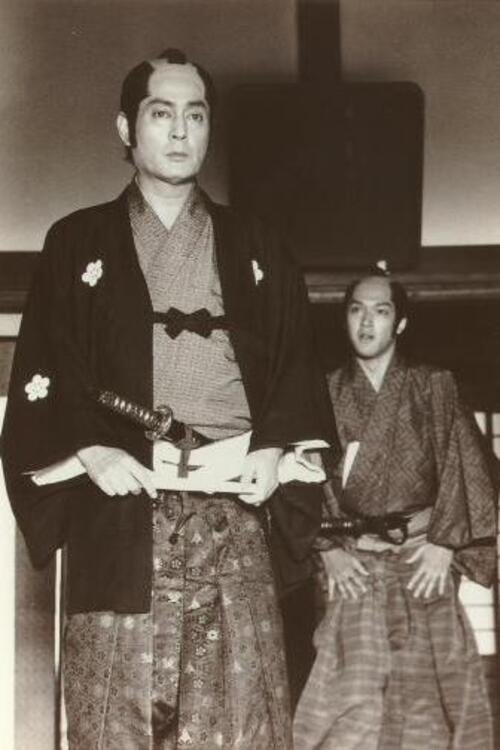
A human drama based on the "Date Riots".
Momi no Ki wa Nokotta: Ranshin
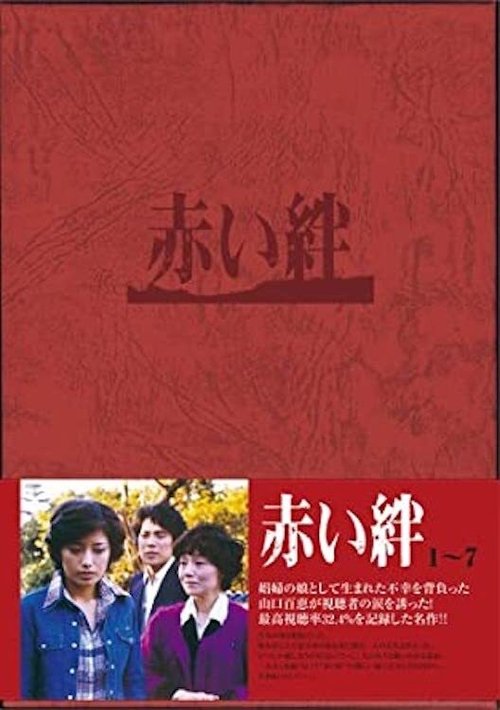
No description available.
Akai Kizuna
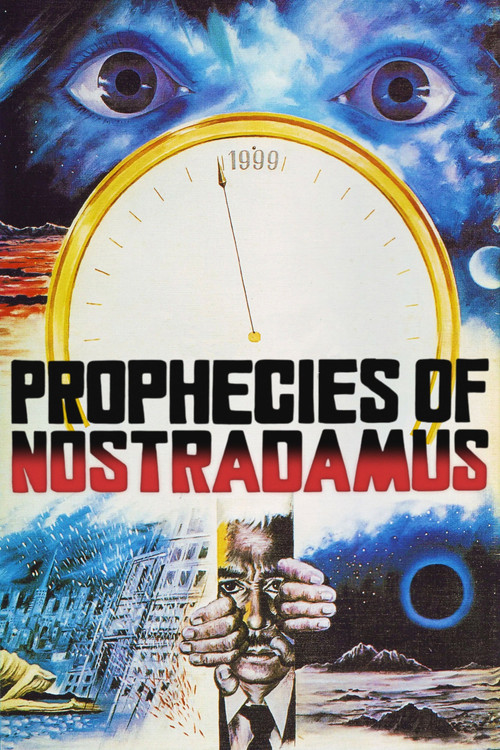
Professor Nishiyama, after studying and interpreting the prophecies of Nostradamus, realizes that the end of the world is at hand. Unfortunately, nobody listens to him until it is too late. As the effects of mankind's tampering of the earth - radioactive smog clouds, hideously mutated animals, destruction of the ozone layer - rage out of control, the world leaders hurtle blindly toward the final confrontation. The film sparked controversy in Japan and was subsequently pulled out of circulation, with no official video release of the uncut film.
Prophecies of Nostradamus
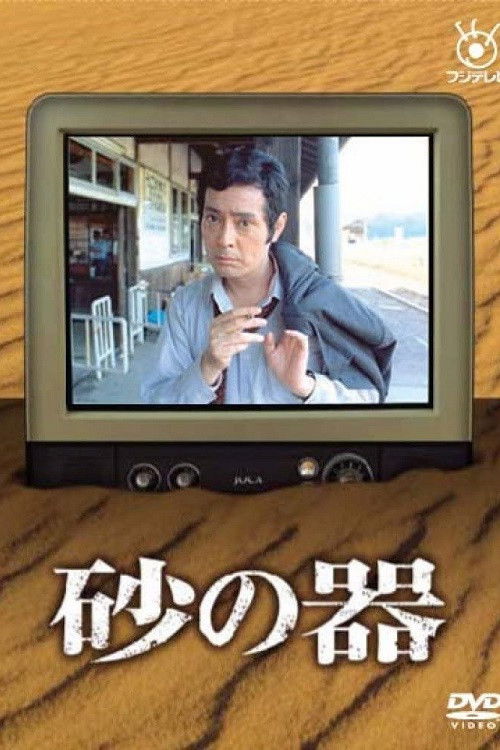
Two police investigate the death of a corpse found in a train yard.
Suna no Utsuwa
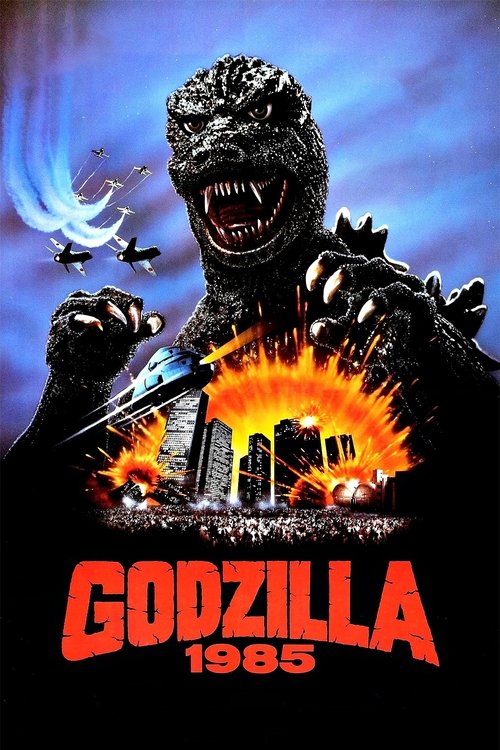
Originally released in Japan as "The Return of Godzilla" in 1984, this is the heavily re-edited, re-titled "Godzilla 1985". Adding in new footage of Raymond Burr, this 16th Godzilla film ignores all previous sequels and serves as a direct follow-up to the 1956 "Godzilla King of the Monsters", which also featured scenes with Burr edited into 1954's "Godzilla". This film restores the darker tone of the original, as we witness the nuclear destruction of giant lizard terrorizing Japan.
Godzilla 1985
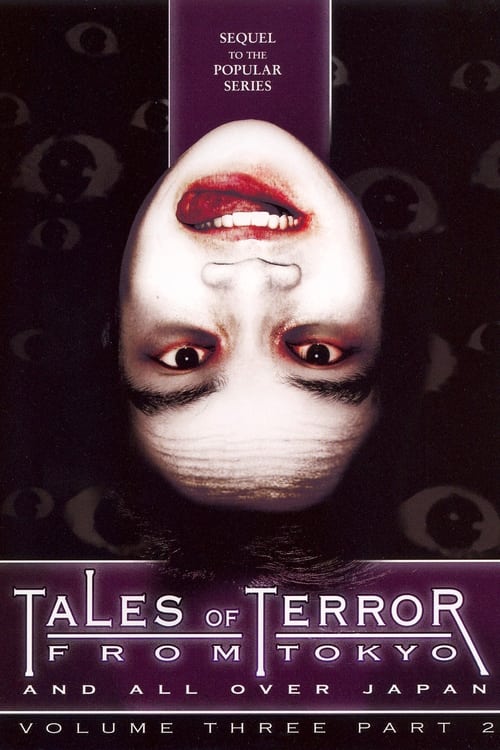
A new season of the acclaimed series finishes with these twenty sensational shorts capturing the essence of psychological terror with chilling visuals.
Tales of Terror from Tokyo and All Over Japan Volume 3, Part 2
Fresh out of judicial training school, Shinsuke Yabashi becomes a rookie lawyer at the Funamoto Law Firm. When he takes on the role of lead counsel for a case involving a female teacher accused of having an affair with a student's father and killing her husband, Shinsuke boldly asserts her innocence amidst a courtroom where everyone assumes her guilt.
Tokai no Mori
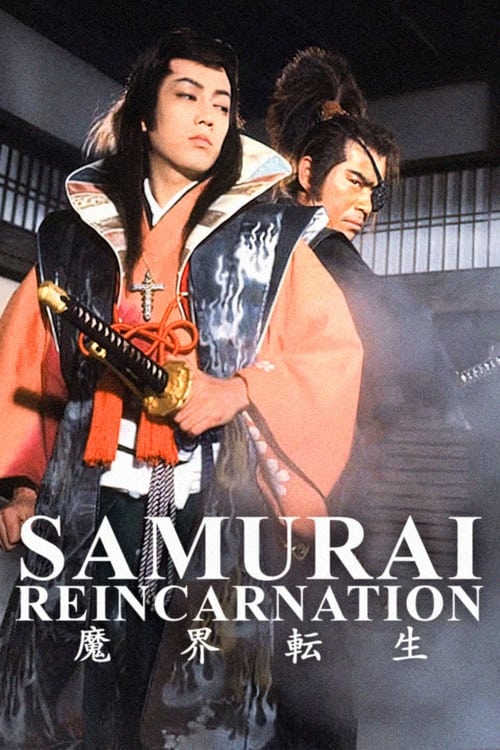
After surviving the slaughter of many Christians 350 years ago, a samurai denounces God for ignoring the pleas of believers. He sells his soul to Satan and receives the power to resurrect the dead to join him in a murderous rampage.
Samurai Reincarnation

A detective wonders that his sister is a murder suspect.