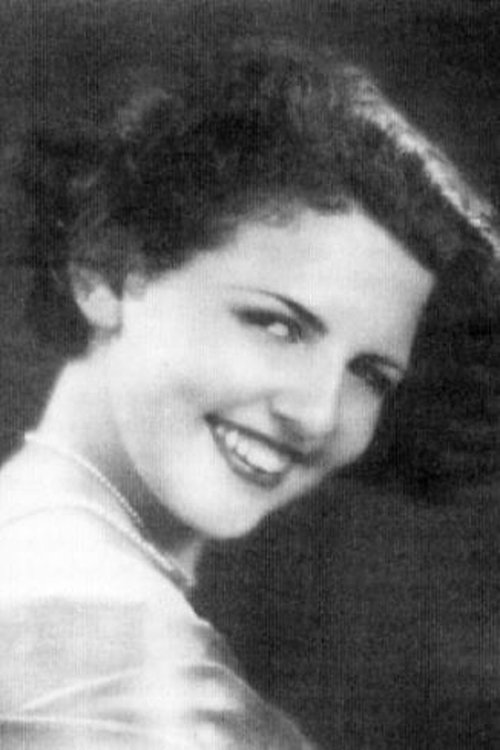
Corita Cunha
Acting
Biography
Corita Cunha, stage name of Cora Bockel (Buenos Aires, April 17, 1917 — Brazil, 2003), was a Brazilian actress born in Argentina. Corita Cunha appeared in five films. Her most notable work was in "O Caçador de Diamantes", directed in 1933 by Vittorio Capellaro. An orphan, she came to Brazil with her grandmother, Cláudia Montenegro, who was performing in São Paulo nightclubs. Corita was considered one of the most beautiful women in her time, which sparked an obsessive passion for the young actress by Assis Chateaubriand, who was then married. After Assis separated from his wife, Corita moved in with Assis, as did her grandmother Cláudia Montenegro, her great-aunt Maria Montenegro, and Zulema, her cousin. Assis harbored a pathological jealousy of Corita, which contributed to the actress's dissatisfaction. In 1934, the couple's daughter, Tereza Cunha, was born, but she could not take her father's surname because divorce was prohibited at the time. Corita ran away in 1942 with the architect Clito Bockel, with whom she lived for the rest of her life.
Known For
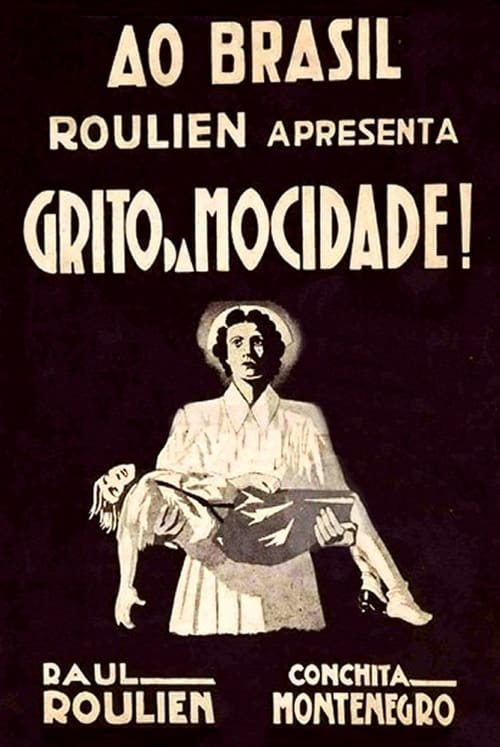
The lives of five young medical interns in in the emergency ward of a hospital in Rio de Janeiro.
O Grito da Mocidade

A documentary that chronologically traces the presence of women in Brazilian cinema.
As Mulheres no Cinema Brasileiro
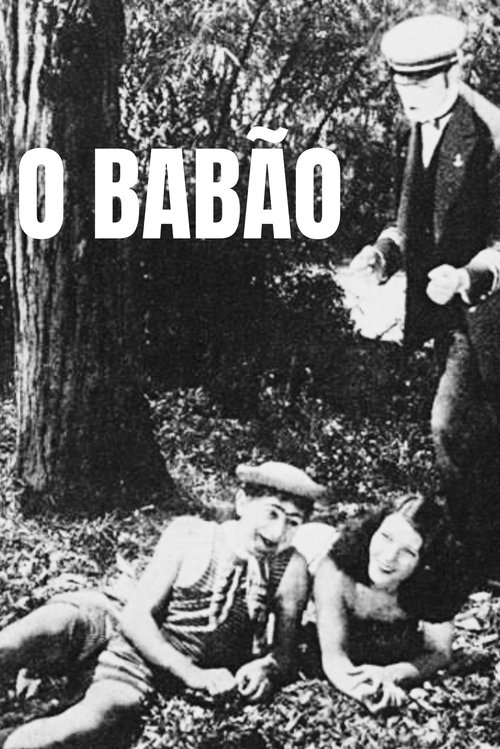
Zé Babão is a hillbilly who does not care about working, leads the good life of the interior and is in love with Conchita. One day, an Italian appears interested in all the banana trees of Zé Babão and, for this, decides to marry Conchita.
O Babão
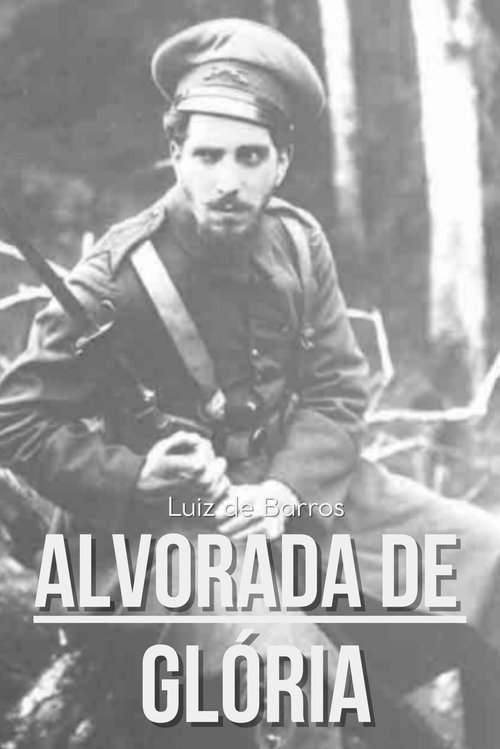
At the Paulistano Club pool, Lygia tells Nilo that she liked the album "Lua Branca," recorded by the young man. He promises to visit her to perform the song in person. The visit marks the beginning of a romance between the two, which later becomes an engagement. However, Nilo is involved in the 1924 uprising in the barracks and, with the outbreak of the revolution, leaves for the front. The city of São Paulo shows the damage caused by the bombings. The rebels, wanting to avoid further sacrifices to the city, after days of fighting and victory, decide to abandon it.
Alvorada de Glória

Comical late 1920s Brazilian daily life's situations, portrayed by two friends who decide to serenade a common girlfriend, a drunk barber and a bad haircut, and a man who is barred from playing his songs at the hotel where he was staying.
Our Things

Brazil, late 17th century. An adventurer joins an expedition, but secretly he's out to find a treasure following a map left by his father.
O Caçador de Diamantes

A captain, exiled due to the 1924 revolt, sees 1930 as a great opportunity to return to action.