Laurent Fignon
Acting
Biography
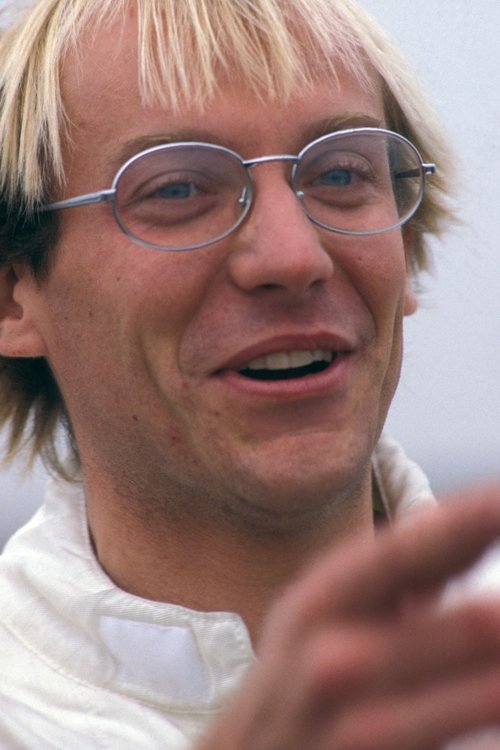
Laurent Fignon was a French professional cyclist born on August 12, 1960, who became a prominent figure in the sport during the 1980s. He achieved iconic status with his distinctive glasses and blond ponytail. Fignon was a two-time winner of the Tour de France, claiming victory in 1983 and 1984. He was known for his aggressive riding style and his rivalry with fellow cyclist Bernard Hinault. Fignon's career was highlighted by numerous wins in prestigious races like the Giro d'Italia and the Tour de France, though he became equally famous for narrowly losing the 1989 Tour by a mere eight seconds to Greg LeMond in a dramatic final time trial. After retiring from competitive cycling, Fignon pursued a career as a television commentator and wrote several books, providing insights into the world of cycling and his experiences as a professional rider. Fignon passed away on August 31, 2010, leaving behind a legacy as one of France's cycling legends.

Known For

No description available.
Champs-Elysées

A game show set and filmed on the real Fort Boyard in France. The contestants have to complete in physical and endurance challenges to win prize money.
Fort Boyard

No description available.
Nulle part ailleurs

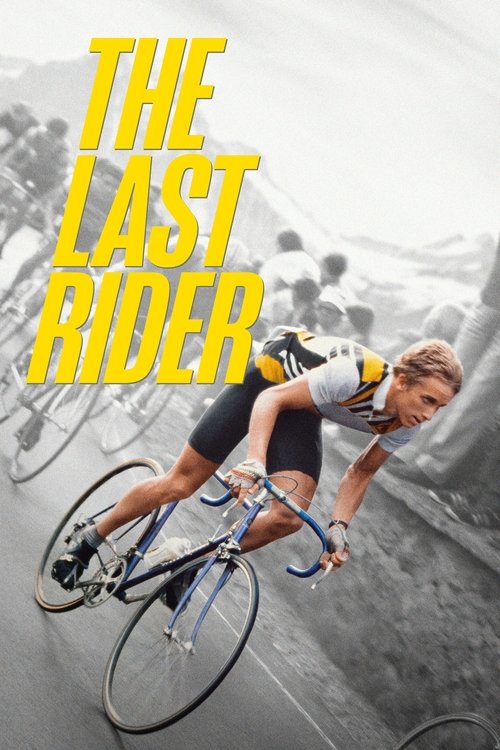
The incredible story of the greatest cycling race in history, the 1989 Tour de France, and how American Greg LeMond faced down betrayal, childhood sexual abuse and death completing one of the most inspiring comebacks in history.
The Last Rider

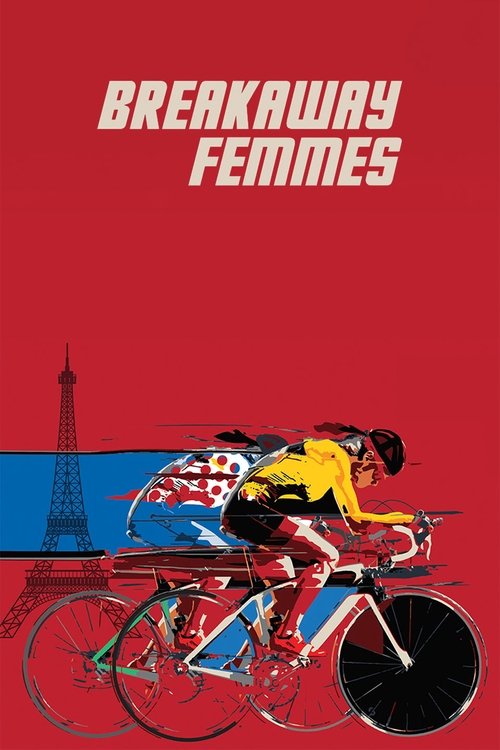
The untold story of the halcyon era of women's professional cycling. For six glorious years during the 1980s, the Tour de France held a women's race alongside the men's race. These women raced over the same cobblestones, conquered the same mountains, and were cheered by the same throng of adoring crowds as the men.
Breakaway Femmes

A profile of Canadian pro cyclist Steve Bauer produced by the National Film Board of Canada
Steve Bauer: Inside Out

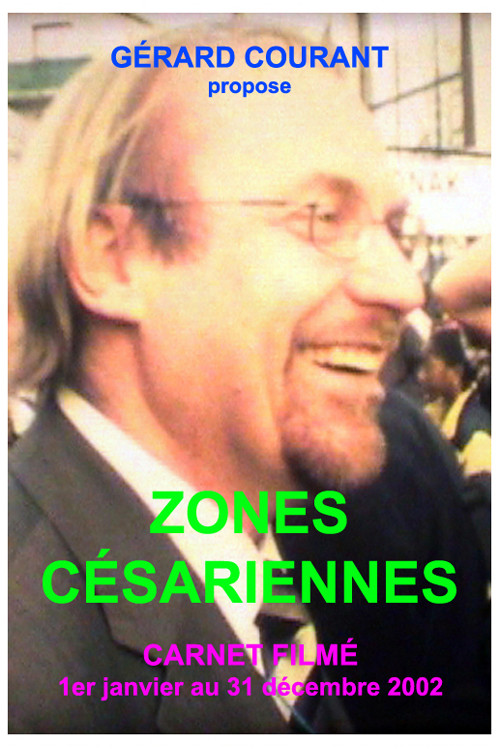
Zones césariennes (which covers the year 2002) is one of Gérard Courant's Filmed Notebooks shot on film. These episodes now coexist with their counterparts filmed on videotape. They are two films with parallel lives but opposing destinies, colliding and eyeing each other warily. They represent two approaches, two styles, two different ways of understanding cinema. Two methods for unfolding time, grasping memory, and exploring the world.