Danièle Dubroux
Directing
Biography
Danièle Dubroux (born September 4, 1947) is a French director, screenwriter, and actress. Description above from the Wikipedia article Danièle Dubroux, licensed under CC-BY-SA, full list of contributors on Wikipedia.
Known For
No description available.
40° à l'ombre

Fashion executive Dominique's obsession for Quentin, a young bisexual hustler, fills her desire for physical love but leaves her taxed emotionally. Twists and turns in the relationship, along with the man's violent and abusive nature, force Dominique to reconcile the conflicts created by her passion. In this quest, Dominique is aided, and sometimes hindered, by friends, clients, and Quentin's former and current acquaintances.
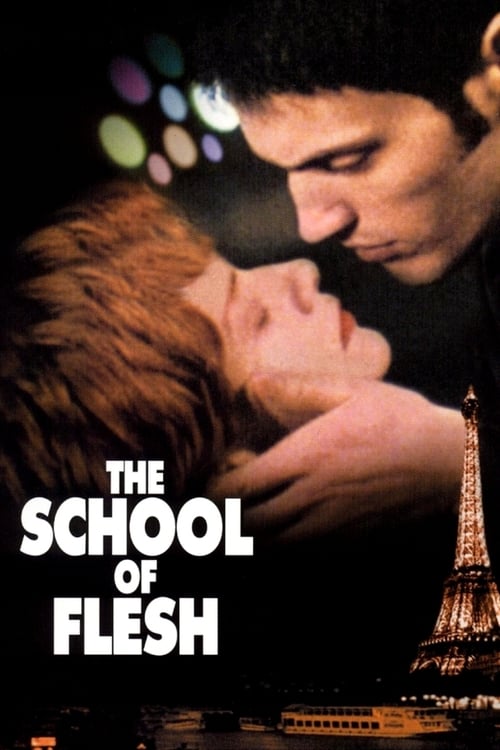
The School of Flesh

Antoine works in a bar in Paris. One evening on his way home from work, he intervenes when a man tries to commit suicide. He feels strangely guilty about having saved the man's life and constantly tries to help him, make things better. No matter what Antoine does, he can't get Louis's mind off Blanche, the woman of his dreams, his sole obsession, the reason why he wanted to die... Antoine decides to look for her, but doesn't let Louis know.
After You

Fifteen-year-old Camille is a vulnerable and a strong-willed seductress- she chooses, she takes, she leaves; she can go very far in her desire for freedom. She is the daughter of disunited parents, Armand, a professor and Colette, an intellectual bourgeois. She manages to seduce Jean-Louis, a professor of letters of thirty-seven years, friend and colleague of her father. She makes him commit a lot of extravagance - he even dyed blond. Later she had a passion for Samuel, a former student of Jean-Louis, lout and trafficker. She is not easy, men learn at their expense, either sentimentally, as with the teacher, or that the first sexual experience come to ignite the relationship with Samuel.
The Little Coquette

On a whim, the long-married Hélène decides to look up a former lover of hers. At his apartment, she is met by the man's grown son, Julien, who tells her that his father died just a few days before. Before long, she has become Julien's lover, but she is also increasingly becoming attached to the rather unlikely idea that Julien and she are genetically related. Meanwhile, her cardiologist husband cannot fathom her increasingly bizarre behavior. It is one thing to have an affair, even with a much younger man, but she seems to be edging ever-closer to the borderline between sanity and madness.
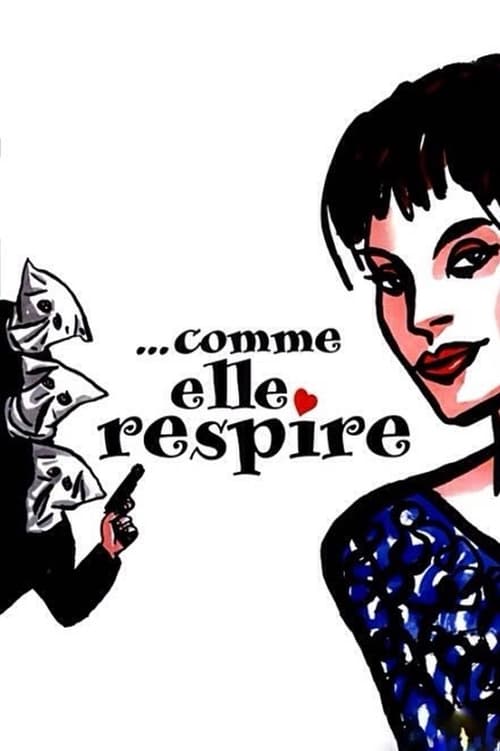
Border Line

A husband wants to win back his wife, even though she has been living with her lesbian lover for six months.
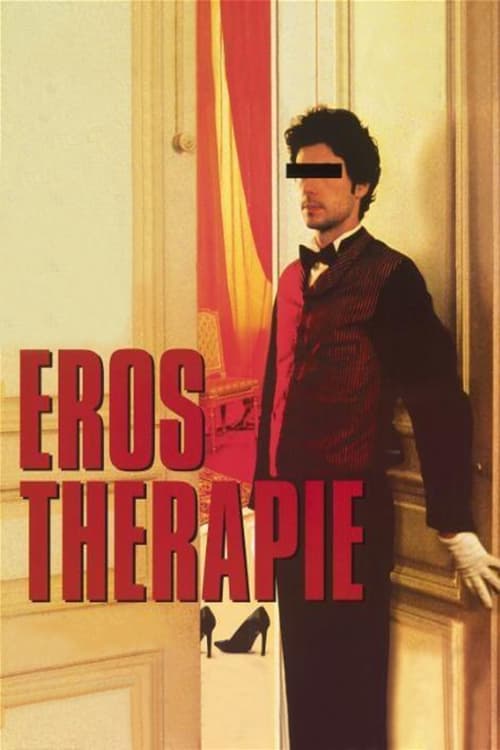
Eros Therapy

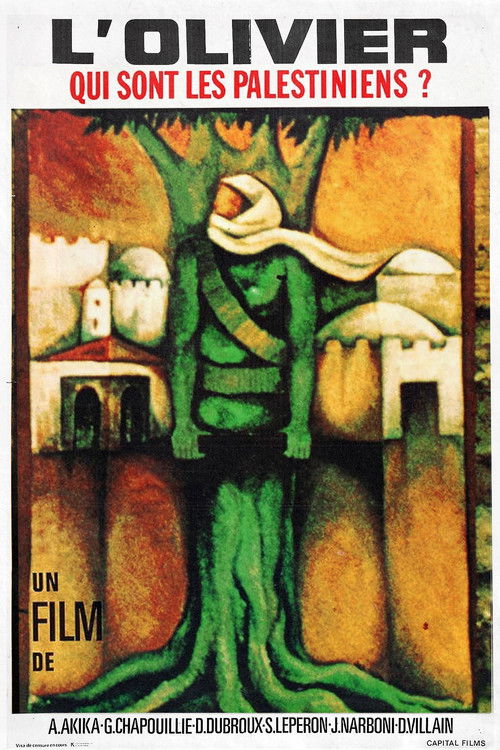
Filmed between 1973 and 1975, L’Olivier was produced by the Vincennes Cinema Group. This activist collective of teachers and filmmakers, formed on the occasion of this film, attempts to explain the Palestinian problem through interviews. The Olivier was one of the first films to attempt to give substance to what was still largely ignored in the West: the existence of the Palestinian people and their fight to recover their rights. L'Olivier responds to a concern: the already weak support of French public opinion for the Palestinian cause diminished following the Munich operation of 1972. Structured in such a way as to tell the Palestinian story and explain the state of the struggle at the time, the film appeals to global militant solidarity and, in particular, to European political commitments.
The Olive Tree

This standard romantic drama focuses on three different couples who happen to come together in a small hotel in Rome and play out their differences in that setting. The couples are made up of a Parisian woman and her Slavic boyfriend out to spend some quality time together; a Frenchman (Jean-Noel Picq) searching for his sexually awakened teenage mistress; and a woman out to reunite with her Italian lover (Michele Placido). These people manifest different approaches to a romantic partnership that are tested in their brief encounters in Rome.
The Terrible Lovers

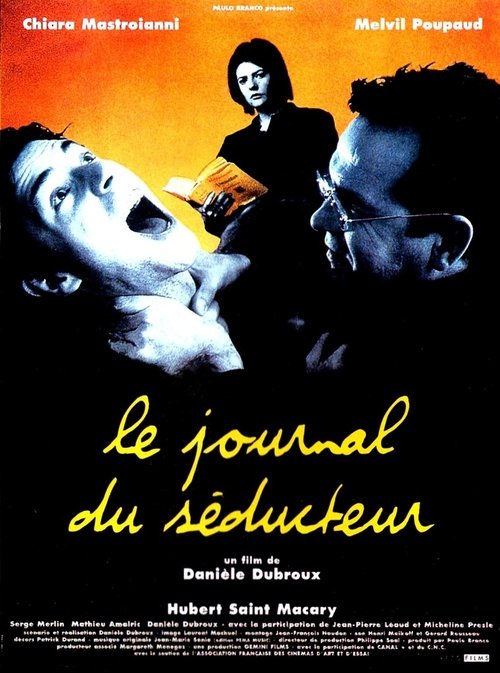
Student Claire lives with her mother, Anne, and Sebastien — a young man Claire brought home out of pity who is now trying to seduce them both. At school, Claire meets Gregoire, who loans her a book by philosopher Soren Kierkegaard that makes the reader attracted to whoever gave it to them. Smitten with Gregoire, Claire passes the book on to her therapist, who then falls in love with her.
Diary of a Seducer
Reel 26 of Gérard Courant’s on-going Cinematon series.
Cinématon XXVI

Believing she comes from a wealthy family, thugs kidnap a young woman hired as an au pair in Paris.
White Lies

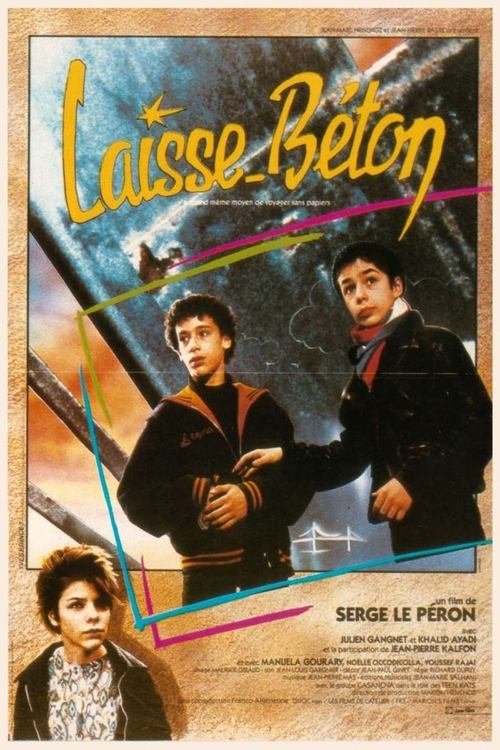
Brian and Nourredine are two lousy young offenders. Their flights have a motive: a film brought back from San Francisco where the father of Brian, singer of rock of the sixties, today in prison, made a tour.
Laisse béton

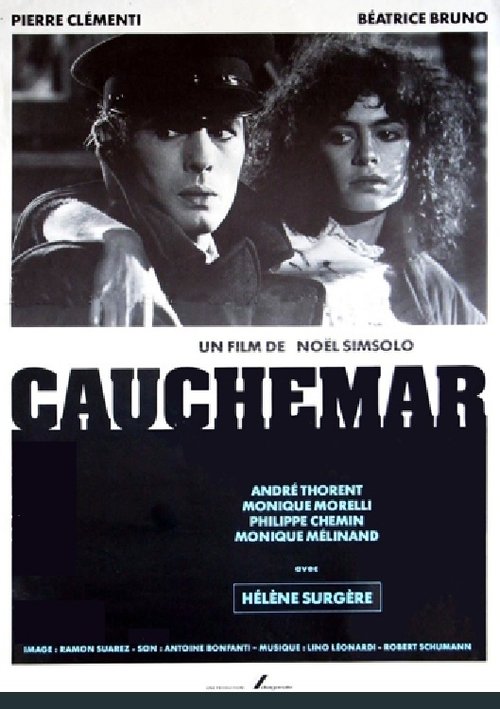
A troubled young woman who lives alone in a rundown house meanders around and one day reveals a hidden talent when she goes into a bar, plays magnificently at the piano, and leaves as mysteriously as she came. Meanwhile, an unidentified man is on her trail and eventually tracks her down to the bar she had visited. As the dragnet around her closes in, it becomes apparent that the young woman's stepmother is behind the effort to locate her. But questions over why she is hiding out and what she is hiding from begin to take on more importance as the history of the young woman starts to surface.
Nightmare

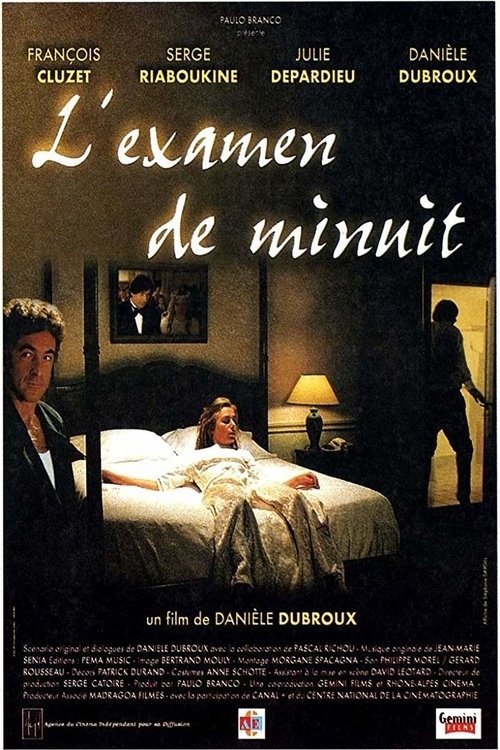
When she lands up in the middle of nowhere, Séréna, a rather thoughtless young woman, is supposed to marry Hubert, a country squire she came into contact with through the classifieds in "Le Chasseur Français", a magazine for hunters. But she gets to know Roland, a bachelor farmer who develops an instant burning passion for her. Prepared to do anything for her, he goes as far as to holdup banks to secure the good life she longs for. Although she confesses (wrongly) that she suffers from AIDS, he is in no way discouraged. Séréna accepts to marry Roland but on her wedding night she balks at taking the "midnight exam". She runs away and meets Antoine, a married writer, who hides her in the attic of his house, without his wife knowing it.
Midnight Exam
The film comprises a total of six episodes: in each, the authors seek to highlight the personal problems and feelings of three French and three German female filmmakers.
Die Erbtöchter
Two girls go to Berlin, one to find a German girl who lived at home in the 50s when her parents divorced, the other to look for a role in German cinema.
Soeur Anne ne vois-tu rien venir?
A short film.
Les deux élèves préférés
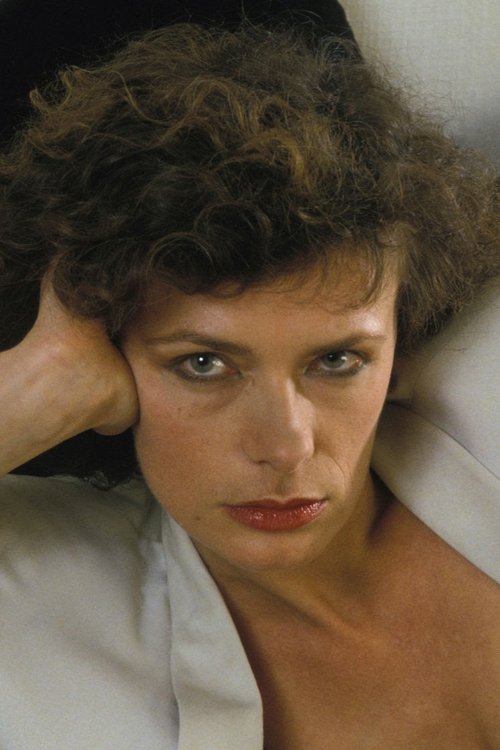
Portrait of French film director and critic Danièle Dubroux, shot in Paris (France) on November 26, 1982 at 12:15 PM.