Gianfranco Mingozzi
Directing
Biography
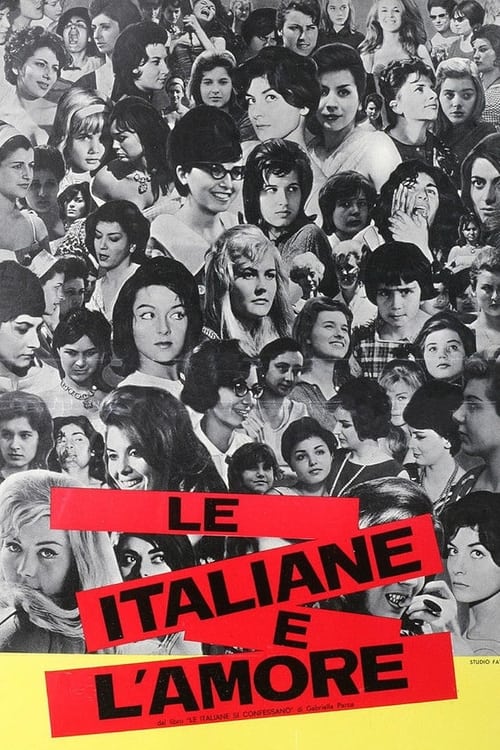
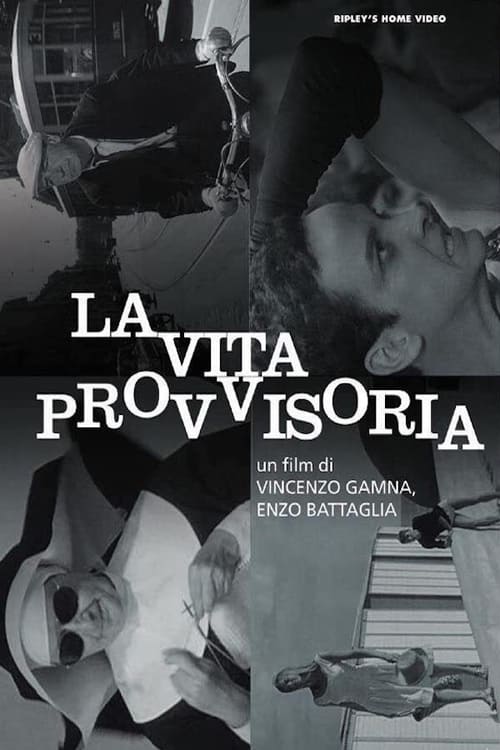
Gianfranco Mingozzi (5 April 1932 – 7 October 2009) was an Italian director and screenwriter. Born in Bologna, Mingozzi got a degree in Law, then enrolled at the Centro Sperimentale di Cinematografia in Rome, graduating in 1958. After being assistant of Federico Fellini, René Clément, Philippe de Broca and Gianni Franciolini, in 1962 he debuted as a screenwriter for La vita provvisoria, and then made his directorial debut with "La vedova bianca", a segment of the anthology film Le italiane e l'amore. He was also a critically acclaimed documentarist.
Known For

In 1914, sixteen year old Roger returned home from boarding school during vacation to find his puberty hit hard in a house filled with beautiful women. These women have previous engagements with other men who are away, and during this time, Roger impregnates them all, including his aunt and sister, then devises plans to cuckold the men.
Exploits of a Young Don Juan

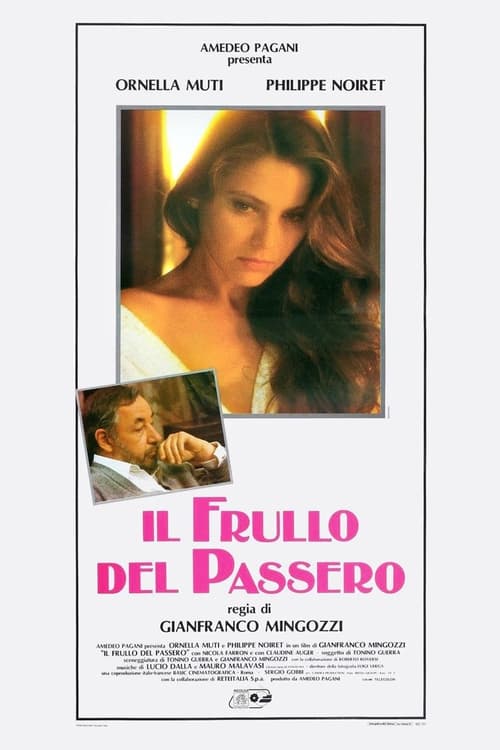
A woman, who has been the mistress of a man who has just died, thinks about leaving the little Italian village where they lived and moving to another place. An old and rich man offers her a place in his house, however, she will have to listen to him telling his past love stories.
The Sparrow's Fluttering

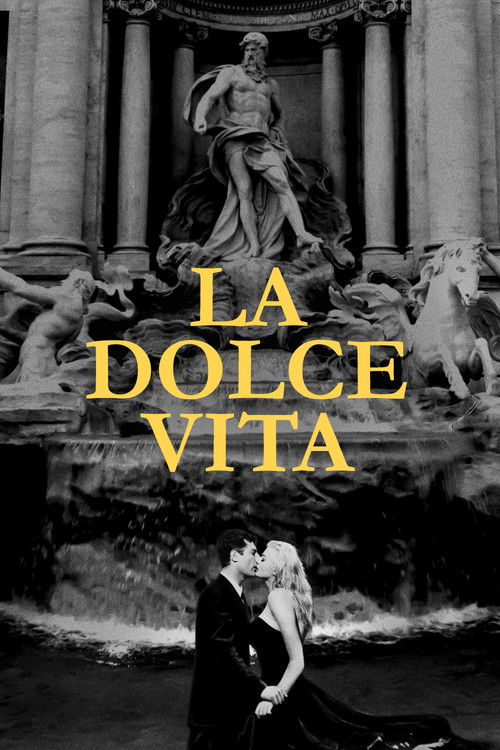
Episodic journey of journalist Marcello who struggles to find his place in the world, torn between the allure of Rome's elite social scene and the stifling domesticity offered by his girlfriend, all the while searching for a way to become a serious writer.
La Dolce Vita

Christina Fisher arrives in Sardinia to spend a holiday with her university friend, Francesco. As they are touring the island, they are trapped by mountain terrorists. Francesco is kidnapped, but Christina is permitted to leave. She is determined to contact the police, but is persuaded not to by Francesco's best friend, Gambino. Together they try to find the kidnappers, but she becomes suspicious of everyone including Gambino. Confused and paranoid, she sets out alone to contact the police.
Sardinia Kidnapped

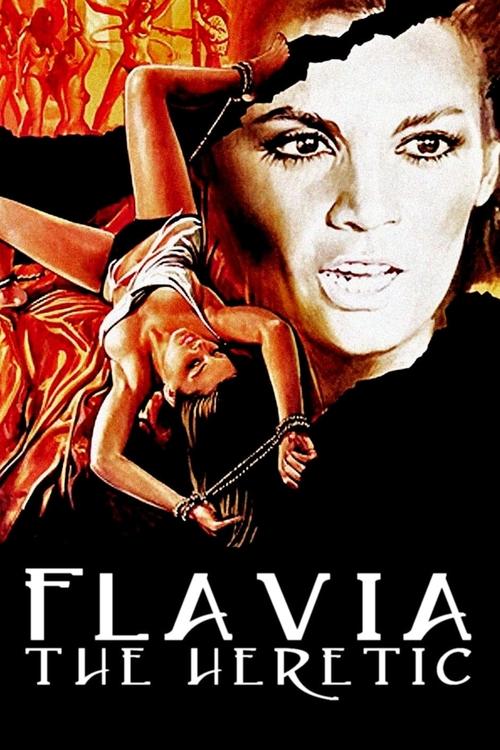
Puglia, southern Italy, around 1400. A convent is invaded by the Tarantula cult, whose fanatical and crazed members desecrate the sacred place by committing obscene and bloody acts.
Flavia the Heretic

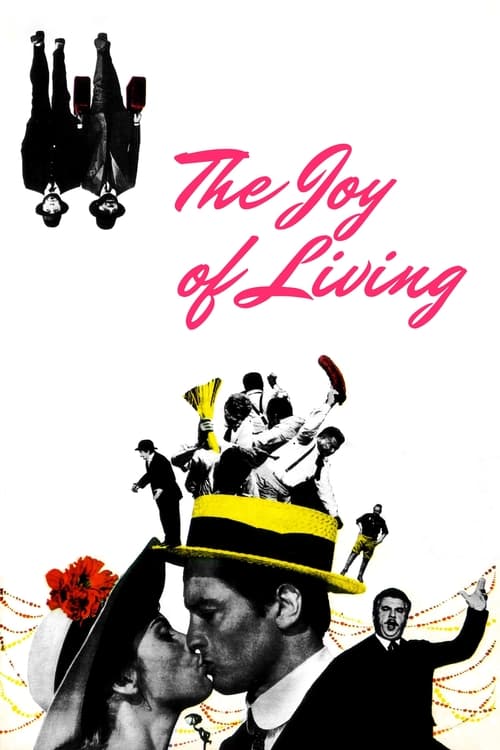
Ulisse is a naive young man out looking for a job after being released from the army. He drops the offer he gets from a group of fascists to go in with the Fossatis, a family of anarchists (unknown to him).
The Joy of Living

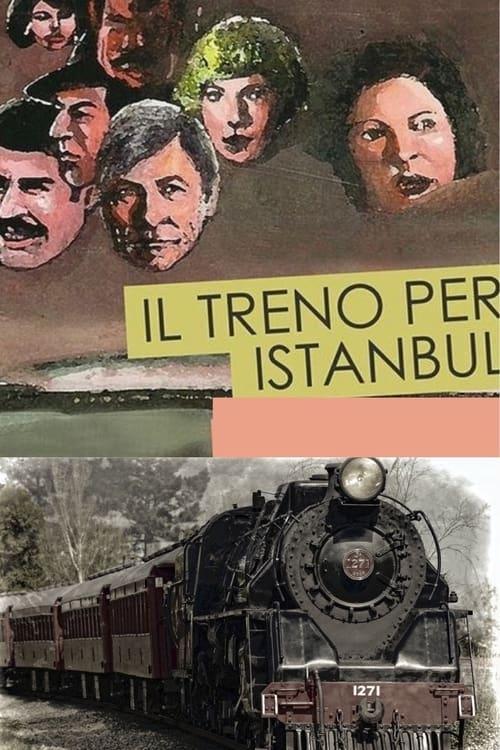
Set on the Orient Express train, which traveled from Ostend, Belgium, to Istanbul, Turkey, it features several characters whose destinies intertwine, each bearing their own burden of torment: race, sexual frustration, political failure, poverty. Among them are Carlston Myatt, a Jewish businessman, and Dr. Czinner, a Slavic politician who escaped a death sentence five years earlier and is intent on returning to Belgrade.
The Istambul Train

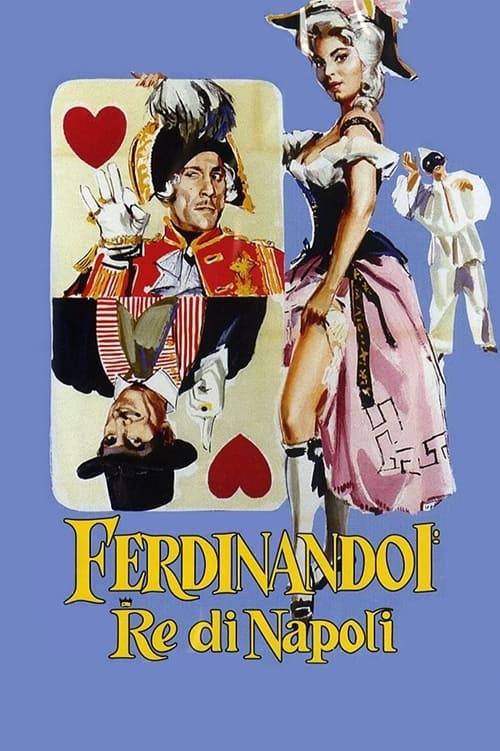
The story of "King Lazzarone" Ferdinand I of Bourbon whose pastime was to neglect the government and disguise himself as a poor man and turn to the infamous city premises in search of love adventures. With the De Filippo brothers to complete.
Ferdinand I King of Naples

A filmmaker of committed films, together with his lover, plans to commit suicide within a few days.
La vita in gioco
Francesco Maselli pitched this documentary to the CGIL, CISL, and UIL trade unions as part of the 1.5 million-strong protest march on November 12, 1994 against Silvio Berlusconi's projects on social security and the reform of the pension system. A large number of directors, cinematographers, camera operators and technicians from all over the country worked for free in 22 different crews, chronicling one of largest political gatherings ever held in Italy.
Rome, November 12, 1994

An episodic film based on letters to agony columns, showing the effect of sex on the lives of women.
Latin Lovers

A documentary about the Italian cinema as art form and industry.
Bellissimo: Images of the Italian Cinema

A behind-the-scenes documentary about director Michelangelo Antonioni as he's shooting his segment of The Three Faces, a vehicle for Soraya, the former empress of Persia. Featuring interviews with Monica Vitti, Tonino Guerra and more.
Antonioni: Documents and Testimonials

The lives of three young people in their teens are linked through their experiences in this drama from director Gian Franco Mingozzi. A girl wins a pop singing contest and begins a successful career, at the same time taking on various lovers, discarding them at whim with no regard to their feelings. A curious teenage boy spies on the lonely bachelor who lives across the street and observes that he always has a handful of bills, so the boy decides to rob him. When the boy can't go through with the crime, he seeks out the bachelor to teach him something about life that the teen feels he is missing.
Trio

A film made up of a series of eight episodes.
La vita provvisoria

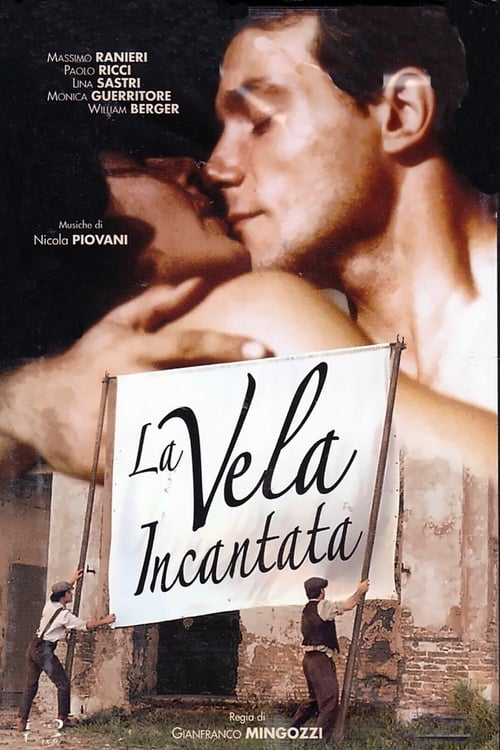
The time is the late 1920s, and Angelo and Tonino are two brothers traveling around the country in a rattle-trap truck, showing moving pictures to any group of people willing to pay. When they arrive in the region of Emilia-Romagna, Angelo strikes up a relationship with a wealthy marchesa connected to the fascist movement. Tonino, on the other hand, starts to follow the rebellious Giovanni, locked up for his anti-fascist stance, and the farmers who have joined in the anti-fascist forces. As the rebels are either murdered or put in prison, Tonino becomes more and more commited to their cause - especially after Giovanni is killed. When a silent movie on the condemned and dying Christ is shown on the brothers' screen, Tonino stops the action to project some slides he has taken that show who murdered Giovanni - in an action that calls for his brother and the rest of the bystanders to finally make a decision on where to place their loyalties.
The Magic Screen

A documentary about Federico Fellini's cinematic masterpiece.
Noi che abbiamo fatto la dolce vita

The film is set in the elegant café "Il Quattro Palme" traditionally frequented by intellectuals, lovers of lyric music and poetry.
Tobia al caffè

Giorgia O’Brien (born Giorgio Montana) was one of the greatest divas on the Italian stage in the 1950s and ’60s. She had the clear voice of a soprano, but could also reach all the registers of a baritone, bewitching the public for thirty years. The story of an existence forged by diversity and challenge, but also shaped by love, friendship and research.
Giorgio/Giorgia - Storia di una voce

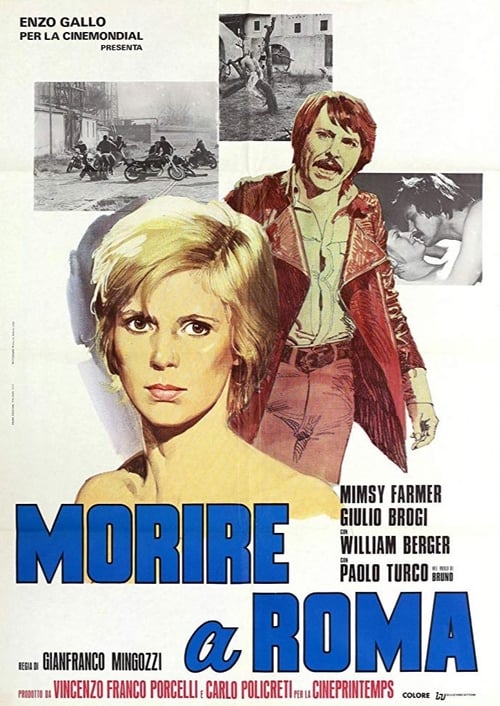
No description available.