Directing
Experimental stroboscopic effects
A sequence of non-abstract visual impressions on a theme open to all interpretations.
Plongeon ou le Grand Disque is the first film to be made using the 2-metre diameter Large Stroboscopic Disk (LSD), designed by Dominique Willoughby and produced by Achay Doan, which provides a new form of stroboscopic animated painting, a contemporary adaptation of the 19th century stroboscopic disks and phenakistiscopes invented in 1833 by Joseph Plateau and Simon Stampfer. From the line to an animated being, serpentine, fish, human, swimming, flying, plunging into a bottomless space simultaneously expanding and shrinking, from birth to stellar disintegration, indefinitely, swimming endlessly in loops and spirals.
The wind in branches and leaves, in the clouds, revealing or masking the sun, affecting a gong, but also the montage, animating a garden. There is also a spiral at one moment, oh yes and also the moon. A play with sampling gusts of wind and gong, sun and clouds.
No description available.
Cinematic and experimental visions of Paris.
Part of the Paris Mental larger work in progress : experimental cinematographic visions of the city of Paris. Here two sides of the Paris underground : aerial and subterranean, flying from Jaurès to Barbès-Rochechouart, and walking in the labyrinths of the Place de Clichy subway corridors.
16 mm film painted and refilmed on a virtual image bench for the ballet Shazam by the DCA Philippe Decouflé company. It was projected onto a dancer whose costume gradually inflated.
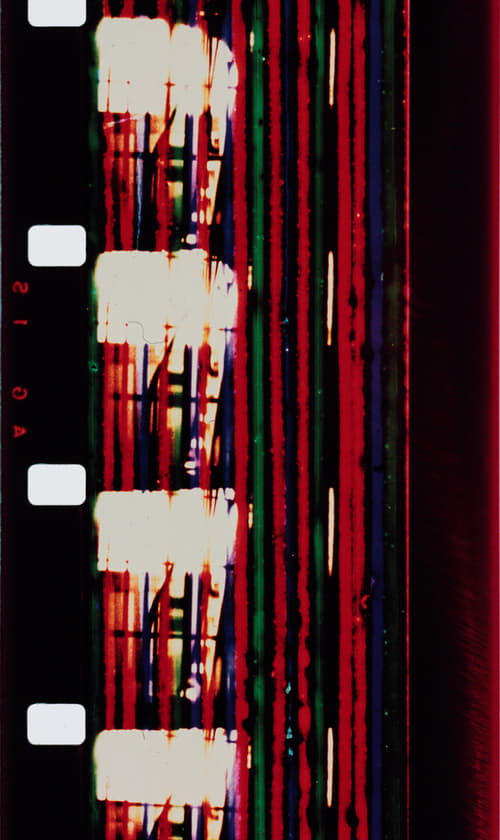
Coloured micro-drops sprayed onto transparent film stock, small dots spread at random in a space indifferent to the filmstrip's division into frames. This produces an abundance of effects: swarming, flurries, Brownian movements, ephemeral and vibratile forms, slowly increasing in number until they darken the screen, golden flashes of visual crumbles. What is projected onto the screen, as much as the film and its dots, schemas and drawings are moving figures, perceptual and mental motifs, visual modes that are created by the viewer's reception and interpretation of this visual "information".
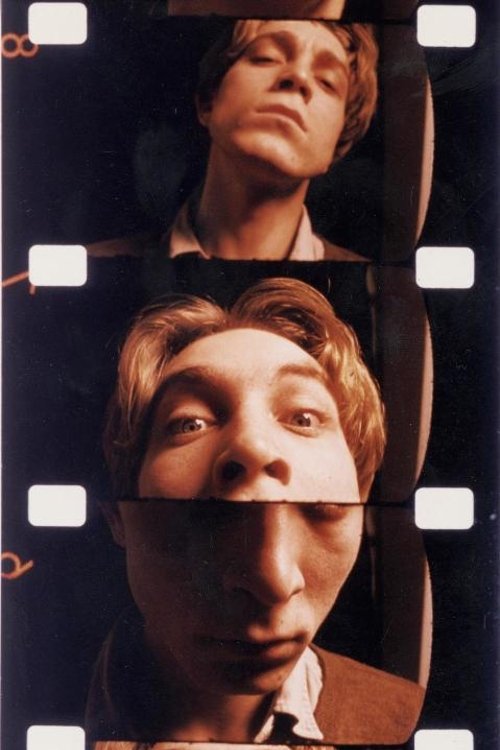
Bal is a pensive self-portrait by Dominique Willoughby and his most dazzling film. His face in extreme close-up is slightly anamorphosised. This is a tête-a-tête between Dominique Willoughby's face and his camera lens whose position the viewer assumes, and during which his eyes follow the movements of his own face. The movements of the face are short and sampled, multiplied and super-imposed filling the screen with a multitude of faces, with abrupt movements, turning, and yet nonetheless connected. But the jolting of the faces has a reflex brutality, as if they were activated by a mechanical force.
Gruesome grimaces, craftsmen at work, running animals, wild fountains of colours – the “not yet films” from the prehistory of cinema were only sixteen animation images long, but they left people amazed and satisfied the sensation-seekers. Parisian artist Dominique Willoughby has retrieved some 19th century wonder discs from the archives and re-animated them in a variety of ways to minimalist music.
A stone riddled man moves towards a statue woman, between stone and flesh, earth and sky. Ancient cities, countryside roads unthread and mingle with memories and imagination.
Covers the making of the multicolored magazine for technological arts, Melba, edited by Claudine Eizykman and in which Guy Fihman, Dominique Willoughby, among others, were active participants, with 5 issues published between 1976 and 1979.