Marguerite Yourcenar
Writing
Biography
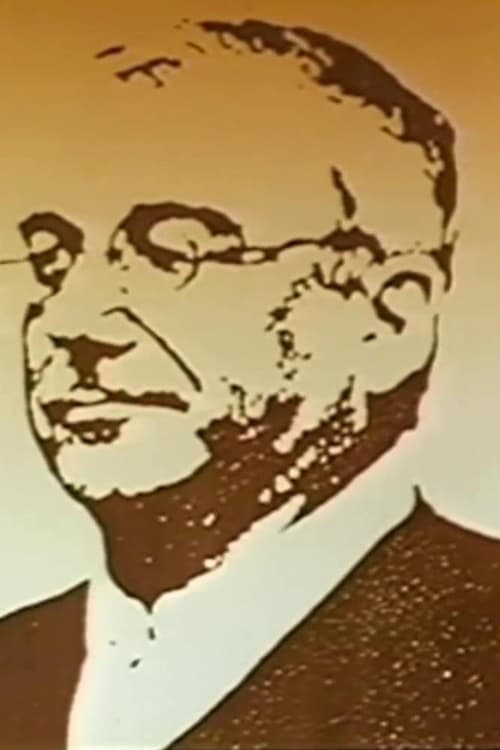
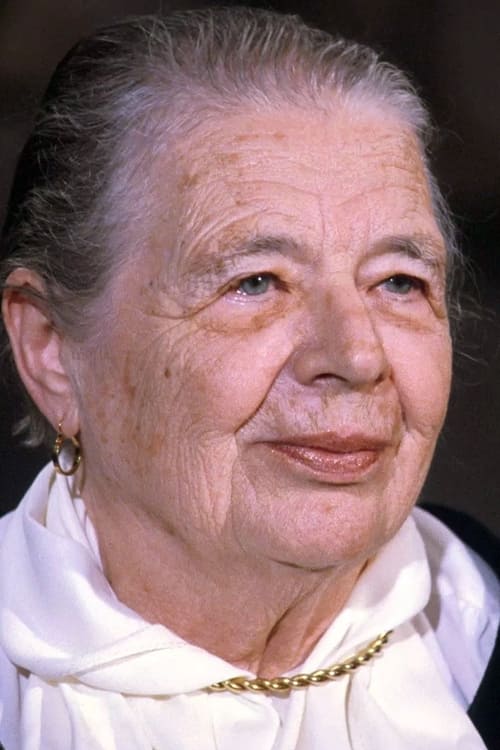
Marguerite Yourcenar (born Marguerite Antoinette Jeanne Marie Ghislaine Cleenewerck de Crayencour; 8 June 1903 – 17 December 1987) was a Belgian-born French novelist and essayist, who became a US citizen in 1947. Winner of the Prix Femina and the Erasmus Prize, she was the first woman elected to the Académie Française, in 1980. Yourcenar was born Marguerite Antoinette Jeanne Marie Ghislaine Cleenewerck de Crayencour in Brussels, Belgium, to Michel Cleenewerck de Crayencour, of French bourgeois descent, originating from French Flanders, a very wealthy landowner, and a Belgian mother, Fernande de Cartier de Marchienne, of Belgian nobility, who died ten days after her birth. She grew up in the home of her paternal grandmother. She adopted the surname Yourcenar – an almost anagram of Crayencour, having one fewer c – as a pen name; in 1947 she also took it as her legal surname. Yourcenar's first novel, Alexis, was published in 1929. She translated Virginia Woolf's The Waves over a 10-month period in 1937. In 1939, her partner at the time, the literary scholar and Kansas City native Grace Frick, invited Yourcenar to the United States to escape the outbreak of World War II in Europe. She lectured in comparative literature in New York City and Sarah Lawrence College. Yourcenar was a lesbian; she and Frick became lovers in 1937 and remained together until Frick's death in 1979 and a tormented relationship with Jerry Wilson. After ten years spent in Hartford, Connecticut, they bought a house in Northeast Harbor, Maine, on Mount Desert Island, where they lived for decades. They are buried alongside each other at Brookside Cemetery, Somesville, Mount Desert, Maine. In 1951, she published, in France, the novel Memoirs of Hadrian, which she had been writing on-and-off for a decade. The novel was an immediate success and met with great critical acclaim. In this novel, Yourcenar recreated the life and death of one of the great rulers of the ancient world, the Roman emperor Hadrian, who writes a long letter to Marcus Aurelius, the son and heir of Antoninus Pius, his successor and adoptive son. The Emperor meditates on his past, describing both his triumphs and his failures, his love for Antinous, and his philosophy. The novel has become a modern classic. In 1980, Yourcenar was the first female member elected to the Académie française. An anecdote tells of how the bathroom labels were then changed in this male-dominated institution: "Messieurs|Marguerite Yourcenar" (Gents/Marguerite Yourcenar). She published many novels, essays, and poems, as well as a trilogy of memoirs. At the time of her death, she was working on the third volume, called Quoi? L'Eternité. Yourcenar's house on Mount Desert Island, Petite Plaisance, is now a museum dedicated to her memory. She is buried across the sound in Somesville, Maine. Source: Article "Marguerite Yourcenar" from Wikipedia in English, licensed under CC-BY-SA 3.0.
Known For

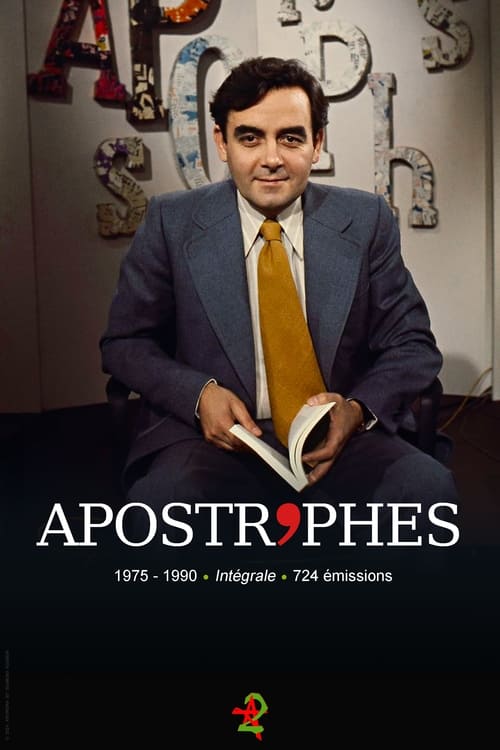
Apostrophes was a live, weekly, literary, prime-time, talk show on French television created and hosted by Bernard Pivot. It ran for fifteen years (724 episodes) from January 10, 1975, to June 22, 1990, and was one of the most watched shows on French television (around 6 million regular viewers). It was broadcast on Friday nights on the channel France 2 (which was called "Antenne 2" from 1975 to 1992). The hourlong show was devoted to books, authors and literature. The format varied between one-on-one interviews with a single author and open discussions between four or five authors.
Apostrophes

Animation TV magazine.
De l'autre côté

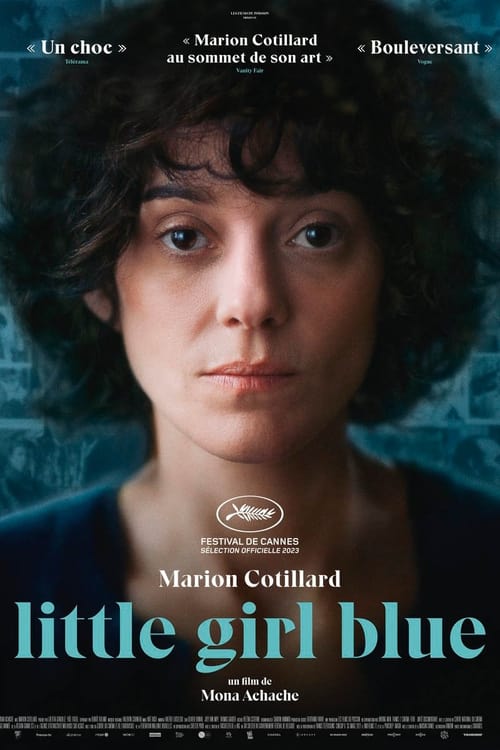
In 2016, French writer and photographer Carole Achache took her own life. After Carole's death, her daughter Mona Achache, a film director, discovers thousands of photos, letters and recordings that Carole left behind, but these buried secrets make her disappearance even more of an enigma. Through the power of filmmaking and the beauty of incarnation with the help of actress Marion Cotillard, the director brings her mother back to life to retrace her journey and find out who she really was.
Little Girl Blue

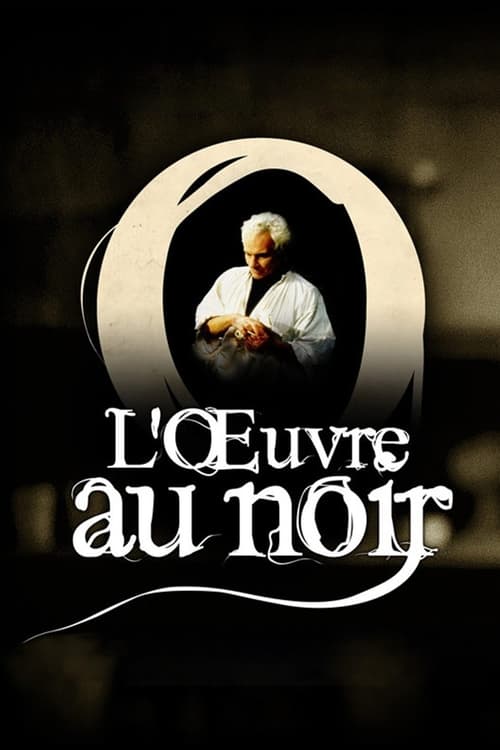
The Inquisition is in full swing in 16th century Flanders. Wanted for his dissident writings, the alchemist doctor Zeno has been wandering Europe under an assumed name for twenty years. But he remains a non-conformist. He returns to his native Bruges, where he thinks he has been forgotten. In this silent labyrinth where the faces of the past resurface, he rediscovers his identity and thus signs his death warrant.
The Abyss

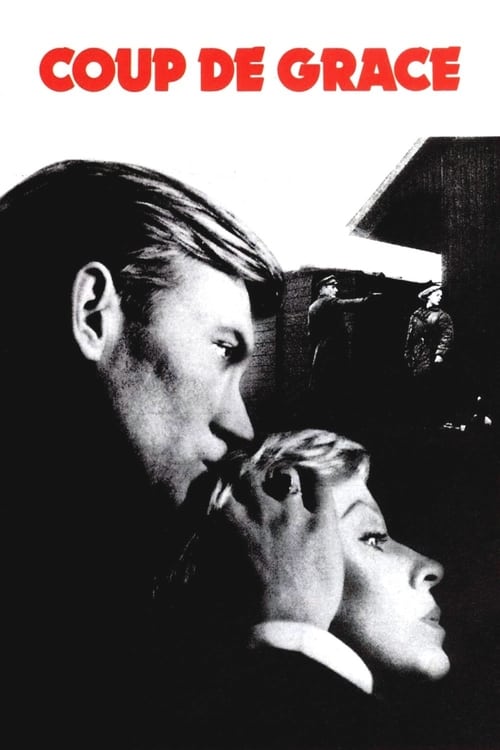
A countess loves her brother's Prussian-officer friend in the 1919 Baltic area.
Coup de Grâce

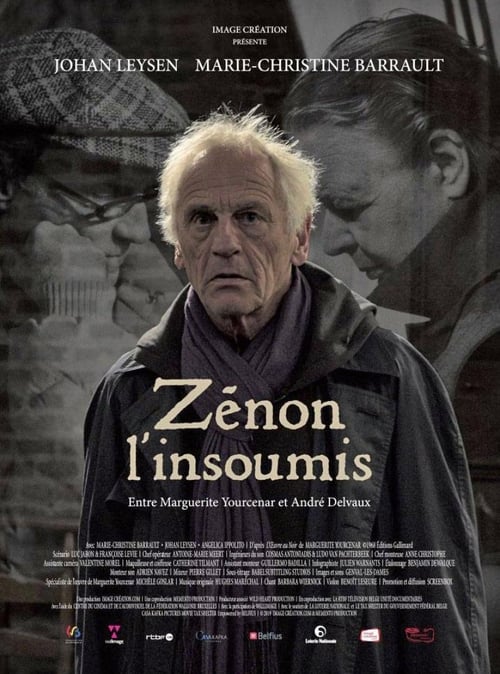
Zénon is the hero of “The Abyss”, the famous novel by Marguerite Yourcenar published in 1968. He is also the main character in André Delvaux’s film, played by Gian Maria Volonte, for the movie adaptation of the same book in 1988. But what does Zénon represent for us today, and what has become of him? How can this entirely fictional philosopher, doctor, alchemist and inventor from the Renaissance help us understand the era in which he lived as well as our own in these uncertain times? This is what this documentary sets out to do.
Zénon the Rebel

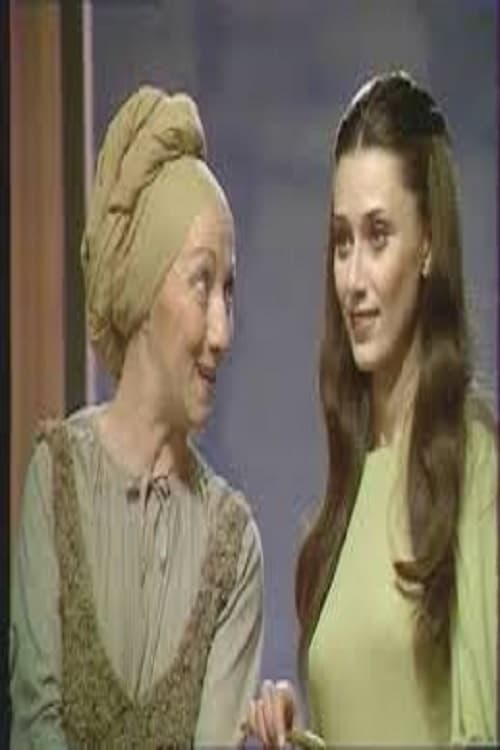
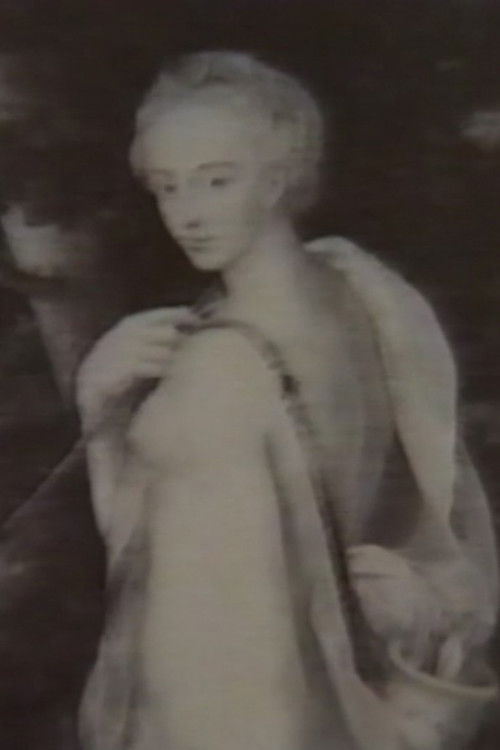
The Sienese Pia Tolomei is imprisoned in a castle by a jealous husband. Based on the novel by Marguerite Yourcenar, inspired by a story from the Italian Middle Ages.
Le dialogue dans le marécage

Hours and historical meetings, Pierre Assouline has composed an anthology of the best extracts presented in the form of a primer, which he had commented on by a surprised Bernard Pivot.
Les vendredis d'Apostrophes

Wang Fo, the greatest master of medieval China, aided by his assistant who has given up everything to follow him, desperately seeks aesthetic perfection. A day comes when he thinks he has achieved it. But his genius arouses both the curiosity and the jealousy of the Emperor. Wang Fo will be able to escape the Emperor's vindictiveness only by going to the limit of his talents.
How Wang-Fo Was Saved

Presentation of Marguerite Yourcenar's book about the famous Loire water castle Chenonceau as the "Castle of Women"