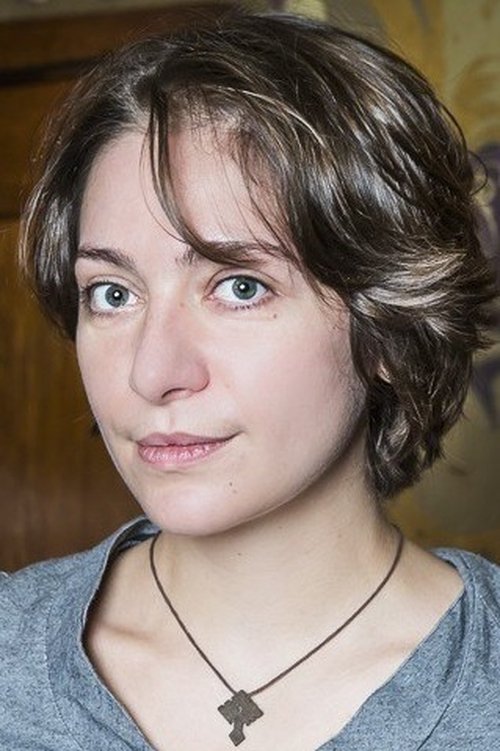
Ksenia Okhapkina
Directing
Biography
Ksenia Olegovna Okhapkina (Ксения Олеговна Охапкина; born 6 December, 1989; Leningrad, USSR) is a Russian documentary filmmaker. She graduated from St. Petersburg State University of Film and TV in 2012. Since 2014, she has collaborated with the Estonian producer Riho Västrik and his film studio Vesilind. Her first documentary produced in Vesilind, “Come Back Free”, won IDFA Special Jury Award for Mid-Length Documentary in 2016. “Come Back Free” is a poetic documentary about life in a war-torn Chechen village with local cemetery as its symbolic focal point. With her previous work, Ksenia has shown her ability to capture “the poetic in the pro- fane”. She avows to the meaningfulness of a single frame and has strong commitment to composition.
Known For
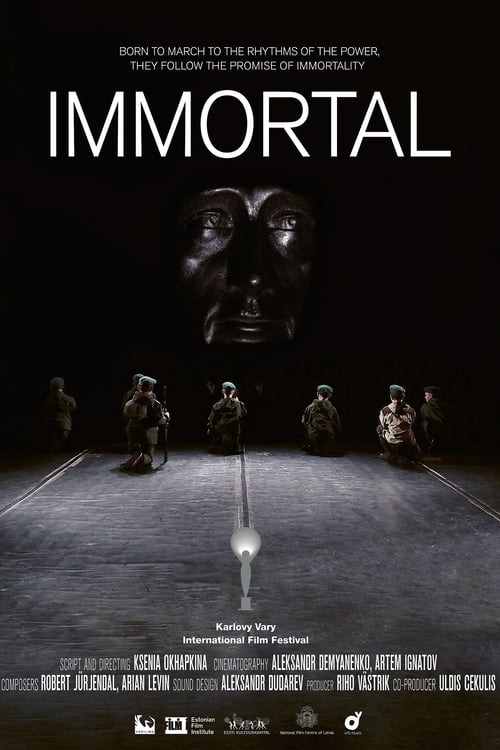
Apatity, a far-north industrial town in Russia, first came into being as a USSR concentration camp. Although its environment is at the brink of ecological disaster, the people here still believe in the state’s promise of immortality that can be gained through sacrificial service to the fatherland. This is how the elite in a totalitarian state buy a person’s will, strength, talent and, indeed, life, turning the human being into another resource that is as faceless as a grey lump of ore. ‘I cannot fight big corporations or state structures with a film. But I hope that there is someone in the darkness of the cinema whose heart will get a bit warmer after seeing it,’ says the director. The larger part of the film was shot during the polar night.
Immortal
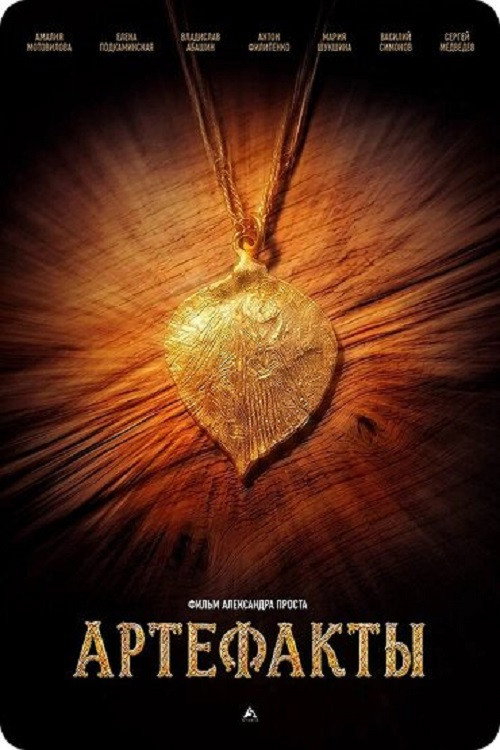
In ancient times, wizards fought each other for ancient artifacts that gave them power over the world. Many of them died in battle. And one of them, the Wizard, spent many centuries searching for the relics. In our days, schoolgirl Sonya accidentally discovers the artifacts, not knowing about their magical power. Without wanting it, the girl becomes a sorceress, not yet guessing what danger awaits her.
Артефакты
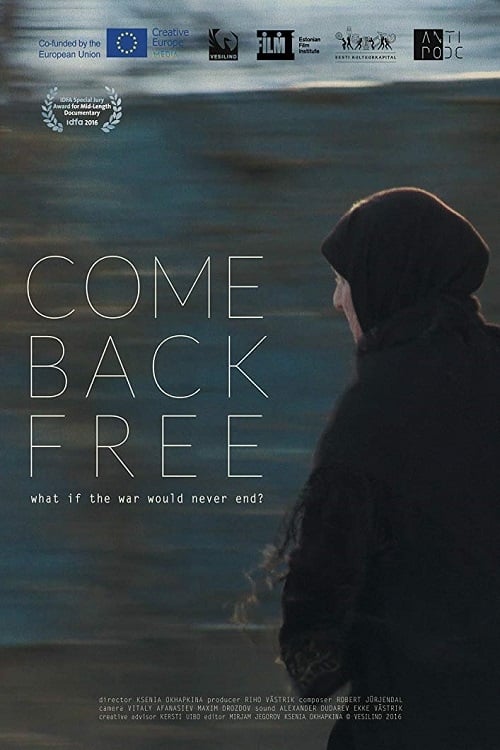
A poetic documentary about life in a war-torn Chechen village, with the cemetery as its symbolic focal point. The village lives and breathes in unison. The Chechen gravediggers are always busy. Death is an everyday visitor. It does not even matter that yet another war has ended. The people live stuck in a circle of vengeance. They also gather into circles to chant prayers to God. Only the cows are grazing calmly next to the cemetery and the children are happily going about their business. The Chechens' parting words to one another are, "May you come back free!"
Come Back Free

Brothers Tarmo and Toomas Urb are musicians whose phenomenon in 1980s Estonia is hard to overestimate. Performing romantic ballads accompanied by guitar, they were able to bring a full house to any concert hall. Some songs like "Imeline laas" or "Musta pori näkku" have become folklore. The brothers were compared to the duo Simon & Garfunkel.
Citizen of the Sun
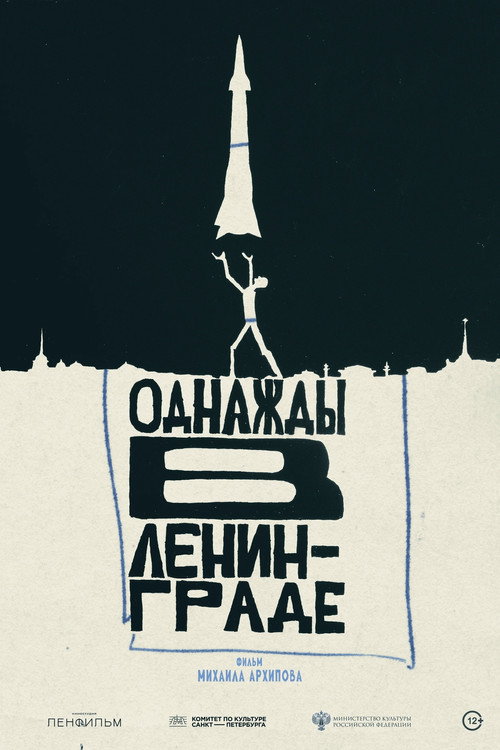
A film about Pavel Klushantsev (1910–1999), an outstanding Soviet director at the Lennauchfilm studio and creator of popular science films about space, who foresaw advancements in space exploration decades ahead. Drawing on unique documentary footage, the film traces Klushantsev’s life story. He endured revolutions, wars, professional triumphs, and dismissal from his beloved work, yet never lost faith in humanity’s boundless potential to build a better world.
Once Upon a Time in Leningrad
Film-essay about the original villages of the small people of Ludiki. The action takes place in Karelia. The film consists of three parts, each of which is dedicated to one village. Everyday life, myths, fairy tales, people and nature live a special life here, in which everything is important and everything is interconnected. The film contains fragments of a song in the Ludik language, which resembles Kalevala in content.
Liudians
A documentary about financial crisis in Russia.
Red

The remote, abandoned, snow-swept Belarusian village of Lute. The last resident of this village, Valentina Kirillovna Shpakova, is celebrating the New Year.
Snowstorm
This film is a journey from the modern world to the past, from the complex to the simple. Changing the appearance of cities is always associated with a change in the model of social relations. Through architecture, you can trace the course of history: victories and defeats, changes in the way of life of people and their key values. This is evidenced by the cities. Grozny, Volgograd, St. Petersburg, Pskov-absolutely not similar to each other, with different historical fate, however, the author shows in the film the common thing that unites their living space: the temple as an image of the universe. The largest mosque in Europe, Mamayev Kurgan, as a symbol of Victory in the World War, the polytheism of Imperial St. Petersburg, the heavenly city of ancient Pskov. However, any architectural project starts with a master pencil. The architect Andrey Anisimov tells about the exceptional features of these cities.
In the Beginning Was… The Cube
No description available.
The Smoke
Valaam is an island in the north of Russia. For many years, monks and laypeople have been fighting for the right to live on the island. On Christmas Eve, all residents take part in one performance. The film is about how life goes on on Valaam.