Paul Shemisi
Directing
Known For

On the soundtrack, poet Marie Paule Mugeni reads a speech prepared for the day on which the colonial statue of King Leopold II will be definitively removed. In the images, the massive anti-racist demonstrations that took place in Brussels almost achieve her dream. A reflection by Collectif Faire-Part on how past, present and future are interwoven in each one of our acts.
Speech for a Melting Statue
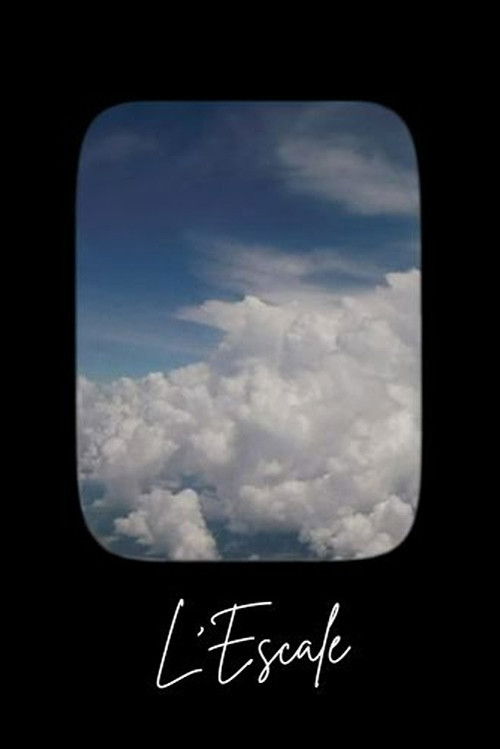
Filmmakers Paul Shemisi and Nizar Saleh travel from the Democratic Republic of Congo to Germany for the screening of their new film. During a layover in Angola, they're stopped at the airport because the airline doesn't trust their documents to be real.
The Stopover
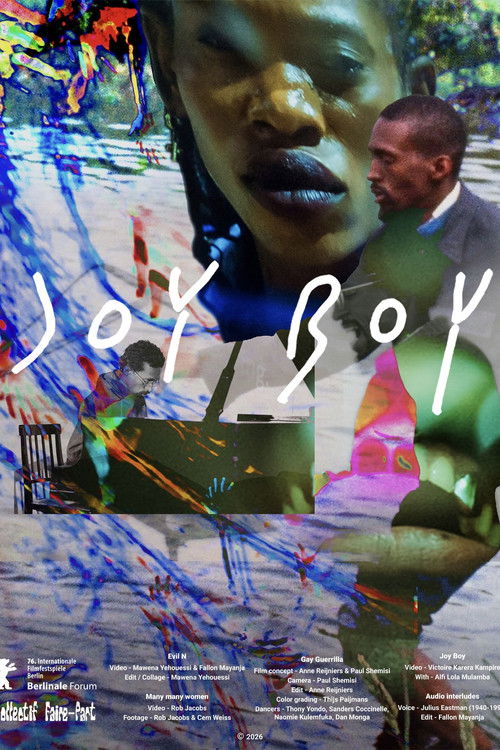
African American composer Julius Eastman’s music and voice take turns. Sparked by colonial and life history. Raw, radical, crystal clear. A multipart, flashy, transnational-collective performance by six artists. An homage.
Joy Boy: A Tribute to Julius Eastman
Commissioned for the MAS museum’s 2020 exhibition ‘100x Congo’, Collectif Faire-Part facilitated a vital dialogue between residents of Antwerp and Kinshasa. Through intimate conversations, In vele handen documents the layered reckoning with the collection’s colonial legacy, the profound emotional weight of the objects, and the urgent, pivotal debate surrounding repatriating these cultural artefacts to their homeland.
In Many Hands
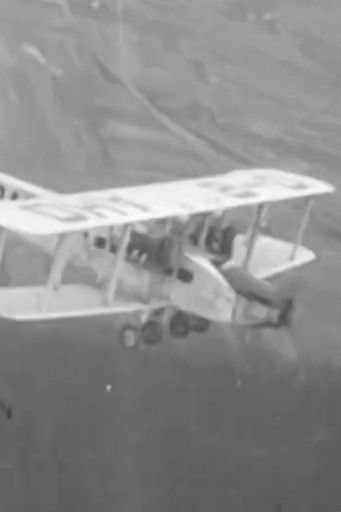
One hundred years after the first flight between Belgium and the Democratic Republic of the Congo, Brussels Airlines approaches Collectif Faire-Part with a proposal to show their work on board their flights. Interwoven with archival footage and testimonies of activists and survivors of in-flight violence, the collective’s internal dialogue in What We Said to Brussels Airlines poses a variety of questions and opens up space for critical reflection.
What We Said to Brussels Airlines
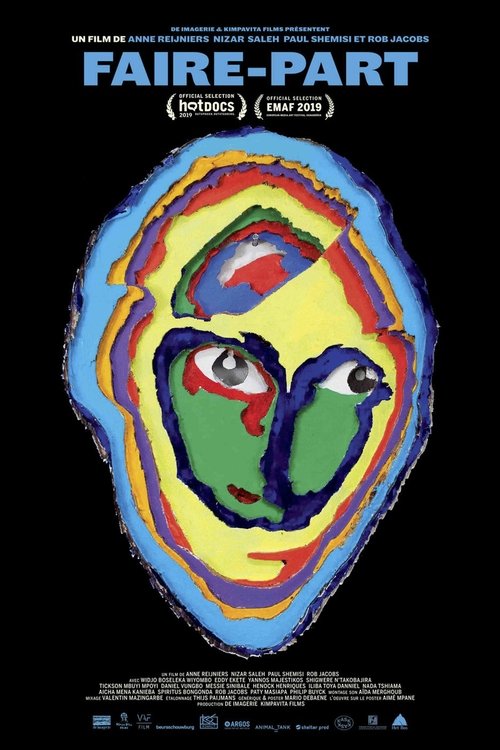
On the eve of postponed Congolese elections, two Congolese and two Belgian cineastes make a film about Kinshasa and its resistance against the legacies of colonialism. The four filmmakers want to tell a story together, but having grown up on other sides of history, they have different views on how to tell that story. What should it look like? Who should be in it? For whom is it made? Faire-part is the search of four filmmakers for a way to portray the city. Through filming artistic performances in public space, they paint a provocative picture of Kinshasa and its relations with the rest of the world.