Jean Rouch
Directing
Biography
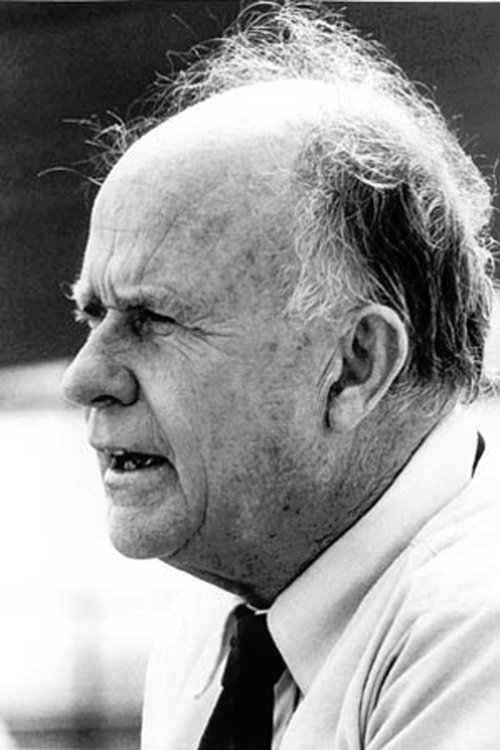
Jean Rouch (French: [ʁuʃ]; 31 May 1917, Paris – 18 February 2004, Niger) was a French filmmaker and anthropologist. He is considered to be one of the founders of cinéma-vérité in France, which shared the aesthetics of the direct cinema. Rouch's practice as a filmmaker for over sixty years in Africa, was characterized by the idea of shared anthropology. Influenced by his discovery of surrealism in his early twenties, many of his films blur the line between fiction and documentary, creating a new style of ethnofiction. He was also hailed by the French New Wave as one of theirs. His seminal film Me a Black (Moi, un noir) pioneered the technique of jump cut popularized by Jean-Luc Godard. Godard said of Rouch in the Cahiers du Cinéma (Notebooks on Cinema) n°94 April 1959, "In charge of research for the Musée de l'Homme (French, "Museum of Man") Is there a better definition for a filmmaker?" Along his career, Rouch was no stranger to controversy.
Known For
No description available.
Samedi soir

Candid interviews of ordinary people on the meaning of happiness, an often amorphous and inarticulable notion that evokes more basic and fundamentally egalitarian ideals of self-betterment, prosperity, tolerance, economic opportunity, and freedom.
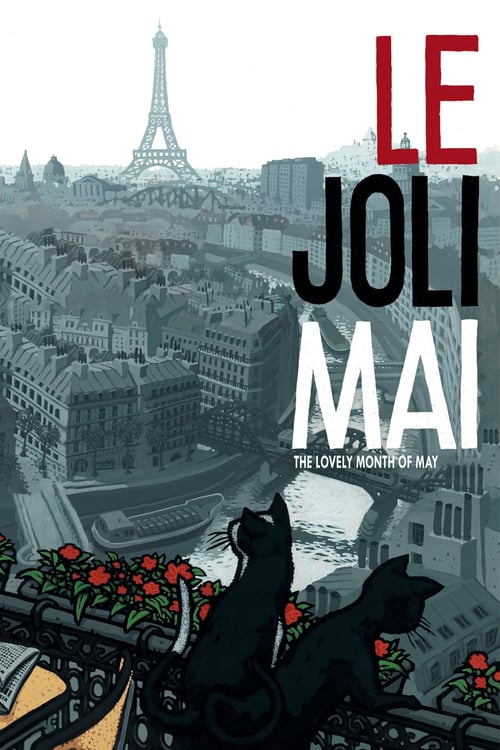
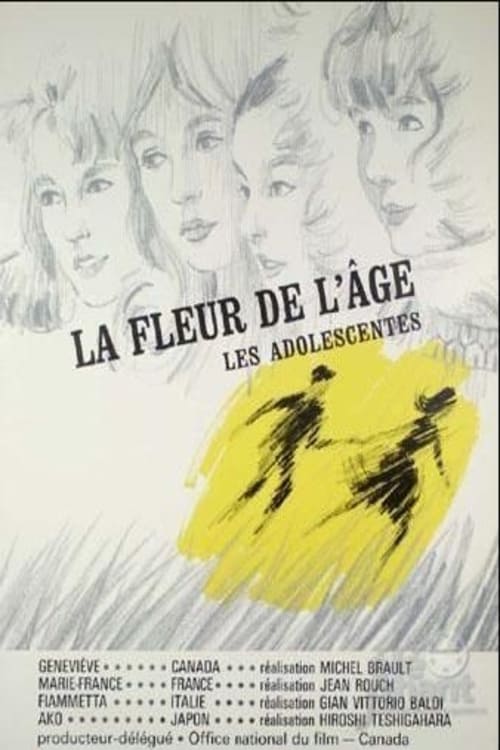
The Lovely Month of May

A film in four episodes presenting teenage girls chosen as representative of their country and our time, in Italy, France, Japan and Canada. In spite of the stylistic peculiarities of the filmmakers, we find in each of them the same desire not to affirm anything, not to judge, but to quite simply show.
That Tender Age

In a busy, noisy neighborhood, a frustrated young wife in a failing marriage is offered her freedom by her indifferent husband, but has second thoughts after meeting an intriguing stranger.
Gare du Nord

Cinématon is a 156-hour long experimental film by French director Gérard Courant. It was the longest film ever released until 2011. Composed over 36 years from 1978 until 2006, it consists of a series of over 2,821 silent vignettes (cinématons), each 3 minutes and 25 seconds long, of various celebrities, artists, journalists and friends of the director, each doing whatever they want for the allotted time. Subjects of the film include directors Barbet Schroeder, Nagisa Oshima, Volker Schlöndorff, Ken Loach, Benjamin Cuq, Youssef Chahine, Wim Wenders, Joseph Losey, Jean-Luc Godard, Samuel Fuller and Terry Gilliam, chess grandmaster Joël Lautier, and actors Roberto Benigni, Stéphane Audran, Julie Delpy and Lesley Chatterley. Gilliam is featured eating a 100-franc note, while Fuller smokes a cigar. Courant's favourite subject was a 7-month-old baby. The film was screened in its then-entirety in Avignon in November 2009 and was screened in Redondo Beach, CA on April 9, 2010.
Cinématon

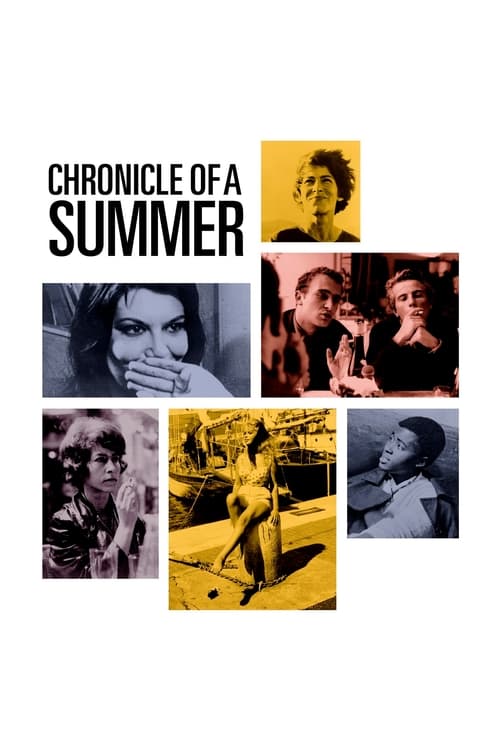
Paris, summer 1960. Anthropologist and filmmaker Jean Rouch and sociologist and film critic Edgar Morin wander through the crowded streets asking passersby how they cope with life's misfortunes.
Chronicle of a Summer

You're a provincial kid in Paris and suddenly you're the center of attention: Movie stars, famous directors and sexy women are doting on you because they all think you're the son of their long-dead legendary friend. You never knew your dad, but the facts of this famous guy's life suggest that he might have fathered you. Your mom tells you nothing. All the fuss makes you uncomfortable at first but soon you find it's rather fun to be the son of the famous Gascogne. And in the midst of it all you fall in love. It is, after all, springtime in Paris.
Son of Gascogne

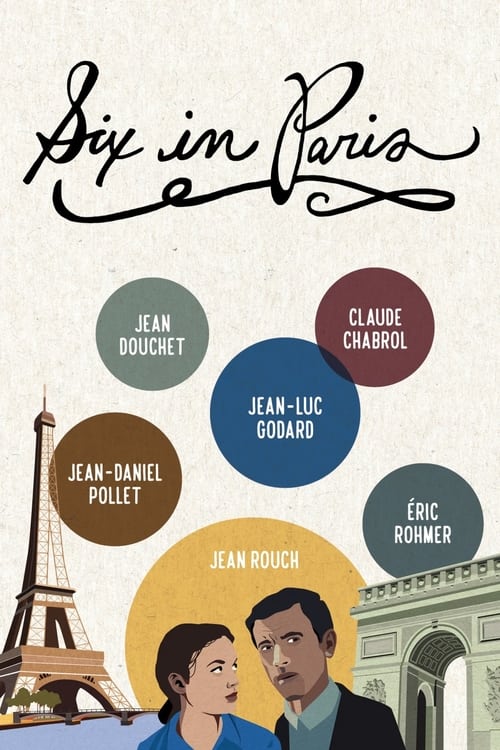
Six vignettes set in different sections of Paris, by six directors. St. Germain des Pres (Douchet), Gare du Nord (Rouch), Rue St. Denis (Pollet), and Montparnasse et Levallois (Godard) are stories of love, flirtation and prostitution; Place d'Etoile (Rohmer) concerns a haberdasher and his umbrella; and La Muette (Chabrol), a bourgeois family and earplugs.
Six in Paris
An intimate window into one of the great movements in film history that brought about an evolution in the art of cinema. The documentary portrays the movement with insight on the lives and works of Jean-Luc Godard, François Truffaut and other principal players in the New Wave.
Cinéma! Cinéma! The French New Wave

The film narrates a utopian abandonment, consensual and festive of the market economy and high productivity. The population decides on a number of resolutions beginning with "We stop everything" and the second "After a total downtime will be revived-reluctantly-that the services and products including lack will prove intolerable. Probably: water to drink, electricity for reading at night, the TSF to say "This is not the end of the world, this is an 01, and now a page of Celestial Mechanics". The implementation of these resolutions is the first day of a new era, Year 01. The Year 01 is emblematic of the challenge of the 1970s and covers such diverse topics as ecology, negation of authority, free love, communal living, rejection of private property and labor.
The Year 01

Jean Rouch gives a group of black and white teenagers a "what if" question: what if they socialised with each other? The teenagers then improvise their own characters and situations.
The Human Pyramid

Inspired by the life of the french-born photographer and ethnographer, Pierre Verger, the movie follows his journey between Bahia, Brazil and Benin, Oriental Africa, showing places and people he met and his life study project: the Candomblé culture.
Pierre Fatumbi Verger: Messenger Between Two Worlds

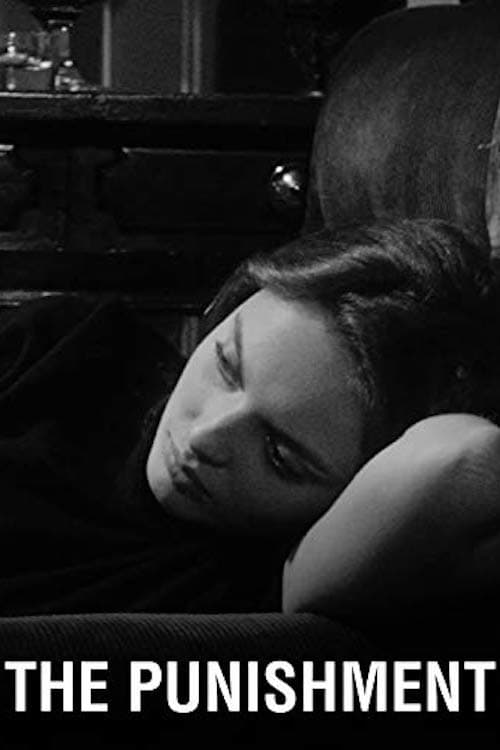
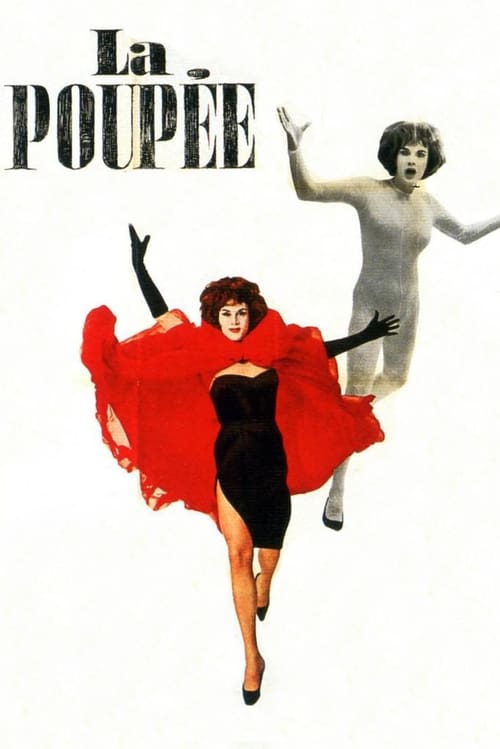
An aimless young woman is sent home from school with nothing to do. Drifting through the streets of Paris, she comes across a variety of people.
The Punishment

Filmed in May 1971 in Niger, this short documentary records a possession ritual performed by the Simiri people in response to a locust invasion. The ceremony centers on the beating of the archaic drums Tourou and Bitti, used to invoke spirit forces through music, dance, and trance. Shot in a single continuous take, the film documents a concentrated moment of collective ritual practice, reflecting Jean Rouch’s first-person ethnographic approach and direct participation in the event.
Drums from the Past

Winner of the prestigious Prix Louis Delluc in 1958, "Moi, un noir" marked Jean Rouch's break with traditional ethnography, and his embrace of the collaborative and improvisatory strategies he called "shared ethnography" and "ethnofiction". The film depicts an ordinary week in the lives of men and women from Niger who have migrated to Abidjan, Côte d'Ivoire for work.
I, a Negro

This documentary offers an overview of French scientific research in Africa French scientific research in Africa: hydrology, botany, biology oil palm and coconut cultivation, industrial sea fishing and and urban planning. Film montage taking stock of scientific research research in Africa, mainly in the fields of hydrology hydrology, botany, biology and agriculture. The film is a compilation of extracts from several short films made by Jean Rouch in Mali, Niger and Côte d'Ivoire between 1962 and 1963: Abidjan, port de pêche, Le Mil, Le Cocotier and Le Palmier à l'huile. l'huile.
L'Afrique et la recherche scientifique

The fourth year of the Sigui ceremonies, celebrated every sixty years by the Dogons of the Bandiagara cliffs, Mali, takes place in the village of Amani.
Sigui 1970: The Clamours of Amani

Documentary portrait of Dziga Vertov, father of documentary cinema.
World Without a Game
This documentary interweaves films and voice recordings by Maya Deren with interviews featuring colleagues and contemporaries who worked with or knew her firsthand. Drawing on archival material and commentary from figures such as Jean Rouch and Jonas Mekas, the film traces Deren’s work and influence across experimental cinema and ethnographic thought.
Maya Deren, Take Zero

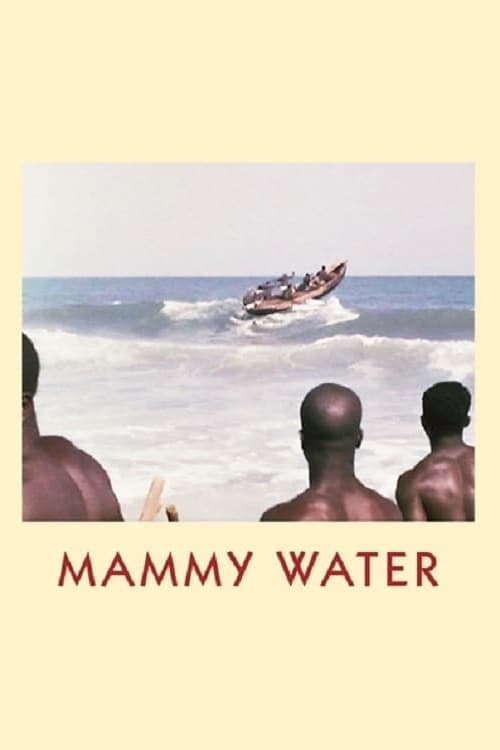
"Mammy Water" is mother sea, source of food. Jean Rouch filmed this short documentary in the Gulf of Guinea, in Ghana, where is held a colorful festival, the Chama, in which the participants offer cassava, gin and tobacco to the spirits of water and sacrifice a white ox to thank them and express their gratitude and respect.