Georg Riha
Directing
Biography
Georg Riha ranks amongst Austria’s leading DOPs, directors and producers who successfully combines state-of-the-art technology and creative image design. The creation of large, powerful and emotional images, the search for new perspectives as well as the guiding principle of producing high quality work are the driving forces behind his extraordinary projects. A graduate of the Vienna Film Academy, he started off his career as photographer, focusing on industrial, architectural and aerial photography. When moving from still images to film and video, Georg Riha set out to design his own innovative camera equipment, such as the CAMCAT© wire system, the CAMBLIMP© balloon system and the CAM35TL© timelapse system, in order to realise his visionary ideas of discovering new perspectives and exploring unseen horizons. Milestones in his work are the award-winning UNIVERSUM documentaries “St. Stephen’s – The Living Cathedral”, “Glockner – The Black Mountain”, “Schoenbrunn – Well of Beauty”, “Wachau – Valley of Golden Magic” and “Salzburg – In the Shadow of the Crags”, all of which are unique portaits of Austrian monuments. Additional productions include “Visions of Austria” for the EXPO 2000 in Hannover, “Tyrol – Land in the Mountains” commissioned by Cine Tirol, the interval films for the Vienna Philharmonic New Year’s Concerts 2000, 2006 and 2008, as well as various corporate videos and image films, many of them having been awarded international prizes.
Known For
No description available.
Romy Award

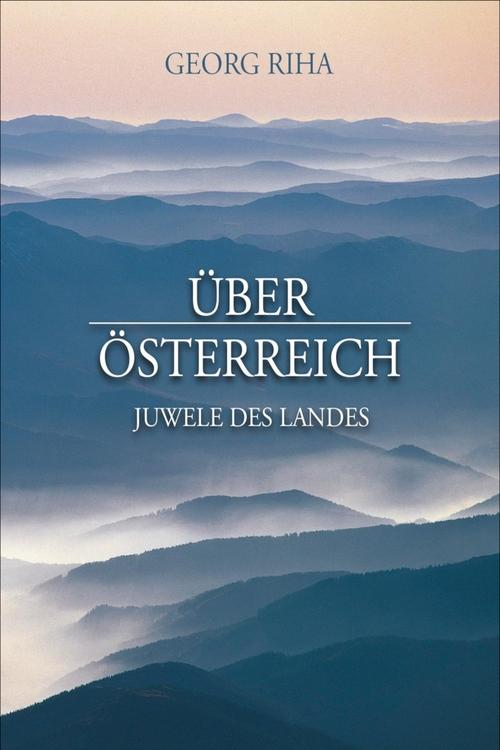
Georg Riha is and will remain the master of aerial shots. In this series, Riha uses aerial shots only. In shootings that took several years he flew over almost all of Austria and shows the country's most beautiful places from the aerial perspective during the course of a year.
Austria from Above: Jewels of the Country

No description available.
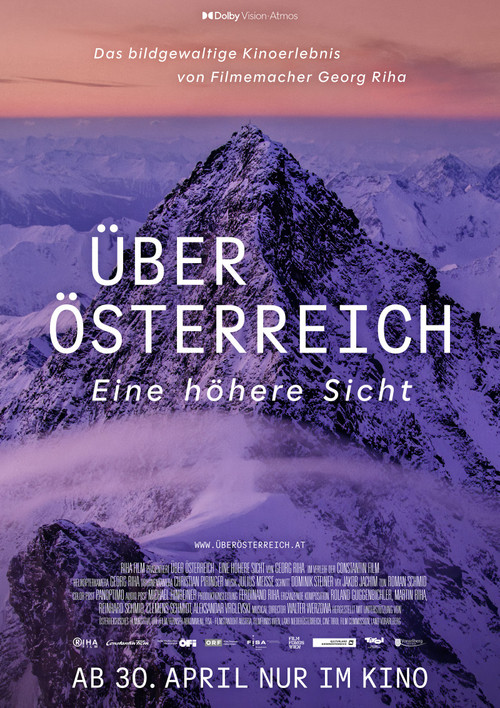
Über Österreich – Eine höhere Sicht
A Kellergasse – the cellar lane – is one of the distinguishing cultural and physical features of the winegrowing region Niederösterreich – Lower Austria. There are more than a thousand of them. Until recently, wine was not only stored in the Kellergasse, but pressed and fermented there as well. Today, the Kellergassen have less to do with occupation and more with recreation. A documentary by Georg Riha follows a year in the life of this valuable cultural legacy.
The Cellar Lanes of Lower Austria - Wine Culture and the Pleasures of Life
As all the world knows, Vienna is a city on the Danube.Day after day, the metropolis and its inhabitants consume roughly 370,000 cubic metres of water – hardly unusual for a city as big.It may come as a surprise that not one drop of this water is abstracted from the Danube.All water drunk, used for cooking, showering and flushing or drawn from wells, all water that enters sewers and treatment plants originates in the Alps.Crystal-clear drinking water adds glamour and brilliance to the city.How this valuable resource travels to Vienna, changing itself and the city in the process before ending up in the river, is the stuff of stories. This is the story of Vienna’s water.
Vienna's Water

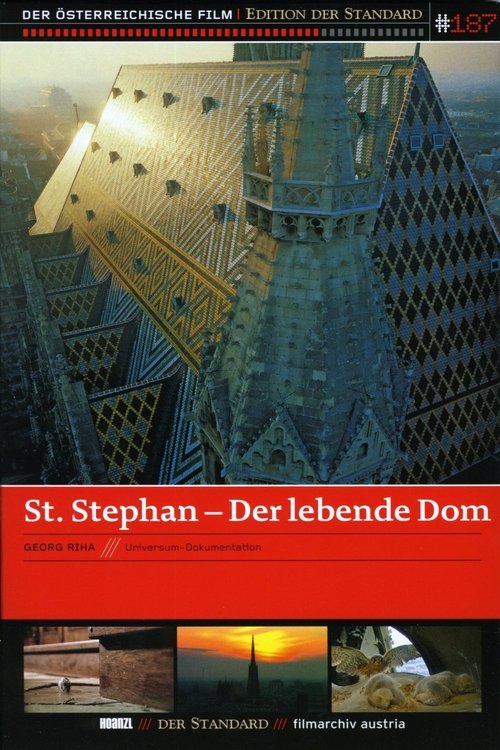
St. Stephen’s Cathedral ranks amongst Austria‘s most famous cultural monuments. Yet, one would not think of that Cathedral being one of the most astonishing natural areas in Austria.Georg Riha and his team have explored the Cathedral from its foundations to the top of its 136 meter spire and discovered a true botanical and zoological garden: wild animals, exotic butterflies, kestrels, moss, lichen and even trees.
St. Stephen's: The Living Cathedral
In the year 2001 the acclaimed violin vituoso Julian Rachlin founded a festival of chamber music in Dubrovnik. He introduced a new and successful concept of gathering some of the most famous world musicians and letting them play the music that they personally enjoy. In 2008 the austrian filmmaker Georg Riha joined the festival to cinematically accompany the star violinist: Masterly, as usual, and in the highest aesthetics as well as in technical quality, he succeeded with this film composition to tape the magical atmosphere of the city at the sea and the relaxed artistic work of Julian Rachlin and his friends. See the Rector’s Palace, rehearsals, the sea, conversations, sun and wind, concerts and a lot of fun.
Music at the Sea

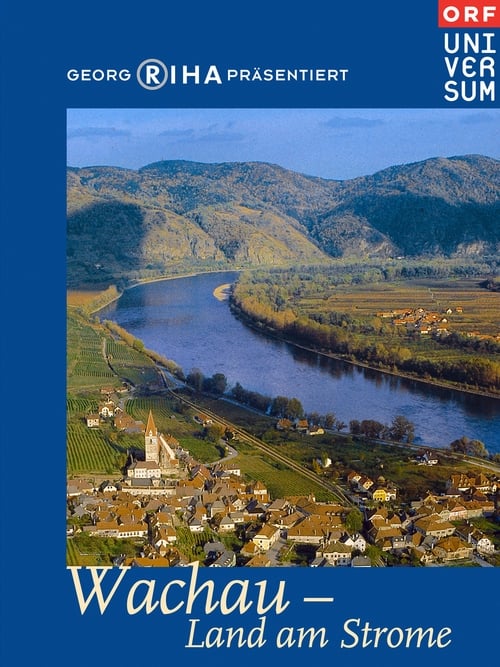
Join Georg Riha and his team in this ORF-UNIVERSUM production and discover one of the most beautiful stretches along the Danube.Featuring a great number of aerial shots, this documentary captures the cultural and natural beauty of the entire region, as well as portraying the Alzinger family in their vineyards during the seasons.The Wachau, a UNESCO World Heritage Site, is presented from unusual perspectives, offering spectacular views of this picturesque area.
Wachau - Valley of Golden Magic

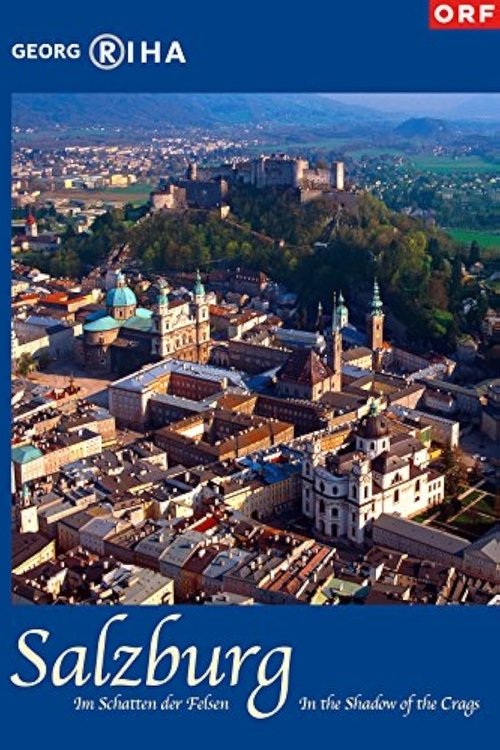
An ancient fortress, a historic centre of true baroque, the venue of a legendary stage festival - this is the Salzburg familiar to everyone. But Georg Riha's documentary presents Mozart's city from perspectives never seen before.Unshackled by space and time the viewer enters upon a unique filmic foray into one of the world's most popular cultural centres, discovering the still unknown and hidden beauties of this fascinating city off the beaten tourist tracks.
Salzburg - In the Shadow of the Crags

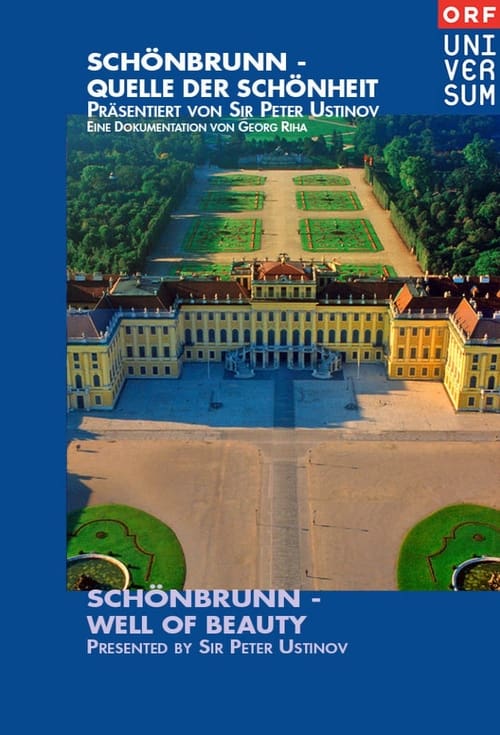
Schönbrunn is a world of marvels and mystery, of public glamour and curious secrets. The wealth of its building and landscape architecture, the grand views and hidden details, the wildlife, tamed nature as well as its past and present human population supply more stories and images than even the most insatiable camera can record.Schönbrunn in the protean succession of the seasons, of light and shadow, day and night is presented by Sir Peter Ustinov and was broadcasted in the “ORF-UNIVERSUM”-series for the 250th anniversary of the Schönbrunn Zoo.
Schönbrunn - Well of Beauty
The film tells the story of Laxenburg from 13th century, when it was used for hunting and fishing trips by the imperial Habsburg family, to modern day, a popular summer resort and a bustling international community. Today Laxenburg is also home to IIASA, the Austrian Film Archive, and the International Anti-Corruption Academy. The film will also feature these organizations, their history, and the important work they do in the field of research and diplomacy that goes far beyond Austria's borders.
The Magic of Laxenburg
No description available.
Maria Theresia - Vermächtnis einer Herrscherin

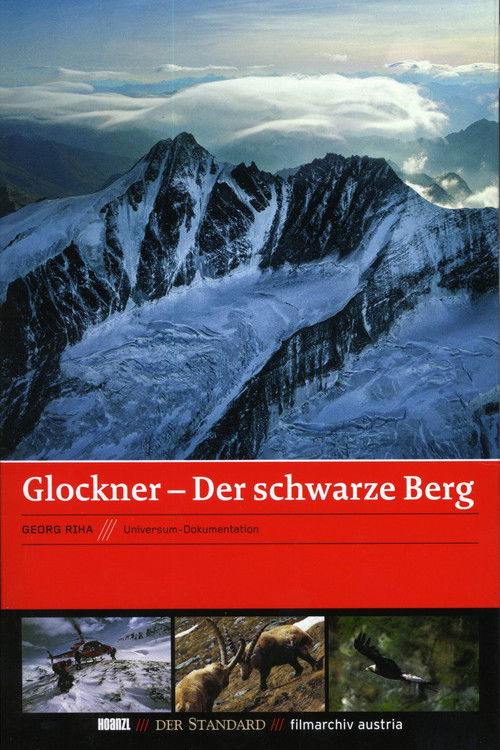
Grossglockner is Austria’s highest peak and the eastern Alps’ most impressive summit. Rising to a height of almost 3900 meters, the ‘BLACK MOUNTAIN’ towers over an Alpine natural paradise, the Hohe Tauern National Park, where ibex and chamoix roam the cliffs, wild flowers grow in amazing profusion and golden eagles soar above the valleys.Georg Riha presents dizzying perspectives of the glaciers, sheer cliffs and steep ravines that shape the face of this rocky giant and continue to attract and challenge a steady stream of mountaineers.
Glockner - The black Mountain
Vienna is surrounded by nature – a green belt encloses the city and contributes to the high quality of life in Austria’s capital.However, it is not just these woods the citizens of Vienna can name their own. The city of Vienna also owns the protected source areas in the Hochschwab and Schneeberg-Rax region, where Vienna’s Water comes from.2005 marks the 100th anniversary of the creation of the green belt around Vienna. On that occasion Georg Riha and his team have produced this ORF-UNIVERSUM documentary, commissioned by the City of Vienna.Sit back and enjoy the rough beauty of the Hochschwab region, the majestic peak of Schneeberg, picturesque autumn sceneries, the „classic“ Vienna Woods and the fascinating winter wonderland of the Danube Wetland Forest National Park.
Vienna's Forests - Jewels of Green
No description available.
Lech - the last Wild River
No description available.
Waterways
In no other province have as many cultural buildings been erected in the last two decades as in Lower Austria.The documentary Building for the Arts presents a few outstanding examples of this cultural development.Starting with St. Pölten’s cultural district and the “Art Mile” in Krems, we show how contemporary architecture has uniformly established itself - from the revitalization of historic sites, including monasteries and castles, to the construction of sensational new buildings. The viewer will be led through the broad spectrum of exceptional building culture in Lower Austria, a culture which provides art, theater and music with the plentiful and spectacular stages it deserves.