Sound
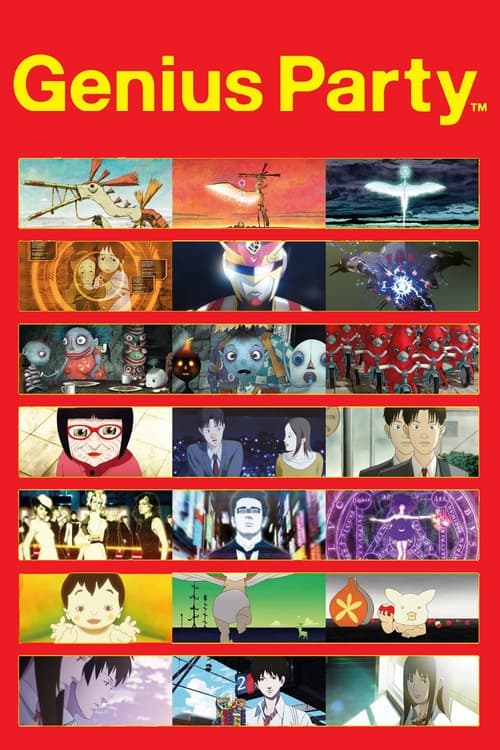
The seven short films making up GENIUS PARTY couldn’t be more diverse, linked only by a high standard of quality and inspiration. Atsuko Fukushima’s intro piece is a fantastic abstraction to soak up with the eyes. Masaaki Yuasa, of MIND GAME and CAT SOUP fame, brings his distinctive and deceptively simple graphic style and dream-state logic to the table with “Happy Machine,” his spin on a child’s earliest year. Shinji Kimura’s spookier “Deathtic 4,” meanwhile, seems to tap into the creepier corners of a child’s imagination and open up a toybox full of dark delights. Hideki Futamura’s “Limit Cycle” conjures up a vision of virtual reality, while Yuji Fukuyama’s "Doorbell" and "Baby Blue" by Shinichiro Watanabe use understated realism for very surreal purposes. And Shoji Kawamori, with “Shanghai Dragon,” takes the tropes and conventions of traditional anime out for very fun joyride.
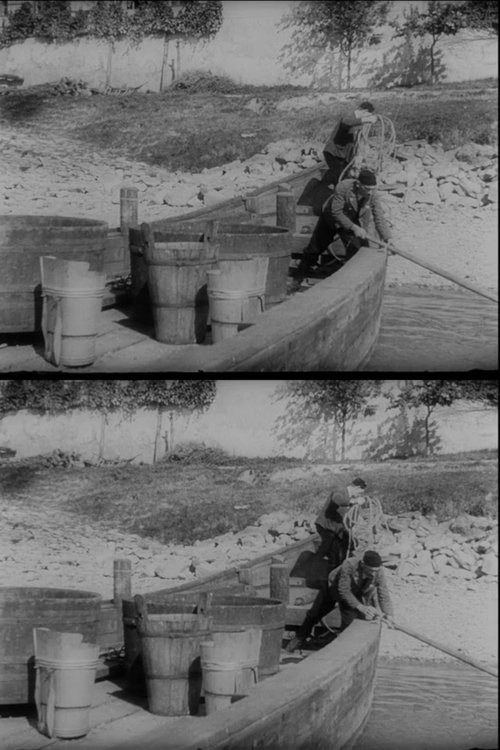
In "Wachau", Manfred Neuwirth reformulates a documentary film about the grape harvest by isolating 15 moments from the original, slowing them down extremely and arranging them strictly symmetrically on the screen in quadruplicate. One by one - bottom left, top left, top right, bottom right - the image gently fades in until it can briefly be seen in all four positions, then just as gently fades out again in the same order.
A volcano’s eruption in Iceland as both a familiar, and a dramatic event – a fascinosum of movements, colours, forms and sounds.
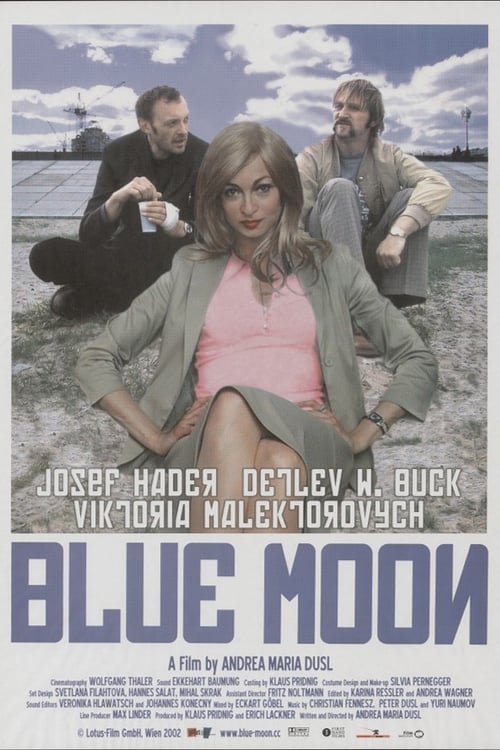
After screwing up a money exchange a Viennese small-time crook accompanied by a Russian hostess hits the road to the East.
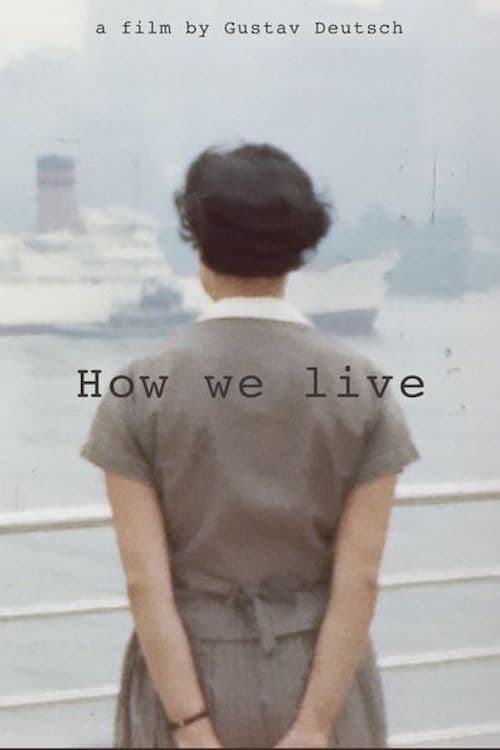
Tradition and modernity, contrasting ways of life: the master of archival footage has assembled an impressive collection. His serene narration takes us inside the private lives of migrant families in different eras, from the beginnings of film to the present day. This new film from one of the great avant-garde directors is also a powerful tribute to a neglected genre.
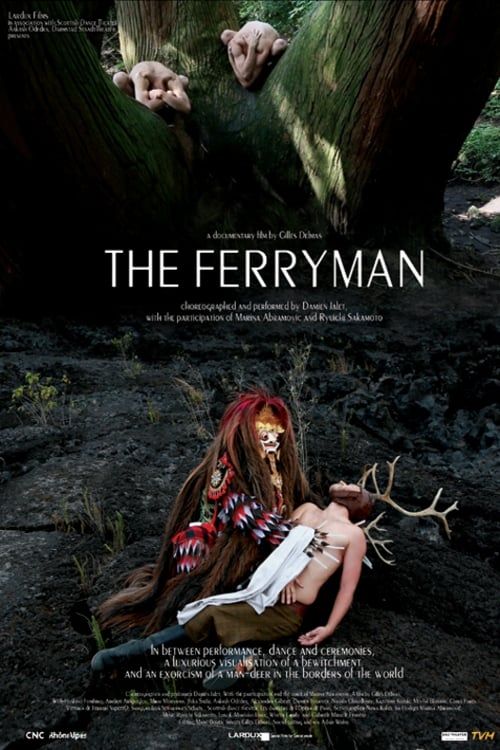
In between performance, dance and cerémonies, "The Ferryman” is a choreographic exploration of rituals and animistic roots, a luxurious visualisation of a bewitchment and an exorcism of a man-deer in the borders of the world.
The Hartmut-Wolf-System is a relationship between two people which adheres to strict internal and external rules. The Hartmut-Wolf-System leads to self-destruction. A face à la viennoise.
For us, a thought always presupposes a society, a culture and above all the consciousness of time. We are haunted by immortality, human notion par excellence. As if the world was here to fascinate us. And to disappoint us. The film travels around the bulb like the Earth around the Sun. Light makes the film visible. A fragile film, like our existence. In the orbit of the film tragedy and our reality, the image resists the cruelty of the experiment.
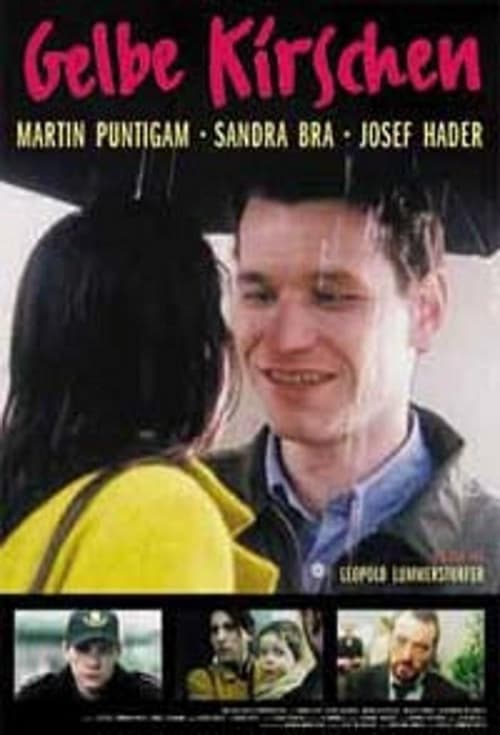
Honest cop Rudi is a new member of a police unit commanded by his brother-in-law Otto which deals with foreigners. Rudi falls in love with Alena, a young Czech living illegally in Austria
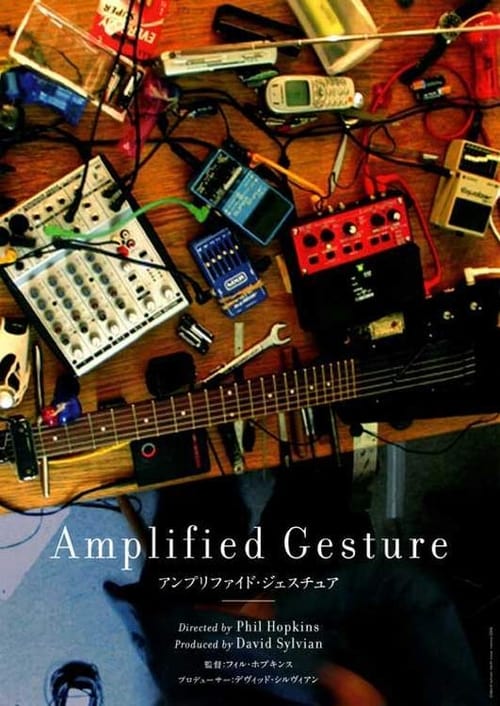
The film explores the journeys and philosophies of a select group of experimental musicians including Keith Rowe, Evan Parker, Eddie Prevost, Otomo Yoshihide, Toshimaru Nakamura and Christian Fennesz.
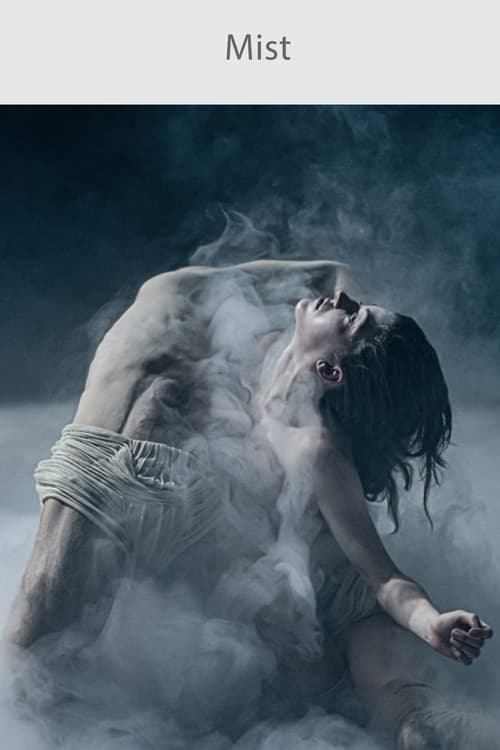
Mist is a multidisciplinary dance film created by the Franco-Belgian choreographer Damien Jalet (1976) and filmed by Rahi Rezvani, inspired by the phenomenon of fog banks that are often associated with the Netherlands. The presence of wind and sea and the fact that a third of the Netherlands is below sea level served as some of the main sources of inspiration for the Jalet. Mist is part of a three project collaboration between Jalet and Japanese visual artist Kohei Nawa, following their critically acclaimed pieces VESSEL and PLANET [wanderer]. The work explores the ephemeral space between reality and mirage, and a physicality that recalls the dynamics of evaporating, condensing and falling water. For this creation, Jalet is also collaborating with choreographer Aimilios Arapoglou, composer Fennesz, lighting designer Urs Schonebaum, costume designer Sruli Recht and photographer and videographer Rahi Rezvani.
No description available.
A live performed on August 5, 2011 at NHK 101 Studio in Shibuya, Tokyo. Yellow Magic Orchestra, who has almost never done a studio live, played "RYDEEN", "FIRECRACKER", "COSMIC SURFIN", and others, in front of about 1,000 spectators selected by lottery. Keigo Oyamada, Tomohiko Gondo, and Christian Fennesz participated as support members.
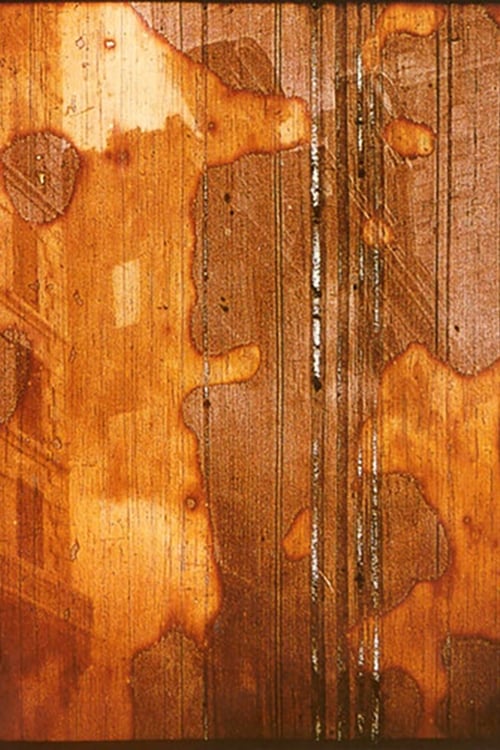
The pictures are burning. A house is in flames for exactly one minute. Cinema under attack: An anonymous fragment from the early days of film is turned into a reflection on reproduction and reality as well as on destruction which takes place on two levels through Gustav Deutsch’s reworking of the material.