Sound
No description available.
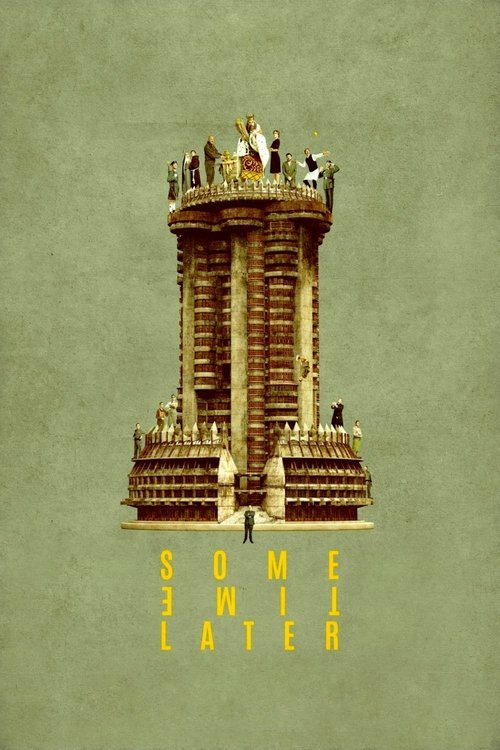
Planet Earth, 9177. The remains of humankind live in a post-apocalyptic environment divided into only two social classes: the ruling king and the oligarchs who inhabit the Representative Building and the poor of the world who hardly survive in the slums built around it.
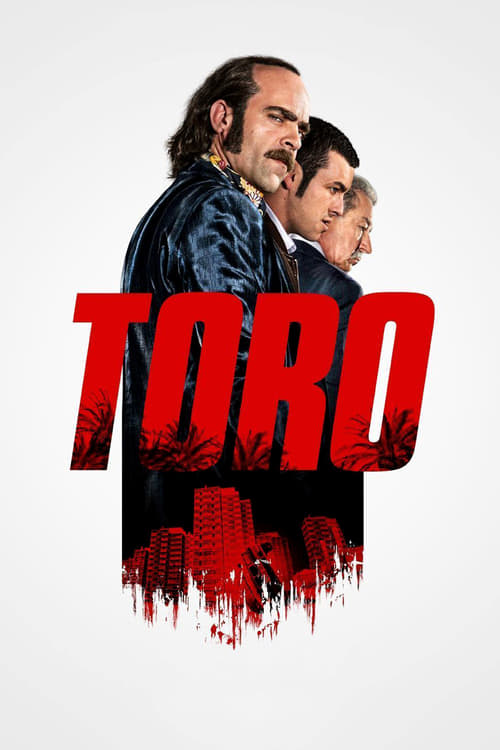
Toro (Spanish for "Bull") is a young con man and the right hand of Romano, a powerful mob boss in Torremolinos, Málaga (Andalusia, south to Spain). After Toro decides to leave Romano to get a life free of crime, his last sting fails, resulting one of his brothers dead and he sent to jail. Five years later, Romano realizes that López, Toro's older brother, is robbing him money from his tourism business and he orders to kidnap Diana, López's little daughter, until this one get back the money. Without options, López visits Toro, now a touristic driver with the third grade prison close to get the parole, who only wants to be free to marry his girlfriend Estrella. When Toro accepts to help López and both meet Romano looking for a solution, Toro ends attacking Romano's men and fleeing with Diana, trying to escape from Romano's revenge. But Romano starts a ruthless searching for they three, meanwhile Toro counts the hours to back the prison according to the third grade...
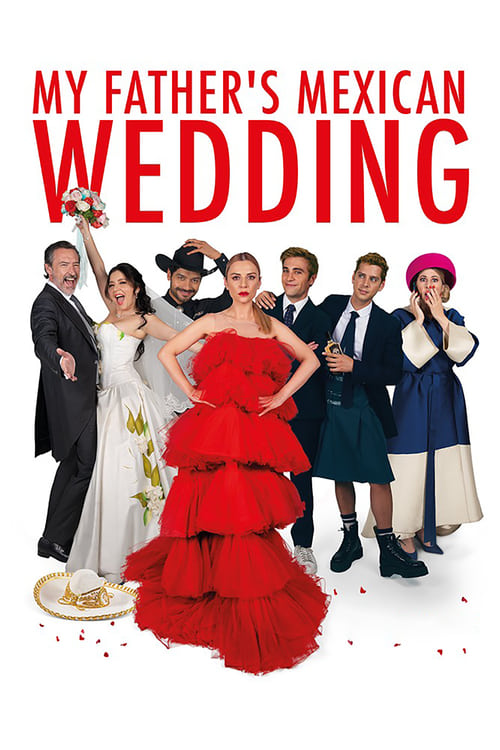
Ana, a young Spanish woman who has just been dumped by her boyfriend, and her brother Tono, receive a call from their father to tell him that he is getting married in Mexico to a woman he met on the Internet. When they get there, they discover that the girl is 30 years younger than her father and they begin to live with her new in-laws, with the inevitable cultural clashes that this will entail.
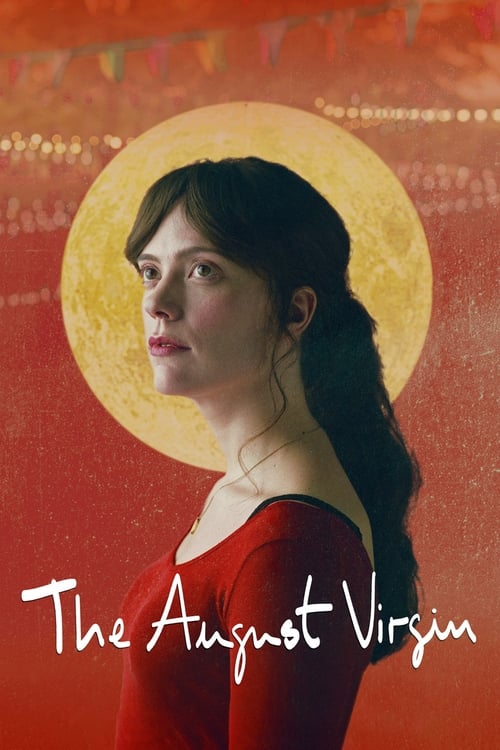
Young Eva makes her decision to stay in Madrid for the month of August an act of faith. She needs to feel things differently and think of summer as a time of opportunity. On days of festivities and verbenas, while events and encounters take place, Eva will discover that she still has time, that an opportunity can still be given.
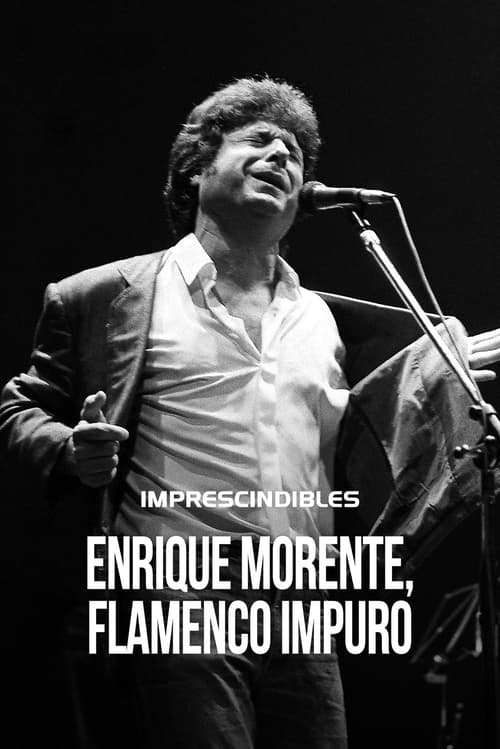
Enrique Morente's three sons tell the story of their father: the most revolutionary flamenco in history. Despite criticism from purists, he opened cante jondo to cultured poetry, brought it closer to young university students, explored its Arab roots and paired it with rock and other contemporary sounds. Much of the Spanish music of the last decades is heir to his findings.
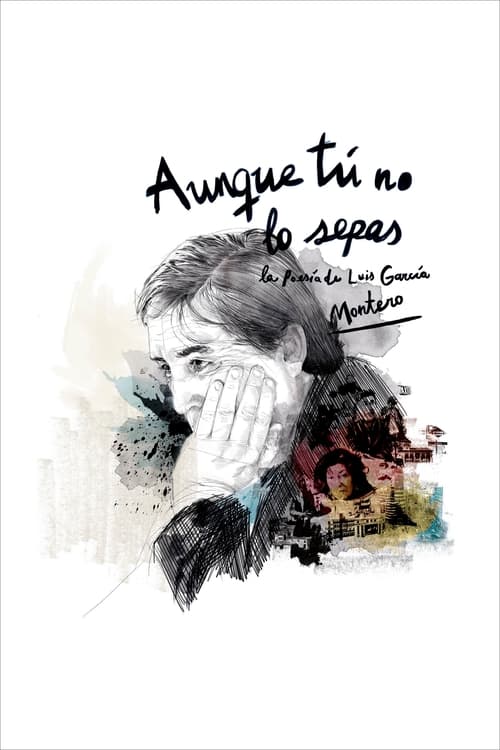
An account of the life and work of the Spanish poet Luis García Montero; a journey through his experiences, his mentors, his influences and his contact with other artists, both from the literary world and from other disciplines.
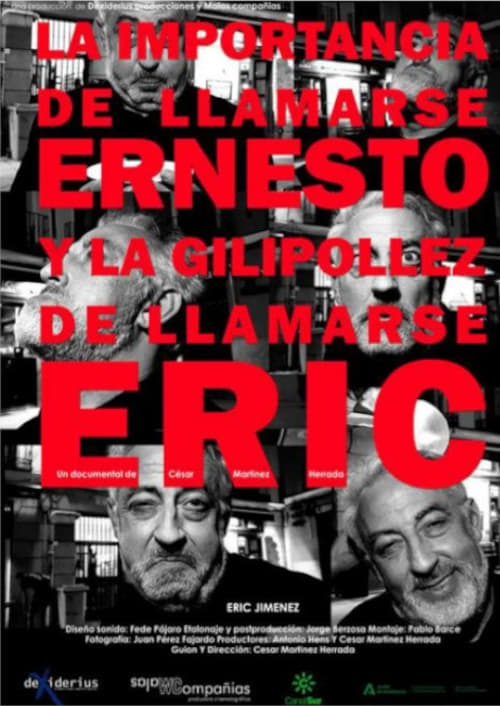
He was born in Granada, the only city in the world with an explosive name. At the age of ten he joined the Falange because he wanted to play the drum. His biggest musical influences have been Holy Week and his first host, the one he was given at birth. It was produced at the age of sixteen. A little later he began using drugs to escape. he should have died before thirty. For forty years he has hit the drums as life has hit him, with all his might.