Acting
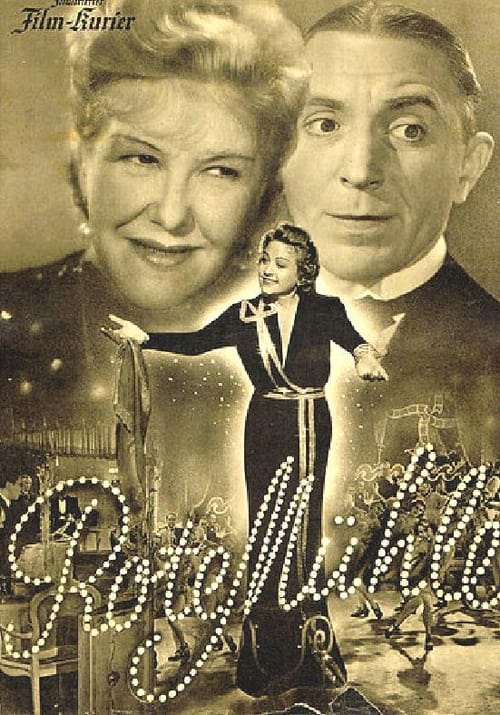
A respectable woman in her 50s inherits a local night club from her husband in a divorce settlement, provided that she shows up there every night at 10:00pm for a month. In spite of eny and provocation, she manages to meet the terms.
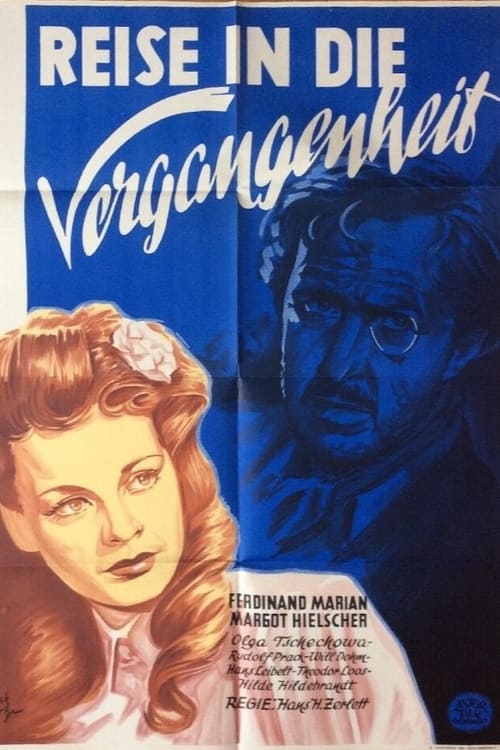
With her daughter Anita, a young singer, the widow Marianne von der Halden undertakes a journey into the past. She wants to see her former admirers again. One of them is the chamber singer Paul Schneider, who only remembers his childhood sweetheart with irony. They meet the former student Werner Birkner at his wedding, where Anita meets the teacher Michael Brantner. But the encounters make no impression on Marianne. Until she meets her former great love again at a concert given by her daughter, the general director Elmers. The concert is a resounding success and Marianne reconnects with Elmers, who is still unaware that Anita is his daughter.
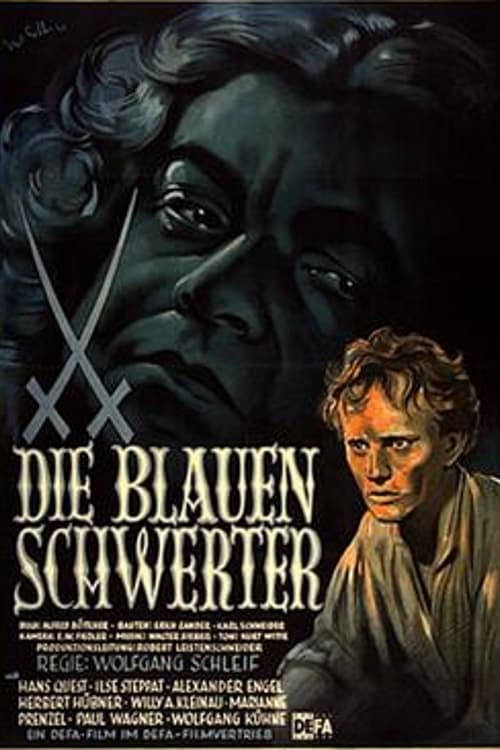
The story of Johann Friedrich Böttger, an apothecary’s apprentice and alchemist’s assistant. Fleeing from the Prussian King, he goes to Saxony, where King Frederick August the Strong takes him to a fortress and demands that he create gold. Böttger is equipped with everything he would need for the task, but he has known for a while that actual gold production is a myth and instead experiments with porcelain—white porcelain, as the Chinese are said to possess. In 1709, he finally succeeds in surprising the King with the "white gold," the first white porcelain made in Europe, he hopes for freedom.
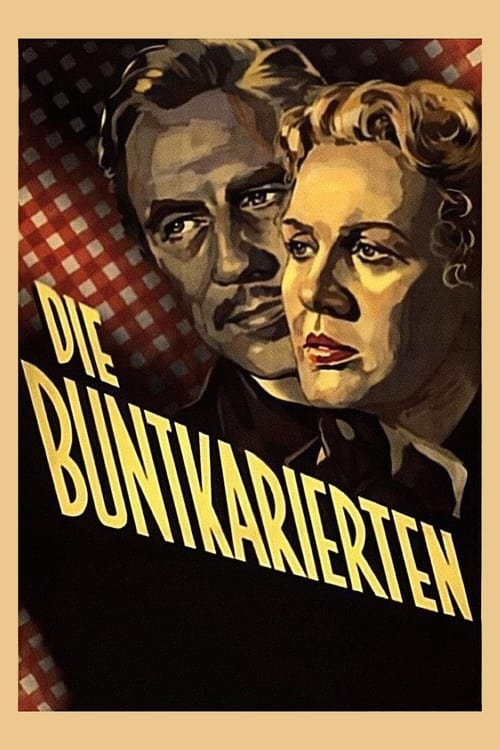
A moving saga focusing on the women in a family that spans three generations and almost 70 years of German history, from the Wilhelmine period through the end of WWII. This film shows that it takes a combination of hard work, political consciousness and family work in tandem to face the tragedies of war, economic hardship and death.
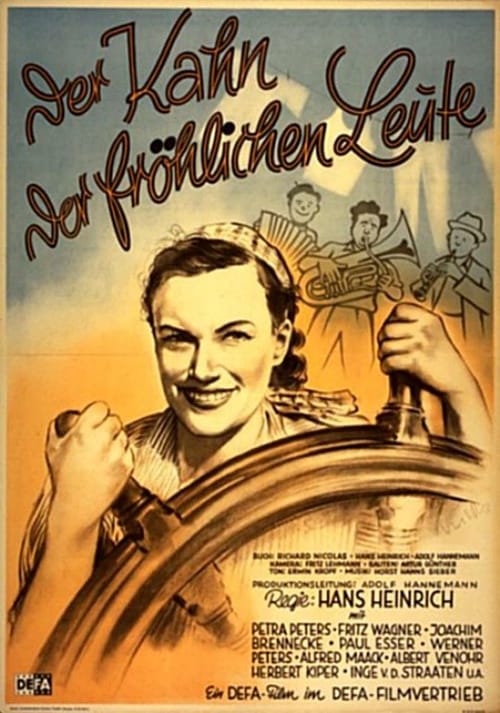
The girl Marianne inherited a motorboat called “Eintracht” from her parents and struggled to get her to drive it with her uncle. There is a row with the new engineer Michel the evening after the first trip. He leaves - out of jealousy. Instead of him, Marianne takes three funny musicians with her who are looking for work. The trip to Hamburg on the Elbe initially ends on a sandbank, from which another barge, the "Petrel", frees them. Michel has now been hired there. After a few complications and pointless fights, because Marianne has long been in love with Michel, there is the well-deserved happy ending.