Mónica Simoncini
Directing
Known For
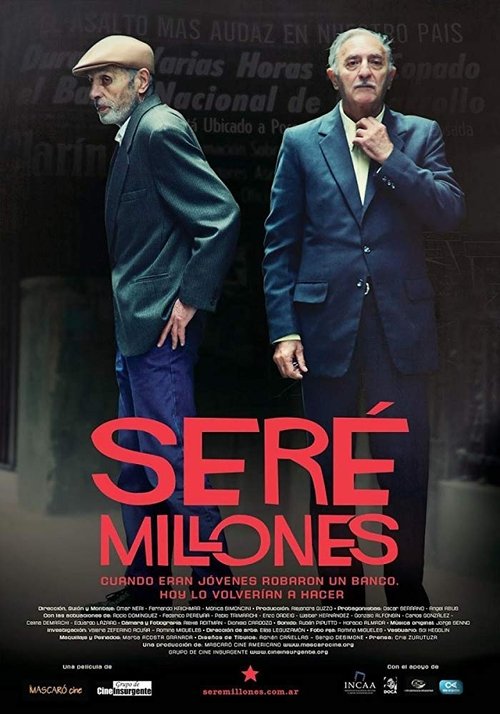
In January 1972, during General Lanusse's dictatorship in Argentina, a group of revolutionary activists occupied the National Development Bank, just meters from the Government House, expropriating 450 million pesos (approximately 10 million dollars today) for their cause. This was made possible by Oscar Serrano and Ángel Abus—activists and bank employees—who spent two years preparing what would become the biggest blow to the dictatorship's finances. Forty years later, Oscar and Ángel, along with a group of actors, recreate those events that changed their lives. In this dialogue between generations, the young people transform their perspective on activism and commitment during those years. Narrated through several cinematic layers, Seré Millones (I Will Be Millions) offers an innovative story that blends humor, rigorous historical research, and the epic spirit of the era.
Seré millones
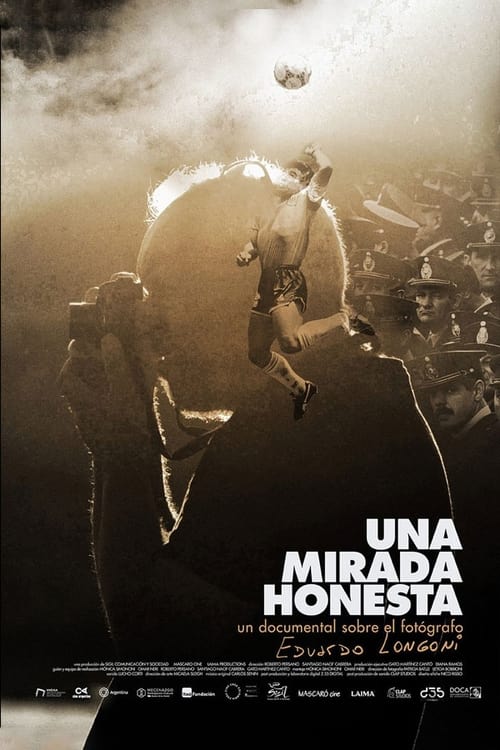
Documentary about Eduardo Longoni, the photographer who captured decisive moments in the last 40 years of Argentine history.
Una mirada honesta
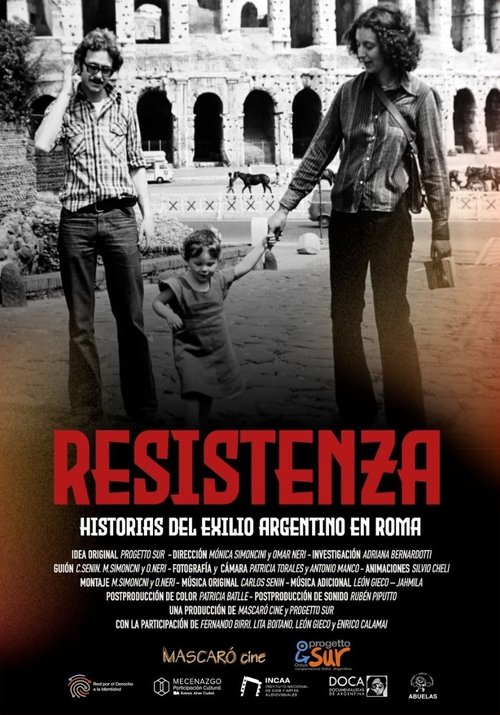
No description available.
Resistenza: Historias del exilio argentino en Roma
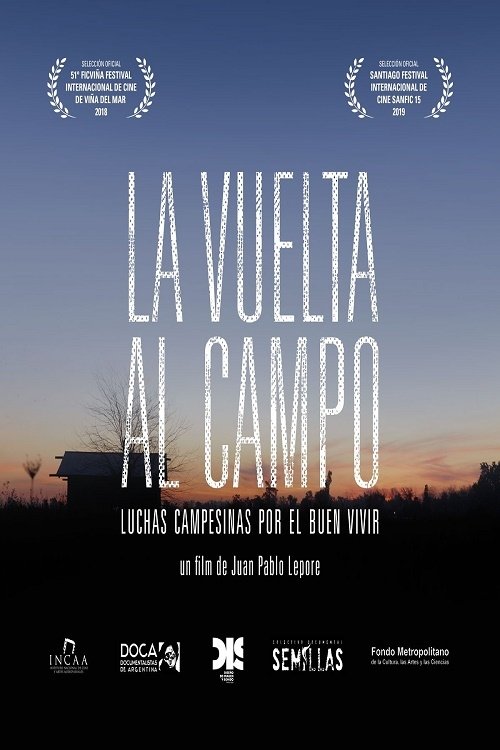
Social movements claim the "return to the countryside" as part of their struggle for justice, democracy and freedom after being expelled from the system as a result of neoliberal policies in Argentina and Brazil.
La vuelta al campo
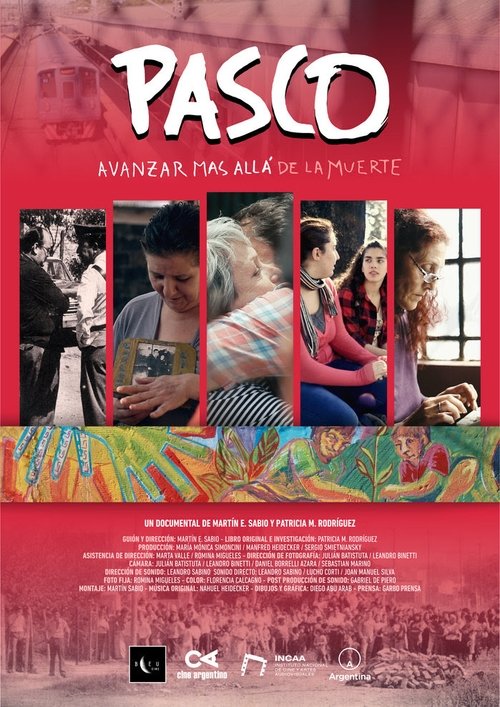
On March 21, 1975, Triple A kidnaps, tortures, shoots and dynamite eight popular militants in the San José de Temperley neighborhood. This traumatic event is known as the Pasco Massacre and is part of a terrifying rehearsal room that pre-announces the so-called State Terrorism.
Pasco, avanzar más allá de la muerte
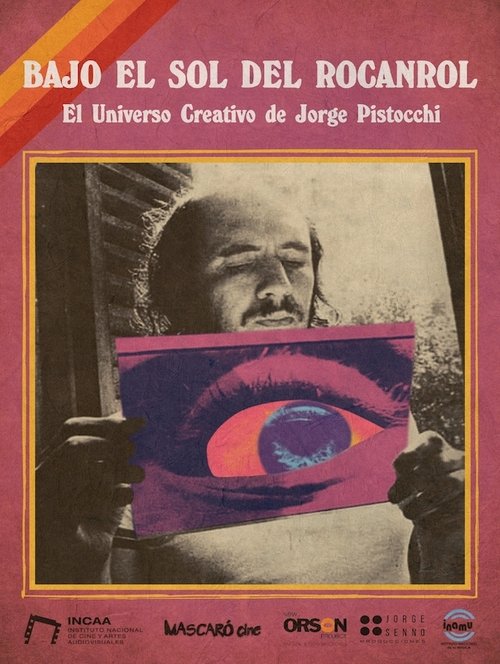
With a musical, psychedelic and poetic proposal, it portrays the editor and journalist Jorge Pistocchi and an entire generation that carries rock in its luggage, and whose driving force is to generate a space for independent thought, community action and experimentation.
Under the Glow of Rock and Roll - The Creative Universe of Jorge Pistocchi
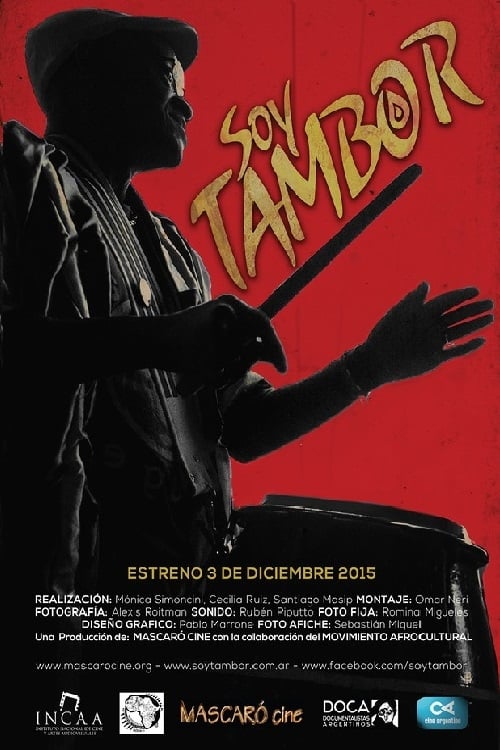
A documentary about the afro uruguayan community that lives in Buenos Aires, Argentina.
Soy tambor
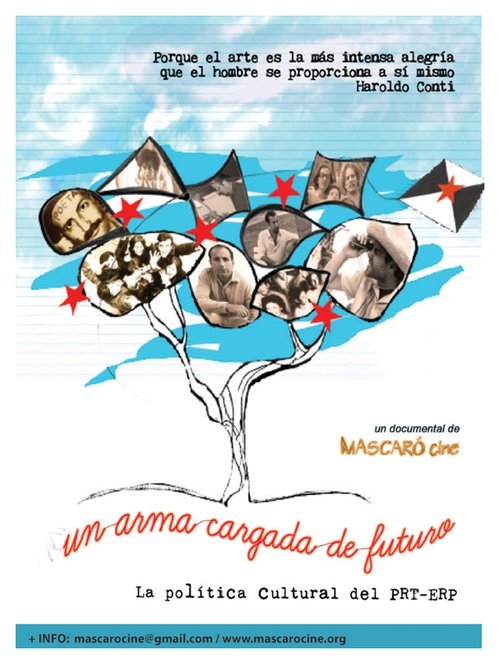
This documentary addresses the debates on culture and the diverse experiences that emerged in the 1960s and 1970s, gathered around the PRT-ERP (Revolutionary Workers' Party - People's Revolutionary Army) in the heat of the revolutionary struggle of the time. Important figures such as Raymundo Gleyzer, Haroldo Conti, Vicente Zito Lema, María Escudero, Daniel Hopen, Roberto Santoro, and Nicolás Casullo, among others, were protagonists of new experiences expressing themselves both in art and in other areas of intellectuality.
Un arma cargada de futuro
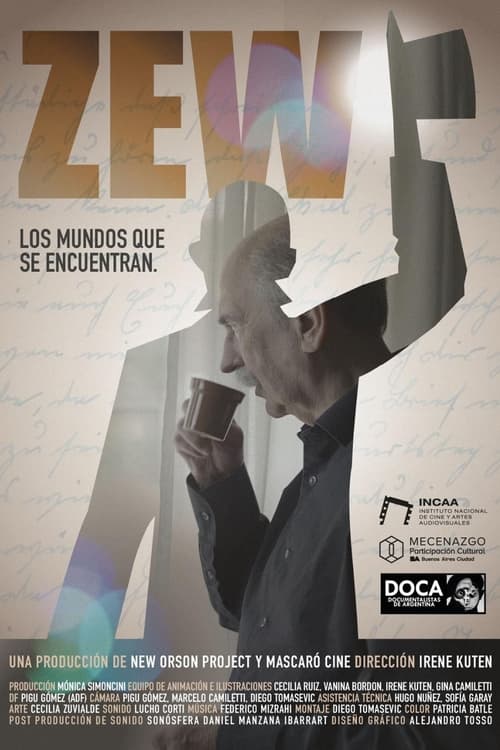
Zew was born in a prison camp on the Island of Rhodes in 1941 during World War II. Psychoanalyst and "magician's apprentice", he looks for a way to tell his grandchildren his story, in a Buenos Aires where the lives of other immigrants converge.
Zew, los mundos que se encuentran

The documentary tells, through the life of Friar Antonio Puigjané, a Franciscan priest, a historical period in the social and political life of Argentina in which the paths of Christianity and the Revolution are inseparable and indispensable.
¡Oh, por Lenin!
In 1973, a group of grassroots activists launched an adult literacy project in the Villa Obrera neighborhood, on the outskirts of Centenario, Neuquén province, drawing on Cuban experiences and those developed by Paulo Freire in the 1960s. This initiative was filmed by professional photographer Raúl Rodríguez, with the goal of creating a film that would be useful for other neighborhoods and also provide a testament to the work accomplished. Thirty years later, "I Use My Hands, I Use My Ideas" rescues these images and the testimonies of those who participated in the project, a precursor to national literacy campaigns. It was an experience that drew on popular support and aimed to transform the traditional concept of education, fostering a critical reading of reality.
Uso mis manos. Uso mis ideas
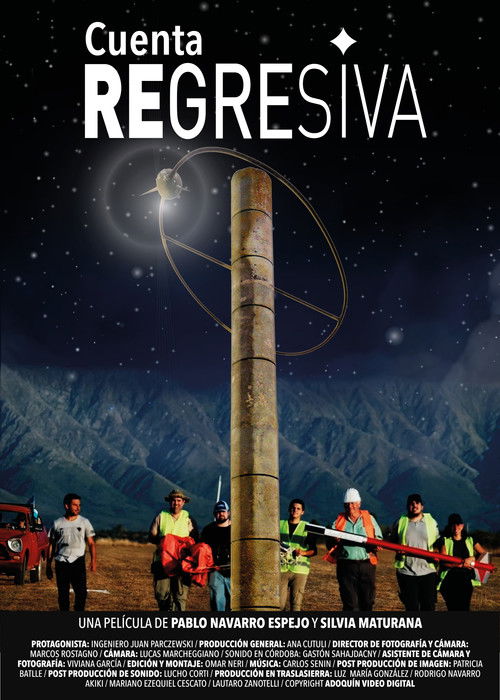
A strange monument in the Pampa de Achala, Córdoba, holds a hidden meaning. Yet there are always those who are astonished and begin to ask questions. The answers ignite passions that lead us to the past and the future, and to the discovery that Argentina's aerospace history began in the breathtaking landscape of the High Peaks. A group of young people from the Traslasierra region and an experienced engineer recreate the historic feat that placed our country at the forefront of scientific development.
Cuenta regresiva
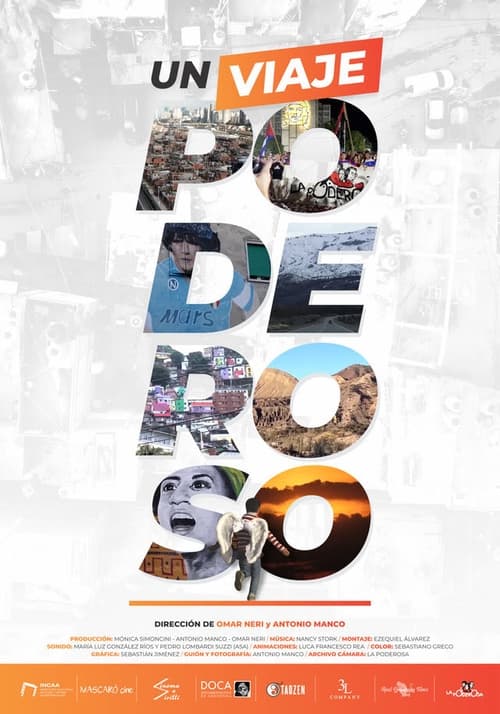
No description available.
Un viaje poderoso

Alba is a university student who seeks to understand the link between culture and revolution in Argentina and Latin America, focusing on some experiences from the 1960s and 1970s. Through a treatment that combines fiction, documentary, and cinematic collage, the film becomes her travel diary as she traverses urban spaces and historical times.
El viaje de Alba
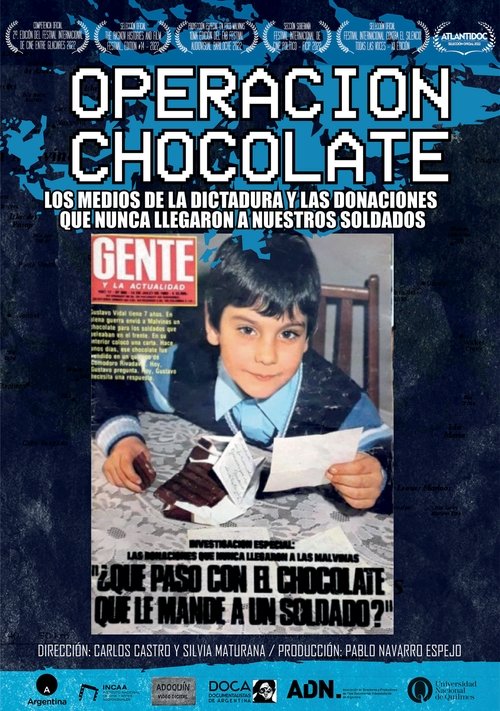
In July 1982, a month after the capitulation of Argentine troops in the Falklands war with Great Britain, GENTE magazine published on the cover a photo of a boy who had sent a letter and a chocolate to an anonymous soldier. His letter and chocolate would never reach the recipient, the chocolate being later sold at a kiosk in the Argentinian town of Comodoro Rivadavia. 38 years later, Gustavo Vidal, the chocolate boy, embarks on a journey to reconstruct the story that moved, in its time, Argentines deceived by the press before, during and after the armed conflict with the United Kingdom.