Acting
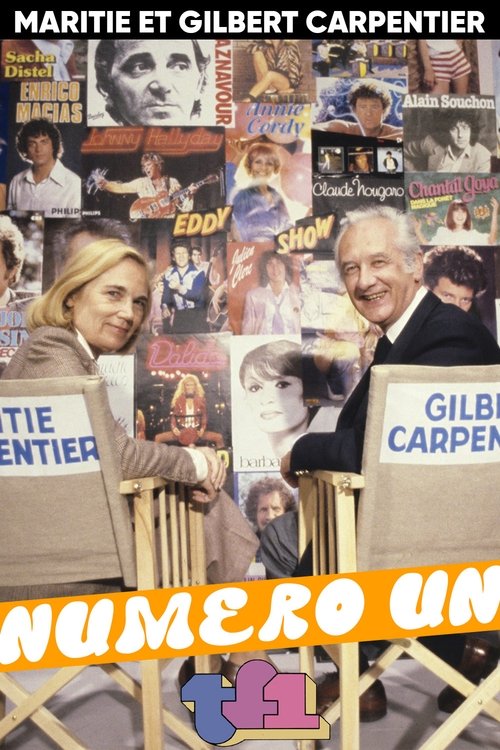
A French variety show.
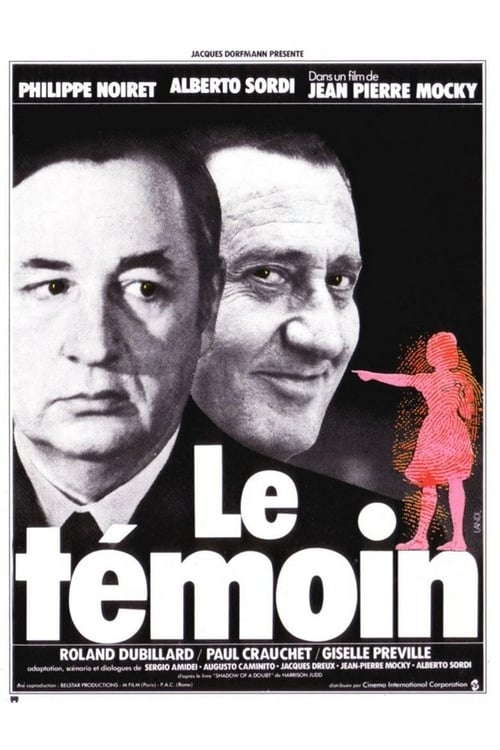
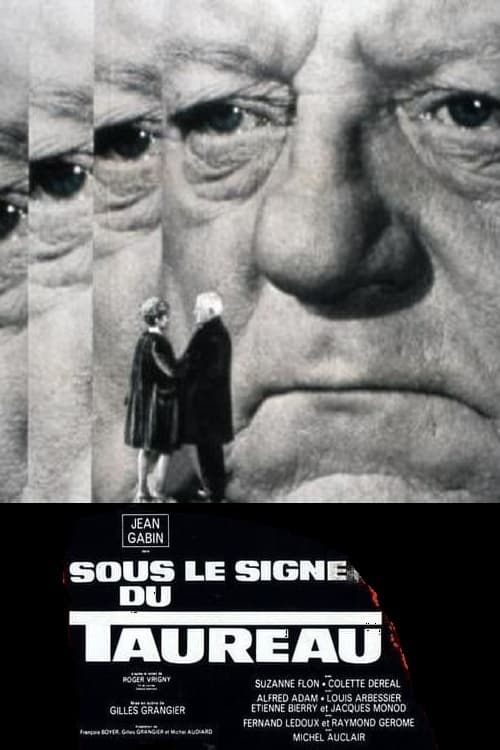
A serial-killer frightens Paris by phoning young ladies at night, telling them insults about their lives. Minos, as he calls himself, wants to prevent the world from free women and he targets at first these ones. Commissaire Letellier is given the investigation and he has hard work with the maniac.
Les Cent Livres des Hommes (ORTF, 1969-1973) was a series of literary programs created by Claude Santelli and Françoise Verny, and produced notably by Santelli, Jean Archimbaud, and Serge Moati. Planned for one hundred episodes but completed at thirty-nine, the series aimed to introduce great literary works, 'chefs-d’œuvre', to a younger audience through a mix of dramatization, reading, and documentary techniques. It marked a transfer of cultural legitimacy from writers and critics to a generation of television producers, offering a new model of educational and creative literary broadcasting - 'télévision d’auteur'.
No description available.
Michel Jussieu, a film producer, returns one morning to the cabaret where he forgot his sweater. He discovers the corpse of an extreme right-wing journalist, but immediately he is knocked out. He wakes up in the police station ...
After a successful bank robbery, Micky hopes to take back his girlfriend Marie who has been taken from him. On the way to Paris he meets Leon, a neurotic dreamer whom he considers an idiot. Leon can hardly understand what Micky is up to but he follows him everywhere and soon falls in love with Marie.
An Italian painter, Antonio Berti, pays a visit to Reims to his friend Robert Maurisson, a banker with political views on the town hall, who hides, under an affable air and an irreproachable dignity, a libertine and cynical temperament. Charged by the notable with the restoration of paintings exhibited in the cathedral, the artist calls on Cathy, a young girl from the choir, to serve as his model. The young girl will be found dead a few hours after their interview, near one of Robert's properties.
Two men and a woman live quite happily together in a romantic liaison. The woman is probably wealthy anyway, so the trio doesn't worry much about money. One day they decide to take a trip in their beat-up car, managing the whole affair in their own special, insouciant manner. They are followed by a suspicious policeman who thinks there's something fishy about this group.
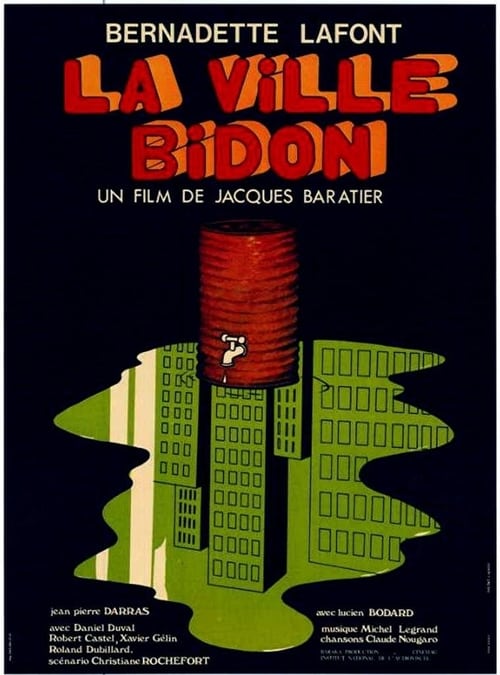
A fake documentary on the life forms of the Paris Suburbs, viewed through the eyes of homeless, unemployed people the sharks of politics and building societies push to hopeless life.
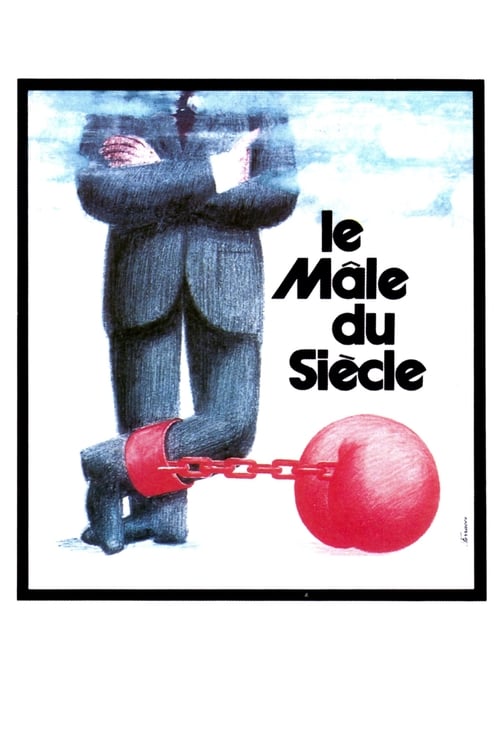
In the year 2222, a former drug dealer is kept in a state of hibernation. Reanimated, he tells his story. Leader in the narcotics market, his situation was prosperous until, during a political change, the government legalized its use.
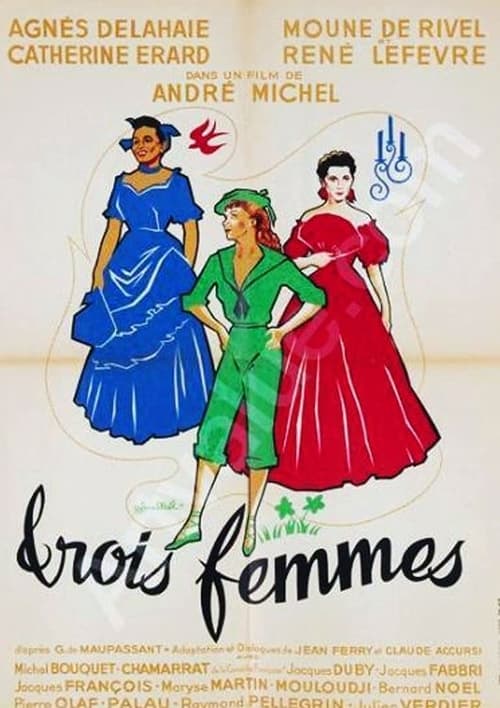
The short stories of Guy de Maupassant enjoyed a renaissance in the early 1950s, thanks in great part to the Max Ophuls production Le Plaisir. In Trois Femmes, three De Maupassant stories are dramatized, each conveying the central theme of women falling in love. In the first, a black female carnival entertainer causes an uproar when she falls in love with a white soldier. In the second, a young bride is pressured into having a baby to collect a huge inheritance. And in the final episode, a pregnant girl is "adopted" and protected by a small circle of friends. In standard De Maupassant fashion, each of the three stories in Trois Femmes is capped by a surprise twist.
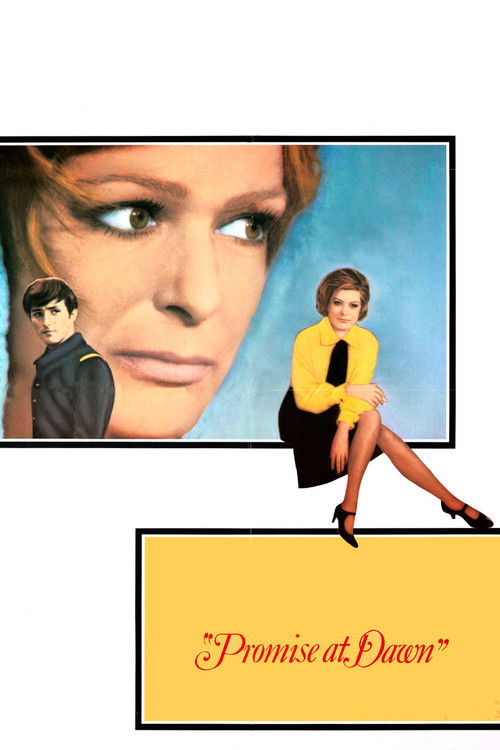
A single mother raises her son in impossible circumstances first in Leningrad, then Krakow, and then France, and is over-ambitious about him but never gives in.
Aloise creates a series of haunting drawings while she is incarcerated in an institution for the insane in turn-of-the-century Switzerland. She endures torments as a musically gifted girl and later as a young woman; her developing madness and the barbaric treatments of the time are shown.
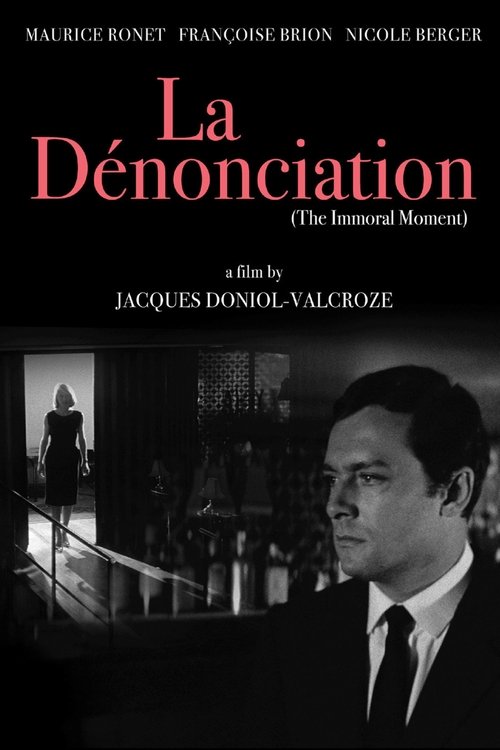
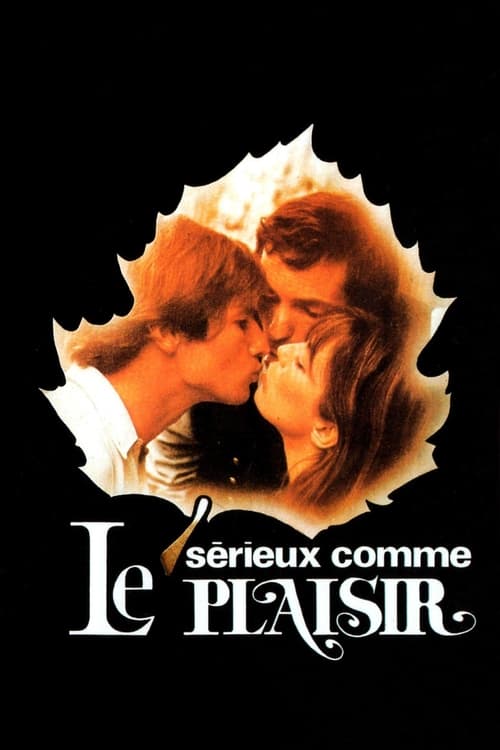
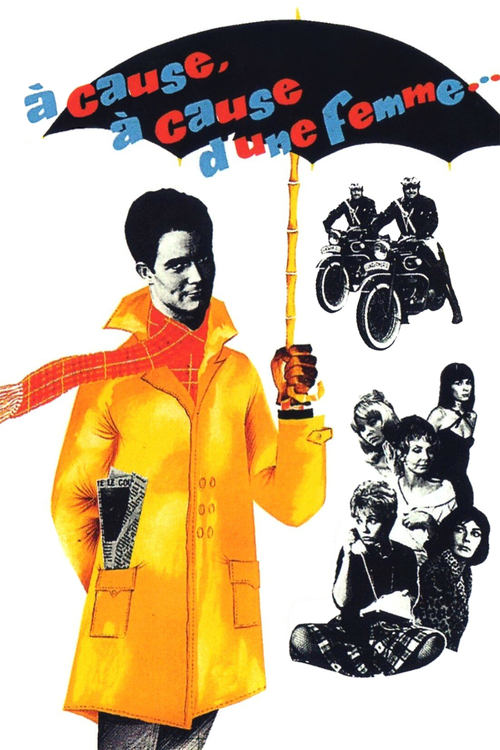
A young man is a collector of feminine conquests. One morning, leaving one of his mistresses he is addressed by one of his past flirts. As revenge, she denounces him later to the police as the murderer of her fiance who was found dead the same morning. With the help of his mistresses and some new ones he makes on the road, the young man goes in search of the man he thinks is the killer, then his blond consort with whom he fell in love at the first sight the evening before.
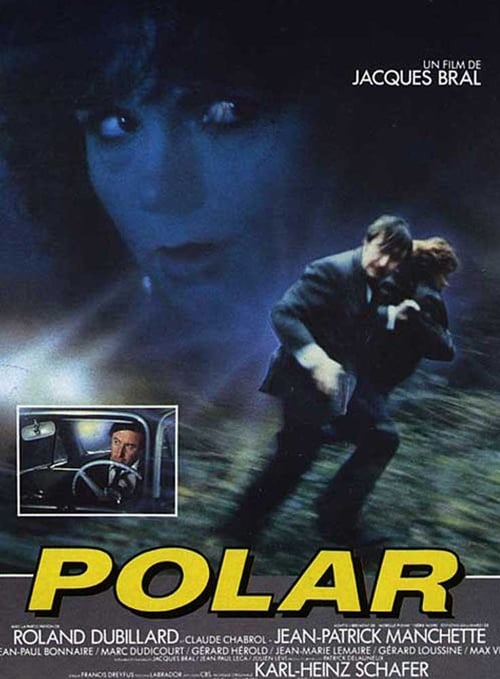
This film noir tends to stay within very conventional plot lines, as the narration by the main protagonist, private detective Eugene Tarpon Jean-François Balmer, recites a dreary litany of how he wanted to chuck his profession until an attractive woman shows up asking him to investigate the murder of her roommate, a porno star. Soon Tarpon is up to his neck in trouble: the police, gangsters, and the victim's lover are all out to get him.
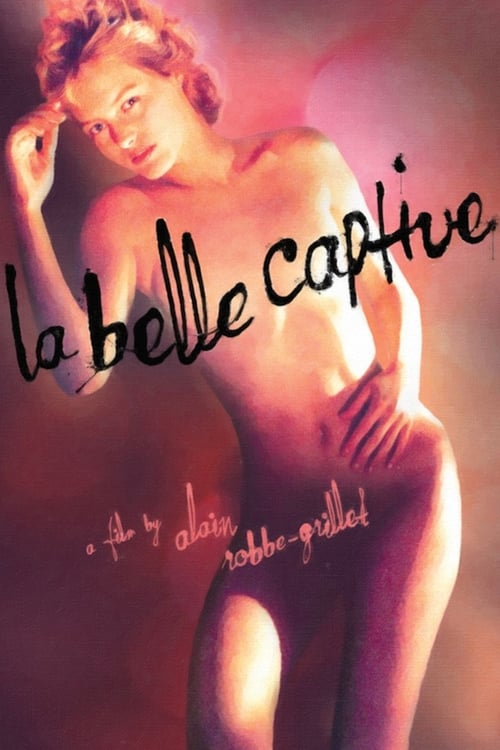
The wife of an extremely jealous merchant is held hostage by a bank robber.
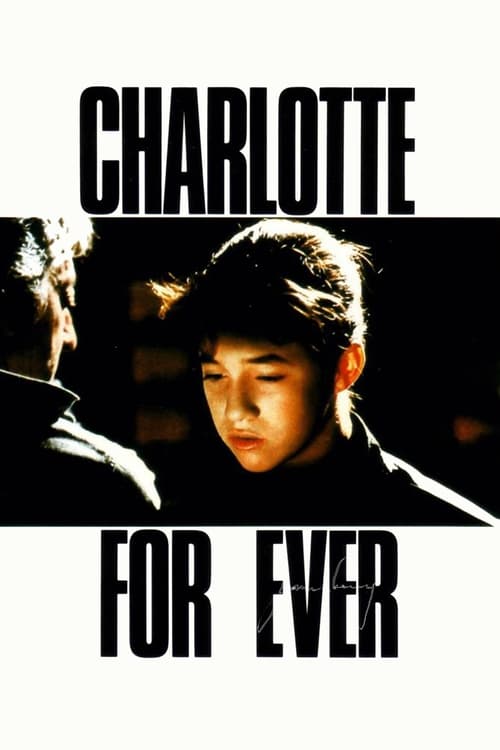
Once a successful Hollywood screenwriter, Stan is now a depressive alcoholic who spends most of his time mooching about his house whilst pouring out his troubles to his drinking partner. The only thing that keeps him going is his love for his teenage daughter, Charlotte, but she despises him, believing him to be responsible for the accident in which her mother died.
Walter is told by his boss, Sara, to deliver an urgent letter to Henri de Corinthe. On the way he finds a beautiful woman he had been eying in a nightclub, lying in the road, bound up. He takes her to a villa to get a doctor, and ends up being locked in a bedroom with her. While she is making love to him, he has visions of surrealistic images from René Magritte's paintings. In the morning, the girl, Marie-Ange, has vanished, the villa looks derelict, and his neck is bleeding. Was it all just a nightmare?
"This book is a descent into the soul of a child." On November 26th, 1865, Lewis Carroll's 'Alice's Adventures in Wonderland' was published. In this 1973 broadcast, we discover the genesis of this "masterpiece of the absurd" and delve into the depths of a child's soul, thanks to Jean Gattegno's fascinating analysis. As a bonus, Claude Rich reads us an excerpt from Alice's adventures.
Albert is an eccentric inventor of missiles who comes under fire from his investors when his first prototype explodes. Even his sympathetic mistress has her doubts, as Albert lashes out in a verbal tirade condemning those of little faith in his genius.