Directing
Robin François De Hert (20 September 1942 – 24 August 2020) was a Belgian film director.
Do we still sing the praises of folly like Erasmus, or is it trendy again to be smart? And if so, who is the smartest? Who can talk about the medals won at the Olympic Games in London, but at the same time knows who Captain Haddock is? Who knows whether Lacan was a hair growth product or a psychoanalyst and can also program their own digital television? Who has déjà vu when leafing through the Encyclopedia Britannica and when reading the interviews with the new Miss Waregem Koerse? Who, oh who, is the smartest person in Flanders, Belgium, Europe, and by extension, the world? That is determined by a fierce battle between three fellow human beings. Every day, someone is eliminated, someone who may not be the smartest, but who is perhaps cherished in their family circle because of their many other talents. The others advance and are joined by a new challenger every day.
In this sequel to Blueberry Hill, the boys of the Catholic metal working-class, who are now all working, decide to take revenge on the hated former principal Verbiest, after the sanctimonious 'pillar of society' assaulted one of their girls.
Filippi is a circus clown who lives a double existence: on stage he is successful and beloved, but privately he is consumed by jealousy and emotional fragility. He is in love with Arlette, a trapeze artist, but she prefers his rival Mario. When Filippi attempts to eliminate Mario, the situation spirals into tragedy, leading to Arlette’s death. Unable to cope with guilt, Filippi becomes trapped in a downward spiral of remorse, illusion, and emotional collapse. The story is largely told through flashbacks within the circus environment, blurring reality and memory.
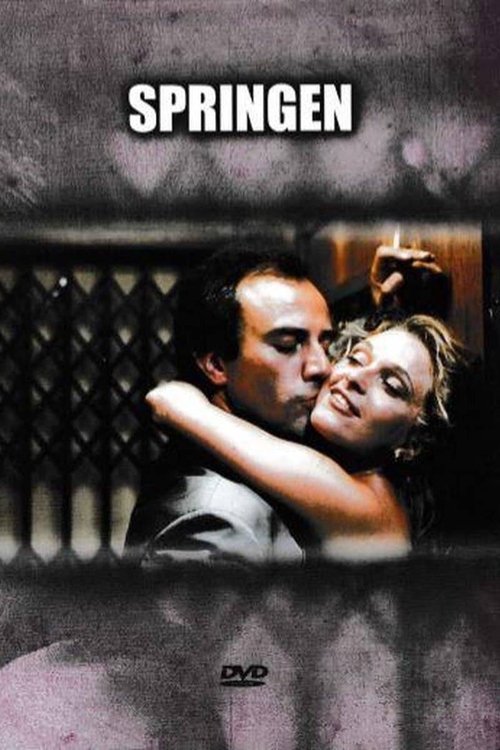
Springen (Jumping) is an absurdist comedy set inside 'Sempa Vivax', an exclusive and highly unusual retirement home housed in a castle.The facility caters specifically to wealthy elderly residents, offering them the unique opportunity to fully realize their wildest, final fantasies and unfulfilled dreams. Under the guidance of the home's eccentric staff, the residents engage in bizarre and extravagant activities, which range from reenacting passionate past romances to staging a simulated atomic war for entertainment.The narrative unfolds through the various subplots of these residents as they navigate their surreal daily lives, attempting to escape the realities of old age and mortality through illusion and play. The story explores the chaotic dynamics between the elderly elite, their families, and the staff members who facilitate their increasingly elaborate delusions.
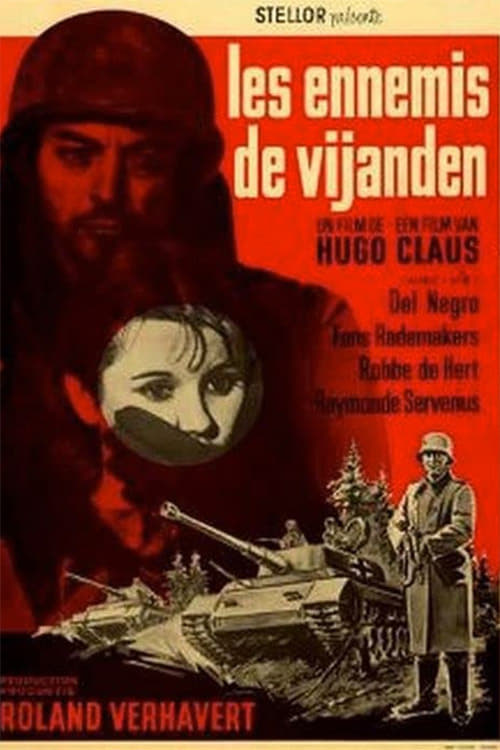
In the freezing winter of 1944, the devastating Battle of the Bulge rages across Belgium. Amid the chaos, an American soldier separated from his unit crosses paths with Richard, a cynical young Belgian boy, and Willy, a wounded German soldier they take as a prisoner.Stranded in a desolate, snowy landscape where survival overrides military allegiance, the three mismatched individuals form a fragile, surreal bond. As they trudge through the war-torn countryside, their basic survival instincts push political ideologies aside.
In this film version of the Dutch-language classic ('heimat'-)novel by Flemish author Felix Timmermans, the title character is a city-boy from Lier who after recovering from a life-threatening disease changes his life completely and his name to the self-invented Pallieter. He moves in with Charlote, a naive, caring relative in the country, where he starts frolicking, no longer caring for image, career or possessions, but concentrates on enjoying life -such as a draftee relative's Brueghelian wedding- and finds love with Marieke. A dark story-line however is when projected work on the river in the name of economical progress threatens the rural landscape they have fallen in love with...
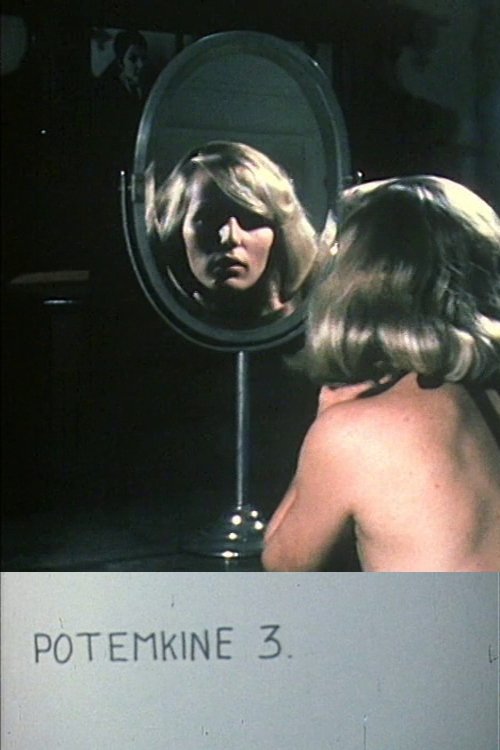
Recovering all of the intertitles of the Battleship Potemkin, Jean-Marie Buchet substitutes for the images of the film various views that he himself shot and which are unrelated to the initial work, thus joining the technique of diversion widely recommended and applied by the Situationists.
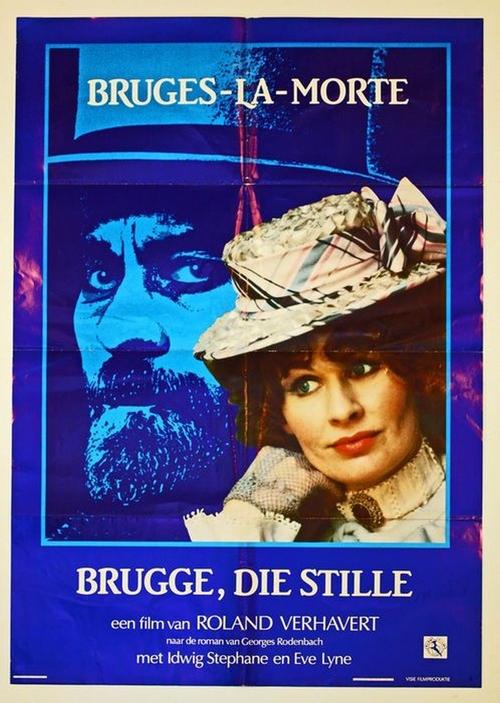
Hugues cannot get over the untimely death of his wife Blanche, who made him happy for ten years. He lives alone in his house in Bruges, a city he would like to be dead like his wife. The sorrowful widower has transformed the place he lives in into a shrine dedicated to his beloved wife. One day, he meets Jeanne, a ballet dancer, who looks like Blanche.
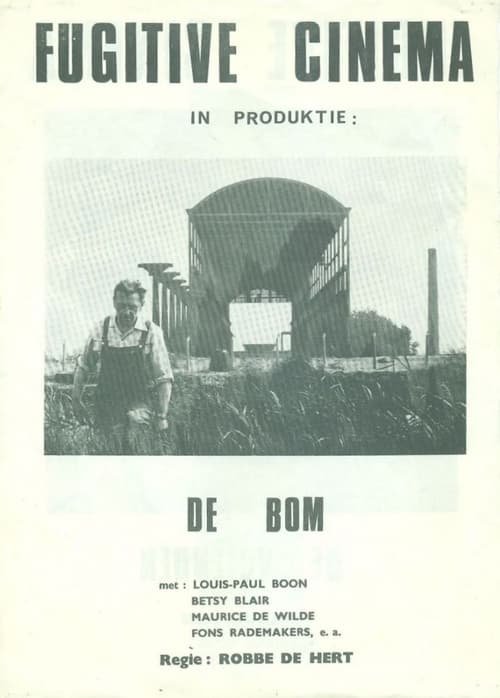
One day a garage owner finds an atomic bomb that has been lost by an airplane. He hides the bomb and shakes the country when he announces that he will not return the bomb until the production of such weapons of destruction is stopped.
Placide's dad tells him on his deathbed he'll haunt Placide if he doesn't find a wife soon. Placide cautiously agrees, but he only wants to settle for a very beautiful woman. That might be easier said than done, since he is a vagabond. When he accidentally enters a photo shoot, Placide meets Sarah. He falls in love, but she is way out of his reach.
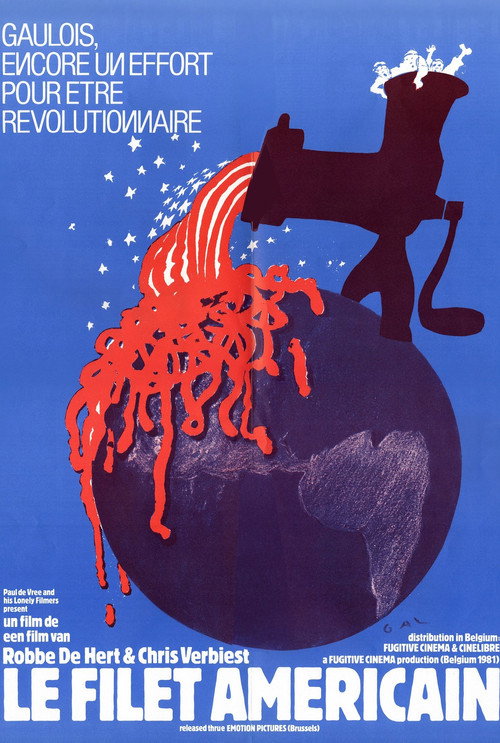
The documentary's legacy lies in its unapologetic fusion of agitprop and satire, a signature style of De Hert’s Fugitive Cinema collective. By juxtaposing Mandel’s economic theories with absurd military parades, the film exposes the contradictions of a society preparing for war while its social fabric decays. De Hert employs rapid montage, pop music, and street-level interviews to strip away the facade of state authority.Decades later, Le Filet Américain remains a vital historical document. It captures a specific era of Belgian polarization, marked by economic crises and the rise of the gendarmerie. The metaphor of the meat grinder endures as a powerful critique of how institutional systems compromise individual dignity for corporate profit.
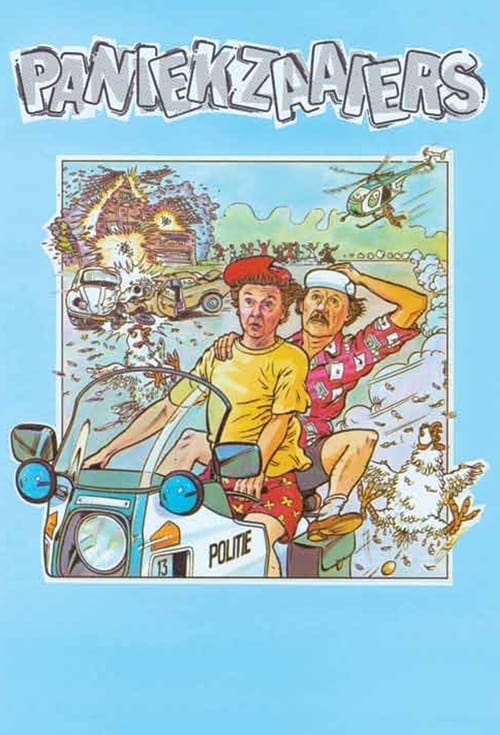
Gaston and Leo are active in Antwerp's motorbike brigade. But the two are demoted to simple neighbourhood cops. When they track down a dangerous woman kidnapper and his accomplice, the pair soon find themselves back in favour. Before they can complete their sleuthing, they must escape the attentions of their wives.
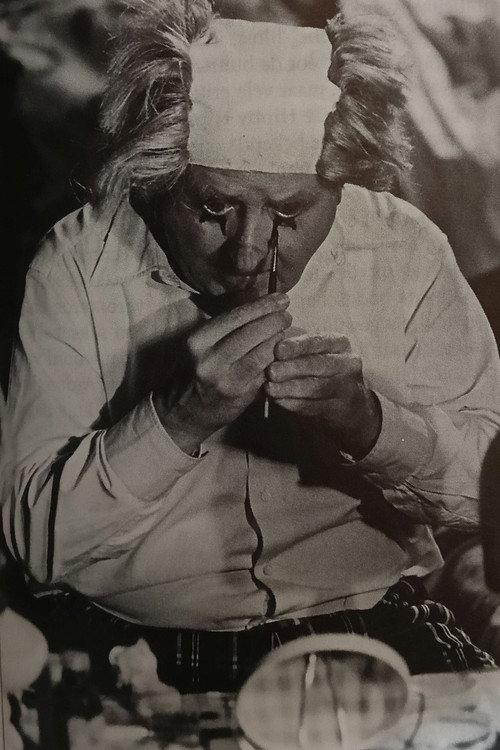
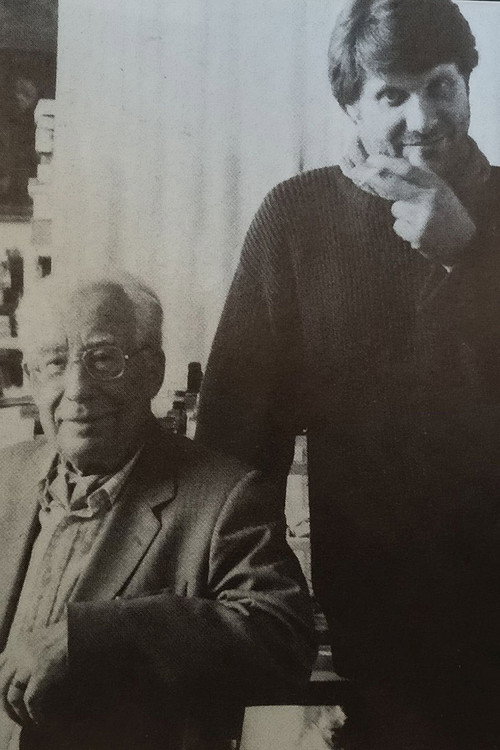
Robbe de Hert’s Henri Storck, ooggetuige (1986) is a brilliant cinematic homage to the founding father of Belgian documentary cinema. Filmed around Storck’s 80th birthday, the film eschews standard biographical formulas. Instead, De Hert crafts an intelligent, vibrant collage that synthesizes rare archival footage with intimate anecdotes told by Storck himself.The documentary excels at tracing Storck’s evolution from an Ostend avant-garde poet to a fierce social activist. De Hert’s signature rebellious tone shines through in bold creative choices, such as overlaying John Lennon's "Working Class Hero" onto the silent, gritty footage of Misère au Borinage (1933). This creates a powerful bridge between 1930s labor struggles and modern social critique
This historical costume drama is a mini-series on the life of Flemish first-rate Baroque painter Pieter Pauwel Rubens (1577-1640), whose artistic success throughout Europe not only made him a fortune allowing him to stock his Antwerp residence ('Rubenshuis' in Dutch) and a castle at Elewijt, in the countryside nearer Brussels, with numerous fashionable treasures, but also became an ennobled diplomat for the Spanish Hapsburg rulers of the Southern Low Countries (now Belgium), who often traveled, for painting commissions and/or diplomatic missions, to and worked in Italy, France, Spain, all Catholic powers, as well as protestant England and the United Provinces (mainly Holland), also allowing him to meet other prominent contemporaries such as artists. It further covers his marriages to Isabella Brandt and Hélène Fourment.
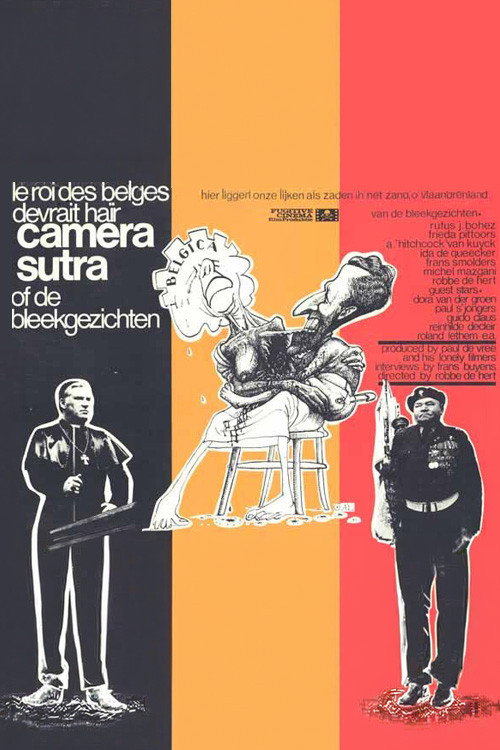
The Herts Camera Sutra or The Palefaces (1973) is a militant and visually fragmented critique of Belgian bourgeois society, blending documentary collage with semi-autobiographical fiction. De Hert attacks the distractions of nationalism, religion, and popular culture while exposing capitalism, social injustice, and postcolonial exploitation. The film’s second half shifts to a disillusioned group of rebellious youths, revealing the uncertainty and emotional paralysis behind revolutionary ideals. Both politically fierce and deeply self-questioning, the film captures the tension between radical ambition and powerlessness.
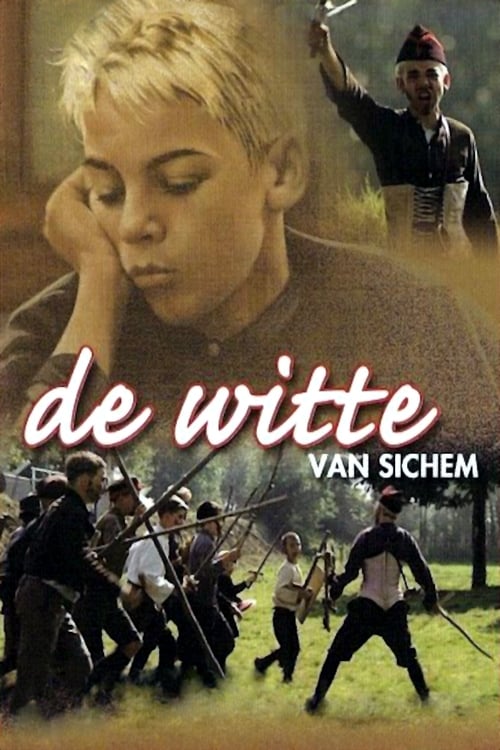
The second movie version, now in color, of Flemish (heimat-)author Ernest Claes' classical novel, titled after the nickname (Dutch 'the White', referring to a blond male) of the main character. The smart but naughty farmhands son's eternal mischief, pranks and disobedience drive his elders (especially teachers, family and father's grumpy employer, a rich farmer, but also neighbors and even the kind curate whose liturgical server he is) and classmates to despair in a time when a boy's punishment was still inevitable, swift and often severe; thus when his mother catches him skinny dipping she takes all his clothes home, forcing him to a long walk of shame, dreading dad's wrath all the way. This version also stresses the story's social and Flamingant aspects.
A short war film
Gaston grew up on the fringes of society and interacts with other people as little as possible. Leo, on the other hand, is a very bourgeois person. He lives way above his station, but has a heart of gold. Using forged cheques and unsecured credit cards, he tries to keep up appearances. By a coincidence, Gaston's fate is linked to Leo's.
Antwerp in the fifties. Robin de Hert grew up in a Catholic parochial environment; on the one hand there is his authoritarian father and the sadistic secretary of the Catholic boys technical school, on the other hand there are the 'Grieten' and the French teacher with whom Robin is getting a good band through a secret they share. If the secretary finds out about this secret, this has major implications for both the teacher and the students ...
Documentary exploring why Belgian television doesn't invest more money in Belgian cinema as is the case in e.g. the netherlands.