Editing
No description available.
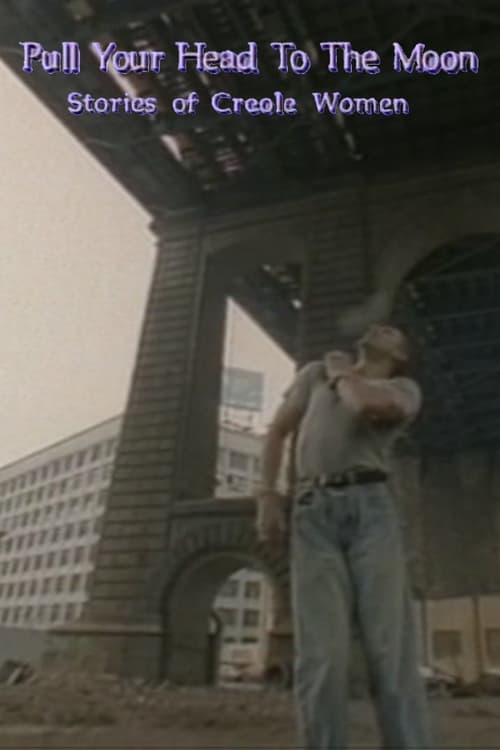
A gay man living through the HIV/AIDS crisis reflects upon his recent history of loss with the help of his grandmother, who tells him a story of her own trauma and loss during the Jim Crow-era South.
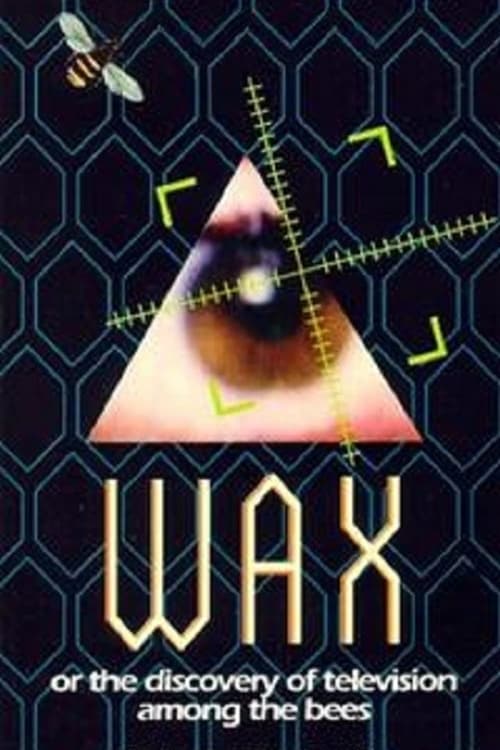
Computer programmer/beekeeper Jacob gets a "television" implanted in his brain by a race of telekinetic bees, which causes him to experience severe hallucinations.
This beautiful film is a portrait of the life and work of Cuban-born American artist Ana Mendieta. Mendieta used her own body, the raw materials of nature, and Afro-Cuban religion to express her feminist political consciousness and poetic vision. Interview footage with Mendieta and her own filmed records of her earthworks and performances are incorporated to render a vivid testament to her energy and extraordinary talent after her tragic, untimely death in 1985.
The Political Advertisement project began in 1984, when New York-based media artists Muntadas and Reese produced their first compilation of American presidential commercials, beginning with Eisenhower in the 1950s. Every four years since — aligned to the national election cycle — they’ve updated the collection to reflect the current moment, presenting the clips in chronological order, with no voice-over editorializing, a tour-de-force of witty and incisive editing. Consisting of rare as well as notorious footage, Political Advertisement argues for television’s enormous importance in selling the presidency — a force that transforms citizens into consumers, and the presidency into the ultimate product.
The Bus Stops Here is an experimental narrative about two sisters, Judith and Anna, plunged into depression by their struggle to gain control over their lives. Narrated by Judith’s counselor, The Bus Stops Here traps these women in a narrative in which their unmediated voices are rarely heard; instead, the viewer learns about them only through the interceding power structures of narrative, family, and psychiatric establishment. Zando chooses black and white film and a drifting camera style, intercut with home movie footage, to capture the grim struggle these sisters endure as they march toward the question of “what do I need to feel satisfied?”—a question these women must ultimately answer for themselves.