FEEL IT.STREAM
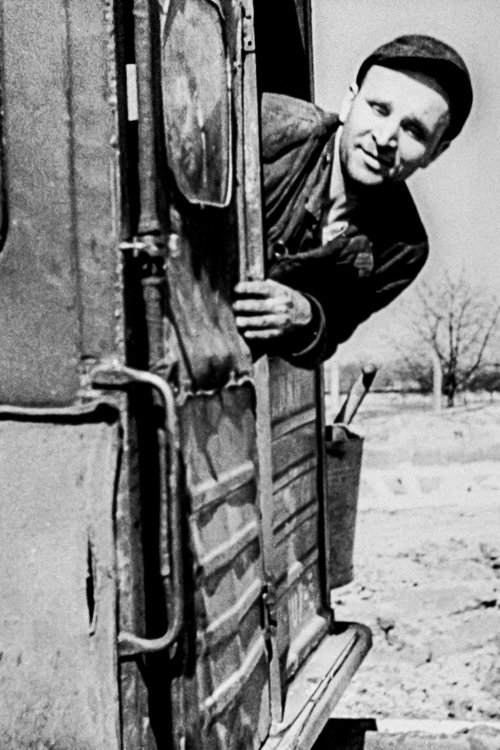
Andrzej Munk

Andrzej Munk

Directing

Biography

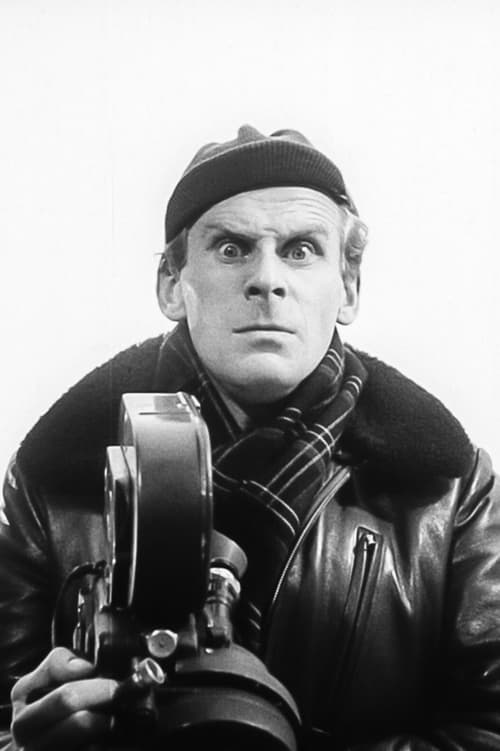
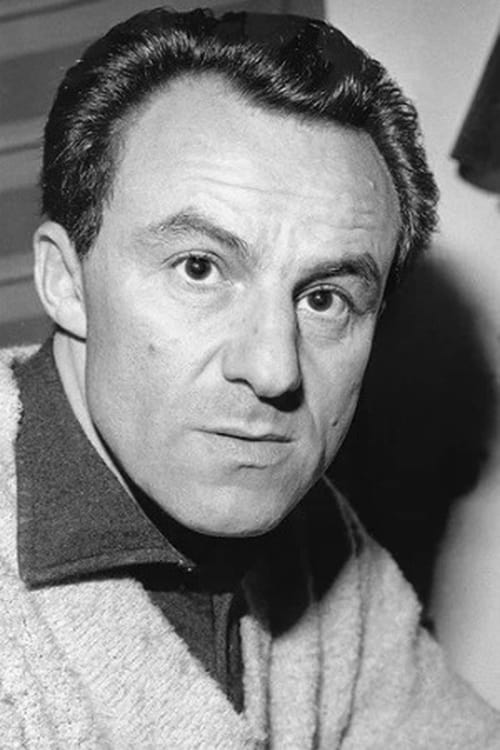
Andrzej Munk (16 October 1921 – 20 September 1961) was a Polish film director, screen writer and documentalist. He was one of the most influential artists of the post-Stalinist period in the People's Republic of Poland. His feature films Man on the Tracks (Człowiek na torze, 1956), Eroica (Heroism, 1958), Bad Luck (Zezowate szczęście, 1960), and Passenger (Pasażerka 1963), are considered classics of the Polish Film School developed in mid-1950s. He died as a result of a car crash in Kompina in a head-on collision with a truck.
Known For

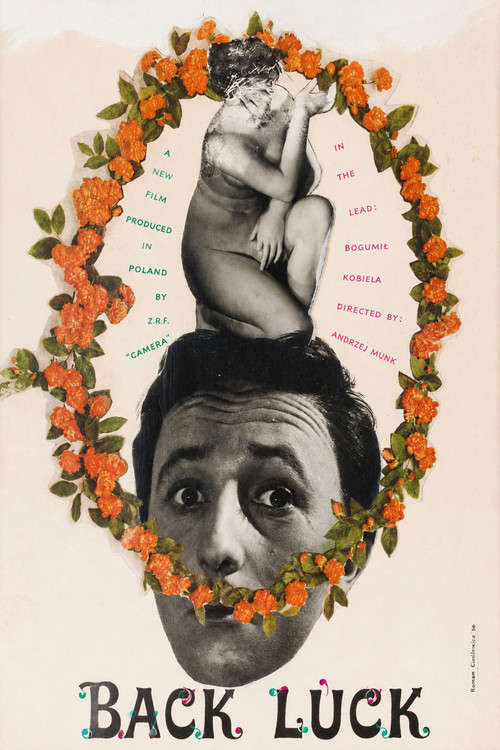
Bad Luck
6.8

To convince the prison warden against releasing him, a middle-aged Polish man recounts his life, one he considers to have been characterized by exceptionally bad luck.

Bad Luck

1960
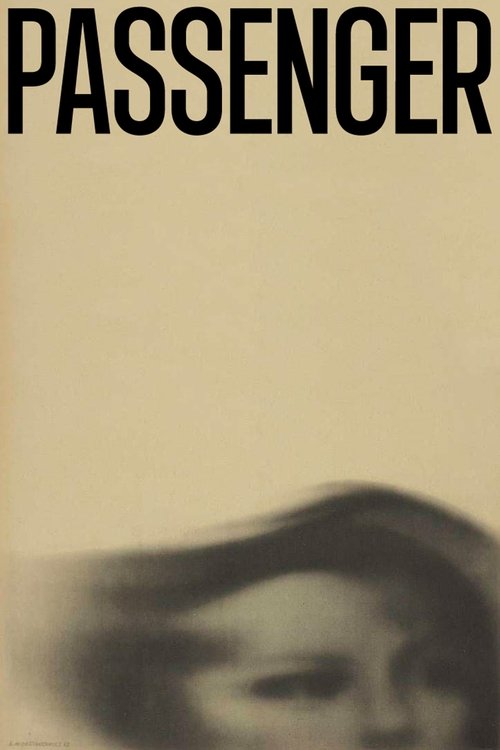
Passenger
7.3

A German woman on a ship returning to Europe notices a face of another woman which brings recollections from the past. She tells her husband that she had been an overseer in Auschwitz during the war, but she has actually saved a woman's life.

Passenger

1963
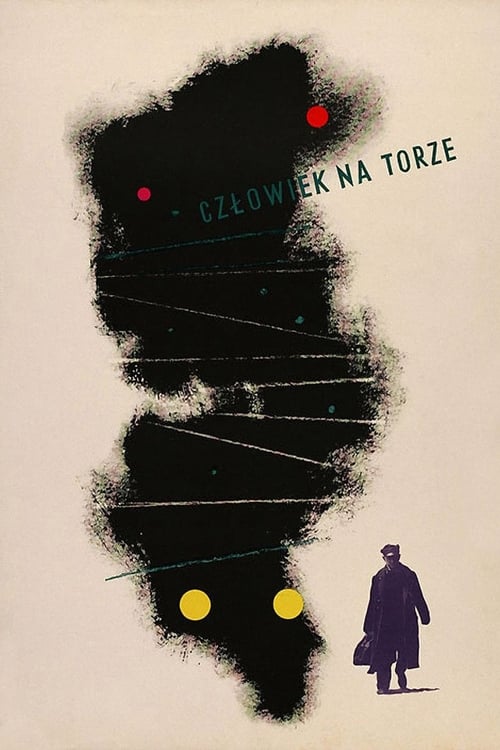
Man on the Tracks
6.9

One night in 1950 a passenger train runs over a man, who turns out to be the veteran train engineer Władysław Orzechowski, knows for his old ways and stern demeanor. As the inquiry panel tries to deduce why would a man like Orzechowski jump in front of a moving train several of the people involved in the case are interrogated, each telling their own version of the story. Can the panel arrive at the truth in a world where workers unite, inferior coal is a badge of honor, and the old order is suspect?

Man on the Tracks

1957
Con bravura
N/A

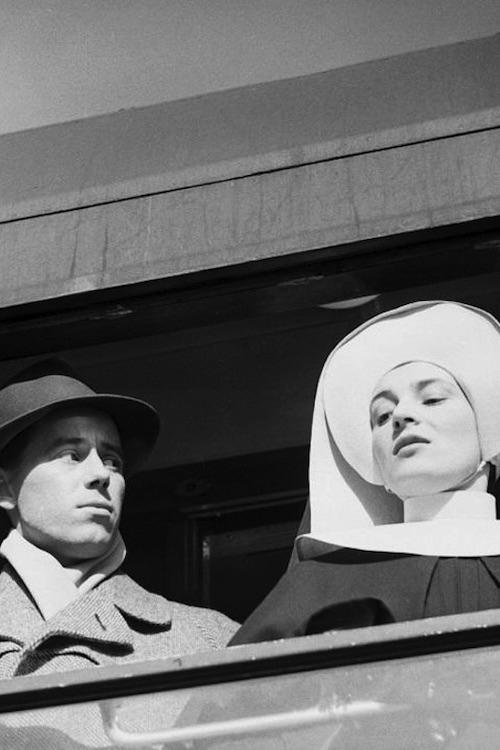
Originally, Munk intended Eroica to be a triptych with Con bravura being the first part, but he ultimately gave up on this film, deeming it weaker artistically than the two counterparts. Con bravura is about conspiracy conflating the paths of a rather unconventional nun and an intrigued young man – each of them bears secrets and the encounter could incite a flaming romance, though one suffocated by war.Munk set the film in the mountain capital of Zakopane and its vicinity, allowing breathtaking views from a cable car and using his experiences of the Nazi occupation in the area to add gritty reality. The director plays a cameo as a priest with several of his industry friends also making appearances.

Con bravura

1972
No image
N/A

Andrzej Munk was one of the leading directors in Polish cinema. Friends and collaborators share their memories about this stunning artist and his premature tragic death.

Last Pictures

2000
The Passenger Andrzej Munk
N/A

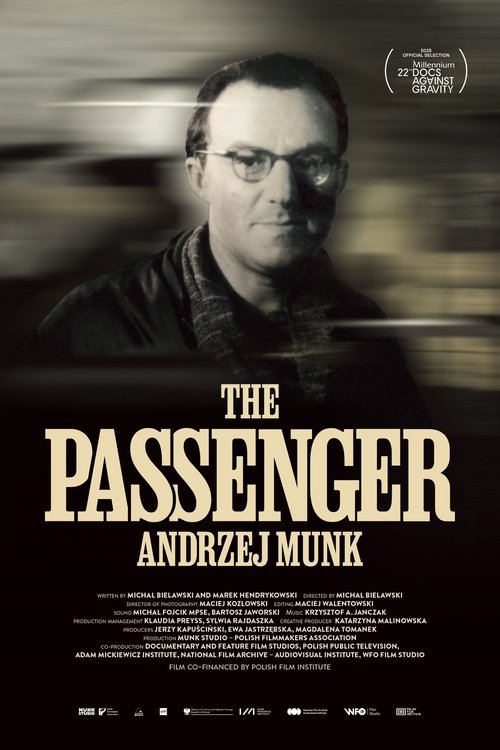
The documentary dedicated to Andrzej Munk, a leading creator of the Polish Film School, was created based on unique archival materials. They made up a story about a man immersed in history, his artistic evolution and the emotions accompanying this process.

The Passenger Andrzej Munk

2025
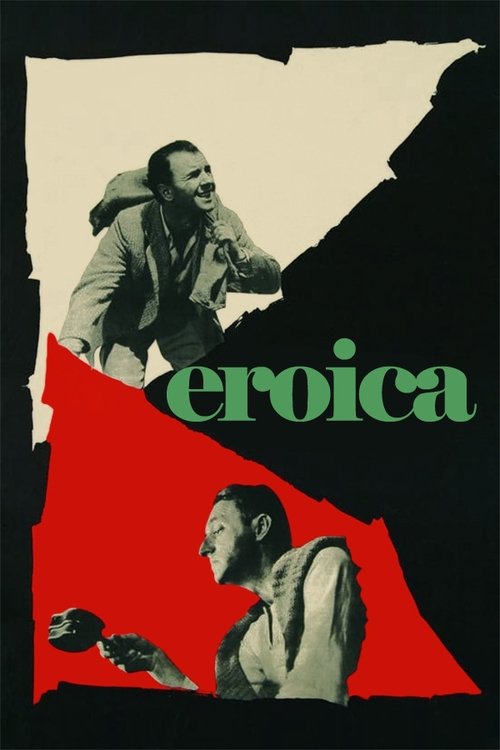
Eroica
6.9

Tells two tales set during WWII: A seemingly feckless and selfish man finally takes up arms in the national struggle against the Nazis. Set in a POW camp, Polish inmates cling to their hopes for an eventual escape, encouraged by the legendary escape of one of their own.

Eroica

1958
Peasant Diaries
10.0

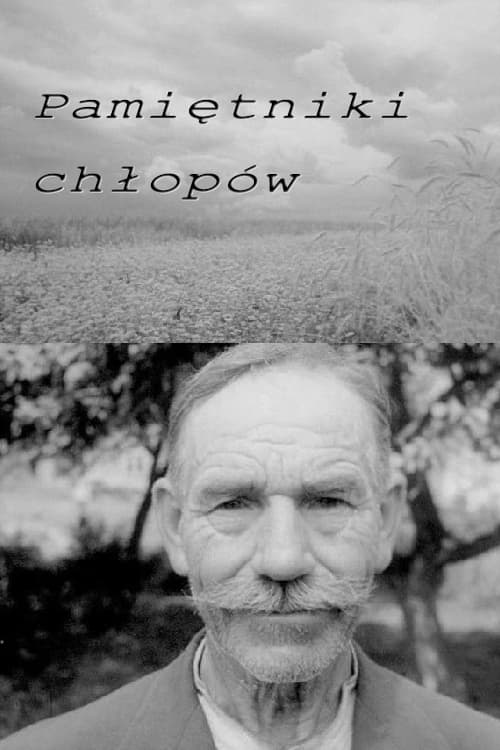
A film meant to show what people were told to believe about the wonderful lives that Polish peasants led in post-war Poland.

Peasant Diaries

1952
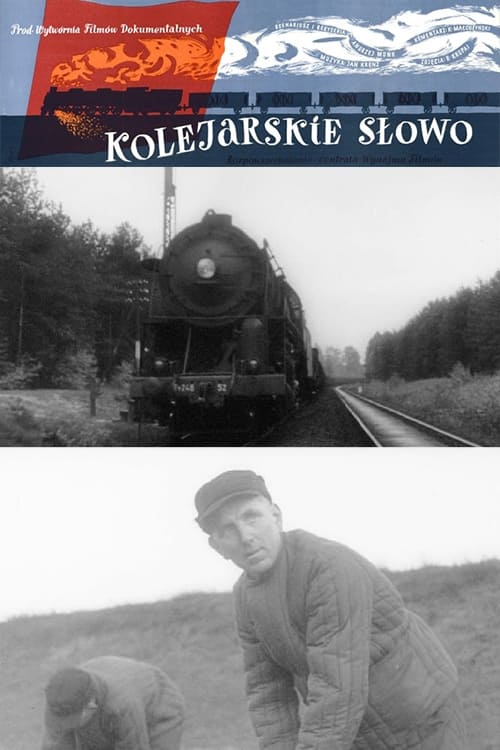
A Railwayman's Word
6.4

A documentary about the hard work of railwaymen transporting coke from Tarnowskie Góry to Szczecin Iron works.

A Railwayman's Word

1953
Polish Film Chronicle 59/52AB
7.0

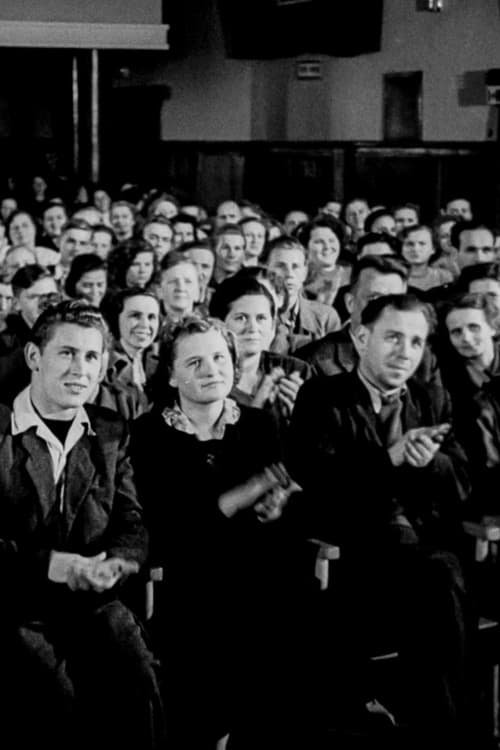
All celebrities hurry in order to celebrate the 15th anniversary of the Polish Film Chronicle. On this occasion, there’s a special episode of the Chronicle directed by Andrzej Munk and performed by Wieslaw Golas: a pastiche of a typical episode with fixed elements - documentation of succeses achieved by Polish workers, artists, sportsmen, and cameramen of the Polish Film Chronicle.

Polish Film Chronicle 59/52AB

1959
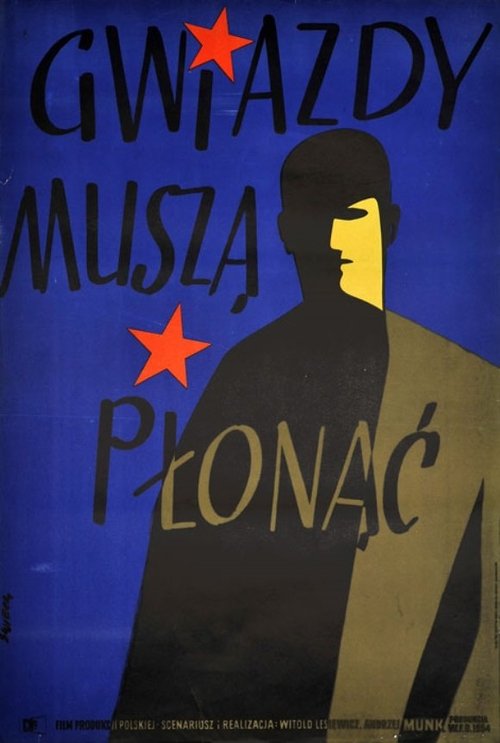
The Stars Must Burn
8.0

The year 1953 ends. Mines that failed to fulfil the plan are not allowed to light their star. Socialist realism treated seriously – with the memory of the mining tradition, with respect for the work of the old, with hope for the young.

The Stars Must Burn

1954
Men of the Blue Cross
6.2

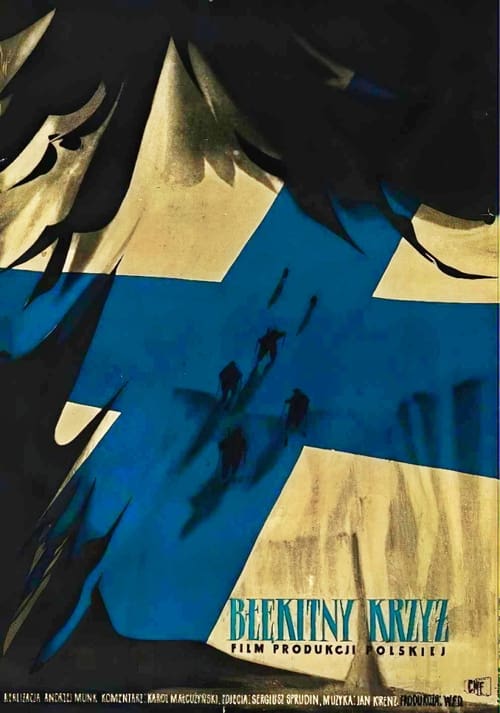
The final film produced by Warsaw’s Documentary Film Studio is an epic re-enactment of a treacherous mission by the Voluntary Tatra Mountain Rescue Service to aid colleagues stranded behind enemy lines at the close of World War II (several real participants feature in the film). Based on a short story about the rescue by Adam Liberak, Munk’s final “documentary” is also arguably his first major exercise in the craft of narrative filmmaking.

Men of the Blue Cross

1955
No image
10.0

Short film by Andrzej Munk

It Began in Spain

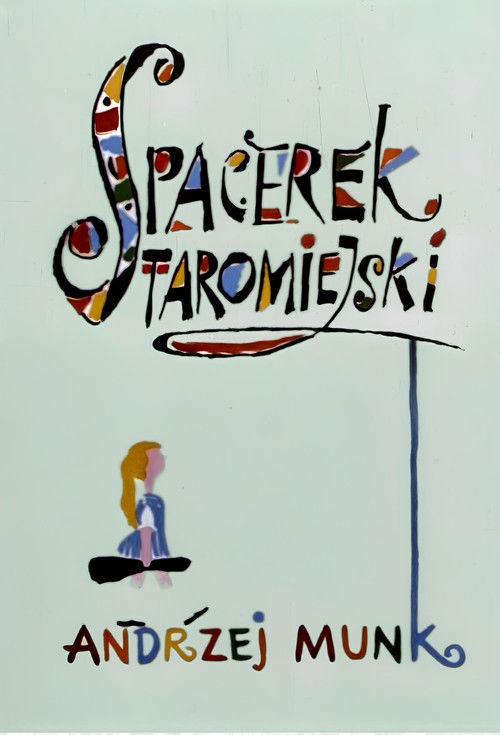
A Walk in the Old City of Warsaw
6.4

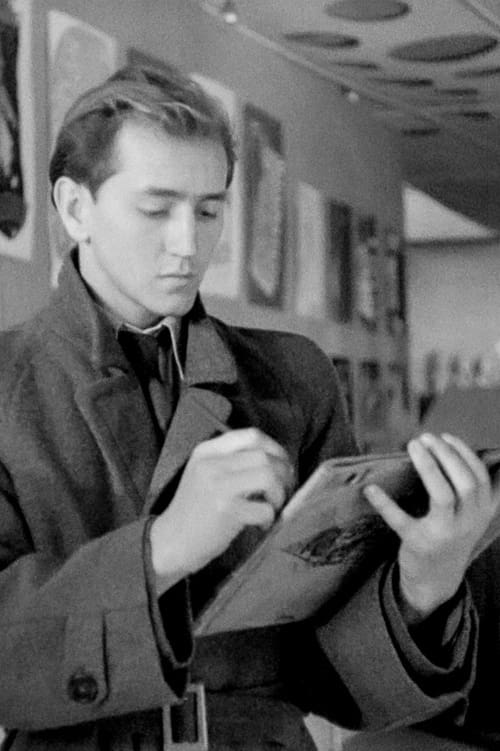
A young music student strolls through Warsaw’s Old Town as the city’s everyday sounds—children, traffic, machinery, music, and passing jets—shift from background noise into a spontaneous outdoor concert.

A Walk in the Old City of Warsaw

1958
No image
N/A

A documentary showing the First of May celebrations.

Maj pracy walki pokoju

1951
Sunday Morning
6.5

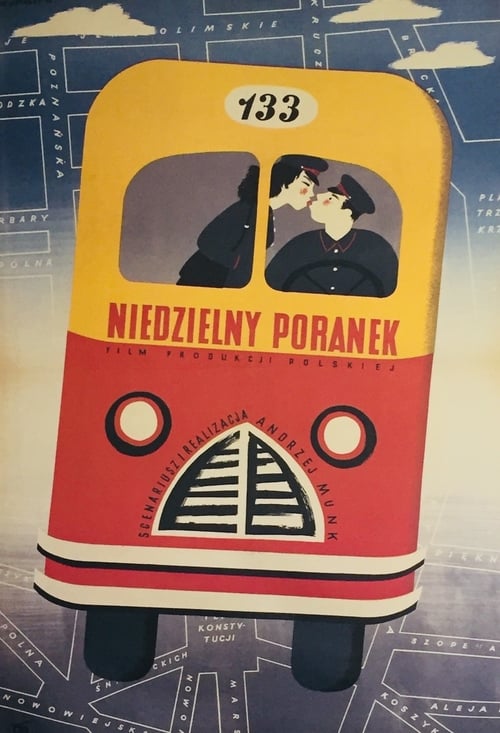
Short propaganda film. Warsaw's post-war reconstruction as seen through the eyes of the passengers of a red bus.

Sunday Morning

1955
Young Art
8.0

In October 1949, when socialist realism was imposed on Polish artists, a presentation of the achievements of art schools took place in Poznań. The report of the event called ‘shows’ was made by students of the Film School in Łódź.

Young Art

1950
Destination - Nowa Huta!
5.7

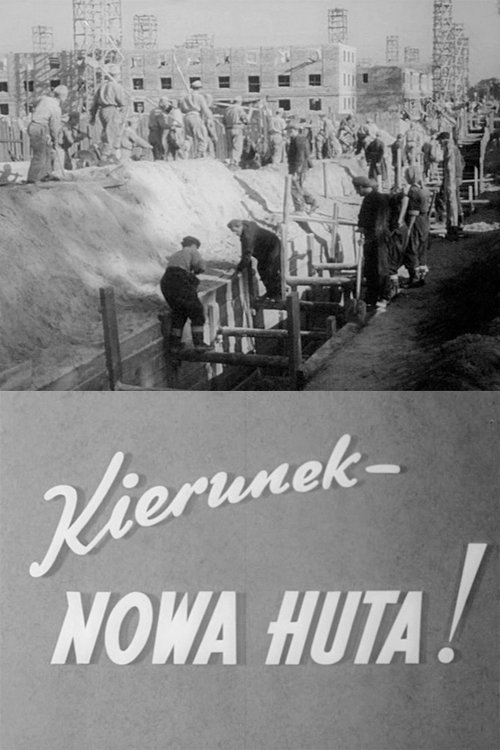
This documentary describes the process of building and the first days of the combine and the city of Nowa Huta. Andrzej Munk realizes the postulates of socialist realism decreed in Polish cinematography in 1949.

Destination - Nowa Huta!

1951
A Fairy Tale
8.0

A recording of the performance of the symphonic poem entitled Fairy Tale by Stanislaw Moniuszko at the ‘Ursus’ Factory in Warsaw. It took place in 1952 and was performed by the Warsaw Philharmonic Orchestra under the baton of Witold Rowecki.

A Fairy Tale

1952
Science Closer to Life
7.0

Modern work tools are created thanks to the development of science, as a result of the transfer of knowledge between generations. A review of the tradition of Polish science from the times of Nicolaus Copernicus to the establishment of the Polish Academy of Sciences. [35mm online]

Science Closer to Life

1951