Acting
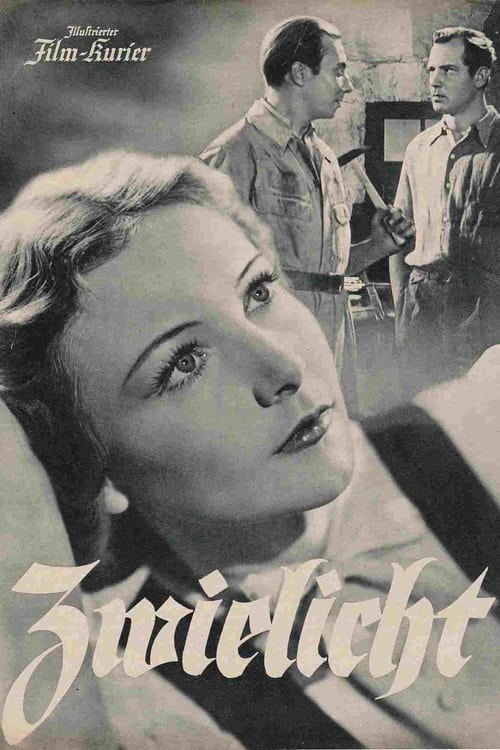
Walter Gruber once belonged to a group of unscrupulous, money-grubbing poachers. Now released from prison, he is determined never to touch a gun again. He was imprisoned for poaching, but they couldn't prove he fired the shot that wounded forester Kuhnert. Upon his return home, Walter is horrified to discover that his former lover, Kuhnert's daughter Grete, has since married someone else. Grete still loves Walter, with whom she was pregnant. But her father would have made life a living hell for her and the child had she not married another man. This man, Robert Thiele, is still poaching and is extremely ruthless in his methods. Robert eventually blackmails Walter into rejoining the poachers. When the gang shoots the old forester Kuhnert, Robert shifts suspicion onto Walter.
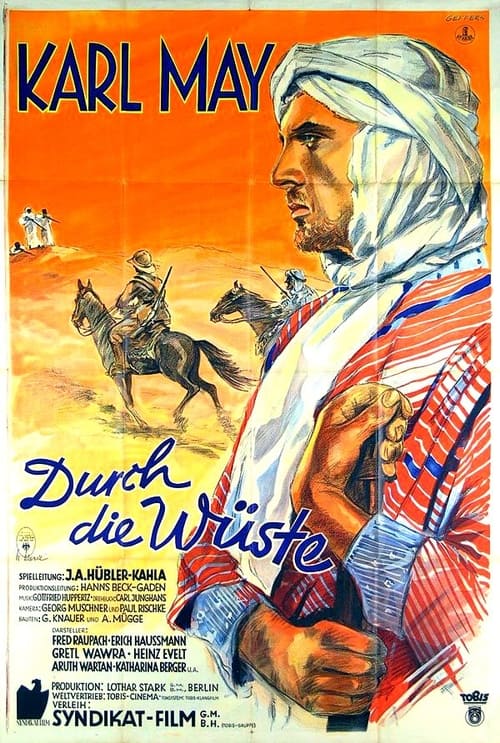
Set in the Ottoman Empire during the Nineteenth century, the film portrays a series of oriental adventures of the two travellers Kara Ben Nemsi and Hadschi Halef Omar.
Russian soldier Grisha escapes from a German prisoner-of-war camp in the spring of 1917. He is caught and is to be shot as a spy. This decision is controversial. The dispute continues. Grisha is executed on the orders of the army high command.
Early 1921: a man is on his way home. Gleb Chumalov, regimental commander, worker and Hero of the Order of the Red Banner, returns to his home town from the Civil War. The victory over the enemies of the Russian people gives him the conviction that a new, better time will dawn overnight. Gleb looks for his comrades from earlier years, but only finds people who are emaciated by their efforts. The cement works where he used to work has been plundered and abandoned. With great effort, Gleb and his comrades try to get the plant up and running again. The struggle seems to begin anew... It is the time after the victory of the “Great October Socialist Revolution“ and the time of building a new society.
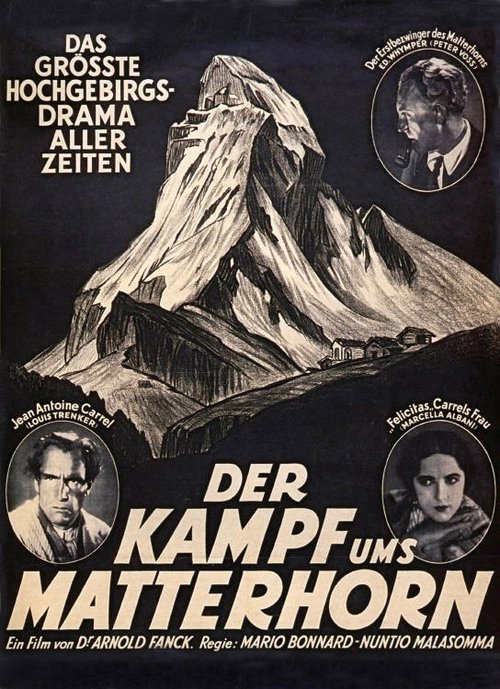
Struggle for the Matterhorn (German: Der Kampf ums Matterhorn) is a 1928 German-Swiss silent drama film co-directed by Mario Bonnard and Nunzio Malasomma and starring Luis Trenker, Marcella Albani, and Alexandra Schmitt. The film is part of the popular cycle of mountain films of the 1920s and 1930s. Art direction was by Heinrich Richter. Based on a novel by Carl Haensel, the film depicts the battle between British and Italian climbers to be the first to climb the Matterhorn. Trenker later remade the film as The Challenge in 1938.
Victory and demise of the first proletarian dictatorship in the history of mankind, about the struggling, bleeding workers of Paris who enthusiastically defend their historical initiative. The little Cabet family from Rue Pigalle and their friends let the spectator participate in the action.
Hitler's seizure of power in 1933 and his rule in the years that followed are transferred to the North American criminal world of the 1930s in a parable. Gangster boss Ui needs the protection of the ruling class to achieve his goals and offers his help to their representatives. They initially hesitate, but join forces after Ui violently gains their respect. His victory is perfect and the people fall silent before the revolvers of their "protectors". Ui takes the raised hands as a sign of approval... Bertolt Brecht wrote the play in 1941 in a Finnish asylum - the premiere only took place in Stuttgart after his death in November 1958. It has been staged at the Berliner Ensemble since 1959 - Ekkehard Schall has played Ui over 500 times since then. On January 13, 1974, the play was shown for the last time, recorded in color by GDR television.
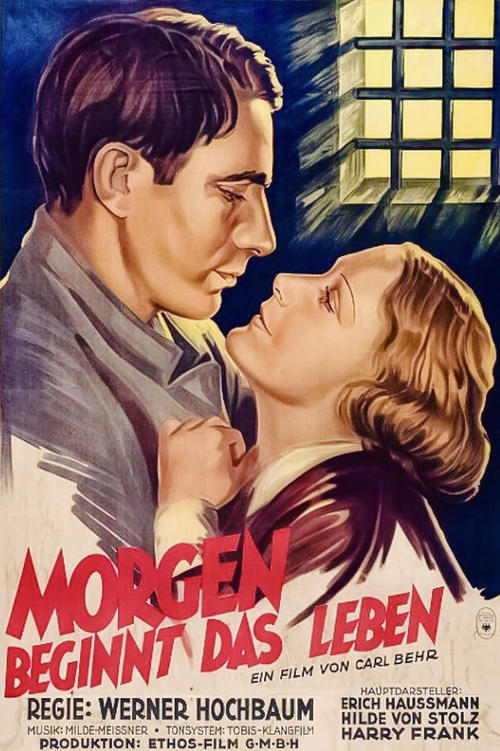
Musician Robert Sand is released from prison in April 1933, after serving five years for manslaughter. Disappointed not to find his wife Marie waiting for him outside the prison gates, he heads into the city. At the same time, Marie makes her way in the other direction. For one portentous day, they look for each other in the noisy city of Berlin. Doubt, mistrust, and jealousy begin to germinate in Robert’s mind.
Using an atomic reactor, two scientists try to create gold.
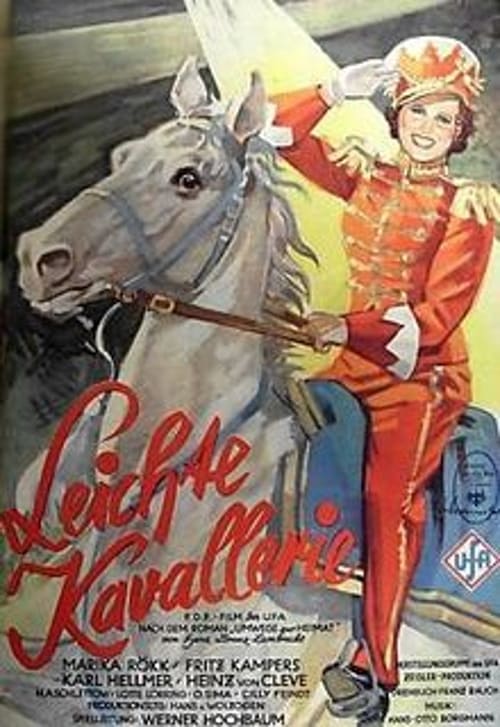
Rosika, a girl from Genoa, fled her innkeeper stepfather after he tried to abuse her. She finds refuge - and a job as well - in a traveling circus. Cherubini, the owner of the big top, falls in love with the lovely young woman and makes her the star of the show 'Light Cavalry'. But unfortunately for him Rosika's heart beats for Geza, the stable boy.
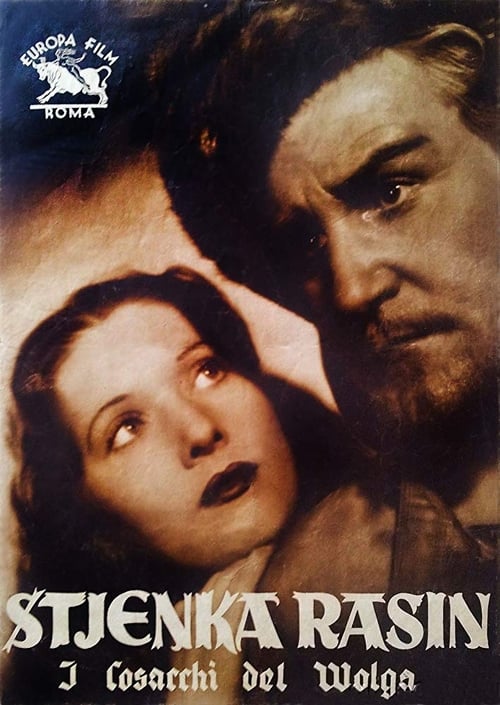
Russia, 1667: The Cossacks, led by Rasin, are ill-treated by Prince Dolgoruki who arrests and sentences Rasin to forced labor on the ship that brings the Prince and his daughter to her arranged wedding. But the Princess falls for Rasin.
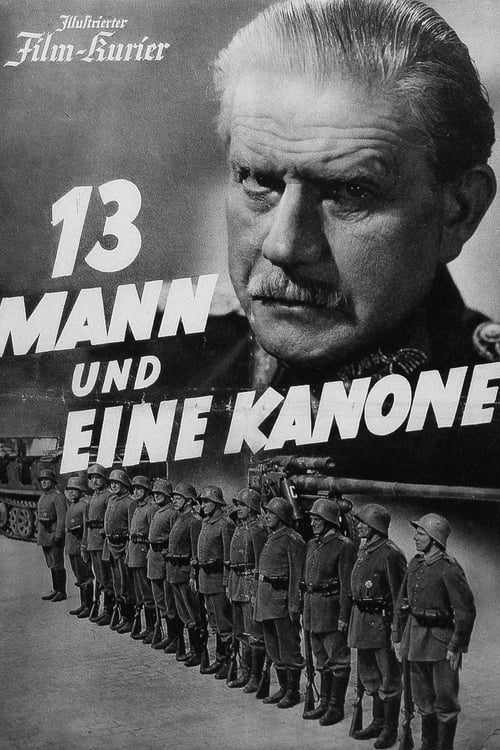
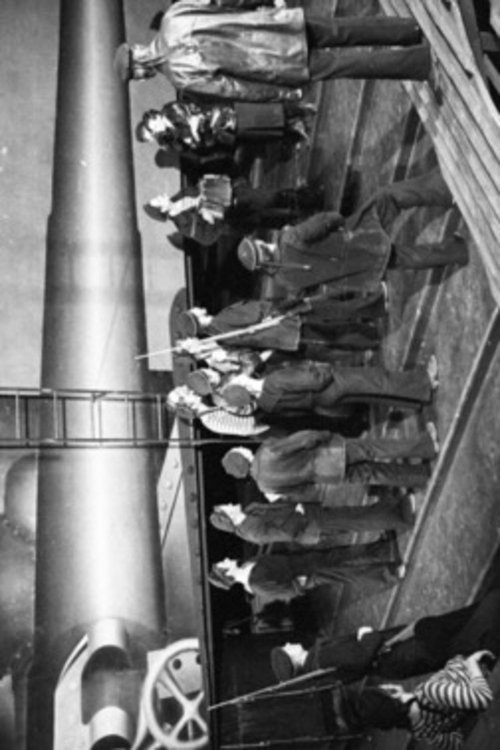
World War I, Eastern Front. A special battery consisting of thirteen soldiers and one cannon successfully holds back the enemy. But then the position of the gun is betrayed to the Russians and the cannon is destroyed. Each of the thirteen men is now suspected of being the traitor.
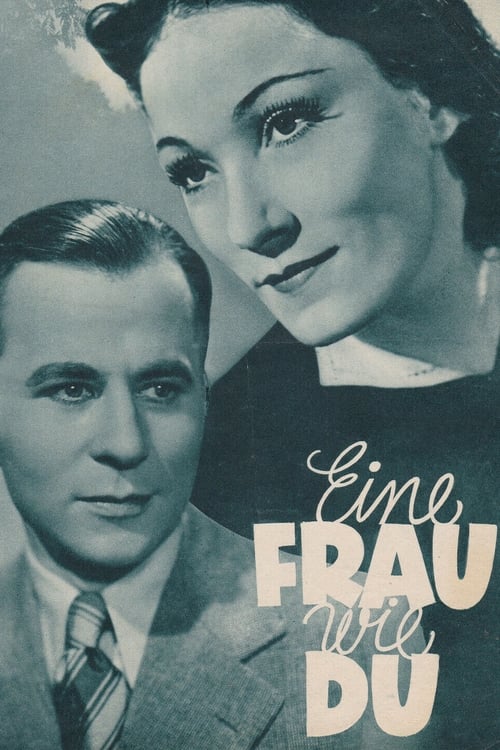
Maria Pretorius is the leader of a counseling office in a large factory. She is completely engrossed by her career and so gives the cold shoulder to her colleague Wallrodt, who wants to marry her. Only the young Manfred Thiele is successful in winning her sympathy through his perseverence. That, however, pisses off Lyda Lehmann, who has long had the hots for him.
During the October Revolution in 1917 the Bolshevik Party appointed a woman commissioner of the “Free Anarchist-Revolutionary Section”. This regiment emerged from an anarchist division of the ship of the line “Imperator Paul I.”
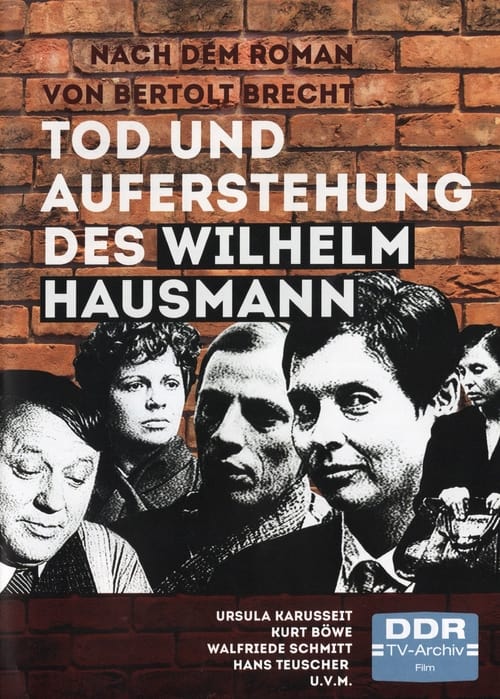
In the crisis-ridden Germany of the 1920s, the desperate Frieda Hausmann pretends to be her deceased husband Wilhelm so that she can support her family by employing him as a porter.