FEEL IT.STREAM
Viktor Lutze

Viktor Lutze

Acting

Biography

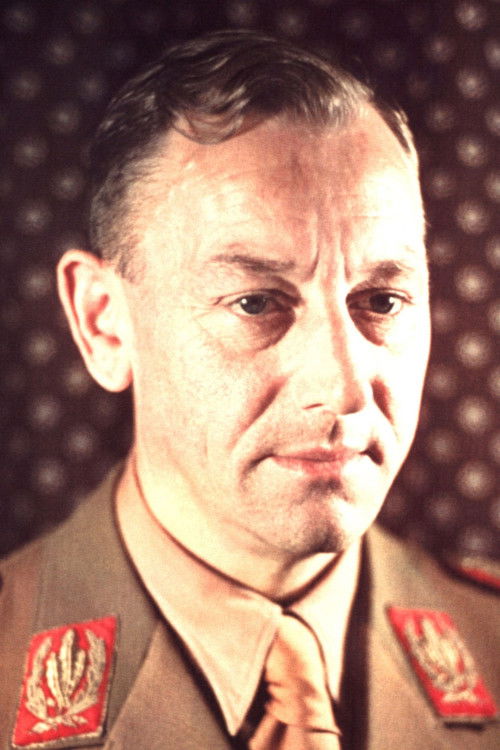
Viktor Lutze (28 December 1890 – 2 May 1943) was a German Nazi Party functionary and the commander of the Sturmabteilung ("SA") who succeeded Ernst Röhm as Stabschef and Reichsleiter. After Lutze died from injuries received in a car accident, he was given an elaborate state funeral in Berlin on 7 May 1943. Description above from the Wikipedia article Viktor Lutze, licensed under CC-BY-SA, full list of contributors on Wikipedia.
Known For

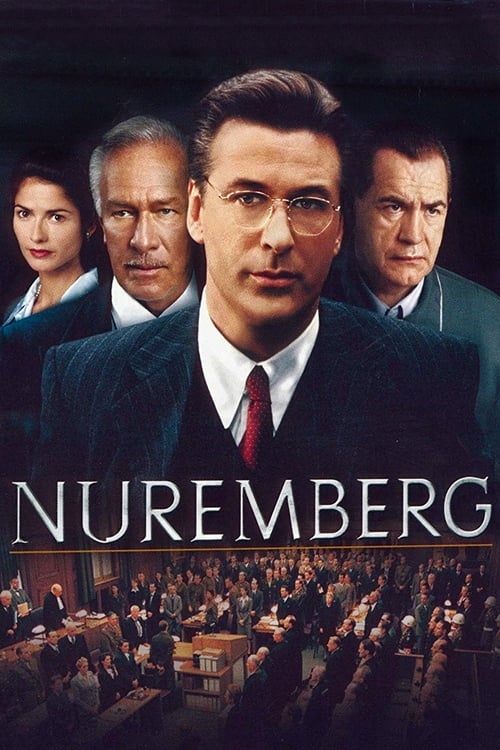
Nuremberg
7.4

Justice Robert H. Jackson leads Allied prosecutors in trying 21 Germans for Nazi war crimes after World War II.

Nuremberg

2000
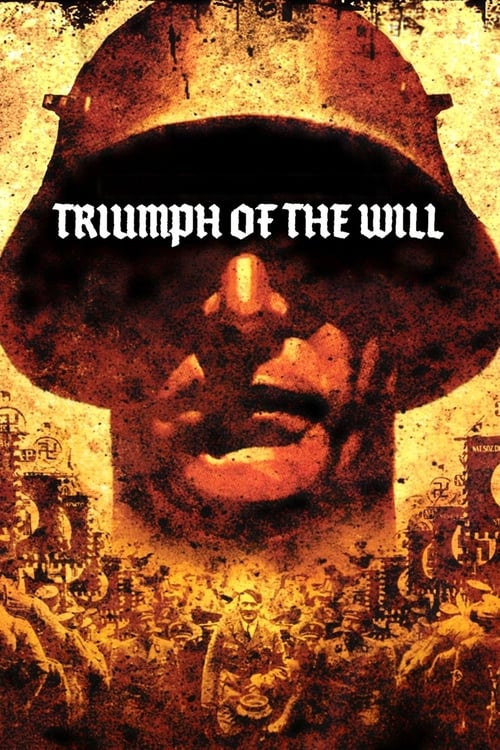
Triumph of the Will
6.9

A showcase of German chancellor and Nazi Party leader Adolf Hitler at the 1934 Nuremberg Rally.

Triumph of the Will

1935
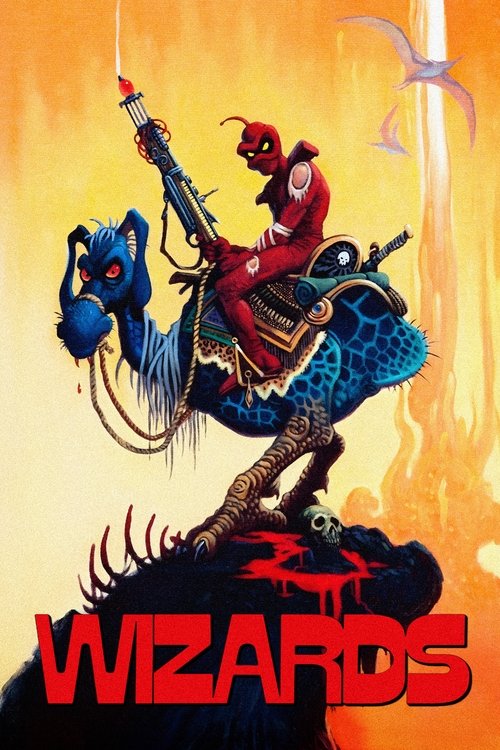
Wizards
6.2

After the death of his mother, evil mutant wizard Blackwolf discovers long-lost military technologies. Full of ego and ambition, Blackwolf claims his mother's throne, assembles an army, and sets out to brainwash and conquer Earth. Meanwhile, Blackwolf's gentle twin brother, the bearded sage Avatar, calls upon his own magical abilities to foil Blackwolf's plans for world domination — even if it means eliminating his own flesh and blood.

Wizards

1977
City of Toys
N/A

City of Toys (2024, 39mins) combines Alan Marcus’ 2001 interview with legendary filmmaker Leni Riefenstahl with an exploration of centuries of antisemitism. As she recalls of her iconic 1935 documentary, Triumph of the Will, on the annual Nuremberg Nazi Party Rally almost seventy years later: “I had no ideals. I only did my duty. It was a commission I carried out.” Beyond its notoriety in 20th century history, Nuremberg was also known as one of the toymaking capitals of the world and until the Nazi era many of its major toymakers were Jewish. Nuremberg still hosts the world’s largest trade toy fair. The film subtly intertwines narratives on Adolf Hitler and Riefenstahl’s representation of the Nazi movement with Nuremberg’s historical bedrock of antisemitism and the role of its Jewish toymakers. As film historian Robert Rosenstone has written of Marcus’ work, “I would call it a kind of poetic history that may in fact deny the possibility of history at all.”

City of Toys

2024