Garin Nugroho
Directing
Biography
Garin Nugroho Riyanto (born June 6, 1961, in Yogyakarta) is a renowned Indonesian film director, screenwriter, and producer. He first gained widespread recognition after releasing his film Cinta dalam Sepotong Roti (A Slice of Love) in 1990. His works have often transcended national boundaries and earned international acclaim. One of his most notable films is Surat untuk Bidadari (Letter to an Angel) (1992), which brought him to the international film stage. Additionally, his film Daun di Atas Bantal (Leaf on a Pillow) (1998) became the first Indonesian film to be screened at the Cannes Film Festival. Garin is also well-known for other works such as Opera Jawa (2006) and Kucumbu Tubuh Indahku (Memories of My Body) (2018). His recent film, Whispers in the Dabbas (Nyanyi Sunyi dalam Rantang), premiered at the 54th International Film Festival Rotterdam in 2025. Throughout his career, Garin Nugroho has received numerous awards, including the Tempo Best Director Award in 2024 for his film Samsara. He is also recognized as a driving force behind various important cultural activities in Indonesia. With his dedication and innovation, Garin Nugroho continues to make significant contributions to the development of Indonesian cinema and culture.
Known For

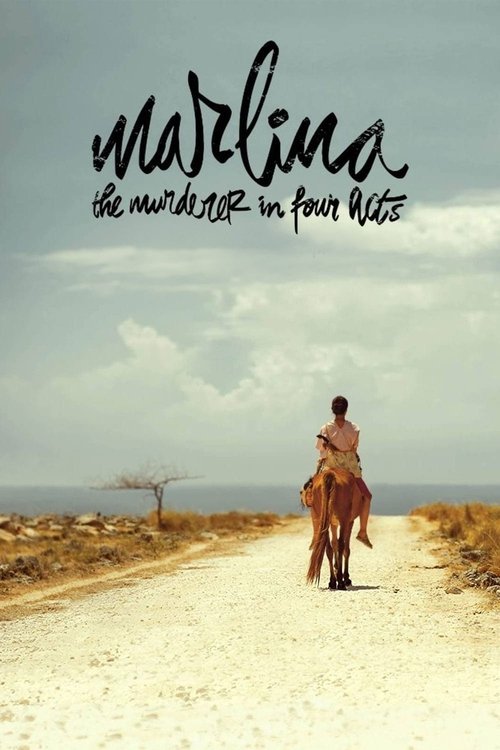
After encountering a group of bandits with plans to rape and steal from her, a young widow ventures into the wilderness in search of justice.
Marlina the Murderer in Four Acts

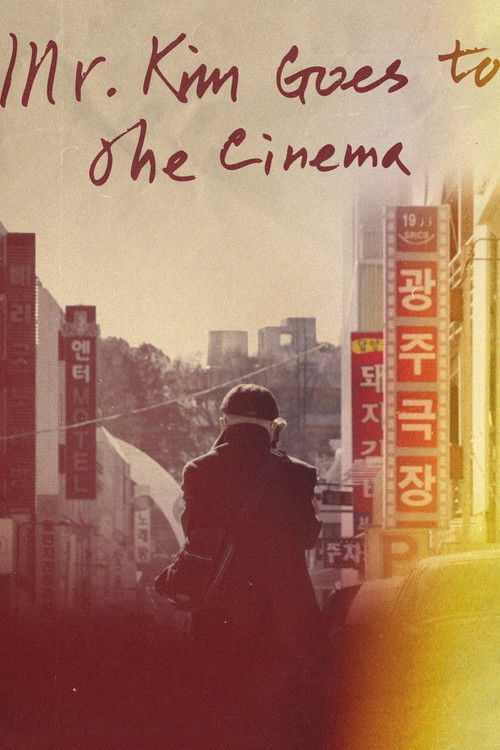
After the COVID-19 pandemic, Busan International Film Festival founder Kim Dong-ho, at eighty-five, picks up a camcorder for the first time and decides to make a documentary. His lens turns toward cinemas struggling through the crisis, as beloved theaters vanish amid dwindling audiences. Seeking to reconnect with old friends, "Mr. Kim" — now nearing ninety — travels the world to talk with filmmakers and cinephiles. Through these encounters, he reflects on cinema’s past and future, finding wisdom and resilience in a time of transformation. His journey becomes a meditation on change, memory, and the enduring spirit of film.
Mr. Kim Goes to the Cinema

This movie follows the story of Dutch East Indies' (now Indonesia) first indigenous bishop, Albertus Soegijapranata SJ, from his inauguration until the end of Indonesia's independence war (1940-1949).
Soegija

Darta, a man from an impoverished family, is rejected by the wealthy parents of the woman he loves. Desperate, he strikes a bargain with the Monkey King, performing a dark ritual to gain wealth. However, in doing so, he accidentally curses his wife and child to a life of suffering. Rooted in Indonesian mysticism, this universal narrative explores the insatiable hunger to become something one is not and the boundaries one is willing to cross to achieve it.
Samsara

A cheerful yet serious Indonesian Romeo and Juliet. A boy and a girl from the same district, but with difficult childhoods and other reasons not to acknowledge their love. Through the colourful and musical retro style - the 1970s came late to Indonesia - shines a chaotic political and social era.
Chaotic Love Poems

Pertiwi, a strong and independent woman who took care of her three children: Adam, Sekar, and Isham until they became adults and left their hometown. Her husband died after losing the village head election against his rival, Janji Upaya. The children of Pertiwi, who blamed Janji Upaya for their father's death, harbored deep feelings of resentment towards Janji Upaya.
Kejarlah Janji

Sparks fly when a fashion blogger in Bali meets a gifted shoemaker, leading her to question her commitment to her fiancé.
A Perfect Fit

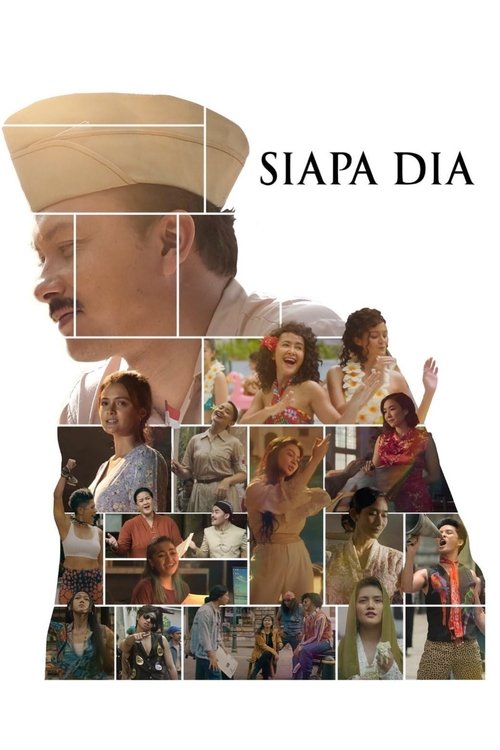
Layar, a popular film star who feels bored with his career wants to make a musical theater set in a family history that is always linked to Indonesian film history.
Siapa Dia

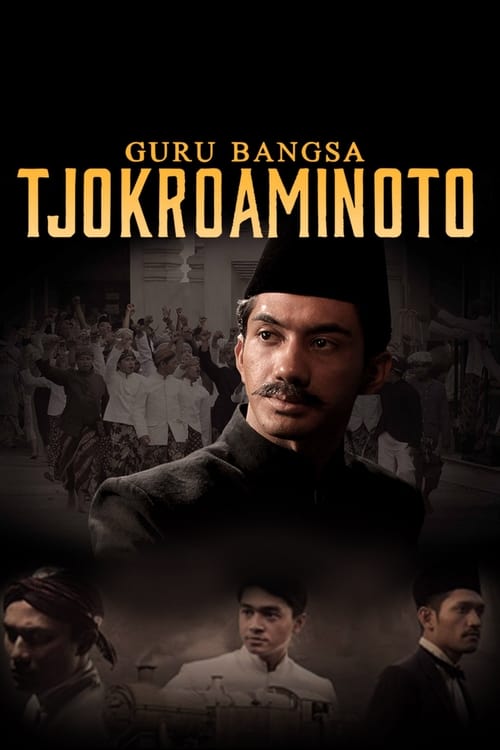
In 1912, Javanese activist Omar Said Tjokroaminoto co-founds the Sarekat Islam party to fight injustices of the Dutch East Indies' colonial regime.
The Hijra

Puspa, a novice lawyer handling trivial cases, fights for the cause of poor people accused of petty crimes and threatened with disproportionate punishment. As she takes on a rigged legal establishment, she must grapple with her crippling senses of powerlessness, and empathy.
Whispers in the Dabbas

Words of poetry spell certain death when a young woman grows increasingly distraught after a string of unusual murders take place.
Deadly Love Poem

Alfa and Darian, a young couple who decided to separate after facing various conflicts. However, encouragement from their families led them to want to reconcile. The situation becomes complicated, because to remarry, after the third divorce, the wife is required to marry someone else first. Finally, the figure of Zainun appears who will be Alfa's temporary husband. Alfa and Zainun's marriage takes place. However, it turns out that it is not that simple, Darian's jealousy and worry arise, who is always curious and often interferes, causing a complicated situation. They then go on a journey full of surprises, laughter, and old wounds that are reopened.
Dilanjutkan Salah Disudahi Perih

The Indonesian society is seen through a middle-aged lady's eyes in her daily encounters with the street children who work and live off the harsh and sleazy world of adults.
Leaf on a Pillow

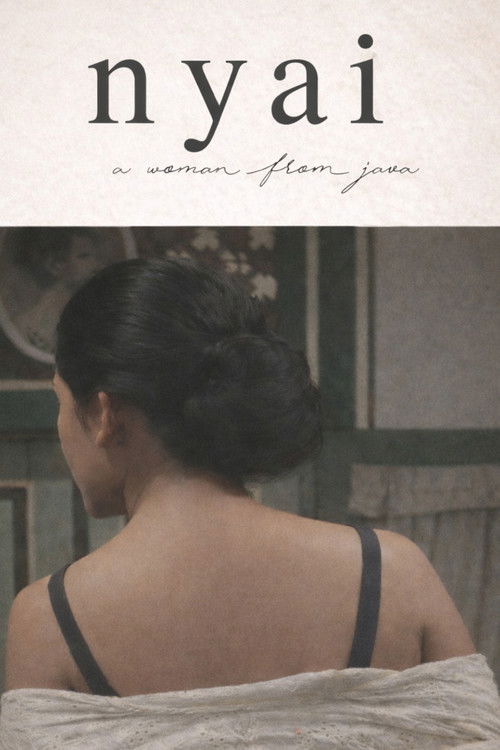
In 1927 colonial Indonesia, a young woman trapped as a Dutch man's concubine fights for dignity in a world that sees her as nothing more than property.
Nyai: A Woman from Java

The story follows three women in Bali, each facing their own life challenges. Maharani is a woman searching for her biological mother. Nian is a celebrity trying to escape her family troubles. Meanwhile, Dewi is a radio announcer who must confront the harsh realities of her life. These three women embark on a journey in Bali to find the meaning of life and peace within themselves.
Under the Tree

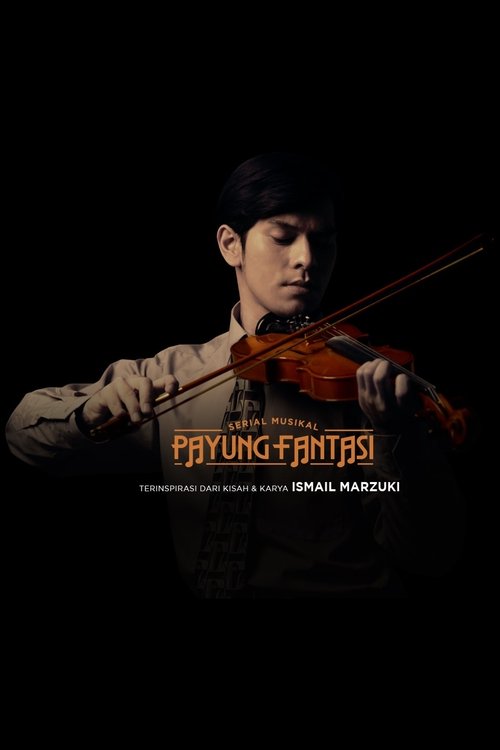
A year after the departure of her beloved husband, Eulis Zuraidah remembers the figure of Ismail Marzuki and his daughter Rachmi. The song Payung Fantasi playing on the radio tells the story of the warrior composer's life from childhood, youth to the end of his life. Extraordinary musical talent and skill in stringing words became Bang Maing's battlefield through the Dutch and Japanese colonial periods, until finally Indonesia became independent. The songs echo the burning spirit of struggle to become a completely independent nation.
Payung Fantasi

Adam, the Village Head who entered regional election politics brought his politics home, affecting his relationship with his wife and younger siblings. Mixed with the love affairs of the widowed Mother Earth with Mr. Janji, a widower, a former village head, the euphoria of the village residents ahead of the regional elections and political brokers and dynastic political issues that spread to the village via social media became increasingly chaotic.
Tepatilah Janji

The poet Ibrahim Kadir plays himself in a political drama about his arrest and incarceration in Aceh in the 1960s. Kadir survived the mass murder of suspected communists by the Indonesian government that cost between 500,000 and two million lives.
The Poet

This is the story about Setyo, Siti and Ludiro, who were the performer of Javanese Ramayana's Wayang Wong. Setyo and Siti are spouse who live in a village by selling earthenware products. In the village, live as well Ludiro, the head of the stockyard, who is very wealthy and secretly in love with Siti. Conflicts arrived as Setyo's earthenware company is going bankrupt and Siti started to took notice in Ludiro's desire to win her love. These triangle love transform into a civil war in the village that brings not only extremity and injustice, but also the death of the loved ones.
Requiem from Java

Juno was just a child when his father abandoned him from their village in Central Java. Abandoned and alone, he joins a Lengger dance centre where men shape their feminine appearance and movement. The sensuality and sexuality that came from the dance, mixed with the violent sociopolitical Indonesian environment, forces Juno to move from village to village.