Crew
No description available.
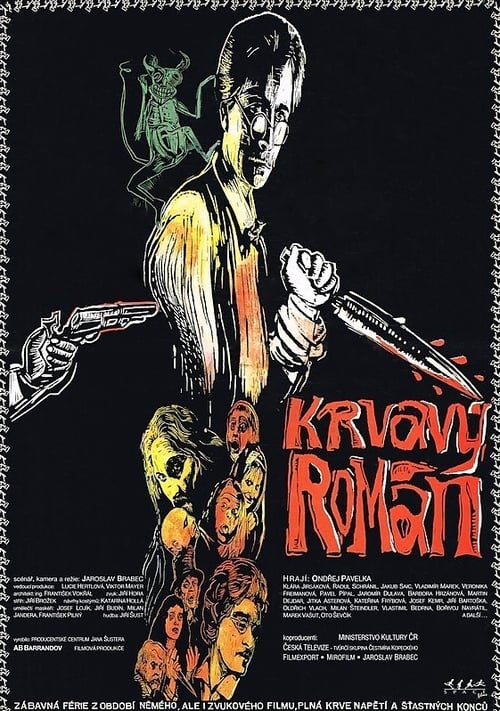
The distinctive artist, typographer, and writer Josef Váchal is known to the public primarily for his Blood Novel. The surrealistic exuberance of this defense of 19th-century pulp fiction caught the attention of Jaroslav Brabec and his colleagues, who found a corresponding image of 20th-century "trash." The authors' interest focuses primarily on the silent film era, with a journey through the history of cinema continuing through the advent of sound film to the present day (auteur cinema of the 1960s, modern horror), formally employing techniques such as tinted film. The versatile parody intertwines a colorful plot with the story of the author (Váchal/Paseky), who comments on and creates his book, and is further split in the plot into the characters of Fragonard and the Master. As with Váchal, reality increasingly enters the fiction, so that the only "happy ending" turns out to be the artist's finished work.
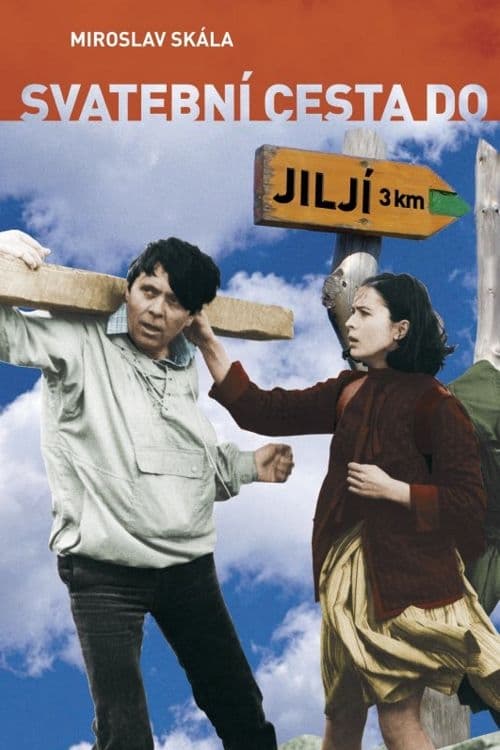
A scientist meets a nice girl and they start dating. He decides the only way to find out for sure if she’s the one is to take a long trip with her, but things don’t go quite as he’d hoped.
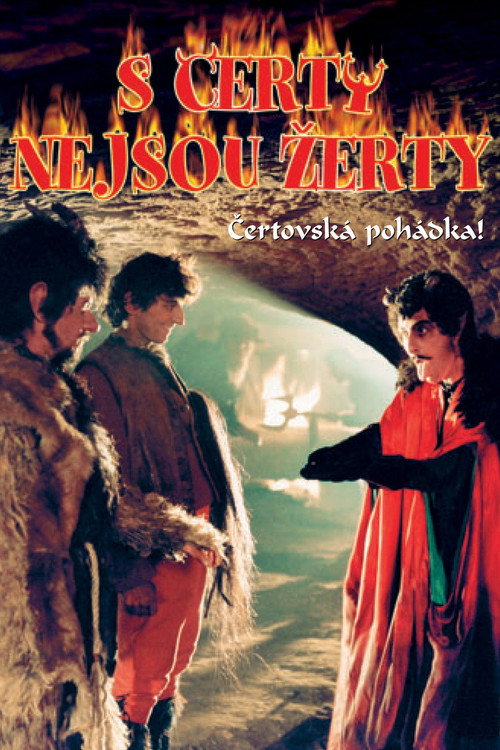
Dorota, a bad woman married the miller, out of sheer greed drives him to death. She then took the mill away from his son Peter and threw him out of the hime. Lucifer, who is known to rule in hell, sends out the devil Janek. He is supposed to fetch Dorota because the measure of her earthly sins is overflowing. But the devil himself can not handle this evil woman and flees to the military. There he meets Peter. By joining forces, they finally succeed in transporting the wicked Dorota to hell. Since then hell is hell. But for Peter, who is suddenly in possession of a magic mantle, begins a nice time, because strangely, the prince shows great interest in him.
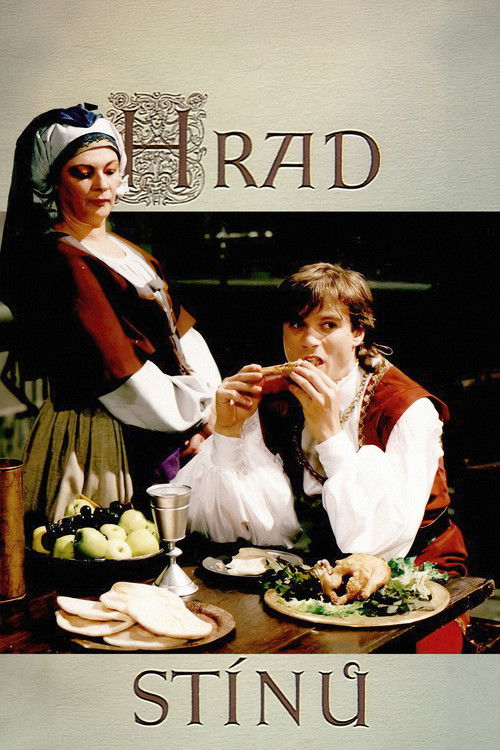
Prince Thomas longed to prove to himself and his royal parents that he was truly an adult. And on the day he came of age, his father gave him a unique opportunity—an opportunity called Blouzov. Blouzov, an old castle that the prince was to rule alone, was no ordinary place. There were many rumors about it, and they were quite wild. But the truth turned out to be even darker than the speculation. In fact, Blouzov was ruled by the chambermaid Johana with the help of dark forces. She and her equally mischievous son, the water sprite Artur, involved the inexperienced Tomáš in their vile intrigues as soon as he appeared at the castle. And even though he soon gained powerful allies and helpers for his "test of adulthood"—his childhood friend Petr and his beautiful sister Jitka—it was not at all easy to stand up to the evil spells and keep his wits about him at the right moment.
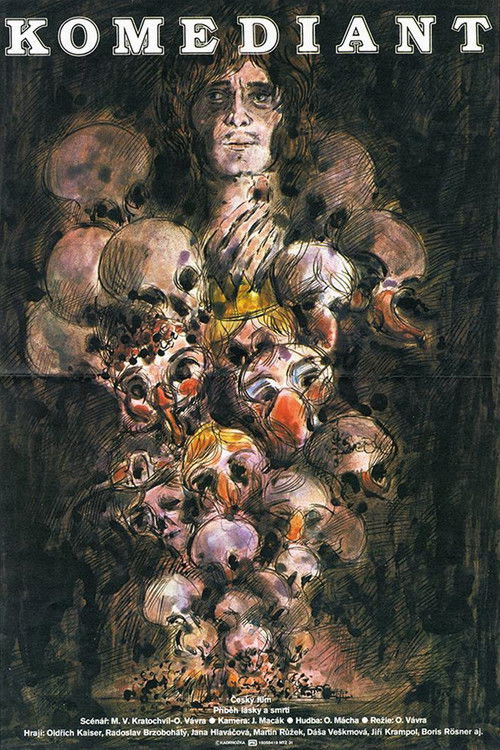
Saxony, devastated by the Thirty Years' War, is led by the comedy troupe of the principal Fortunato. The student Vavrinec has fled Bohemia and greatly values the text of Shakespeare's tragedy Romeo and Juliet, which he has acquired on his wanderings around the world.
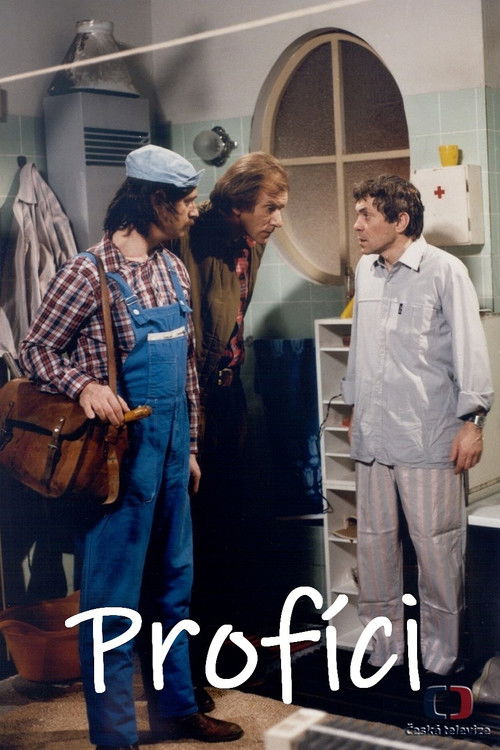
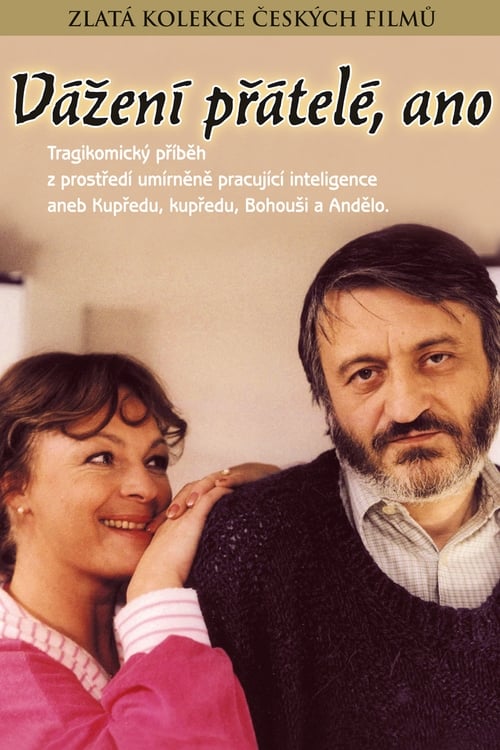
During the change of functions in the Fortuna medical ceramics company, Bohouš Fisher, an independent clerk, became deputy director of the company against his will. As a result, he is forced to make even greater compromises than before. He takes part in unnecessary meetings for which he has to raise money from company funds because of his position, or he jocularly solves a "work" accident of two employees who were engaged in love games instead of work. It's not much better in his private life. He would like to do some meaningful work, like building a stove.
A fairy tale about a queen-witch who used magic to get rid of her royal husband and carefully guards her throne so that the marriage of her stepson, Prince Christopher, does not threaten it. Although she has him guarded, Christopher meets Princess Christina from a neighboring kingdom, and the young people fall in love.
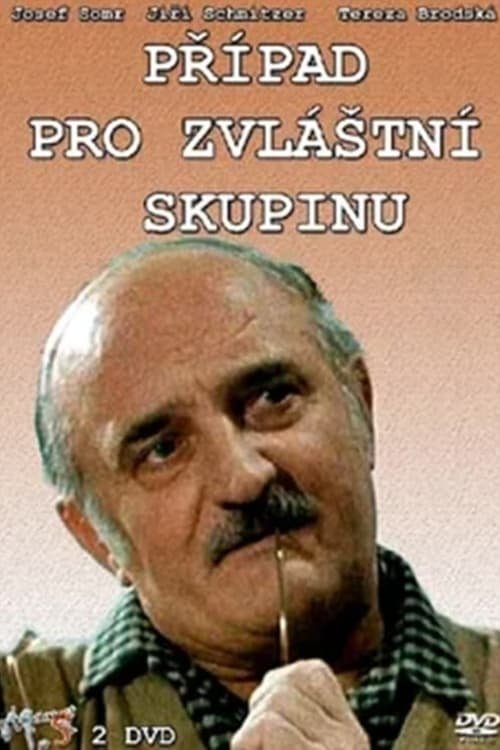
Painter Horace visits his friend, a former criminalist, and is intrigued by two strange women who live in the house opposite. The old sisters have lived together their entire lives, quarreling, doing things to each other on purpose, but they cannot be without each other. And then one day both sisters are found dead in their locked apartment. They poisoned themselves with gas. Officially, the case is closed as a suicide. But Horace doesn't think so... Even though his criminalist friend discourages him, he continues his investigation. Were the women murdered? And is Janza involved, or their friend Pesný, who was supposed to live in their apartment?