Mikhail Kalik
Directing
Biography
Mikhail Kalik was a Soviet and Russian film director and screenwriter known for his contributions to Soviet cinema during the 1960s. He studied at the Moscow Film School (VGIK) under Grigori Alexandrov. In 1951, during Stalin's anti-cosmopolitan campaign, Kalik was arrested and accused of Jewish bourgeois nationalism, leading to a ten-year sentence in labor camps. After his release, he directed notable films such as Goodbye, Boys! (1964) and To Love (1969), which were acclaimed for their humanistic themes and innovative storytelling. In 1971, Kalik emigrated to Israel, where he continued his work in film.
Known For

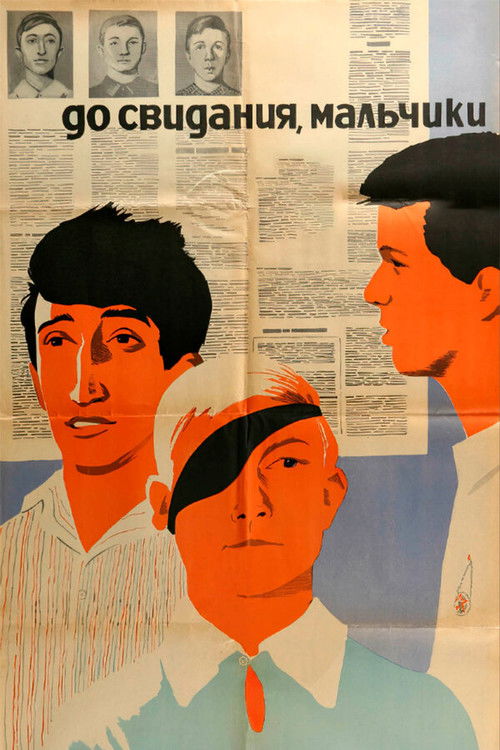
Goodbye, Boys! is the coming-of-age tale of three teenagers graduating from a Communist school during World War II. It's summer, and their main goals are swimming in the Black Sea and wooing the girl all three of them love. However, they are asked to become officers in the military, and slowly their worlds begin changing forever. Their parents oppose them, they begin fearing losing each other and their families, and the military tricks and maneuvers them into joining the army instead of the navy.
Goodbye, Boys!

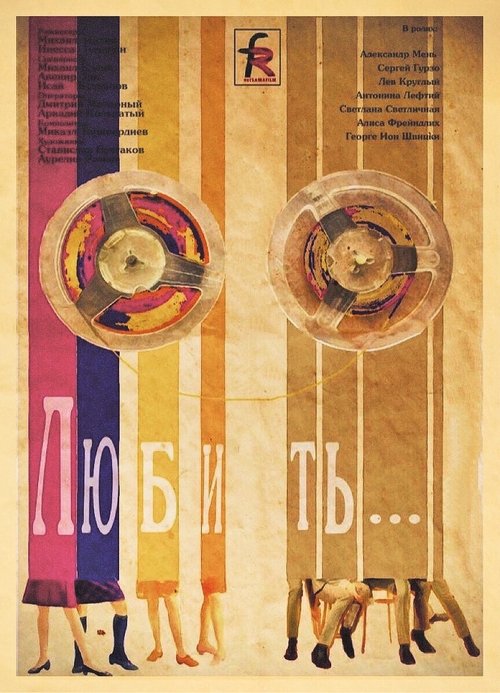
Four love stories connected by newsreels of the late 60s. Each short story begins with an epigraph taken from the Song of Songs of the Old Testament. The stories are interconnected by documentary shots and numerous interviews taken on the streets from passers-by who are asked the same question: “what does it mean to love?”.
To Love

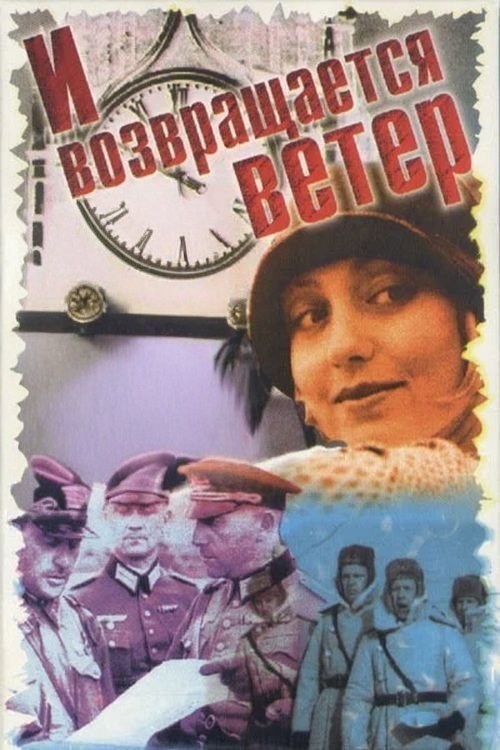
The director's story about his life in the Soviet Union before his departure to Israel in 1971. The movie interweaves chronicle-documentary footage and fragments of Mikhail Kalik's films.
And the Wind Returns...
Two brothers who haven't seen each other for 16 years meet in the old house of their late father. And the reason for that was the sale of the father’s furniture. A successful doctor and a poor policeman conduct a dialogue in which the different life positions are revealed.
The Price

A story about a boy walking across the town following sun.
Following the Sun

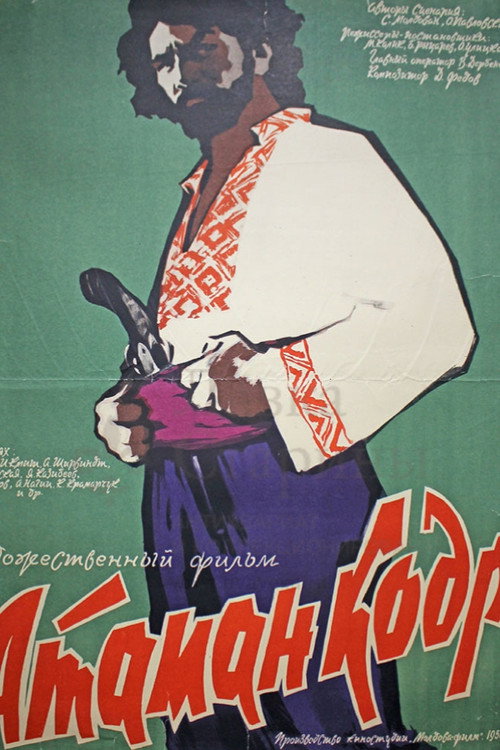
1830s, Moldavia. The groom Todor fell in love with his master's maid, Yustinia. Having found himself in hard labor, Todor organized an escape and, with a group of like-minded people, took refuge in the codry. So, under the leadership of Ataman Todor Tobultok, the Moldavian rebels, who called themselves haiduks, began to fight against the tyranny of the landowners.
The Outlaw Ballad

An adaptation of the book "Razgrom" by Alexander Fadeyev. A partisan detachment led by Levinson, including Morozka, Pavel Mechik, Metelitsa, and nurse Varya, is united in their goal to defeat the White Cossacks. Despite their shared mission, each carries personal pain and hopes for happiness. Fadeev’s novel explores the idea of a “new personality” in revolutionary times, but this new identity perceives life and destiny similarly to the old, albeit more harshly.
The Youth of Our Parents

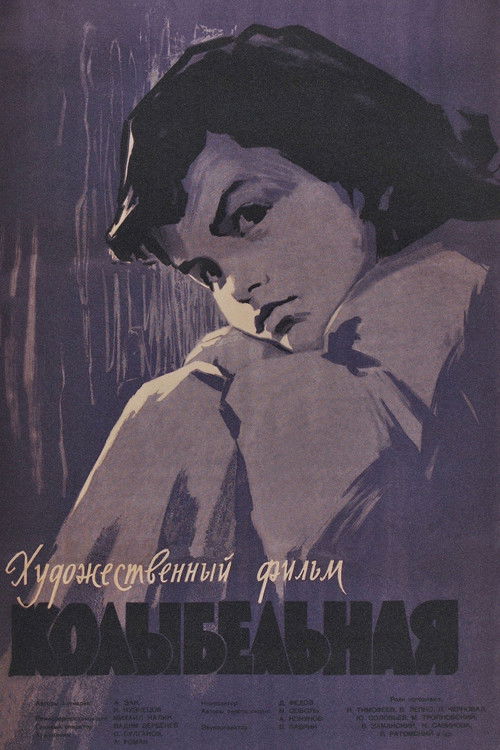
Pilot Losev, who lost his family during the war, learns that his daughter Aurika was saved during the bombing, and sets off in search of her. The former pilot will survive many fates and stories before a familiar chorus of a lullaby helps him to recognize his daughter in a random fellow traveler.
Lullaby

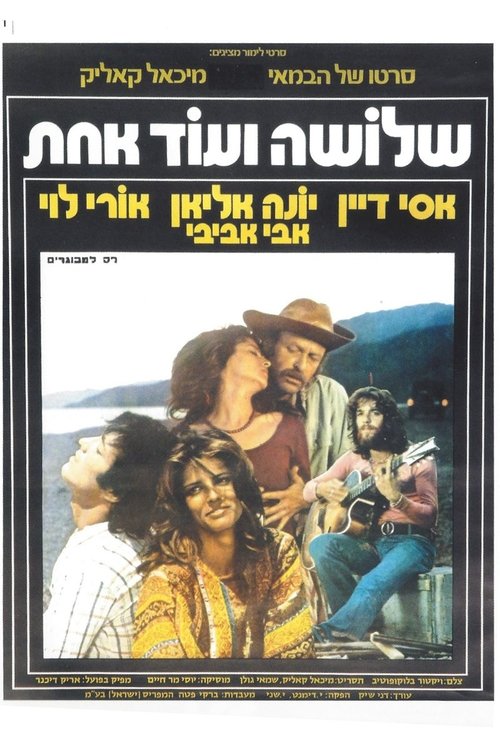
A man traumatized by war memories works as a tour guide on the sea. He starts a relationship with a young woman from the nearby hippie commune.