Acting
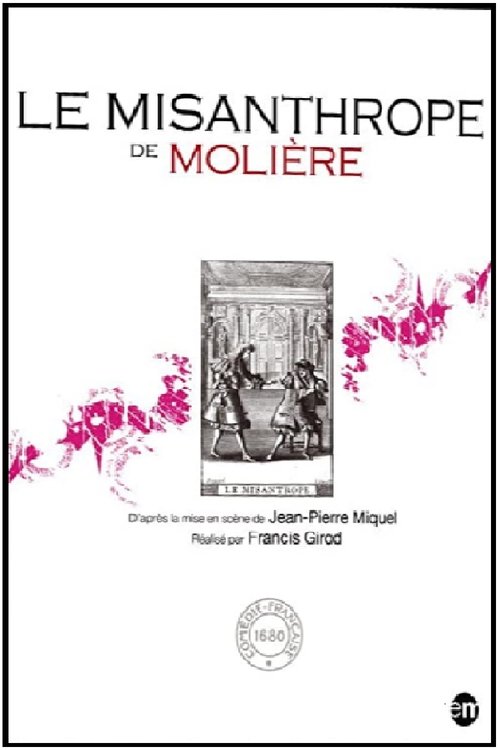
Célimène, a beautiful young widow, chooses to keep her many suitors hoping in order to preserve her freedom, even though she is drawn to one of them, Alceste. An idealist, Alceste refuses to play the social game; he seeks to persuade the young woman to abandon her strategy and give herself over to an exclusive love. Theater play "Le misanthrope" played by the "Comédie française" in 2000. Rather than a simple recording of a live theater performance, this version was explicitly structured as a television movie. It blended cinematic camera work with the theatrical script.
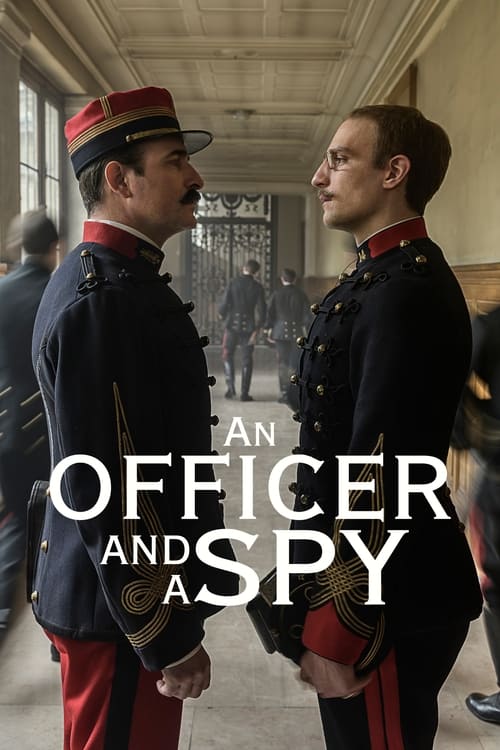
In 1894, French Captain Alfred Dreyfus is wrongfully convicted of treason and sentenced to life imprisonment at the Devil’s Island penal colony.
A loyal wolfdog’s curiosity leads him on the adventure of a lifetime while serving a series of three distinctly different masters.
Romain, a well read and articulate real estate agent, protects his grandmother from a bailiff that wants to seize her property,
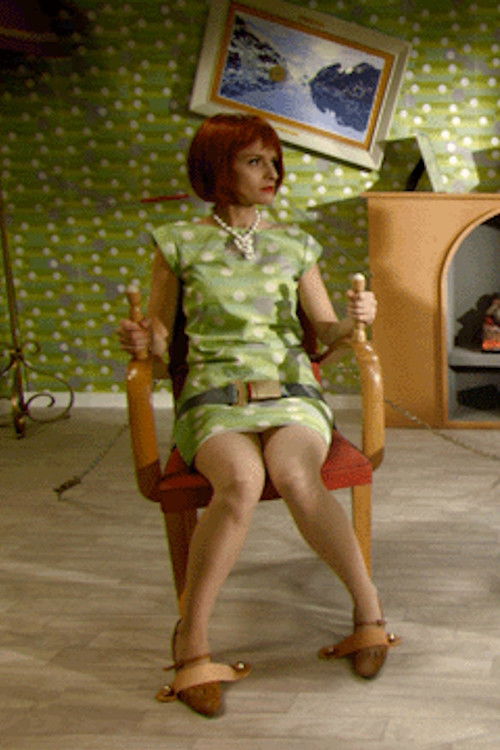
Chronic serial womanizer Stephane Margelle drops his wife Sophie off at the airport so she can go away for Easter weekend. He immediately picks up beautiful young Julie, who has just had a fight with her married boyfriend. He gets her back to his apartment and is preparing for a sexy weekend, when his wife suddenly returns home. He makes up a bizarre, on-the-spot, spur-of-the-moment story that the gorgeous girl is actually his long-lost daughter. Julie plays along, but this leads to a whole series of increasingly ridiculous lies and comical situations (such as when her real mother shows up).
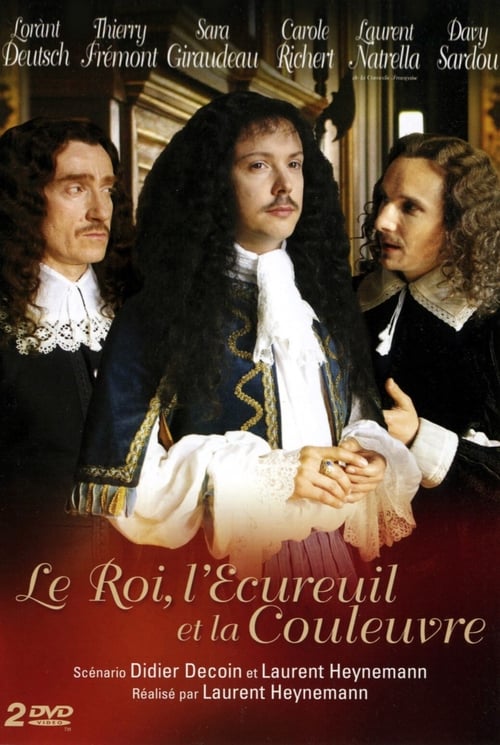
"The king, the squirrel and the grass snake" is a two‑part French historical drama set in 17th‑century Paris, following the intense rivalry between Nicolas Fouquet, the brilliant and flamboyant Superintendent of Finances, and Jean‑Baptiste Colbert, the calculating administrator determined to bring him down. As Fouquet rises in power, wealth, and prestige—building the magnificent château of Vaux‑le‑Vicomte and securing Mazarin’s favor—his influence begins to alarm the young Louis XIV. Colbert seizes the opportunity to undermine his rival, weaving a political trap that will reshape the future of the kingdom. Through court intrigues, shifting alliances, and the growing authority of the Sun King, the film portrays the fall of a man who shone too brightly and the birth of absolute monarchy in France.
Fanny has been a paraplegic since a paragliding accident ten years before. She wants to pursue her vocation as a math teacher and is given one month to prove herself.
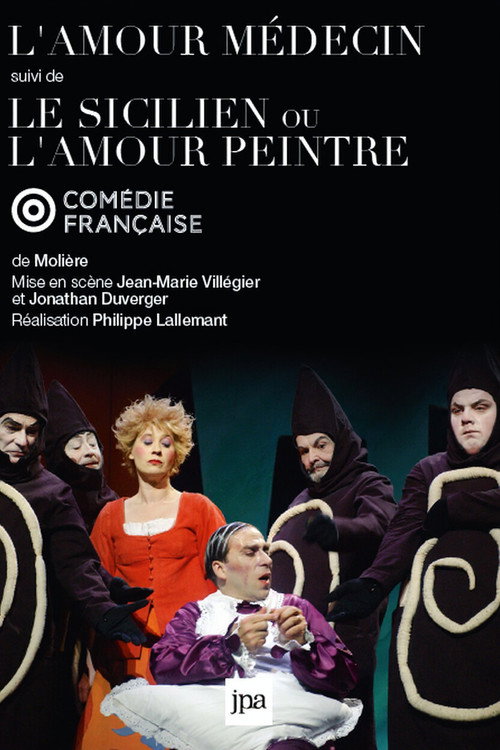
Sganarelle is obstinate. He categorically refuses to allow Clitandre to marry his daughter Lucinda. To get around this obstacle, she develops a stratagem, with the help of Lisette, her maid. She feigned illness, forcing her father to call in doctors who proved incompetent. The servant then proposes an outstanding doctor, who is none other than Clitandre in disguise... This comedy-ballet in three acts, written to music by Jean-Baptiste Lully, was the first play that Molière's troupe staged as the king's troupe, in 1665. It was followed by another short play: The Sicilian or Love Painter. Cover: On the left, Clitandre, in the centre Lucinde, on the right Sganarelle.
A little house in the suburbs in the middle of nowhere. A car trapped in the snow. The great desperation of a couple who kill time in front of the television. And this strange impression of déjà-vu. But you better hold on because at any moment everything could change.
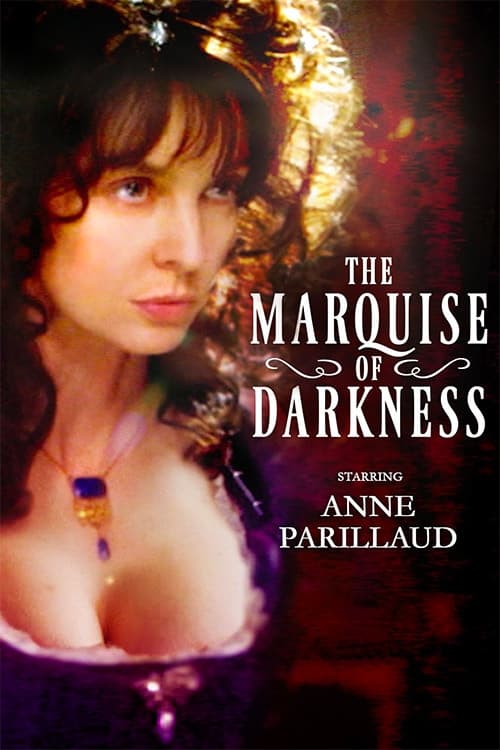
Marie Madeleine Dreux, Marquise of Brinvilliers, was executed in 1676 for poisoning. Manipulated by her lover and having kept the aftereffects of her childhood, she does not hesitate to poison her father and two brothers to recover their inheritance.
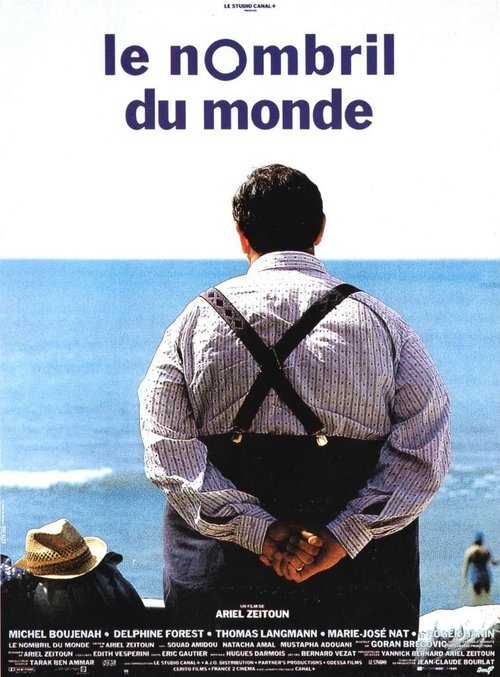
Tunisia, early thirties, the young and plump Bajou, lives modestly with his parents. One day after a flood, his father suddenly disappears. Thanks to his uncle and his cousin Marcel, he moves with his mother Oumi to work for the wealthy landowner Mr. Scali, a talkative and boastful man.
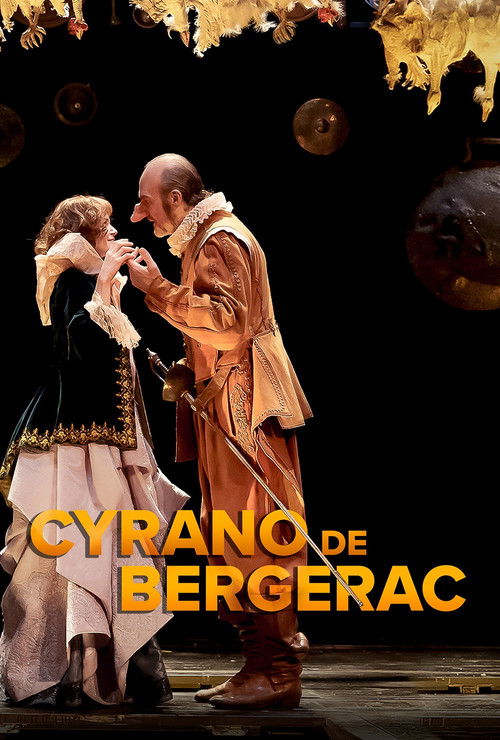
Cyrano has a prominent nose but also a gift with words by which he helps handsome Christian to conquer Roxane. Also in love with the girl he chooses not to reveal to her that every word of Christian comes out of his own heart. In cinema, this ROSTAND classic filmed live from the Comédie Française.
Pauline, a fifty-year-old woman going through a divorce, starts a career as a lawyer, but her first cases end in disaster. She is assigned to a case of arson on a farm, which quickly turns into a double murder against a backdrop of family discord. The novice lawyer is confronted with the code of honor of the farming world. She uncovers a family drama that has been kept secret for thirty years.
No description available.
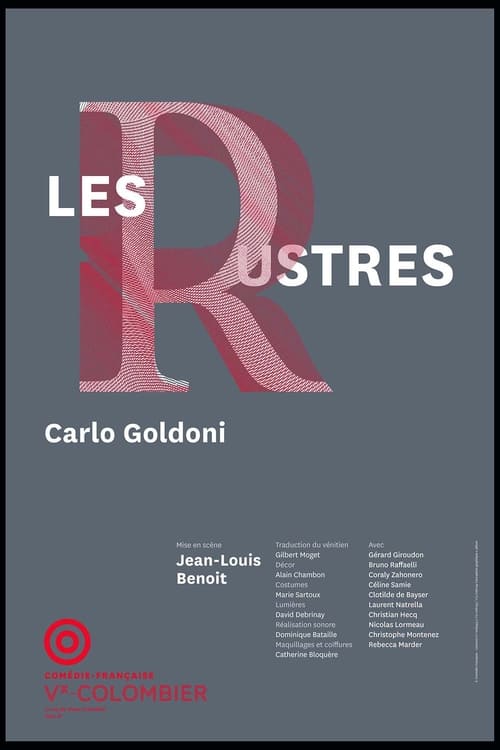
Written in 1760, Carlo Goldoni’s comedy has never been performed at the Comédie-Française, perhaps overshadowed by the famousHoliday Trilogy. A satire of the Venetian merchant class, embodied by narrow-minded, complaining and intolerant men whose mistrust of the fairer sex borders on the absurd, The Boors perfectly illustrates Goldoni’s theatre, a “theatre of life with a real content, characters observed in reality, and a natural expression.” Thus, a theatre in which the man Voltaire described as “nature’s son and painter” scrutinises his contemporaries, their relationships and their social behaviour. His work served to entertain while providing posterity with an acute testimony of the morals of his time. Indeed, Jean-Louis Benoit warns against reducing the author to a simple “photographer of reality”.