FEEL IT.STREAM
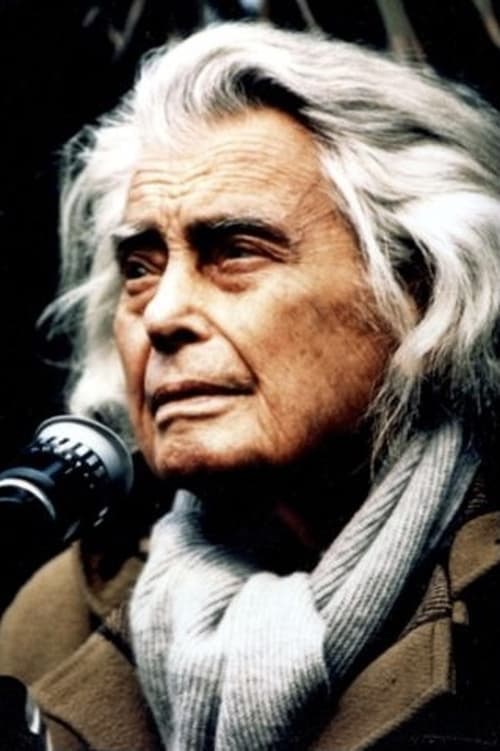
Joris Ivens

Joris Ivens

Directing

Biography

The filmmaker Joris Ivens was the son of C.A.P. Ivens, owner of the CAPI photography shop in Nijmegen. With the help of his father’s employees, in the 1910s the young Joris Ivens made the short film De wigwam, with roles for his parents, brothers, and sisters. Ivens studied economics and photography. From the end of the 1920s, he was one of the vital figures in the world of Dutch avant-garde film. As a technical consultant, he was involved with the Filmliga, and made important avant-garde films like De brug and Regen. He also founded the film company Studio Joris Ivens, where young, enthusiastic filmmakers could find a home. The Studio was the cradle of experimental film in the early 1930s. Ivens developed into a political filmmaker, and with films like Borinage, Spanish Earth, and Indonesia Calling!, he grew into a leading documentary filmmaker.
Known For

Midi Première
9.0

Midi Première is a French variety show presented by Danièle Gilbert, directed by Jacques Pierre and broadcast from January 6, 1975 until January 1, 1982 on TF1. The program was generally broadcast between 12:15 p.m. and 12:55 p.m., then giving way to the 1:00 p.m. TV news. However, the broadcast schedule could change, depending on the guests, and the setting where the recording of the program was shot. Certain performances by artists who have become cult like the one where Ringo jostles with a demonstrator in interpretation (1977), that of Dalida with the title There is always a song with the soundtrack that does not start, twice, at the right speed (1978), Claude François and his Clodettes, who, in the provinces, are unable to join "the set" in order to interpret his song, the latter being taken by the crowd of delirious fans (summer 1977) . The group Supertramp performed there with the title "Dreamer" on March 8, 1975.

Midi Première

1975
Far from Vietnam
7.1

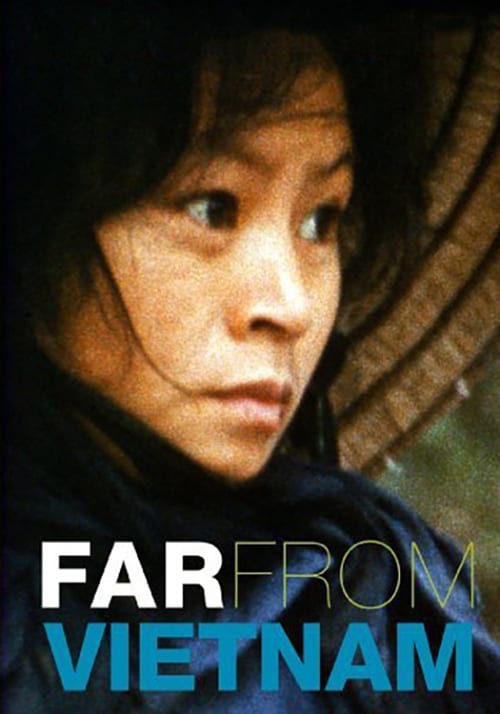
In seven different parts, Godard, Ivens, Klein, Lelouch, Marker, Resnais, and Varda show their sympathy for the North-Vietnamese army during the Vietnam War.

Far from Vietnam

1967
Know Your Enemy: Japan
5.9

Frank Capra-directed propaganda film produced during World War II depicting the United States' new enemy: Japan.

Know Your Enemy: Japan

1945
Bold Adventure
5.8

In the 16th century, as Flanders is invaded by the Spanish, Till the Mischievous uses stratagems to enter the service of Ferdinand Alvare de Toledo, Duke of Alba, and from there organize resistance against the invaders.

Bold Adventure

1956
Comment Yukong déplaça les montagnes
9.0

No description available.

Comment Yukong déplaça les montagnes

1976
Borinage
6.3

Henri Storck and Joris Ivens’ landmark of social documentary, blending staged scenes with locals and on-the-spot reportage to depict the 1932 miners’ strike in Belgium’s Borinage—evictions, hunger, and police repression—transforming outrage into a call for solidarity.

Borinage

1934
How Yukong Moved the Mountains
7.0

From 1972 until 1974, Joris Ivens and Marceline Loridan, along with a Chinese film crew, documented the last days of the Cultural Revolution, marking the end of an era. The vast amount of footage they shot was edited into 14 films of varying lengths. Focusing on ordinary people spread over a wide geographic area—many of whom were living and working in collectives—the filmmakers recorded a unique moment in history, and also captured some of the more enduring aspects of Chinese culture.

How Yukong Moved the Mountains

1976
The Wind Rose
6.0

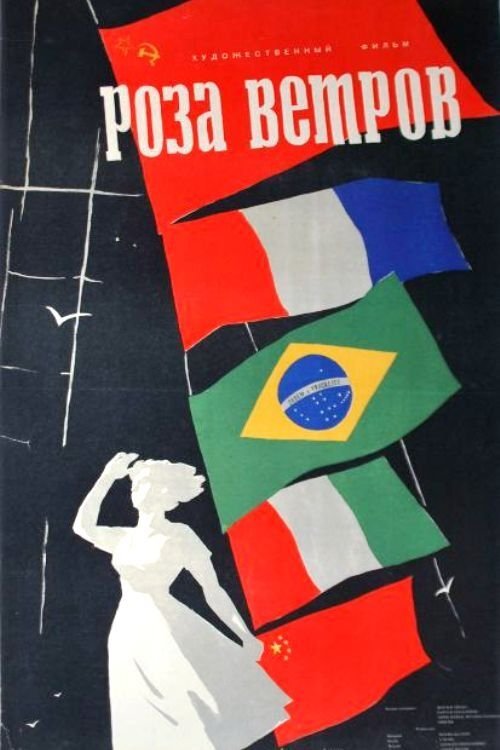
An international anthology about the struggles of female workers around the world.

The Wind Rose

1957
Valparaiso
7.0

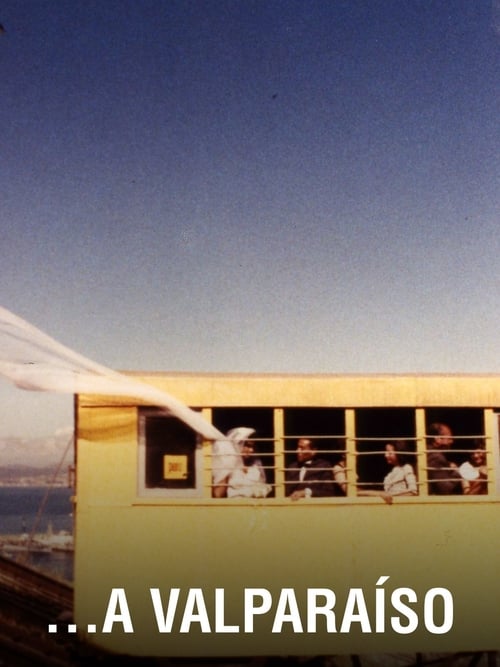
In 1962 Joris Ivens was invited to Chile for teaching and filmmaking. Together with students he made …A Valparaíso, one of his most poetic films. Contrasting the prestigious history of the seaport with the present the film sketches a portrait of the city, built on 42 hills, with its wealth and poverty, its daily life on the streets, the stairs, the rack railways and in the bars. Although the port has lost its importance, the rich past is still present in the impoverished city. The film echoes this ambiguous situation in its dialectical poetic style, interweaving the daily life reality (of 1963) with the history of the city and changing from black and white to colour, finally leaving us with hopeful perspective for the children who are playing on the stairs and hills of this beautiful town.

Valparaiso

1964
The 400 Million
6.3

Joris Ivens’s wartime documentary of China’s resistance to the Japanese invasion, cross-cutting civilian exodus and bombing with the Nationalist state’s mobilization—schools, industry, dispersed war production, foreign relief—and guerrilla fighting. Framing an ancient nation of “400 million,” it contrasts tradition with modernization and closes on the unresolved question of victory.

The 400 Million

1939
Cinema of the avant-garde 1923 - 1930
N/A

Thematic anthology of : Le retour a la Maison (1923) by Man Ray; Emak-Bakia (1926) by Man Ray; L'Etoile de Mer (1928) by Man Ray; Les Mysteres Du Chateau de Dé (1929) by Man Ray; Rhythmus 21 (1921) by Hans Richter; Vormittagsspuk (1928) by Hans Richter; Anemic Cinema (1926) by Marcel Duchamp; Ballet Mecanique (1924) by Fernand Léger; Le Tempestaire (1947) by Jean Epstein; Romance Sentimentale (1930) by Grigori Aleksandrov and Sergei M. Eisenstein; La Coquille et le Clergyman (1928) by Germaine Dulac; Regen (Rain) (1929) by Joris Ivens and Mannus Franken

Cinema of the avant-garde 1923 - 1930

2010
Memória Cubana
N/A

Through the files of Cuban cinema news program Noticieros ICAIC Latinoamericanos, the documentary shows the most relevant events of the second half of the 20th century as seen by the documentary filmmakers of the island. During three decades and under the general direction of Santiago Álvarez, these moviemakers witnessed almost everything: from the shivers of the Cold War to Bola de Nieve's piano solos; from the discovery of the killing fields in Cambodia to the Carnation Revolution in Portugal. In 2009, the original negatives of Noticieros ICAIC Latinoamericanos were declared part of the "world memory" by UNESCO.

Memória Cubana

2010
World Without a Game
N/A

Documentary portrait of Dziga Vertov, father of documentary cinema.

World Without a Game

1966
Indonesia Calling
6.1

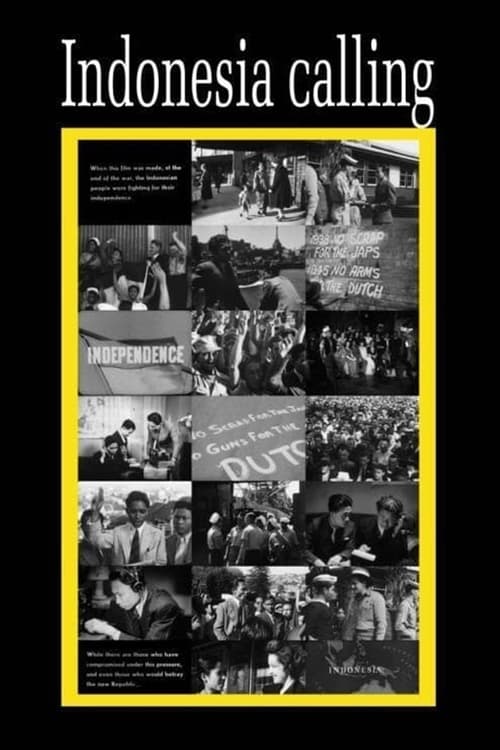
Filmed secretly in Sydney by Dutch documentarian Joris Ivens, this short records the solidarity of Indonesian seamen, Australian trade unionists, and local activists who refused to support Dutch efforts to restore colonial rule after World War II. More than a chronicle, it was an act of protest that aligned cinema with the Indonesian independence movement.

Indonesia Calling

1946
Havre
7.0

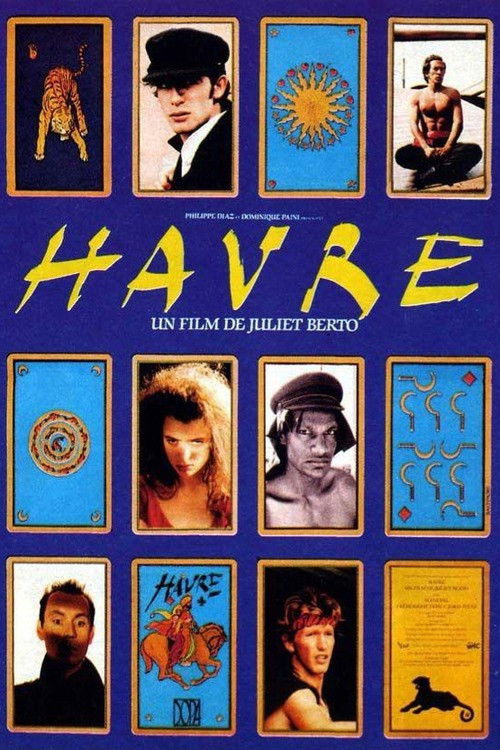
Lili lives near the port of Le Havre. She is mourning her lover Pablo, who died leaving unfinished a video game he was developing for a Japanese trust. A young boy decides to take over the project, while Lili, guided by a mysterious figure called Doctor Digitalis, struggles with her grief and searches for meaning in his absence. The film blends reality and dreamlike visions against the backdrop of the docks and port landscapes.

Havre

1986
The Seine Meets Paris
6.9

A poetic ode to the River Seine, Ivens' distinguished camera eye surveys its lively banks and step-stone canals with a vérité candor, a beguiling elan.

The Seine Meets Paris

1957
The Mistral
7.2

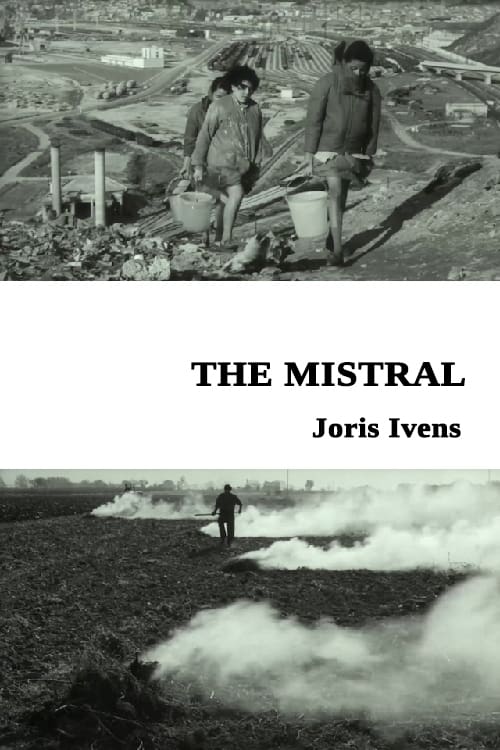
Dutch documentary filmmaker Joris Ivens follows the course of the famous wind as it originates in the Alps and finds its way to the Mediterranean Sea. Natural sounds and creative camera work provide a mood film showing the effect of the fury of the wind on the life of southern France.

The Mistral

1966
The 17th Parallel
7.1

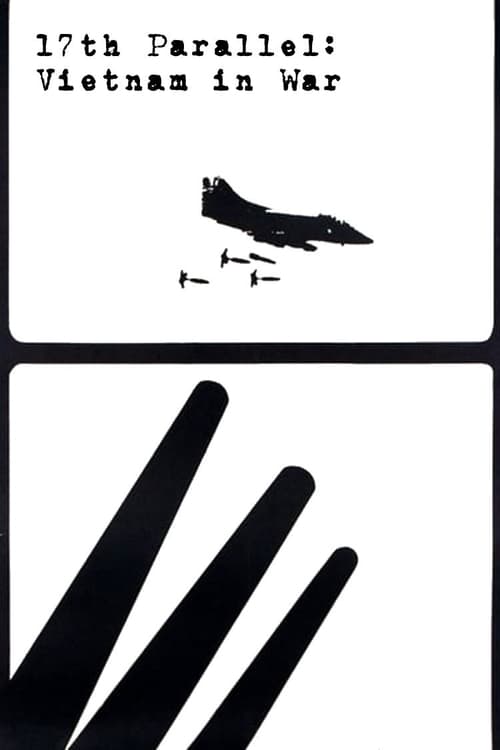
On the border of North and South Vietnam, civilians live underground and cultivate their land in the dead of night, farmers take up arms, and bombs fall like clockwork. Joris Ivens and Marceline Loridan’s record of daily life in one of the most volatile regions of a war-torn, divided country is both a hazardous piece of first-hand journalism and a shattering work in its own right, simmering with barely repressed anger.

The 17th Parallel

1968
Rain
7.4

A lyrical portrait of Amsterdam and its changing appearance during a rain-shower.

Rain

1929
A Tale of the Wind
6.4

It is an autobiographical fiction starring Ivens as an old man who has spent his life trying to "tame the wind and harness the sea" by capturing them on film.

A Tale of the Wind

1989